bluename
 How to Maintain Sarracenia Varieties: 5 Long-Term Care Tips
You’ve brought home a stunning Sarracenia, a true masterpiece of nature with its intricate, pitcher-shaped leaves. It thrived for a while, but now… the pitchers are browning, new growth seems stunted, and that vibrant presence is fading. If you’re worried about keeping your carnivorous companion alive and thriving for years, not just months, you’re not alone. I’ve been there. Through trial, error, and two weeks of meticulous observation for each new adjustment, I’ve learned that long-term Sarracenia success hinges on replicating their native bog conditions as closely as possible. Forget the typical houseplant routine; these are sun-loving, moisture-dependent predators with specific needs. Let me walk you through the five non-negotiable pillars of care that transformed my collection from struggling specimens into flourishing, pitcher-producing wonders.
Understanding Your Pitcher Plant’s Wild Roots
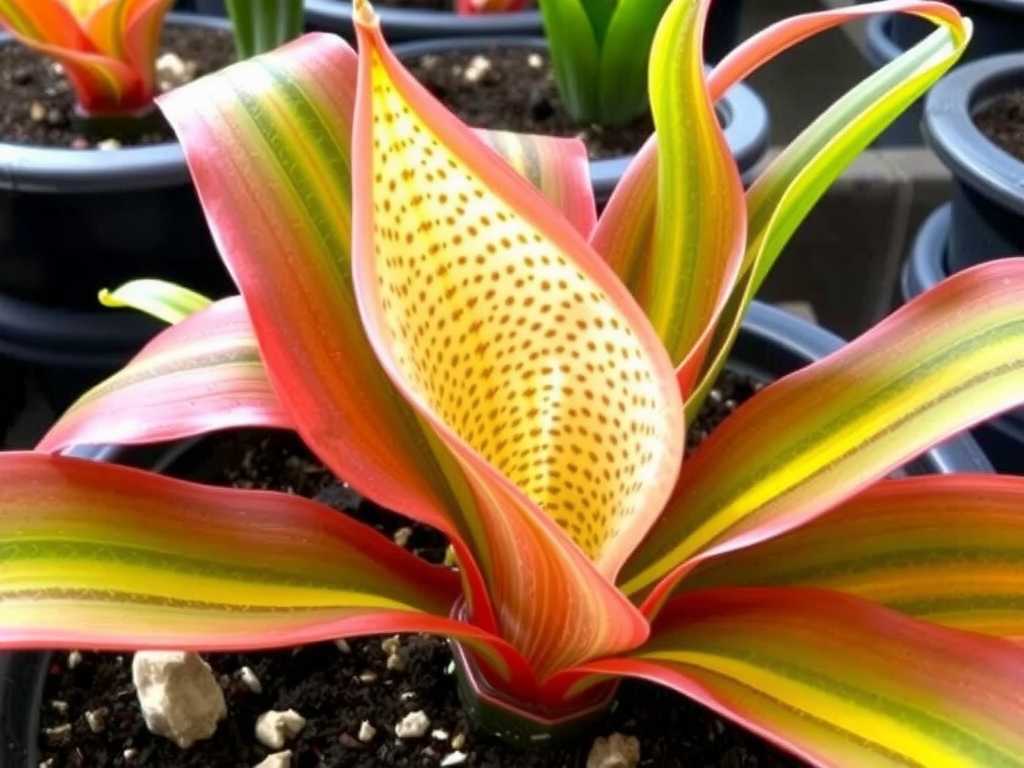
Before we dive into the tips, it’s crucial to understand why these rules exist. Sarracenia are native to the nutrient-poor, sunny, and perpetually damp bogs of North America. Their spectacular pitchers evolved specifically to catch insects and compensate for the lack of nutrients in the soil. Every care guideline stems from this simple ecological fact. As the Royal Horticultural Society (RHS) notes, attempting to grow them like conventional plants is the most common cause of failure. With that mindset, let’s build their perfect environment.
Tip 1: Master the Watering Ritual – It’s All About Consistency
This is the single most important factor. Sarracenia despise drying out, but they also cannot sit in stagnant, non-circulating water long-term.
- The Right Water: Never, ever use tap water. The minerals and chlorine will slowly poison your plant. I use only rainwater, distilled water, or reverse osmosis water. This was my first major pitfall. I used filtered tap water, assuming it was safe, and within two weeks, I observed a sharp increase in brown, crispy leaf tips and a general lack of vigor. Switching to collected rainwater was a game-changer.
- The Tray Method: The best technique is the “tray method.” Place your pot in a deep saucer or tray and keep 0.5 to 1 inch of water in it at all times. During the peak growing season (spring-fall), I check the tray every other day. In winter, I let the water level drop slightly and the top of the soil become barely damp before refilling, but I never let the tray go completely dry for more than a day.
- My Two-Week Observation: After correcting my water source, I monitored a recovering Sarracenia flava. For the first week, browning halted. By the end of the second week, I noticed a firmer texture in the existing pitchers and the emergence of a small, healthy new growth point from the rhizome. The consistency of pure water was clearly allowing the plant to recover.
Tip 2: Provide Maximum Sunlight – They Can Never Get Enough
Sarracenia are full-sun plants. Period. Insufficient light leads to weak, floppy pitchers that are pale in color.
- Ideal Exposure: Aim for a minimum of 6 hours of direct, unfiltered sunlight daily. More is better. My plants receive 8+ hours on a south-facing patio. When I first started, I kept a Sarracenia purpurea on a bright windowsill. It survived but produced small, green, poorly formed pitchers. Moving it outdoors for a two-week trial resulted in dramatically richer red venation and sturdier, upright growth.
- Supplementing with Grow Lights: If outdoor growing isn’t an option, invest in a powerful LED grow light. Place it 6-12 inches above the plant and run it for 12-14 hours a day. Look for lights with a high PAR output. I use a full-spectrum LED panel for my indoor overwintering setup, and it successfully maintains color and form.
- The Acclimatization Caveat: If moving a plant from indoors to full sun, do it gradually over a week to prevent sunburn. Start with morning sun only, increasing exposure daily.
Tip 3: Use the Correct Soil Mix and Pot
Standard potting soil is a death sentence. It contains fertilizers and retains too much moisture, leading to root rot.
- The Perfect Mix: A standard, successful Sarracenia soil mix is a 1:1 ratio of sphagnum peat moss and horticultural sand or perlite. The peat provides acidity and moisture retention, while the sand/perlite ensures sharp drainage and aeration. I always moisten the peat moss thoroughly before potting to ensure it absorbs water properly.
- Pot Selection: Use plastic or glazed ceramic pots with ample drainage holes. Avoid terracotta, as it leaches minerals and dries out too quickly. A pot that is 4-6 inches deep is sufficient for most young plants; they have relatively shallow root systems. Repotting is typically needed only every 2-3 years in early spring.
- A Lesson Learned: I once experimented by adding a bit of coconut coir to the mix. Over two weeks, I noticed the media stayed soggy for too long and a Sarracenia rubra developed a slight softness at the base of its pitchers. I immediately repotted into the standard peat/perlite mix, and the plant stabilized, confirming the need for impeccable drainage.
Tip 4: Embrace Dormancy – The Key to Longevity
This tip is what separates short-term survival from long-term Sarracenia care. They require a winter dormancy period of 3-4 months to rest and reset their growth cycle.
- What Happens: As daylight shortens and temperatures drop, your plant will stop producing new pitchers. Existing pitchers may brown and die back—this is normal! The plant’s energy retreats to the underground rhizome.
- How to Provide It: If you live in a region with mild winters (temps down to 20°F / -6°C), you can leave hardy varieties like Sarracenia purpurea and flava outdoors. They can handle frost and even a dusting of snow. For colder climates or more tender hybrids, an unheated garage, cold frame, or refrigerator method works. The goal is temperatures between 32°F (0°C) and 50°F (10°C) with reduced light.
- My Dormancy Experiment: I overwintered a division of Sarracenia leucophylla in the vegetable crisper of my fridge (potted, in a plastic bag with a few air holes) for 12 weeks. I checked every two weeks to ensure the soil was just barely damp. When brought back into warmth and light in March, it burst into growth with the most vibrant, large pitchers I’d ever seen from it. This rest period is absolutely vital for sustained health.
Tip 5: Feed with Knowledge, Not Fertilizer
These plants get their nutrients from insects. You should never apply traditional fertilizer to the soil or pitchers; it will burn their roots and kill them.
- Let Them Hunt: If grown outdoors, they will catch plenty of prey on their own. Indoors, you can occasionally feed them. I use rehydrated freeze-dried bloodworms (sold for fish) as a safe, simple method for feeding pitcher plants. Drop a few into an active pitcher every 2-4 weeks during the growing season. Do not overfeed; one insect per pitcher is plenty.
- What Not to Do: Never feed them meat, cheese, or human food. Only insects. Also, avoid triggering the pitchers unnecessarily. The digestive enzymes are a precious resource for the plant.
- Pitcher Lifespan: A single pitcher may last an entire season before browning. Only trim it off once it is completely brown and crispy, cutting it back to the base. Green tissue can still photosynthesize.
Addressing Your Top Concerns
Can I grow Sarracenia indoors year-round? While possible with intense grow lights, it is challenging and often denies them the proper dormancy period. This will weaken the plant over several years. For true long-term health of Sarracenia, a seasonal cycle is best. A sunny, sheltered outdoor spot, balcony, or windowsill is ideal for the growing season, with a cool rest period in winter.
Why are my new pitchers turning brown before they open? This is most commonly due to either a sudden change in humidity (like moving from a humid nursery to dry air) or, more critically, using mineral-rich water. Ensure your water source is pure and try to acclimate new plants slowly to your environment. Physical damage or low light can also cause this.
How do I deal with pests like aphids or scale? While carnivorous, they can still be attacked by sap-sucking pests. Never use standard insecticidal soaps, as they can damage the plant. I physically remove aphids with a soft brush or a strong jet of pure water. For scale, dab individual insects with a cotton swab dipped in isopropyl alcohol. Isolate the affected plant immediately.
Success with Sarracenia is deeply rewarding. It’s a partnership where you provide the foundational elements—pure water, blinding sun, acidic soil, a winter chill, and the occasional insect—and they respond with architectural beauty and fascinating biology. By moving beyond basic care and committing to these five long-term strategies, you’re not just keeping a plant alive; you’re cultivating a resilient, thriving piece of a wild ecosystem right in your own space. Start with the water and light, respect their need for rest, and watch your pitcher plants flourish for seasons to come.