bluename
 How to Fix Sarracenia Yellow Leaves: 5 Common Causes & Solutions
There’s nothing more disheartening for a carnivorous plant enthusiast than watching a vibrant Sarracenia pitcher plant start to turn yellow. I’ve been there, staring at my once-majestic Sarracenia flava with a sinking feeling, wondering where I went wrong. If you’re searching for “how to fix Sarracenia yellow leaves,” you’ve likely felt that same panic. The good news is that yellowing is almost always a cry for help, a clear signal from your plant about its growing conditions. Over years of cultivating these fascinating bog dwellers, I’ve learned that diagnosing the specific cause is 90% of the battle. In this guide, I’ll walk you through the five most common reasons for yellowing Sarracenia leaves, based on my own hands-on experience—including the mistakes I’ve made and the solutions that brought my plants back to health. We’ll move beyond generic advice and into actionable steps you can take today.
Understanding the Natural Lifecycle First
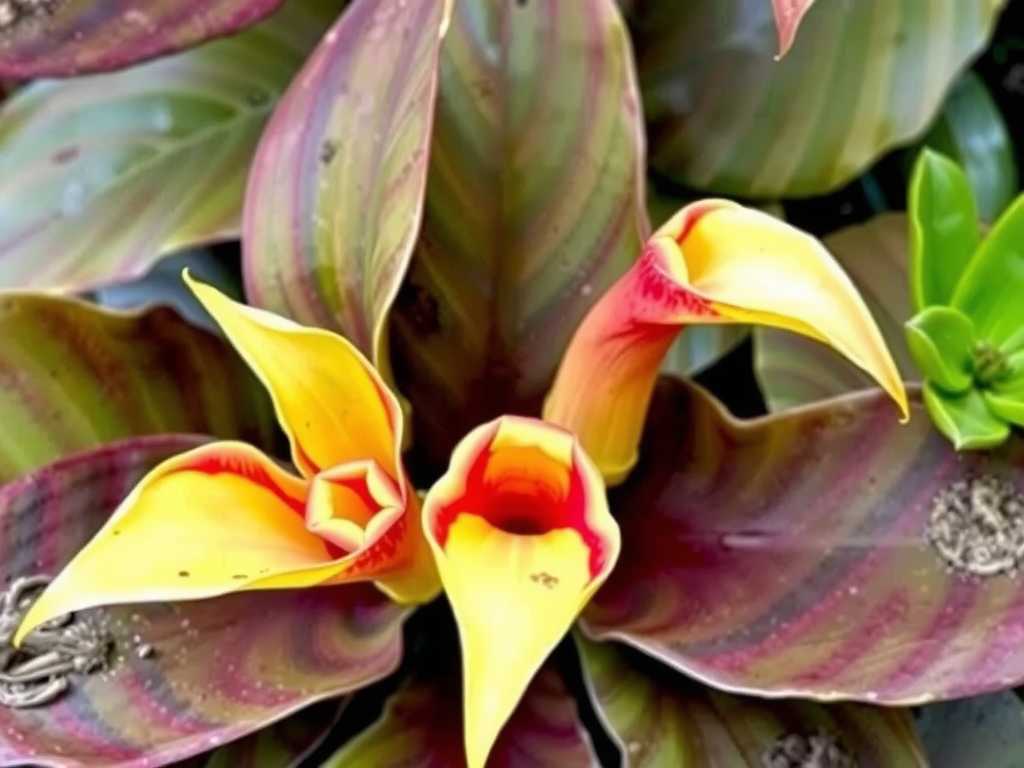
Before we dive into problems, a crucial disclaimer: some yellowing is perfectly normal. Individual pitchers, especially the oldest ones, will naturally senesce, turn brown, and die back, particularly as seasons change or before a new growth spurt. The concern is when multiple pitchers, especially new growth, exhibit widespread or rapid yellowing. That’s our signal to investigate.
Cause 1: Incorrect Water – The Silent Killer
This is, without a doubt, the number one culprit I’ve encountered. Sarracenia are bog plants, meaning their roots have evolved in perpetually wet, low-nutrient, and acidic conditions. They are incredibly sensitive to dissolved minerals and chemicals found in most tap water.
- The Problem: Using tap, bottled, or filtered water introduces salts, chlorine, fluoride, and minerals (like calcium and magnesium). These accumulate in the soil, essentially “poisoning” the roots and blocking their ability to absorb nutrients and water, leading to yellowing, stunted growth, and eventual death. The Sarracenia Society of Great Britain (SSGB) and other expert bodies like the International Carnivorous Plant Society (ICPS) consistently rank improper water as the leading cause of cultivation failure.
- My Personal Mistake: When I first started, I used filtered pitcher water, assuming it was pure enough. Within a month, my Sarracenia purpurea developed yellow tips that spread down the pitchers. A white crust even formed on the soil surface—a telltale sign of mineral buildup.
- The Solution & My 2-Week Observation:
- Switch Water Immediately: The only safe options are rainwater, distilled water, or reverse osmosis (RO) water. I invested in a simple rainwater barrel and a few gallons of distilled water from the grocery store as a backup.
- Flush the Pot: To remove existing mineral deposits, I placed the pot in a deep saucer and repeatedly flooded it with distilled water, letting it drain thoroughly several times. This leaches out the accumulated salts.
- The Tray Method: I adopted the standard “tray method” for watering Sarracenia. I keep the pot sitting in 0.5 to 1 inch of pure water at all times, especially during the active growing season. I let the tray dry out for a day or two before refilling, which prevents stagnation.
- Results: Within a week, the progression of yellowing on my purpurea completely halted. By the end of the second week, the remaining green tissue looked healthier, and I could see a tiny new, green growth point emerging from the rhizome. It was a clear turnaround.
Cause 2: Light Starvation – They Crave Sun
Sarracenia are full-sun plants. In their native habitats, they thrive in open, sunny bogs with virtually no shade. Insufficient light weakens the plant, reducing its ability to photosynthesize and produce the energy needed to maintain those tall, colorful pitchers.
- The Problem: A light-starved Sarracenia becomes etiolated—producing weak, elongated, often entirely green pitchers that may flop over and turn yellow prematurely. It loses its vibrant red and purple venation.
- My Experience: I once tried growing a Sarracenia psittacina on a bright, but north-facing windowsill. It survived but never thrived. The pitchers were small, lime-green, and several turned yellow and soft within weeks.
- The Fix & Observation:
- Provide Maximum Sunlight: I moved all my Sarracenia outdoors for the growing season. They now receive a minimum of 6 hours of direct, unfiltered sunlight daily. A south-facing location is ideal. If you must grow indoors, an exceptionally powerful grow light (like a full-spectrum LED panel) placed 6-12 inches above the plant for 12-14 hours a day is the absolute minimum.
- Acclimatize Gradually: If moving a plant from low to high light, do it over a week to prevent sunburn. I learned this the hard way, scorching a pitcher by making an abrupt move.
- Results: After moving my psittacina outside to a sunny spot, the change was dramatic. The new pitchers that emerged were shorter, sturdier, and developed the characteristic dark red hood and patterning. Existing pitchers stopped yellowing. The plant’s overall posture changed from languid to robust within a two-week period.
Cause 3: Nutrient-Polluted Soil or Fertilizer
Sarracenia have adapted to nutrient-poor soils. Their roots cannot handle the concentration of nutrients found in standard potting mixes or fertilizers.
- The Problem: Using regular potting soil, compost, or applying fertilizer directly to the soil or roots introduces excess nutrients. This causes root burn and severe stress, manifesting as sudden, widespread yellowing or browning. According to resources from the Atlanta Botanical Garden’s conservation program, fertilizing Sarracenia is generally unnecessary and risky.
- My Mistake: In an early attempt to “boost” a struggling plant, I applied a diluted liquid orchid fertilizer. The result was catastrophic—almost all pitchers yellowed and collapsed within 10 days.
- The Solution:
- Use the Right Medium: Repot immediately in a mix of 1:1 peat moss and perlite or peat moss and horticultural sand. Ensure the peat moss is unenriched and has no added fertilizers or wetting agents. I now pre-rinse my perlite with distilled water to remove dust.
- Never Fertilize the Soil: The only safe “fertilizer” is the insects they catch. If you must feed a plant grown indoors without access to bugs, you can place a max of one small, dead insect (like a dried fly) into a pitcher once a month during growth. Never pour anything into the soil.
- Recovery: After repotting my fertilized plant in fresh, correct medium and flushing with distilled water, all I could do was wait. The existing pitchers were lost, but the rhizome survived. A full month later, a single, small green shoot appeared. It was a lesson in patience.
Cause 4: Pest Infestations (Aphids & Thrips)
While generally hardy, Sarracenia can fall prey to sap-sucking insects that drain their energy.
- The Problem: Aphids love to cluster on new growth and flower buds. Thrips rasp at the surface of pitchers. Both cause distorted, stunted, and yellowed growth. You might see tiny insects or a sticky residue (honeydew).
- My Encounter: One spring, I noticed the new pitchers on my Sarracenia leucophylla were twisted and covered in a shiny film. A closer look revealed a colony of green aphids.
- My Treatment Process:
- Physical Removal: I used a strong jet of distilled water from a spray bottle to dislodge the majority.
- Insecticidal Soap: For persistent problems, I use a ready-to-use insecticidal soap spray, but I apply it carefully with a cotton swab directly onto the pests, avoiding the soil. I never spray the whole plant, as it can clog the pitchers.
- Systemic? No: I avoid systemic insecticides, as their chemicals circulate within the plant, which goes against the very nature of a carnivorous plant’s physiology.
- Outcome: After two treatments spaced a week apart, the aphids were gone. The subsequent new pitchers grew straight and healthy, without yellowing.
Cause 5: Dormancy Disruption
Sarracenia require a cool, winter dormancy period of 3-4 months to rest and reset their growth cycle. Denying them this can lead to a weakened, exhausted plant that yellows and fails to thrive in the long run.
- The Problem: Keeping the plant warm and actively growing year-round depletes its energy reserves. You’ll see a general decline, lack of vigor, and pitchers that yellow quickly without being replaced by strong new growth.
- My Learning Curve: I brought my first Sarracenia indoors for a cozy winter. It continued putting out feeble, pale pitchers that promptly died.
- The Correct Protocol:
- Trigger Dormancy: In late autumn, as daylight wanes and temperatures drop, I move my plants to an unheated garage or cold frame where temperatures stay between 2°C to 10°C (35°F to 50°F).
- Reduce Water: I lower the water level in the tray, just keeping the soil damp but not soggy.
- Accept Die-Back: The pitchers will gradually turn brown and die back. I trim these off only when they are fully brown. The rhizome underground is alive and resting.
- The Reward: After providing a proper dormancy, the spring resurgence is incredible. The first new pitchers of the season are the strongest and most colorful I see all year, with no unexplained yellowing.
Frequently Asked Questions
Can I save a completely yellow pitcher? No, once a pitcher has turned fully yellow or brown, that tissue is dead and will not recover. Your focus should be on correcting the underlying condition to save the rhizome and ensure the next pitcher it produces is healthy. Trim away dead pitchers to keep the plant tidy and prevent mold.
Is it okay to use melted snow or ice for watering? Yes, melted snow and ice are excellent sources of pure water, equivalent to rainwater. Just ensure you collect it cleanly. This is a fantastic tip for growers in colder climates to supplement their water supply.
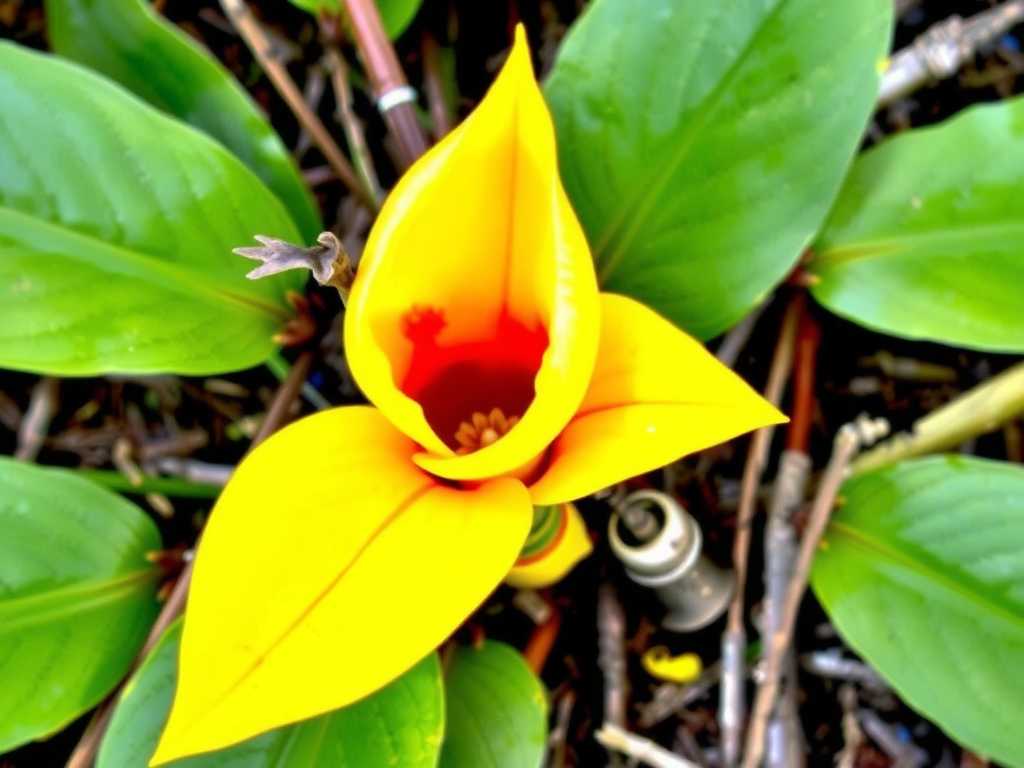
How often should I repot my Sarracenia? I repot my Sarracenia every 2-3 years, ideally in late winter just before new growth emerges from dormancy. This refreshes the acidic medium, prevents compaction, and gives you a chance to divide overgrown clumps. Always use the recommended peat-perlite mix and a tall, drainage-less pot.
Diagnosing yellow leaves on your Sarracenia is a process of careful observation and elimination. Start by scrutinizing your water source and light levels—these are the most common levers. Remember the journey of my Sarracenia flava? By switching to distilled water, giving it a full-sun outdoor spot, and repotting it into fresh, nutrient-free medium, it staged a remarkable comeback. That season, it produced its tallest, most golden-yellow pitchers yet. Pay attention to your plant’s signals, be patient with its recovery, and you’ll be rewarded with a stunning, healthy carnivorous specimen that’s as fascinating as it is beautiful.