bluename
 How to Fix Sarracenia Root Rot: 4 Effective Treatment Tips
I’ll never forget the sinking feeling of pulling my prized Sarracenia ‘Judith Hindle’ from its pot. Instead of the firm, white roots I expected, I was met with a mushy, dark-brown mess and that unmistakably sour smell. Root rot had struck. If you’re reading this, you likely know that panic all too well. These carnivorous beauties are resilient in many ways, but their roots are surprisingly vulnerable. The good news? With swift, correct action, you can save your plant. I’ve battled this issue more than once and have developed a reliable, step-by-step recovery protocol based on my own trials, errors, and consultations with expert growers.
Understanding the enemy is the first step. Sarracenia root rot is primarily caused by waterlogged, oxygen-deprived soil and fungal pathogens like Pythium or Rhizoctonia that thrive in those conditions. It’s rarely just “overwatering” in the simple sense; it’s often about an inappropriate medium that retains too much water or a pot without proper drainage. The American Sarracenia Conservancy (ASC) emphasizes that while Sarracenia naturally grow in wet bogs, their root zones are constantly flushed with cool, aerated, and low-nutrient water—a condition very different from stagnant, warm water in a pot.
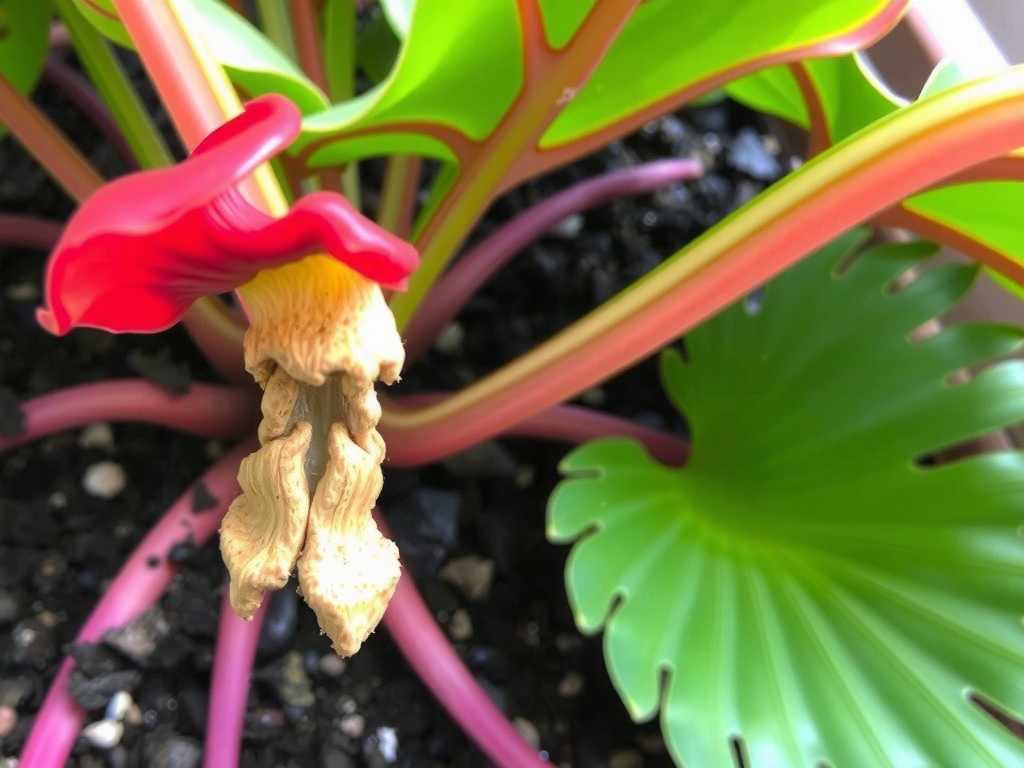
Here are the four treatment tips that brought my plants back from the brink.
Immediate Isolation and Assessment
The moment you suspect root rot, quarantine the plant. This prevents potential pathogens from spreading to your healthy collection. Gently remove the plant from its pot and wash all the old medium away under a gentle stream of lukewarm, purified water (rain, distilled, or reverse osmosis water is essential). This is where the real diagnosis happens.
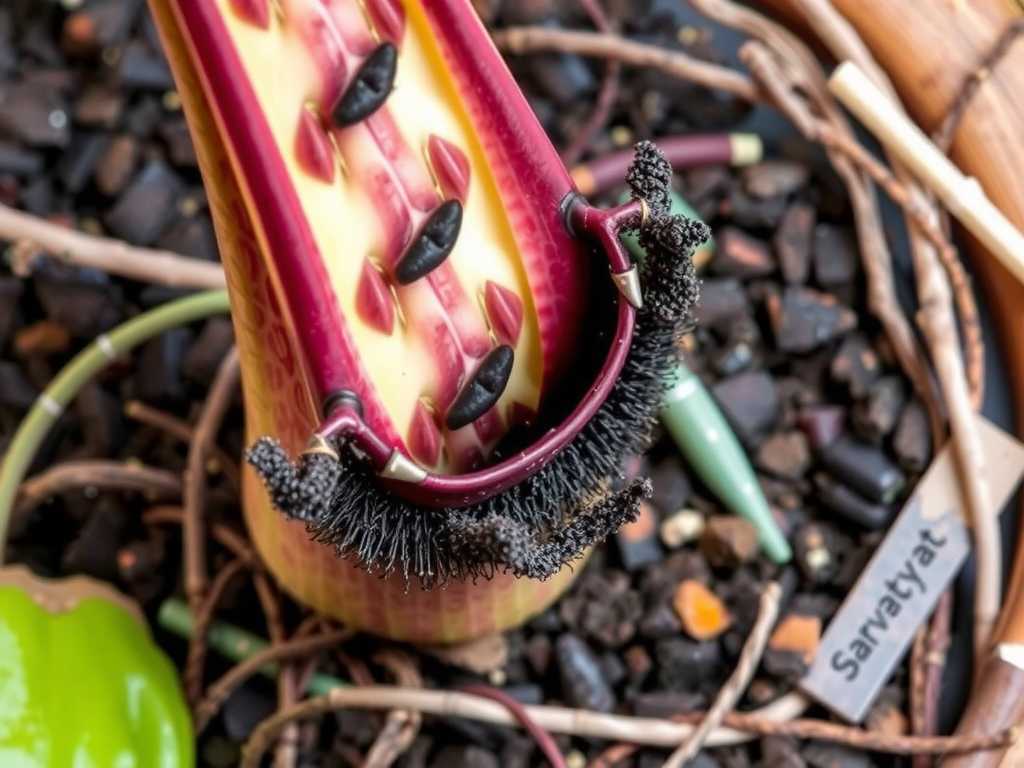
Examine the rhizome and roots closely. Healthy Sarracenia roots are firm and light-colored. The rhizome should be solid, like a crisp apple. Rotted parts will be soft, brown to black, and often slimy, collapsing under gentle pressure. The smell is a dead giveaway. In my case with ‘Judith Hindle’, the outer roots were completely gone, and the rot had started to create a soft, dark patch on one side of the rhizome. Don’t despair if things look bad; Sarracenia can regenerate from surprisingly small, healthy portions of rhizome.
Surgical Removal of All Rotted Tissue
This is the most critical step, and it requires a bit of nerve. Using a sharp, sterilized blade (I wipe mine down with isopropyl alcohol), carefully cut away every bit of soft, discolored tissue. You must cut back until you reach only firm, white or cream-colored flesh. Any rot left behind will continue to spread. It’s better to be aggressive here.
I learned this the hard way. In my first attempt, I was too conservative, leaving a slightly questionable brown spot “just in case.” Within a week, the rot had advanced even further. The second time, I cut back relentlessly until the cross-section was completely clean. It felt drastic, but it saved the plant. After cutting, I dusted the fresh wounds lightly with powdered sulfur or cinnamon (a common, mild antifungal used by many hobbyists) to help dry and protect the surfaces. Let the rhizome air-dry for a few hours in a shaded, airy spot; this further helps callus the cuts.
The Fresh Start: Sterile Medium and Pot
Never, ever replant a recovered rhizome into old soil or even a dirty pot. All previous medium must be discarded. I thoroughly scrub the pot with a 10% bleach solution, rinse it excessively with purified water, and let it dry. Some growers even use brand-new pots for high-security cases.
The choice of medium is paramount for recovery. Your standard peat-perlite mix might need adjustment. I now use a much more open, airy mix for rehab plants. My go-to formula is a long-fiber sphagnum moss (LFSM) and perlite blend, at about a 50:50 ratio. The long fibers create excellent air pockets, and the perlite ensures supreme drainage. The ASC notes that pure live sphagnum moss can also be an excellent healing medium due to its natural antiseptic properties. Fill the clean pot and make a slight depression in the center for the rhizome.
Strategic Repotting and Recovery Care
Place the treated rhizome on the surface of the new medium, gently settling it in. Do not bury it deeply. The growth points (buds) should be just at or above the surface. I sometimes use a few strands of LFSM to lightly anchor it, but the key is to avoid compaction. Water it thoroughly from the top initially with your purified water to settle the medium, then place the pot in a saucer. Here’s the crucial adjustment: during recovery, I practice the “tray method” more carefully. I add a shallow amount of water to the saucer (about 0.5 inches) and let it dry out completely before refilling. This creates a cycle of moisture and aeration that mimics healthier conditions and discourages fungal return.
Place the plant in very bright, indirect light initially. Avoid direct, scorching sun while it has no roots to support transpiration. High humidity (using a clear plastic bag or dome tented over the pot for the first week or two) can reduce stress, but ensure there is some air circulation to prevent mold.
My Two-Week Observation and Adjustment Period
The following two weeks are a tense but observant time. You will not see above-ground growth. The plant’s entire energy is focused below.
- Week 1: My goal was simply survival. The rhizome of ‘Judith Hindle’ looked unchanged—firm and clean. No new signs of mush or smell. The medium surface dried slightly between waterings. This was a good sign.
- Week 2: By the end of the second week, I noticed the first sign of hope: tiny, nub-like root initials emerging from the bottom of the cleanly cut rhizome. They were bright white and firm. This confirmed the surgery was successful and the plant had switched from defense to regeneration mode. At this point, I began to introduce it to slightly longer periods of gentle morning sun.
Patience is non-negotiable. It can take a full growing season for a plant to fully recover its former glory. Resist the urge to fertilize or feed it; Sarracenia derive minimal nutrients from their roots and any fertilizer is lethal. Its energy comes from photosynthesis, so ensuring good light once roots are established is the best “food.”
What are the first visual signs of Sarracenia root rot? Often, the first clues are above ground: a sudden halt in growth, pitchers becoming limp or discolored from the base upwards (not just natural autumn die-back), and a general, wilted appearance despite wet soil. When gently tugged, an affected plant may offer little to no resistance, as the anchoring roots have decayed.
Can I use regular potting soil or compost to repot after treating rot? Absolutely not. This is a guaranteed death sentence. Sarracenia require low-nutrient, acidic, and well-aerated media. Regular potting soil is rich in minerals and fertilizers that will burn the delicate new roots and promote further rot. Always use a mix of peat moss and/or long-fiber sphagnum moss with perlite or horticultural sand.
Is it possible to save a Sarracenia if the entire rhizome is soft? If the entire central rhizome is soft and mushy, the prognosis is poor. However, if there are still firm, green growth points (even small ones) on the outer edges, you can attempt to cut them away as individual sections with a sterile blade, ensuring each has some hard rhizome tissue attached, and treat them as separate plants. This is a last-resort propagation effort.
Watching a Sarracenia overcome root rot is a profound lesson in plant resilience. The process hinges on decisive action, a sterile environment, and a patient shift in care routines. My ‘Judith Hindle’ now produces vibrant pitchers again, a daily reminder that even the most daunting plant crises have solutions rooted in understanding and replicating their natural needs. By acting as a careful surgeon and a mindful gardener, you can turn that moment of panic into a story of successful recovery.