bluename
 How to Fix Sarracenia Wilting: 6 Revival Tricks for Droopy Plants
There’s nothing more disheartening for a carnivorous plant enthusiast than watching a once-vibrant Sarracenia begin to wilt. Its tall, elegant pitchers, which should stand proud like sentinels, start to droop, soften, and lose their color. I’ve been there, staring at a sad-looking Northern Pitcher Plant, feeling a mix of worry and guilt. Was it something I did? Is it dying? If you’re searching for answers to “Sarracenia wilting,” you’ve likely hit that same moment of panic. The good news is that wilting is often a dramatic cry for help, not a death sentence. Over years of cultivating these fascinating bog dwellers, I’ve learned that revival is almost always possible if you act correctly and promptly. In this guide, I’ll walk you through the six most effective tricks I’ve used to bring droopy Sarracenia back from the brink, sharing my personal two-week revival logs, the mistakes I made along the way, and the solutions that finally worked.
Understanding Why Your Sarracenia is Wilting
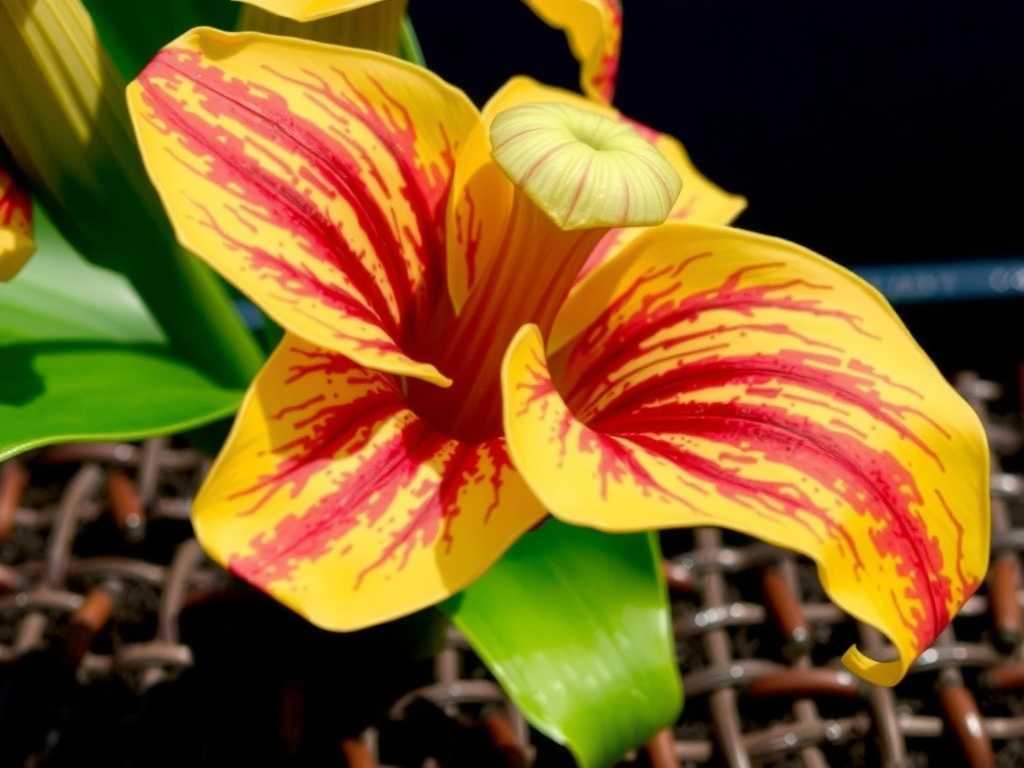
Before we jump into the fixes, it’s crucial to play plant detective. Wilting is a symptom, not the disease itself. The Sarracenia Society, a leading authority on these plants, consistently emphasizes that improper growing conditions are the root cause of most health issues. My own experience aligns perfectly with this. A wilting pitcher plant is almost always telling you one of three things: it’s desperately thirsty, it’s suffocating in stale conditions, or it’s being poisoned from the roots up. Let’s break down the usual suspects so you can start diagnosing your plant’s specific plea for help.
The Usual Suspects: Water, Light, and Soil The holy trinity for Sarracenia health is water quality, light intensity, and soil medium. Get one wrong, and wilting is a common consequence. I learned this the hard way with my first Sarracenia purpurea. I used tap water, thinking a little chlorine wouldn’t hurt. Within two weeks, the pitchers became limp and the growth stalled. The dissolved minerals in tap water were slowly accumulating in the soil, burning the delicate roots and preventing them from taking up water effectively—a classic case of “water, water everywhere, nor any drop to drink.” Similarly, insufficient light forces the plant to stretch weakly, resulting in floppy, poorly supported pitchers. And heavy, nutrient-rich soil will rot the rhizome faster than you can say “compost.”
Trick 1: The Emergency Hydration Soak
When I encounter a severely wilted Sarracenia, my first move is always an emergency soak. This isn’t standard watering; it’s an intensive rehydration therapy.
My Step-by-Step Process:
- I prepare a large basin or tray with distilled water, rainwater, or reverse osmosis water. The water level should be high enough to submerge the pot up to its rim.
- I gently place the entire pot in the water. You’ll see air bubbles escaping—this is the dry peat moss slowly rehydrating.
- I let it soak for a full 30 to 60 minutes. For a plant in a very porous mix, the medium can become hydrophobic when dry, and this long soak is the only way to break that surface tension.
- After soaking, I remove the pot and let it drain thoroughly. I then place it in its permanent water tray, ensuring the tray has about an inch of the same pure water.
The 2-Week Observation: I performed this on a wilted Sarracenia flava that had dried out during a heatwave. After the initial soak, the pitchers were still droopy. However, within 48 hours, I noticed a definite firmness returning to the rhizome and the newest, smallest pitchers beginning to perk up. The older, severely wilted pitchers did not recover—this is normal. The goal is to save the plant, not every single leaf. By the end of two weeks, the plant had stopped further wilting and was showing signs of new growth from the base. The key takeaway? This trick halts the crisis, giving you time to implement the other long-term solutions.
Trick 2: The “Root and Rhizome Health Check”
Wilting above the soil is often a sign of trouble below. You must inspect the foundation of the plant. This feels scary, but it’s necessary.
How I Do It Safely: I carefully tip the plant out of its pot. I gently wash away the old soil from the roots and rhizome using distilled water. I’m looking for two things: firm, white or tan roots and a solid, healthy rhizome. A rotten rhizome will be mushy, black, and smell foul. If I find rot, I take a sterile knife and cut away all the soft, discolored tissue until I only see clean, white interior flesh. I then dust the cuts with sulfur powder or cinnamon (a natural fungicide) to protect them.
The Pitfall I Encountered: Once, I was too aggressive and removed over half of a rhizome, thinking I had to cut until it was “perfectly white.” I nearly killed the plant from shock. I’ve since learned from experts at the Carnivorous Plant Habitat Alliance (CPHA) that it’s better to be conservative. Remove only the obviously dead tissue, even if some discolored but firm material remains. The plant can often recover from that. After repotting in fresh, appropriate medium (a 50/50 peat moss and perlite mix is my standard), I keep the soil just moist (not waterlogged) for a week before returning to the tray method, reducing stress on the wounded plant.
Trick 3: The Immediate Light Audit and Relocation
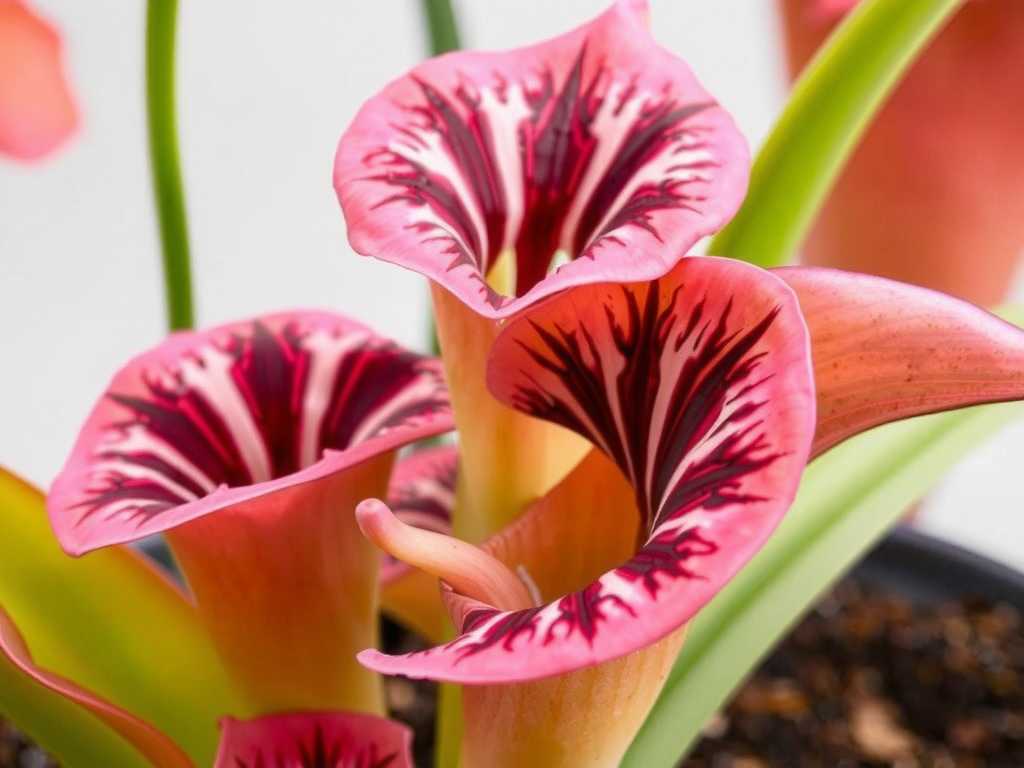
Sarracenia are full-sun plants. Period. Insufficient light leads to etiolated, weak growth that wilts under its own weight. An audit is simple.
My Action Plan: I observe the plant’s location for a full day. How many hours of direct, unfiltered sunlight does it get? If it’s less than 6, it’s not enough. For indoor growers, a south-facing window is mandatory. But after my own indoor failures, I invested in a strong LED grow light. I moved my ailing plant under a light that delivers at least 30 watts per square foot, running it for 14-16 hours a day.
The Result After 14 Days: The change was not immediate for existing pitchers, but the difference in new growth was staggering. Within two weeks, any new pitchers emerging were significantly stronger, thicker, and stood upright. They had a richer color and didn’t exhibit the same drooping tendency. This trick doesn’t reverse existing damage but ensures all future growth is robust and self-supporting. The American Horticultural Society’s Plant Heat-Zone Map considerations remind us that while Sarracenia need sun, in extreme heat (Zone 12), some afternoon shade can prevent scorching, but this rarely causes wilting—more often, it causes browning.
Trick 4: The Complete Soil Overhaul
If you’ve been using the wrong soil, nothing else will work long-term. Sarracenia require nutrient-poor, acidic, and airy media.
My Go-To Mix and Method: I use a simple, sterile mix of 1 part sphagnum peat moss (with no added fertilizers) and 1 part horticultural perlite or silica sand. I moisten the mix with distilled water before potting. I gently remove the plant from its old, contaminated soil, rinse the roots as in Trick 2, and plant it in the new mix. I top-dress with live sphagnum moss, which helps retain moisture and indicates good water quality.
Why This Works: This mix holds moisture but drains excellently, preventing root rot. It provides zero nutrients, which forces the plant to rely on its insect-catching prowess, promoting healthy pitcher development. The aeration allows oxygen to reach the roots, which is critical for energy production and water uptake. After a major soil overhaul for a chronically wilting hybrid, the plant’s turnaround took about 3 weeks, but the wilting stopped completely within the first 10 days as the roots established in their new, healthy environment.
Trick 5: Creating the Ideal Microclimate (Humidity & Airflow)
This is a balancing act. While Sarracenia don’t need jungle-level humidity, very dry air can stress them, especially while recovering. However, stagnant, humid air invites fungal diseases.
My Setup: I don’t use a humidity dome for mature plants, as it can weaken them. Instead, I employ the “tray method” for bottom-watering, which naturally evaporates and increases local humidity. For airflow, I ensure they are not crammed in a tight corner. A gentle breeze from an oscillating fan set on low, several feet away, is perfect. This mimics their natural bog environment and strengthens the pitchers.
The Mistake I Made: Early on, I misted my wilting plants daily, thinking the extra moisture would help. This is a terrible idea. Water sitting on the pitchers and crowns can promote rot and fungal spots, compounding the problem. I stopped misting entirely and focused on root zone hydration and ambient airflow. The plants became far more resilient.
Trick 6: The Strategic Feeding Assist for Energy Recovery
A severely stressed plant may not have the energy to produce its own digestive enzymes. While Sarracenia can catch their own food, a gentle assist can provide a crucial energy boost for recovery.
How I Carefully Feed a Weak Plant: I never force-feed a pitcher. I use small, recently dead (not chemically killed) insects like gnats or flies. I drop one small insect into one or two of the sturdiest younger pitchers. This is enough. Overfeeding a sick plant can rot the pitcher and add stress. The goal is to give it a small, easy-to-process nutrient packet to fuel root and new leaf growth.
Observation: On a plant that had stabilized after addressing water and light but was still sluggish, I tried this. Within a week of that small feeding, I observed a noticeable surge in the speed of new pitcher development. It gave the plant the extra push it needed to fully resume its own growth cycle.
What is the most common mistake that causes Sarracenia to wilt? Hands down, it’s using mineral-rich water like tap, spring, or bottled water. Sarracenia roots are incredibly sensitive to dissolved solids. This leads to root burn, which prevents water uptake, causing the plant to wilt despite wet soil. Switching to pure water is the single most important change you can make.
Can a completely brown and wilted pitcher recover? No, once a pitcher has turned fully brown and lost all firmness, it is dead and will not recover. Your focus should be on the plant’s central growth point (the rhizome) and any green, still-firm tissue. Prune the dead pitchers off to improve air circulation and appearance. Energy will be redirected to new growth.
How long does it take to see improvement after correcting the issues? You should see the progression of wilting stop within a few days of implementing the correct fix (especially water and light). New, healthy growth may take 2 to 4 weeks to appear. Patience is key. The plant needs time to repair its root system and generate new energy. Don’t try all the tricks at once; start with water, light, and soil, and observe systematically.
Reviving a wilting Sarracenia is a test of patience and observation. It requires setting aside assumptions and listening to what the plant is telling you through its symptoms. From my own journey—from the disappointment of that first limp purpurea to the success of nursing a prized leucophylla back to health—the process is deeply rewarding. It boils down to mastering the fundamentals: pure water, maximum light, and the right soil. By methodically applying these six revival tricks, you’re not just fixing a droopy plant; you’re creating an environment where your Sarracenia will not just survive, but thrive, producing those magnificent, upright pitchers that make all the effort worthwhile. Remember, the wilt is a message. Now you have the dictionary to translate it.