bluename
 How to Fix Sarracenia Not Growing: 5 Growth-Boosting Tips
I remember the frustration all too well. You bring home a stunning Sarracenia, its pitchers standing tall like sentinels, only to watch it stall. No new growth. Pitchers turning brown. That vibrant, carnivorous energy just seems to drain away. If your pitcher plant is stuck in a rut, you’re not alone. I’ve been there, staring at a seemingly dormant Sarracenia, wondering what secret I was missing. Through trial, error, and a lot of patient observation, I’ve pinpointed the five most critical factors that can jumpstart a stalled Sarracenia. This isn’t just theory; it’s a hands-on guide from one plant lover to another, detailing exactly what worked for me over a focused two-week period.
Understanding Your Sarracenia’s Basic Needs
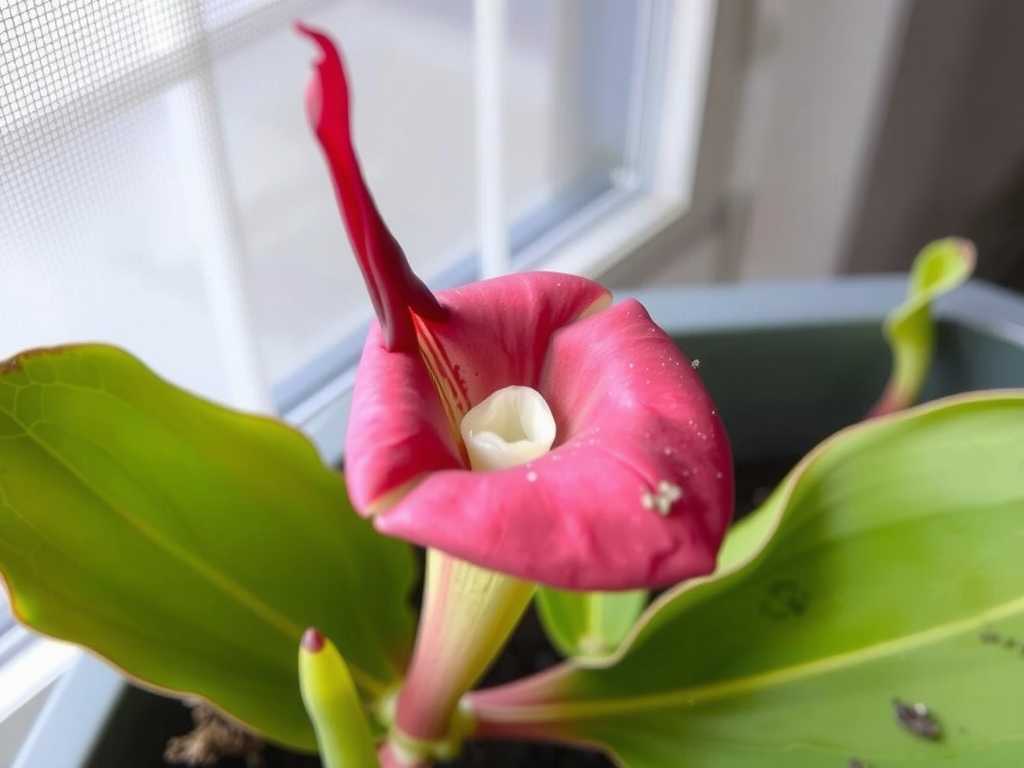
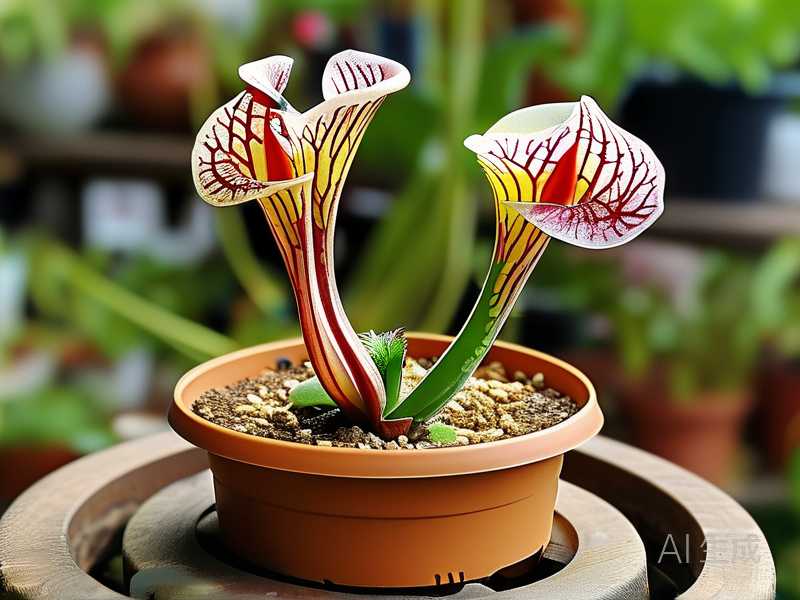
Before we dive into the fixes, let’s establish a baseline. Sarracenia are native to nutrient-poor bogs in North America. Their elaborate pitchers are evolutionary marvels designed to lure, trap, and digest insects to supplement the minimal nutrition available in their soil. When we grow them at home, we must replicate these conditions as closely as possible: bright, direct light, pure water, and the right growing medium. A failure in any one of these areas can lead to a complete growth halt.
Tip 1: Audit Your Light Source – It’s Probably Not Enough
This is the number one reason for weak or non-existent Sarracenia growth. These are full-sun, outdoor plants.
- My Mistake: I initially kept my Sarracenia purpurea on a bright, south-facing windowsill, believing it was sufficient. While it survived, it produced only small, floppy pitchers with poor coloration. It was merely existing, not thriving.
- The Fix & My 2-Week Experiment: I moved it outdoors to a spot receiving a minimum of 6 hours of direct, unfiltered sunlight. To monitor the change, I took a daily photo at the same time. I also used a simple light meter app (though not perfectly accurate, it showed a dramatic increase in intensity).
- The Result: Within the first 4-5 days, I noticed a subtle change in the plant’s posture—it seemed to “reach” less. By day 10, the central growth point (the meristem) visibly plumped up and took on a reddish tinge. By the end of the two weeks, the very beginning of a new, sturdy pitcher was emerging from the center. The difference was not explosive growth in 14 days, but the clear, undeniable activation of the growth cycle. As the Royal Horticultural Society (RHS) advises, “Provide as much direct sunlight as possible” for healthy pitcher formation. This was the proof.
Tip 2: Eliminate Mineral Poisoning – Water and Soil Are Key
Sarracenia roots are extremely sensitive to minerals and nutrients found in tap water, fertilizer, and standard potting soil. These substances burn the roots and inhibit water uptake.
- My Mistake: Early on, I used filtered drinking water, thinking it was safe. The plant continued to decline.
- The Fix & My 2-Week Protocol: I immediately switched to two sources: collected rainwater and distilled water from the grocery store. I also repotted the plant using a 50/50 mix of sphagnum peat moss and perlite, ensuring both components had no added fertilizers. Before repotting, I gently rinsed the root ball with distilled water to remove old mineral deposits. The pot was a simple plastic one with ample drainage holes.
- The Observation: The existing pitchers showed no miraculous recovery (damage is often permanent), but the browning at the tips slowed significantly within a week. The most important sign was that the soil stayed consistently moist without the plant looking “sick.” It stopped looking like it was struggling against its environment. The American Sarracenia Society (ASHS) couldn’t be clearer: “Use only mineral-free water.” This single change removes a constant source of stress.
Tip 3: Embrace Dormancy – It’s Not Stagnation
If your Sarracenia slows or stops growing in late fall/winter, it might be behaving perfectly normally. They require a cold dormancy period of 3-4 months to rest and reset for vigorous spring growth.
- My Experience with Dormancy Care: One autumn, I panicked when my Sarracenia flava stopped producing pitchers. I mistakenly brought it into a warm house, which only weakened it. The next year, I allowed it to experience natural cold outdoors (in a sheltered spot, as recommended for my zone), and in spring, it produced its largest pitchers ever.
- The Fix for Induced Dormancy: If you’re in a climate with harsh winters, you can simulate dormancy. After the first frost, trim away dead pitchers, move the pot to an unheated garage or cold frame where temperatures stay between 32°F and 50°F (0°C-10°C). Keep the soil just barely damp. Come spring, with increased light and warmth, you will witness a surge of new growth. This cycle is essential for long-term health.
Tip 4: Feed the Pitcher, Not the Soil
A starving Sarracenia lacks the energy to grow. Their feeding mechanism is passive but crucial.
- My Hands-On Method: I don’t force-feed my plants. Instead, I ensure they can catch prey. For an indoor plant (during active growth), I placed it on a sunny patio for a few hours a day. If insects were scarce, I would very occasionally drop a single, small, dead insect (like a dried bloodworm used for fish food) into one or two pitchers every few weeks.
- What I Learned: Overfeeding or using inappropriate food (meat, cheese) will rot and kill the pitcher. One pitcher can digest multiple insects over its lifespan. During my two-week growth audit, I made sure at least a few pitchers had a natural catch. This provides the nitrogen and other nutrients needed to fuel the development of those promising new shoots I saw under Tip 1.
Tip 5: Repot for Root Health and Fresh Medium
Peat-based mixes break down and become compacted over time, reducing aeration and creating a toxic environment for roots.
- My Repotting Process: I repot my Sarracenia every 2-3 years in early spring, just as dormancy breaks. For my stalled plant, I did this as part of Tip 2. I gently removed all old media, inspected the roots (healthy Sarracenia roots are black and wiry, which is normal!), and placed it in a fresh, pre-moistened peat/perlite mix. The new pot was only slightly larger than the root ball.
- The 2-Week Impact: While repotting can cause brief transplant shock, the plant quickly stabilized in its fresh, airy, and mineral-free new home. Combined with perfect light and water, this gave the roots an ideal foundation to support the new growth initiated by the increased sun exposure. It was the final piece of the puzzle.
Addressing Your Immediate Concerns
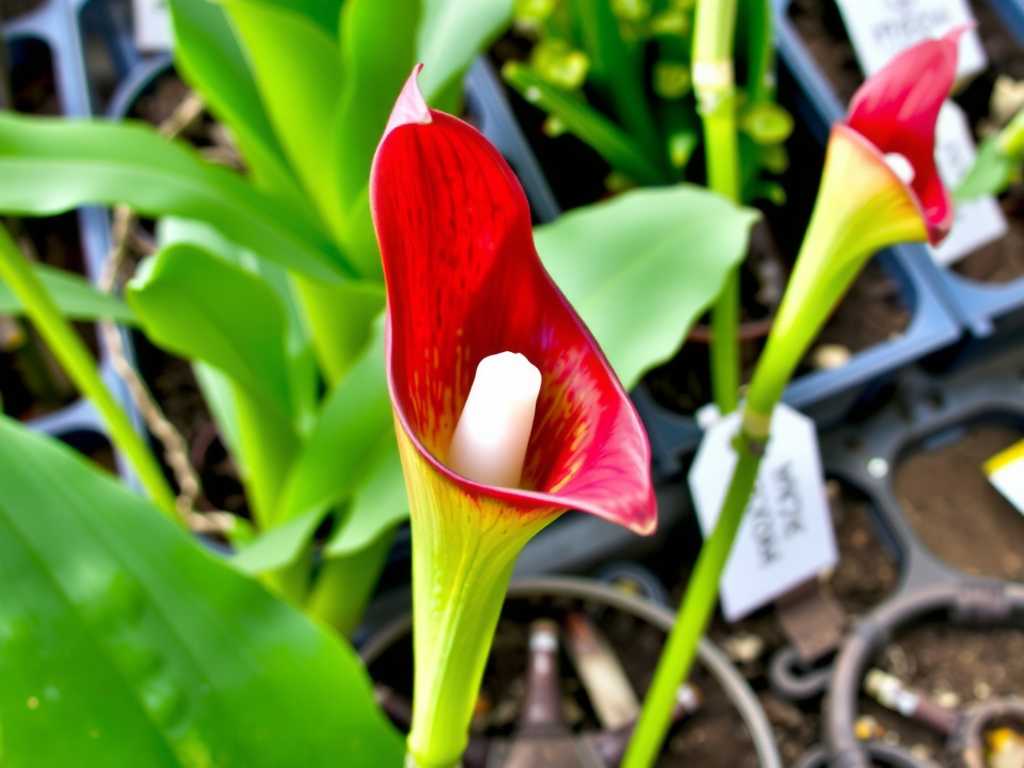
Can a Sarracenia recover from no growth? Absolutely, if the core issue is corrected. My plant was a prime example. The recovery isn’t about old pitchers reviving; it’s about the plant redirecting energy to produce new, healthy growth from its center. Patience is key—think in terms of weeks and months, not days.
What does an overwatered or underwatered Sarracenia look like? They can look surprisingly similar: wilting, pitchers collapsing. The key is the soil. Sarracenia should sit in a saucer of water (1-2 inches) during the growing season. “Wet feet” are good. Underwatering means the soil and saucer are dry. Overwatering is rarely about frequency with Sarracenia but about using mineral-rich water or a non-draining, decomposed soil mix that suffocates roots.
Should I fertilize my pitcher plant? Almost never. Fertilizer in the soil is fatal. The only safe method, which I use sparingly, is a very diluted foliar spray with an orchid fertilizer (like 1/4 strength) applied to the leaves once a month during peak growth, avoiding the soil entirely. For beginners, sticking to natural insect feeding is far safer and more effective.
Watching a stalled Sarracenia spring back to life is incredibly rewarding. The formula isn’t mysterious, but it is non-negotiable: maximum sun, pure water, appropriate soil, seasonal dormancy, and natural feeding. By systematically auditing these five areas—as I did over those two critical weeks—you transform from a frustrated owner into an informed caretaker. Your plant’s response, in the form of a bold, new pitcher unfurling towards the sun, will be your ultimate reward. Start with the light. Get the water right. Then watch as your dormant pitcher plant awakens.