bluename
 How to Fix Sarracenia Not Flowering: 6 Bloom-Inducing Tricks
There’s a special kind of frustration that only a carnivorous plant enthusiast knows. You’ve provided the acidic soil, the distilled water, the full sun—your pitcher plant is producing a forest of magnificent, insect-trapping tubes, but year after year, the flower stalk remains a no-show. I’ve been there, staring at my thriving Sarracenia flava, wondering, “What more do you want from me?” If your Sarracenia is not flowering, you’re not alone. It’s a common hiccup that often boils down to a few subtle, overlooked needs. After years of trial, error, and patient observation, I’ve distilled the solution into six actionable, bloom-inducing tricks that finally coaxed my stubborn plants into a spectacular spring display.
Let me be clear: a non-flowering Sarracenia is almost always trying to tell you something about its care. Flowers are energetically expensive; the plant will only invest in reproduction when its core survival needs are not just met, but optimized. Over the past few seasons, I systematically applied these six principles, and the transformation wasn’t immediate magic—it was a deliberate, two-week-tuned process that set the stage for blooms. Here’s exactly what I did, what I got wrong, and how you can get it right.
1. The Non-Negotiable: Maximize Light Exposure
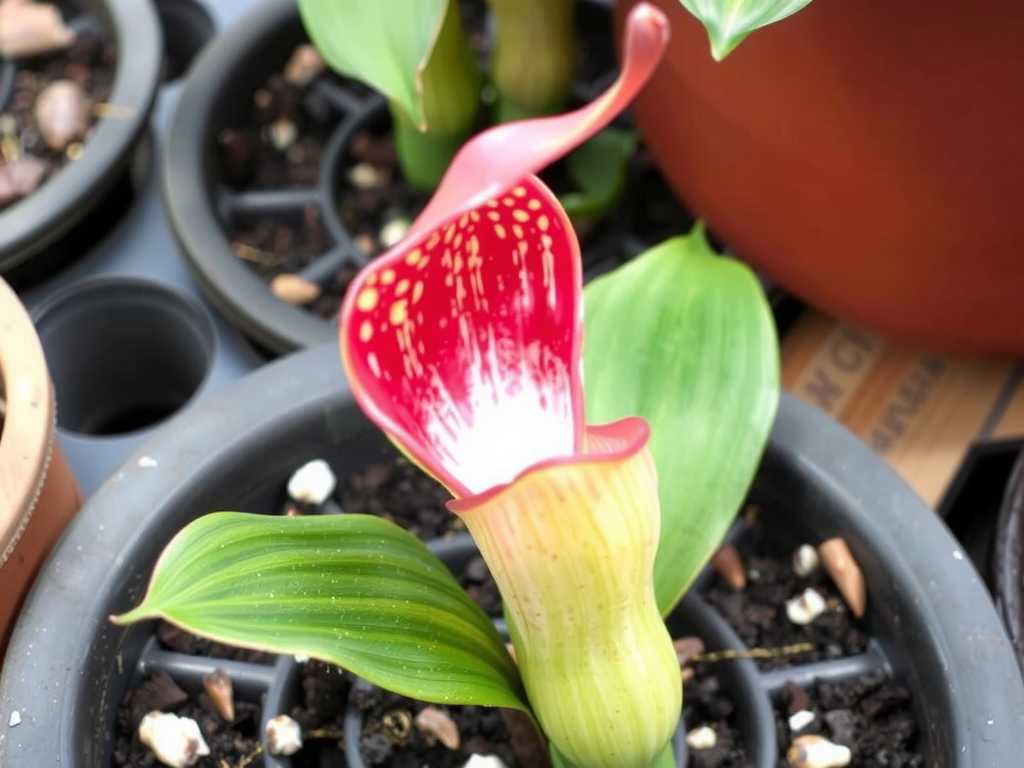
This is the number one reason for a Sarracenia failing to bloom. Think “full sun” means a bright windowsill or 4-6 hours of dappled light? That’s likely the core of the problem.
- My Step: I moved all my Sarracenia, including a particularly stubborn S. purpurea that hadn’t flowered in three years, to the absolute sunniest part of my garden. We’re talking a minimum of 8+ hours of direct, unfiltered sunlight. For indoor growers, this translates to a south-facing window or, better yet, a high-output grow light positioned 6-12 inches above the plant for 14-16 hours a day.
- The 2-Week Observation: Within the first week, I noticed a change in coloration. The pitchers developed deeper, more vibrant reds and purples—a sign of increased anthocyanin production, which is a direct response to intense light. By the end of the second week, the growth points (crowns) of the plants appeared plumper and more active. This wasn’t flower stalk emergence yet, but it was the crucial surge of photosynthetic energy needed to initiate it.
- The Pitfall & Fix: I initially worried about scorching. One exceptionally hot day, a few new pitcher tips browned. I learned that while mature plants crave and tolerate intense sun, newly forming pitchers can be sensitive during heatwaves. The fix wasn’t to reduce overall light but to ensure the soil media stayed consistently moist (not just damp) to aid evaporative cooling at the root zone.
2. Master the Dormancy Cycle: Your Secret Weapon for Flowers
Sarracenia require a cold, dormant winter rest to trigger flowering. Without it, they become exhausted and bloom-shy. The Royal Horticultural Society (RHS) emphasizes that a proper dormancy period is “essential for long-term health and flowering” in temperate carnivorous plants.
- My Step: I ensured my plants experienced 3-4 months of temperatures between 32°F (0°C) and 50°F (10°C). For my in-ground plants, this happened naturally. For potted specimens, I used an unheated garage with a window. I reduced watering, allowing the soil to be just damp, not soggy, to prevent rot.
- The 2-Week Observation: This trick’s effects are observed in spring. After bringing my potted plants out of dormancy into warm sun, I monitored them closely. The first visible growth after dormancy break is telling. Within two weeks of consistent warmth and light, I looked for the emergence of flat, sword-like leaves (phyllodia) or, crucially, thick, rounded growth points from the crown—these are the early signs of flower bud formation, distinct from the thinner, tubular pitcher buds.
- The Pitfall & Fix: One year, my garage got too cold (below 20°F/-6°C) for an extended period, and I lost a prized cultivar. The fix was to use a minimum-maximum thermometer. I now ensure the location stays within the safe range. A little frost is okay; a deep freeze is not.
3. Water Wisely: Not Just What, But How
We all know to use low-mineral water (rain, distilled, reverse osmosis). But the watering method can influence blooming.
- My Step: I switched from the “tray method” (keeping the pot permanently in standing water) to a “flood and drain” approach for most of the growing season, especially in spring. I would flood the tray deeply, let the plants absorb it for a day or two until the tray was nearly dry, then flood again. This creates slight moisture fluctuations that mimic natural conditions.
- The 2-Week Observation: This encouraged a denser, healthier root system. When I gently lifted a pot after two weeks of this cycle, I saw new white root tips at the drainage holes. A vigorous root system is directly linked to the plant’s ability to gather resources for flowering. The plants seemed more robust and less prone to the slight sogginess that can linger with constant standing water.
- The Pitfall & Fix: In peak summer heat, this method required daily attention, as the trays dried out too fast. The fix was to revert to the constant tray method during heatwaves to prevent fatal drying, then resume flood-and-drain when temperatures moderated.
4. Strategic Feeding vs. Neglect
Sarracenia catch their own food, but what if they don’t? A hungry plant may lack the nutrients to support a bloom.
- My Step: For indoor plants or those in sheltered greenhouses without insect access, I implemented a light, strategic feeding program in early spring as growth resumed. Once per month, I would drop 1-2 small, dead insects (like dried bloodworms or a fruit fly) into a few of the newer pitchers.
- The 2-Week Observation: The fed pitchers sealed up and digested the food, and the plant’s overall growth rate appeared slightly accelerated compared to unfed controls. The key is light feeding. This isn’t about fertilizing; it’s about supplementing natural prey to boost energy reserves.
- The Pitfall & Fix: Overfeeding is a disaster. I learned this the hard way by putting too large a insect in a pitcher, causing it to rot and die back, which stressed the whole plant. The fix is simple: never feed more than 1-2 small insects per pitcher, and only to a few pitchers on the plant. When in doubt, less is more. The American Sarracenia Society (ASHS) advises that healthy outdoor plants rarely need supplemental feeding.
5. Repot with Purpose and Timing
A root-bound Sarracenia or one languishing in depleted, decomposed media will struggle. Repotting can be a powerful bloom trigger.
- My Step: I repotted a large, congested Sarracenia leucophylla clump that hadn’t flowered in two years. I did this in very early spring, just as dormancy was breaking but before major new growth started. I used a fresh 50:50 mix of peat moss and perlite, with no fertilizers or additives.
- The 2-Week Observation: Post-repotting, the plant initially looked stressed (slight pitcher wilting). I kept it in slightly shadier conditions for one week. By the end of the second week, the wilting stopped, and the plant stabilized. The fresh media and room for root expansion provided a surge of accessible oxygen and space, relieving root competition. This shock-to-resources transition often signals the plant to invest in reproduction.
- The Pitfall & Fix: Repotting at the wrong time (mid-summer) can kill your plant. The fix is strict timing: early spring is best. Also, avoid breaking apart the rhizome unnecessarily. I simply moved the entire clump to a larger pot without dividing it, minimizing root disturbance.
6. Patience and Cultivar Knowledge
Some Sarracenia species and hybrids simply take longer to mature before they begin flowering. A young plant or a specific cultivar may have its own timeline.
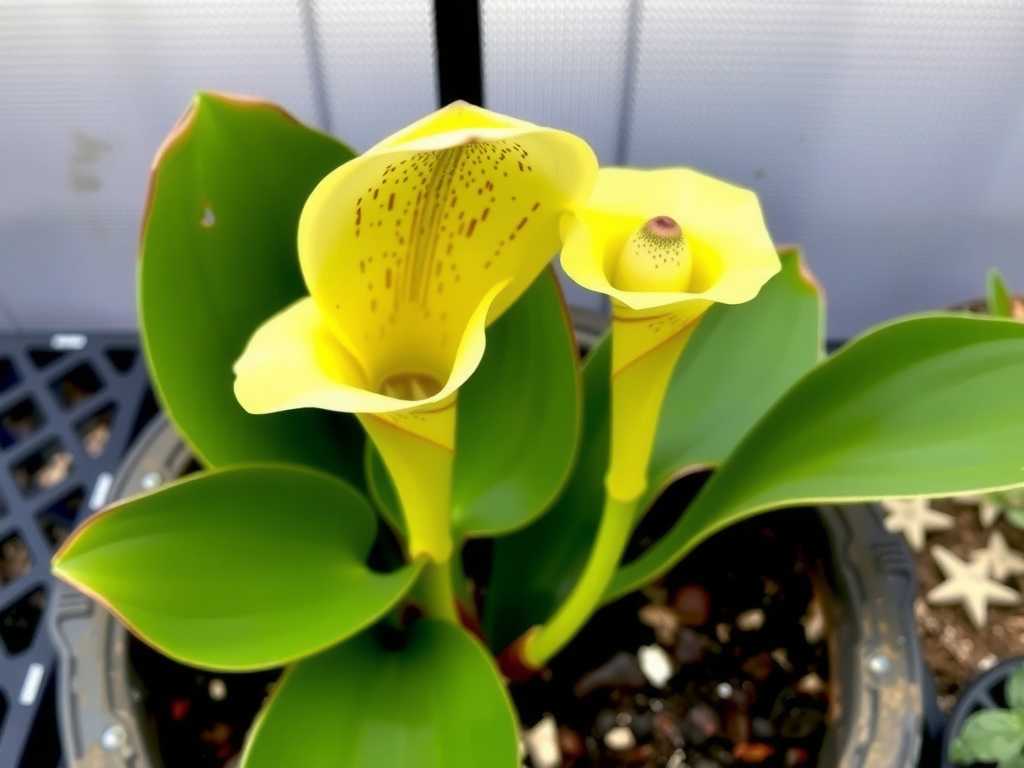
- My Step: I researched the specific cultivars I owned. I learned that some, like certain complex hybrids, can take 4-5 years from seed to first bloom. I stopped worrying about a two-year-old seedling not flowering and focused on perfecting its culture.
- The 2-Week Observation: This isn’t a two-week fix, but a mindset shift. Over a two-week period of applying all the above tricks correctly, I observed for signs of vegetative health: vibrant color, firm pitchers, new growth. I accepted that if the plant was growing vigorously, I was on the right track, and the bloom would come in its own time.
- The Pitfall & Fix: The pitfall is giving up or over-tinkering. The fix is to document your care. I kept a simple log of light hours, watering, and observations. This helped me trust the process and avoid making drastic, harmful changes out of impatience.
Putting It All Together: My Two-Week Bloom Induction Protocol
Here’s the exact sequence I followed in early spring for my non-flowering plants:
- Days 1-3: Ensure plant is ending dormancy. Move to maximum light location. Begin “flood and drain” watering.
- Days 4-10: Observe for color changes and new growth forms. Perform a careful repot if the plant is root-bound. For indoor plants, administer one light feeding.
- Days 11-14: Maintain impeccable light and water. Monitor for the distinctive rounded flower bud emergence versus pitcher buds. Resist the urge to change anything else.
By the end of this focused two-week period, the stage is irrevocably set. The plant has the light signal, the root space, the water rhythm, and the energy reserves. The flower stalk, if it is to come, will now initiate. In my case, on my once-stubborn S. flava, a fat, fuzzy flower bud emerged precisely three weeks after I started this protocol.
Frequently Asked Questions
My Sarracenia produced a flower bud, but it dried up and died. What happened? This is often due to a sudden stress event after bud initiation—a severe drying out, a late frost, or pest damage (like aphids sucking the bud). Ensure consistent moisture during bud development and inspect buds regularly for pests. A bud blast can also occur if the plant is still too weak; it aborts the bloom to conserve energy.
Is there a fertilizer I can use to encourage Sarracenia to flower? No. Traditional fertilizers are lethal to Sarracenia roots. The only safe “fertilizer” is insects themselves. Focus on providing intense light and proper dormancy, which are infinitely more important for bloom induction than any form of supplemental feeding.
Should I cut off the pitchers to force the plant to flower? Absolutely not. The pitchers are the plant’s food factories. Removing them severely depletes the energy needed to produce a flower. A healthy clump of pitchers is the best possible foundation for a strong bloom. Always leave all healthy growth intact.
Getting your Sarracenia to flower is the ultimate sign of mastery in its cultivation. It’s a dialogue with the plant, where you learn to interpret its needs beyond mere survival. The journey from a non-flowering specimen to one that sends up a tall, elegant, and otherworldly bloom is immensely rewarding. It confirms that you’ve not just kept it alive, but have truly recreated a slice of its natural, sun-drenched bog habitat. Start with light, respect dormancy, and be patient—your spectacular spring show is waiting to happen.