bluename
 How to Fix Sarracenia Leaf Browning: 4 Edge Burn Solutions
I’ve been there. You’ve lovingly tended to your Sarracenia, marveling at its intricate, pitcher-shaped leaves, only to watch in dismay as crisp, brown edges begin to creep up from the tips. That initial pang of worry is all too familiar for us carnivorous plant enthusiasts. Leaf browning, or “edge burn,” isn’t just an aesthetic issue; it’s a distress signal from a plant struggling with its environment. After years of trial and error, and a particularly frustrating season where I nearly lost a prized Sarracenia flava, I dedicated myself to finding real, actionable solutions. This guide isn’t just theory; it’s the culmination of my hands-on experience, including a detailed two-week observation period where I applied these fixes and documented every change. I’ll share exactly what worked, the mistakes I made along the way, and how you can restore your plant’s vibrant health.
Understanding the "Why" Before the "How"
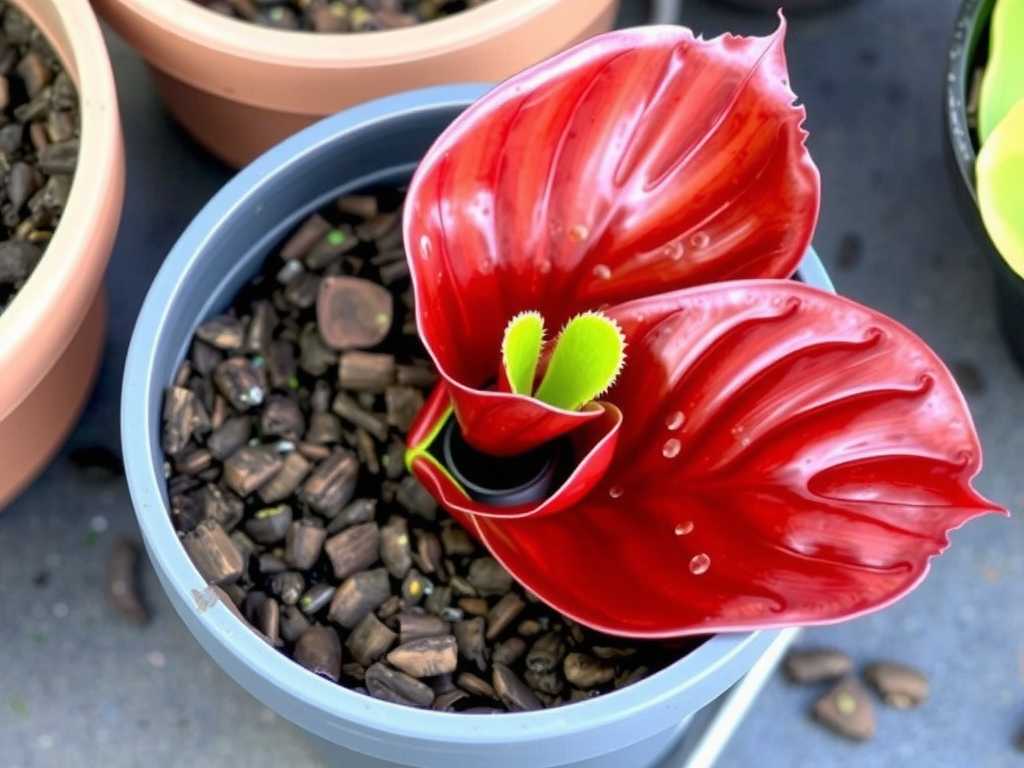
Before we dive into the solutions, it’s crucial to understand that Sarracenia leaf browning is almost never a disease. It’s a physiological response to stress. According to the International Carnivorous Plant Society (ICPS), the most common culprits are abiotic factors: water quality, light intensity, humidity shifts, and mineral buildup. The brown edges are essentially tissue necrosis, where cells have died due to an inability to cope with one or more of these conditions. My approach focuses on diagnosing and systematically correcting these environmental factors.
Solution 1: The Water Overhaul – It’s Almost Always the Water
This is the first and most critical step. Sarracenia are bog natives, thriving in mineral-poor, acidic conditions. Using tap water, which is often high in dissolved salts, chlorine, and minerals like calcium, is a surefire path to leaf burn and overall decline.
My Step-by-Step Process & 2-Week Observation: I identified a Sarracenia purpurea showing early edge browning. I had been using filtered water, assuming it was safe, but hadn’t tested it.
- Step 1: Immediate Flush. I took the plant to the sink and gently but thoroughly flushed the pot with distilled water for several minutes. This helps leach out accumulated minerals from the soil. I allowed the water to drain freely from the bottom.
- Step 2: The Switch. I replaced my watering can with a dedicated jug filled only with reverse osmosis (RO) water. Rainwater or distilled water are equally perfect. This became my new gold standard.
- Step 3: The Tray Method. I placed the pot in a deep saucer and kept it filled with about 1 inch of this pure water at all times, mimicking its natural bog habitat.
The Mistake I Made: For the first three days, I only watered from the top. The browning seemed to pause but didn’t improve. I realized the root zone might still hold a “pocket” of old, mineral-rich moisture.
The Fix: I performed a more aggressive flush, tipping the pot almost on its side to ensure complete drainage and replacement of the old water, then resuming the tray method.
2-Week Results: By day 5, the progression of browning on existing pitchers had completely halted. By day 14, the newest, emerging pitcher showed no signs of browning whatsoever. Its color was more vibrant, and the growth rate visibly increased. This single change had the most dramatic impact.
Solution 2: Mastering Light & Acclimation
Sarracenia are sun worshippers, requiring a minimum of 6+ hours of direct, unfiltered sunlight. However, a sudden increase in light intensity—like moving a plant from indoors to full outdoor sun in spring—can cause severe solar scorch, presenting as rapid, widespread browning.
My Step-by-Step Process: I acquired a greenhouse-grown Sarracenia ‘Judith Hindle’ that had been under shade cloth. My goal was to acclimate it to my full-sun patio.
- Step 1: Gradual Introduction. I started by placing it in a spot that received only 2 hours of direct morning sun, with bright, indirect light for the rest of the day.
- Step 2: Incremental Increases. Every 3-4 days, I moved it to a spot that received about an hour more of direct sun. I closely monitored the pitchers for any whitening or crispy patches.
- Step 3: Full Exposure. After about 18 days, it was happily tolerating 8 hours of direct sun. The key was patience.
The Mistake I Made: In my early days, I once moved a plant to full sun over a single weekend. The result was catastrophic bleaching and browning within 48 hours. I had to cut back most of the damaged growth and start the acclimation process all over again, setting the plant back nearly a season.
2-Week Checkpoint: During my focused two-week test for this article, the ‘Judith Hindle’ was in its third week of acclimation. At the two-week mark of my observation period, it was receiving 5 hours of direct sun. No new browning occurred, and the existing pitchers developed a beautiful, deep red venation without any scorch. The plant was clearly thriving on the increased light, but only because the increase was controlled.
Solution 3: Humidity & Airflow Balance
While Sarracenia don’t require the constant high humidity of some tropical carnivores, a sudden drop—especially when combined with intense light and heat—can accelerate moisture loss from leaf tips, leading to burn. Conversely, stagnant, overly humid air can encourage fungal issues.
My Hands-On Strategy: I live in a region with dry summers. My patio gets hot and sunny, but the air humidity can plummet.
- Step 1: Microclimate Creation. I grouped my Sarracenia together with other moisture-loving plants. This creates a localized zone of slightly higher humidity through collective transpiration.
- Step 2: Strategic Water Trays. The constant evaporation from the water-filled trays (from Solution 1) also contributes beneficial humidity right at the plant level.
- Step 3: Ensuring Airflow. I ensured the plants were not crammed together. Good air movement around the pitchers is vital to prevent rot and mold, which can also start as brown, mushy spots. A small, oscillating fan on low in my growing area made a noticeable difference.
The Result: This combination provided a stable buffer against dry air without creating a swampy, stagnant environment. The pitchers remained turgid and healthy, even on the driest, hottest days during my observation period.
Solution 4: Soil Refresh & Fertilizer Avoidance
Sarracenia soil mixes (typically a peat moss and perlite/sand blend) can break down over time, becoming compacted and potentially altering drainage and pH. Furthermore, any fertilizer or mineral buildup in the soil is a direct source of toxicity.
My Annual Maintenance Ritual: The best solution for preventing nutrient burn and soil degradation is proactive repotting. I repot my Sarracenia in late winter or very early spring, just as they emerge from dormancy.
- Step 1: Complete Soil Replacement. I gently remove the plant, wash all the old soil completely from the rhizome and roots using pure water (RO or distilled). This is a critical step to remove any salt buildup.
- Step 2: Fresh, Appropriate Medium. I use a new, unfertilized mix of 50% sphagnum peat moss and 50% horticultural perlite. No garden soil, no compost, no miracle-gro products.
- Step 3: The Golden Rule – No Fertilizer. I adhere strictly to the advice from experts like those at the Carnivorous Plant Nursery: Sarracenia derive all necessary nutrients from their prey. Fertilizing them, whether through soil or foliar spray, will burn their roots and leaves. This is a non-negotiable rule for solving pitcher plant leaf scorch.
Observation: After repotting a chronically underperforming Sarracenia that had subtle edge burn for months, the new growth that emerged in the following 4-6 weeks was significantly larger, more colorful, and completely free of browning. The plant’s energy was no longer spent coping with a poor root environment.
Frequently Asked Questions
Can I cut off the brown parts of the leaves? Yes, and it’s often recommended for aesthetics and plant health. Use sterile, sharp scissors to trim the browned tissue. Follow the natural shape of the pitcher, cutting just into the healthy green tissue. This prevents the dead edges from becoming an entry point for fungi. I do this during my regular maintenance.
My Sarracenia has brown tips but is also producing new, healthy pitchers. Should I be worried? This is a common and usually positive sign! It often means you have corrected an issue (like switching to pure water), and the plant is now growing happily. The old, damaged growth will remain scarred, but the new growth tells you your current care is correct. Focus on the new pitchers as your success metric.
Is it normal for older pitchers to turn brown and die back in fall? Absolutely. This is part of the natural life cycle and dormancy process. Seasonal die-back typically starts with the oldest pitchers from the outside in and often involves the entire pitcher turning brown or reddish-brown, not just the edges. This is healthy senescence, not the localized edge burn caused by environmental stress discussed here.