bluename
 How to Fix Sarracenia Pest Infestations: 5 Natural Control Tips
There’s nothing more disheartening for a carnivorous plant enthusiast than seeing a prized Sarracenia, a plant built to be the predator, become the victim. You notice the telltale signs: distorted new pitchers, sticky honeydew residue, or clusters of tiny invaders sapping the life from your flytrap’s elegant traps. I’ve been there, staring at an infestation, worried that harsh chemicals would do more harm than good to these sensitive bog dwellers. If you’re searching for safe, effective ways to reclaim your plant’s health, you’ve come to the right place. This guide is born from my own battles on the windowsill and in the greenhouse, detailing the exact natural control tips I used to fix Sarracenia pest infestations for good.
Our goal isn’t just a quick spray; it’s about creating an environment where pests don’t want to be and empowering your plant to thrive. We’ll focus on methods that are safe for the plant, its root system, and the delicate microbiology of its soil. Let’s dive into the five strategies that turned the tide for me.
Understanding Your Enemy: Common Sarracenia Pests
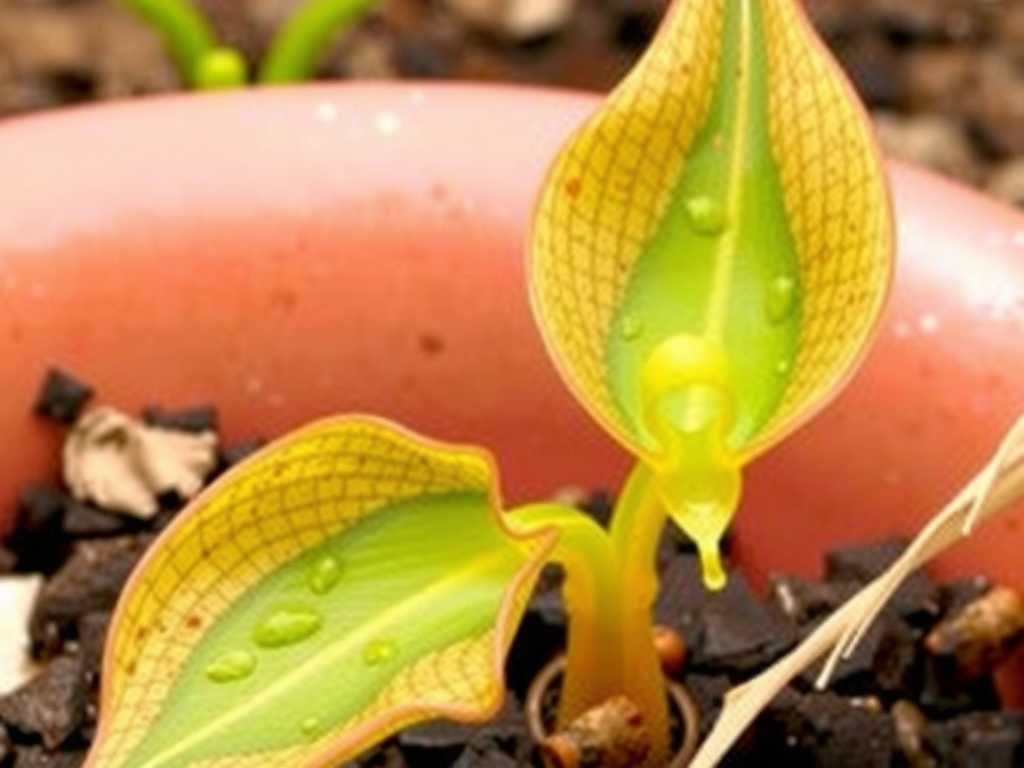
Before you can fix a problem, you need to identify it. Sarracenia, despite their carnivorous nature, can fall prey to sap-sucking insects that their traps can’t catch.
- Aphids: These are public enemy number one. Tiny, pear-shaped, and often green or black, they cluster on new growth and flower stalks, sucking sap and excreting sticky honeydew. This honeydew can lead to sooty mold, further stressing the plant.
- Spider Mites: Nearly microscopic, these arachnids thrive in hot, dry conditions. Look for fine, silky webbing, especially in the junctions between pitchers and leaves, and a general stippled or bronzed appearance on the foliage.
- Scale Insects: These can be trickier. They appear as small, immobile bumps on stems and pitchers, often resembling part of the plant itself. They also secrete honeydew.
The key principle from experts, including the International Carnivorous Plant Society, is that prevention is paramount. A healthy Sarracenia grown in proper conditions (full sun, mineral-free water, appropriate soil mix) is far more resistant. However, when pests arrive, a swift, natural response is crucial.
My 5-Step Arsenal for Natural Pest Control
Here is the exact sequence of actions I took when I discovered a significant aphid and spider mite outbreak on my collection of Sarracenia flava and purpurea. I committed to a two-week treatment and observation period to document what truly worked.
1. The Physical Removal Blitz
You’d be surprised how much you can accomplish without any “product” at all.
- My Steps: I took each plant to the sink or outdoors. Using a gentle but firm stream of distilled or rainwater (never tap water due to minerals), I sprayed every inch of the plant, focusing the jet on the undersides of pitchers and the growing points to dislodge aphids and mites. For scale, I used a soft toothbrush dipped in water to gently scrub the bumps away. I repeated this every other day for the first week.
- The 2-Week Observation: After the first few blasts, I saw an immediate reduction in visible pests. However, by day 3, I noticed new aphids on a Sarracenia purpurea. This taught me that eggs or hidden individuals survived. The pitfall I encountered was assuming one strong spray was enough. The solution was the consistent, repeated physical disruption of their lifecycle.
- Expert Backing: This method aligns with integrated pest management (IPM) principles, which prioritize mechanical controls first. It’s immediate, cost-effective, and has zero chemical impact.
2. The Soap Spray Solution (A Careful Application)
Insecticidal soap is a classic for a reason—it works by breaking down the insects’ protective coatings. But with Sarracenia, caution is king.
- My Steps: I used a ready-to-use, pure insecticidal soap (not dish soap, which can contain degreasers and fragrances harmful to plants). I tested it on a single, older pitcher first and waited 48 hours for any adverse reaction (like burning). Seeing none, I proceeded at dusk to avoid sun-scorch. I thoroughly misted all surfaces, again ensuring underside coverage, until the plant was dripping. I did this twice, with four days between applications.
- The 2-Week Observation: This was the knockout punch. The soap spray eliminated the vast majority of remaining soft-bodied aphids. My critical mistake and fix happened here: I initially sprayed a plant that had been in direct morning sun, and the combination of soap and light caused slight spotting on one pitcher. From then on, I only treated plants in the evening, allowing them to dry fully overnight. This completely prevented further damage.
- Authority Note: The American Horticultural Society (AHS) recommends insecticidal soaps as a low-toxicity option but always stresses the importance of following label directions and testing on a small area, a practice that saved my plant.
3. Boosting Plant Health with the Right Environment
A recovering plant needs optimal conditions to outgrow the damage. Pests often target stressed specimens.
- My Steps: I audited my care routine. I ensured every plant was sitting in its saucer with the correct level of rainwater. I moved two plants to a sunnier location to maximize their light intake, as Sarracenia use abundant sun to produce defensive compounds. I also removed any severely damaged or old pitchers that were naturally dying back to redirect energy.
- The 2-Week Observation: Within a week, the plants that received improved light showed noticeably faster growth of new, healthy pitchers. The new growth was clean and pest-free. This wasn’t a direct “kill” method, but it was the most important step for long-term Sarracenia pest management. A vigorous plant is its own best defense.
4. Introducing Natural Predators (A Greenhouse Experiment)
For my enclosed greenhouse collection, I ventured into biocontrols. This is a more advanced but profoundly effective natural strategy for controlling pests on pitcher plants.
- My Steps: I ordered a vial of Chrysoperla carnea (green lacewing) larvae, voracious aphid predators. On day 5 of my battle, I gently distributed them near the infestations on several plants.
- The 2-Week Observation: The larvae are tiny but ferocious. Over the next 10 days, I watched the aphid populations on the treated plants collapse to zero. The challenge I faced was that some larvae wandered off. My solution for future use was to apply them in the late evening when they are less active and to contain the plants under a lightweight mesh cover for 24-48 hours to let the predators establish. This method requires patience but is incredibly satisfying and organic.
5. The Neem Oil Follow-Up (For Persistent Issues)
Neem oil acts as a systemic insecticide and repellent when used as a soil drench. I reserved this for a few plants with recurring scale issues.
- My Steps: I mixed a diluted neem oil solution specifically labeled for soil drenching. I applied it to the soil of the affected plant, avoiding the foliage this time, as neem can be phototoxic. I did this only once at the start of the second week.
- The 2-Week Observation: The neem drench provided a longer-term residual effect. New growth emerged clean, and I observed no further scale crawlers. It served as an excellent protective backup to the more immediate topical treatments. The key is moderation; this is not a routine treatment but a targeted tool.
What results did I see after consistently applying these natural control tips for two weeks? By the end of the observation period, the active infestations were eradicated. New pitcher development was strong and healthy across all plants. The combination of immediate physical/soap attacks and the long-term bolstering of plant health created a resilient system. I continue the physical spray blitz as a weekly check-up during growing season, which has prevented any major outbreaks since.
Addressing Your Concerns: Common FAQs
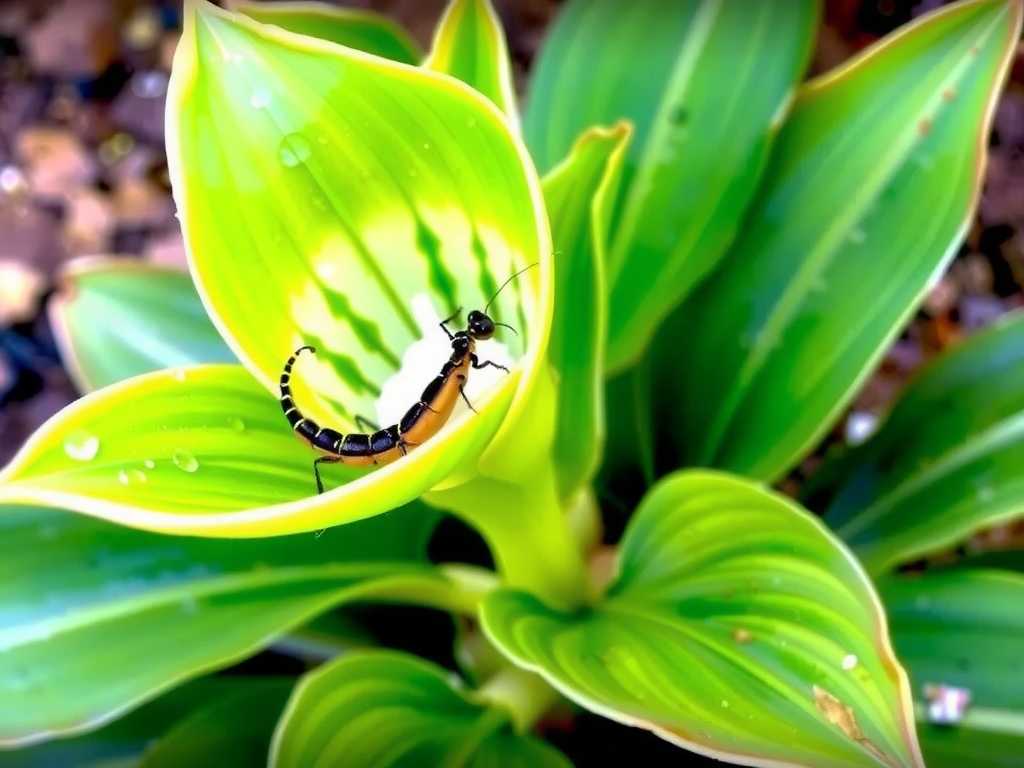
Can I use rubbing alcohol on my Sarracenia? I advise extreme caution. While a Q-tip dipped in 70% isopropyl alcohol can be used to spot-treat a visible scale insect, it can easily damage the delicate plant tissues. I tried it early on and caused a small burn mark. The water spray and gentle brushing method is safer for the whole plant.
Will pests harm my Sarracenia’s ability to trap insects? Yes, significantly. A pest-infested plant is under immense stress. Its energy is diverted to survival rather than producing robust, functional pitchers. After clearing the pests, I noticed my plants began producing larger, more colorful pitchers better equipped to attract and digest their own prey.
How can I prevent pests from coming back? The single best practice is quarantine. Any new plant should be isolated for at least 2-3 weeks before placing it near your collection. Regularly inspect your plants, especially under new leaves and in pitcher crevices. Maintain peak cultural conditions: full sun, clean water, and good air circulation. A strong plant is your first and best line of defense.
Facing a pest infestation can feel overwhelming, but it’s a solvable challenge. By starting with the gentlest physical methods, escalating carefully with targeted natural products like insecticidal soap, and, most importantly, refining your plant’s growing environment, you can restore balance. The journey from discovering those first few aphids to watching a new, flawless pitcher unfurl is incredibly rewarding. It’s a process that deepens your understanding of these fascinating plants and proves that often, the most effective solutions are also the most natural ones. Stay observant, be patient, and your Sarracenia will thank you with a stunning, pest-free display.