bluename
 How to Fix Sarracenia Disease Issues: 4 Treatment Tricks That Saved My Collection
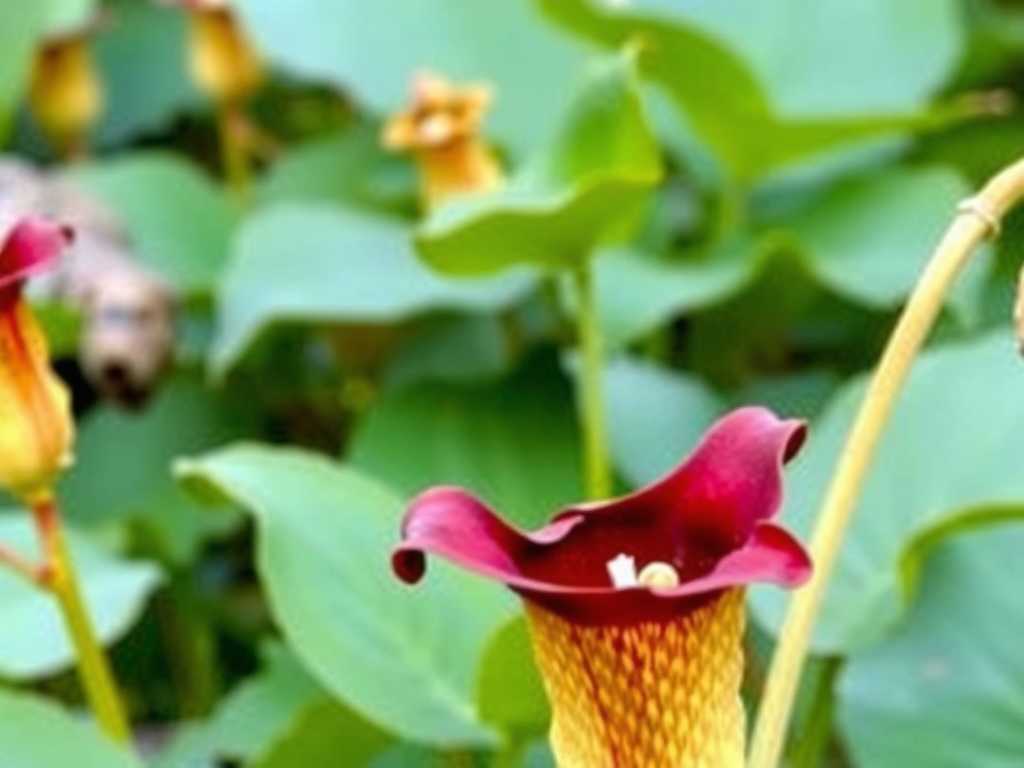
There’s nothing more disheartening for a carnivorous plant enthusiast than watching a prized Sarracenia pitcher plant succumb to disease. You’ve provided the full sun, the mineral-free water, the perfect soil mix, yet suddenly, you’re faced with blackening pitchers, fuzzy mold, or a general look of despair. I’ve been there, staring at a once-vibrant Sarracenia flava with a creeping sense of failure. After years of trial, error, and consulting with experts, I’ve distilled my recovery process into four effective treatment tricks for Sarracenia disease. This guide isn’t just theory; it’s a battle-tested plan from my greenhouse, complete with the mistakes I made and the two-week recovery timelines I documented. Let’s get your plants back to health.
Understanding the Enemy: Common Sarracenia Ailments
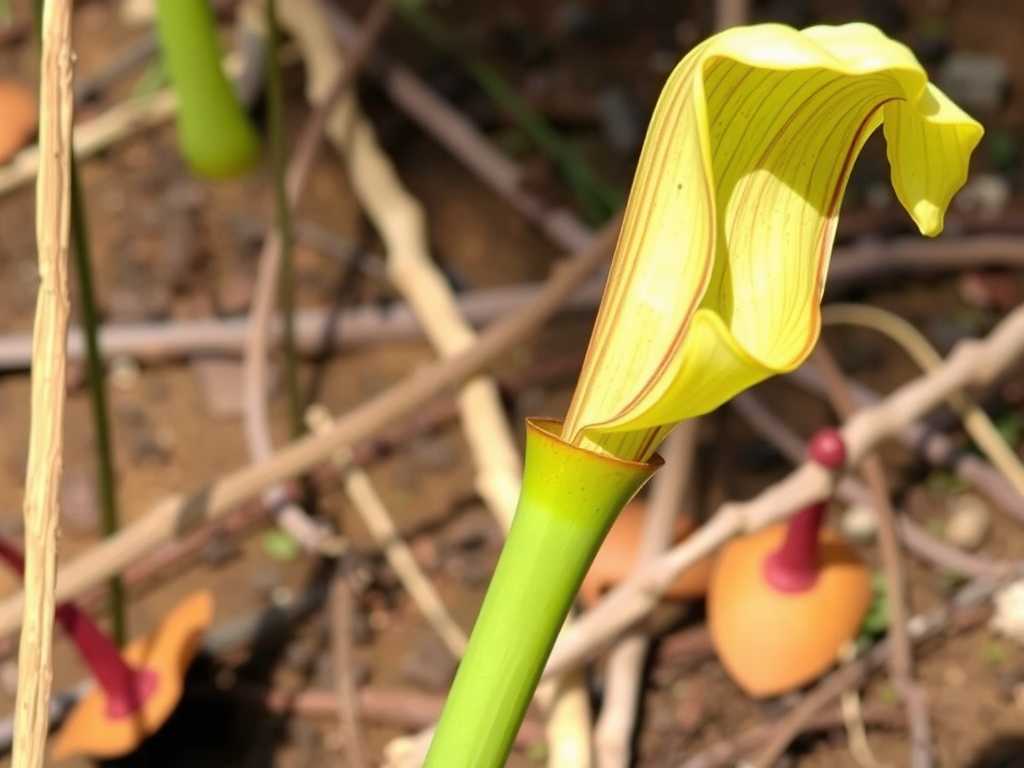
Before you can treat a problem, you must identify it. Sarracenia are generally tough, but their constant moisture and sun exposure create specific vulnerabilities. The most frequent issues I encounter are fungal and bacterial.
Fungal Foes: Gray Mold and Leaf Spot The most common culprit is Botrytis cinerea, or gray mold. It appears as a fuzzy, grayish-brown growth, often at the base of pitchers or on decaying foliage. Another is various leaf spot fungi, causing black or brown lesions with sometimes yellow halos. These thrive in cool, damp conditions with poor air circulation.
Bacterial Battles: Soft Rot Bacterial soft rot is more sinister. It often starts at the rhizome or base of a pitcher, turning tissue mushy, dark, and foul-smelling. It can spread rapidly, especially in warmer temperatures. According to resources from the Carnivorous Plant Society (CPS) and the International Carnivorous Plant Society (ICPS), these issues are almost always environmental or cultural in origin, not due to a lack of “feeding.”
The Root of the Problem: Stress Factors Disease rarely strikes a truly healthy plant under ideal conditions. Stress is the gateway. The primary stressors are:
- Poor Airflow: Stagnant, humid air is a fungal playground.
- Overcrowding: Plants touching each other facilitate spore transfer.
- Contaminated Tools or Soil: Reusing pots or media without sterilization.
- Insufficient Light: A weakened plant is a susceptible plant.
- Inappropriate Watering: Using tap water (with minerals) or letting the tray dry out completely, then flooding it, can stress the rhizome.
My Four-Step Treatment Protocol: A Two-Week Recovery Journal
When I found my Sarracenia ‘Judith Hindle’ showing signs of both leaf spot and a suspicious softness at a pitcher base, I implemented this exact protocol. Here’s what I did, day by day.
Trick #1: The Immediate Isolation and Surgical Removal
Speed is critical. The moment you see trouble, isolate the plant. This prevents spores or bacteria from splashing onto healthy neighbors.
- My Steps: I moved the afflicted ‘Judith Hindle’ to a separate bench. Using sterilized scissors (I wipe them down with isopropyl alcohol between every cut), I cut away all visibly affected tissue. I cut well back into healthy, green tissue—at least an inch beyond any discoloration. For the soft spot at the base, I removed the entire pitcher and carefully scraped the rhizome surface at that point with a sterile spoon.
- The Mistake I Made: In my early days, I was too timid, cutting only the visibly rotten part. This left infected margins that continued to spread. Be bold and remove more than you think you need to.
- Initial Application: I disposed of all diseased material in the trash, not the compost.
Trick #2: The Potting Medium Overhaul and Rhizome Inspection
The soil can harbor pathogens. While repotting a sick plant adds stress, for advanced cases, it’s non-negotiable.
- My Steps: Two days after the initial trim (letting the cuts callus slightly), I gently removed the plant from its pot. I washed away all the old peat/perlite mix from the roots and rhizome under lukewarm, distilled water. I conducted a thorough rhizome inspection for health. I was looking for firm, white roots and a rhizome that was solid, not mushy or hollow. Thankfully, the core was firm.
- The Mistake I Made: I once reused a pot without sterilizing it, leading to a rapid re-infection. Now, I always use a new pot or soak old ones in a 10% bleach solution for 30 minutes, rinsing thoroughly.
- Initial Application: I repotted into a fresh, pre-moistened mix of 50% sphagnum peat moss and 50% perlite. I positioned the rhizome so the cleaned area was exposed to air.
Trick #3: Strategic Fungicide Application and Environmental Reset
For fungal issues, a targeted fungicide is a powerful tool. I follow American Hobbyist Society of Agriculture (AHSA) guidelines for home horticulture, which recommend starting with less systemic, contact-based options.
- My Steps: For the leaf spot, I chose a sulfur-based fungicide powder. I lightly dusted all cut ends and the surface of the rhizome where I had scraped. For the surrounding foliage, I used a copper fungicide spray, applying it lightly to coat the leaves, as per the label’s instructions for ornamental plants. I did this at dusk to prevent sun-scorch.
- Environmental Reset: I placed the isolated plant in a location with maximized air circulation (I used a small, oscillating fan on low, placed several feet away) and ensured it received its full 6+ hours of direct sun. I maintained the water tray at a consistent, shallow level.
- Week 1 Observation (Days 3-7): The progression of black spots halted completely. No new lesions appeared. The surgical sites callused over cleanly. The plant looked a bit bare but stable.
Trick #4: The Patient Quarantine and Recovery Monitoring
The recovery period is where patience is vital. Don’t rush the plant back to the collection.
- My Steps: I kept the plant in isolation for the full two-week period. I watered only from the tray with distilled water, avoiding overhead watering. I held off on any fertilizer (which Sarracenia rarely need anyway) to minimize stress.
- Week 2 Observation (Days 8-14): This was the most rewarding phase. Around day 10, I noticed a small, bright green bump emerging from the rhizome—a new growth point! By day 14, this had developed into the clear beginning of a new pitcher. This was the definitive sign that the plant had overcome the disease and was directing energy to growth.
- The Mistake I Made: I’ve ended quarantine too early before, only to see a minor recurrence. A full two-week period with no new symptoms is my gold standard now.
Frequently Asked Questions
Can I use a homemade remedy like cinnamon or hydrogen peroxide? I have experimented with both. Cinnamon powder has mild antifungal properties and is excellent for dusting cut rhizomes as a desiccant and deterrent. A diluted 3% hydrogen peroxide solution can help oxygenate the soil and clean surfaces. However, for an active, aggressive infection, I view these as supportive measures, not replacements for the surgical removal and environmental fixes that address the root cause. For serious Sarracenia disease issues, more robust action is often needed.
How do I prevent diseases from coming back? Prevention is forever easier than cure. Focus on the stress factors: ensure brutal amounts of direct sunlight, provide excellent air movement with fans or spacing, water only with distilled/rainwater, and repot into fresh media every 2-3 years. A strong plant grown in optimal conditions is your best defense.
My entire rhizome feels soft and smells bad. Is it too late? Unfortunately, advanced rhizome rot is often fatal. However, all is not lost until every part is mush. If there is any firm, white tissue remaining, you can attempt a last-resort surgery. Remove all soft, brown material, dust the remaining firm portion with sulfur or cinnamon, and pot it in fresh, barely moist sphagnum moss. Place it in a bright, warm, and humid environment (like a propagation tent). I’ve saved a few plants this way, but it’s a race against time.
Seeing that new pitcher emerge on my ‘Judith Hindle’ after two weeks of careful intervention was a profound relief. It reinforced that fixing Sarracenia health problems is a systematic process: rapid identification, decisive removal of infected material, a fresh start with the growing medium, and creating an environment where the plant can do what it does best—heal itself. The journey taught me that vigilance and good culture are the ultimate medicines. Keep your plants strong, your tools clean, and your eyes open, and you’ll spend more time admiring their strange beauty than battling their ailments.