bluename
 How to Fix Sarracenia Overwatering: 5 Drainage Improvement Tips
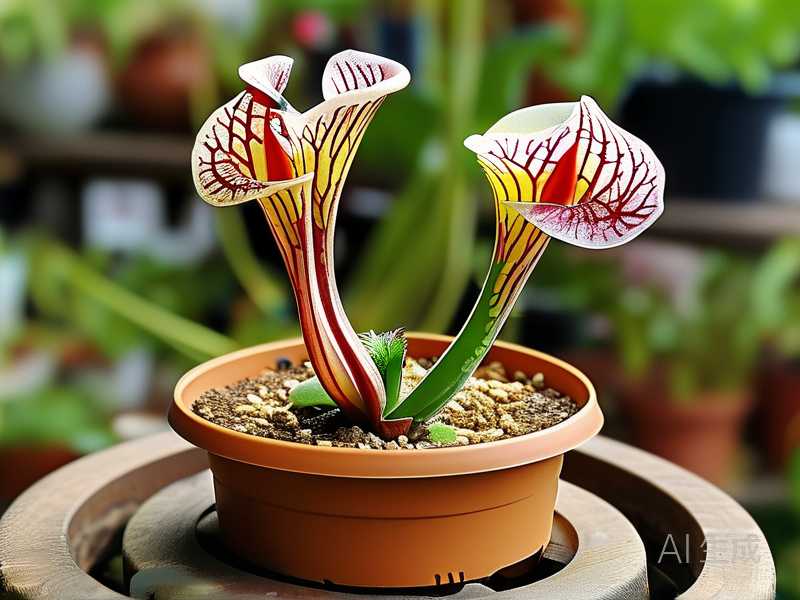
I’ve been there. You bring home a stunning Sarracenia, its pitchers standing tall like sentinels. You water it diligently, believing you’re giving it life, only to watch in horror as those vibrant pitchers soften, turn brown, and collapse into a soggy mess. The soil stays wet for days, a faint, unpleasant smell might emerge, and that glorious new growth just… stops. If this sounds familiar, you’re not a bad plant parent. You’re likely dealing with the most common killer of these carnivorous wonders: overwatering caused by poor drainage. After losing a prized Sarracenia flava to root rot, I dedicated myself to understanding and fixing this issue. Through trial, error, and consultation with expert resources like the International Carnivorous Plant Society (ICPS), I developed a practical, step-by-step approach. Here are the five drainage improvement tips that saved my bog garden, based on my hands-on experience over a crucial two-week rescue period.
Understanding the "Wet Feet, Dry Ankles" Paradox
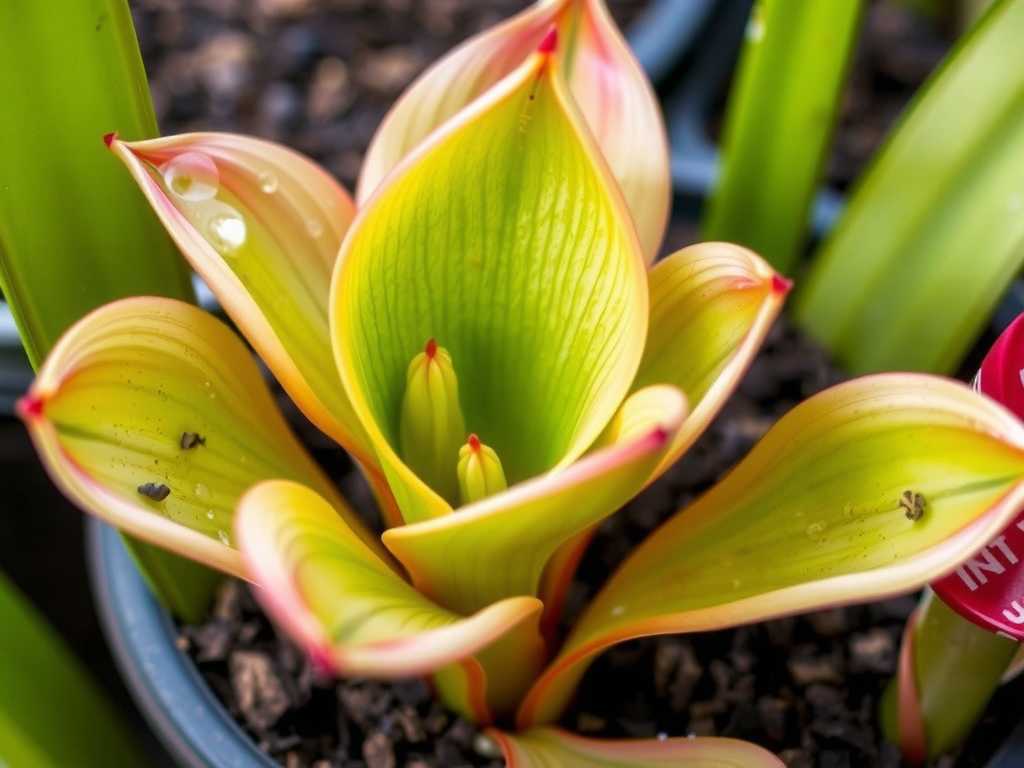
First, let's clear a major misconception. Sarracenia are bog plants, so they love water, right? Yes, but with a critical distinction. In their natural habitat, they grow in saturated, yet constantly draining peat. Their roots sit in moist, acidic, low-nutrient conditions, but water is always moving, flushing away stagnation and bringing fresh oxygen to the root zone. The problem with most pots and standard mixes is waterlogging—the water sits stagnant, filling all the air pockets in the soil. Roots need oxygen as much as they need water. Stagnant water suffocates them, creating a perfect environment for anaerobic bacteria and root rot fungi to thrive. As the ICPS emphasizes, the goal is to mimic the natural seepage of a bog, not a stagnant pond. My mistake was using a deep pot with a single small drainage hole and a dense, peat-heavy mix. It held water like a bowl, not a sieve.
Tip 1: The Emergency Repot – A Race Against Rot
When you see signs of overwatering—persistently soggy soil, wilting or mushy pitchers despite wet media, halted growth—immediate action is needed. This isn't a scheduled repot; it's an ER visit.
My Step-by-Step Rescue:
- Gently Unpot: I carefully removed the suffering Sarracenia from its container. The smell was the first confirmation—a musty, decayed odor, not the earthy smell of healthy peat.
- Root Inspection & Triage: I rinsed the root ball with distilled or rainwater to see the damage. Healthy Sarracenia roots are firm and white or tan. Rotten roots are black, slimy, and fall apart at a touch. Using sterilized scissors, I pruned away every single rotten root back to healthy tissue.
- The Fresh Start: I discarded all the old, contaminated soil. This is non-negotiable. It’s full of pathogens. I prepared a new, sharply draining mix. My go-to emergency formula is a 1:1 ratio of sphagnum peat moss (not garden soil!) and horticultural perlite. The perlite is key—its white particles create essential air spaces.
- The Right Pot: I chose a new pot that was wider than it was deep. Sarracenia have relatively shallow, spreading root systems. A deep pot holds water in its lower third where roots can't reach, creating a stagnant reservoir. A wider, shallower pot promotes even drying. Most crucially, it must have multiple, large drainage holes.
The Two-Week Observation: For the first 3 days, the plant looked shocked—pitchers were still limp. I kept it in bright, indirect light to reduce stress. I watered it from the top just once to settle the new mix, then switched to the safer "tray method" (more on that in Tip 4). By day 7, the remaining healthy pitchers firmed up. Most excitingly, by the end of week two, I spotted the tiniest, bright red nub of a new pitcher emerging from the rhizome. This was the ultimate sign of recovery: new growth.
Tip 2: Master the Mix – Building the Perfect Drainage Foundation
Your soil mix is your drainage infrastructure. A generic peat mix is a death sentence in a standard pot. Based on advice from master growers and the Sarra mailing list archives, I experimented to find a foolproof blend.
- The Standard Recipe: 50% Sphagnum Peat Moss, 30% Perlite, 20% Horticultural Sand (coarse, silica sand, not builder’s or play sand). The sand adds weight and improves drainage without compacting.
- The Aeration Boost: For plants I’d previously overwatered, I now use a more aggressive mix: 40% Peat, 40% Perlite, 20% Orchid Bark (small chunk, pine bark). The bark chunks create superhighways for air and water flow. This is the mix that made the most dramatic difference in my collection’s health.
- The Pro Tip: Always moisten your peat moss before mixing. Dry peat is hydrophobic—it repels water. I put the needed amount in a bucket, add water, and let it soak for a day. This ensures even moisture distribution from the first watering.
The Pitfall I Hit: I once used vermiculite instead of perlite. Big mistake. Vermiculite retains water like a sponge, defeating the entire purpose. Perlite retains air, not water. Always choose perlite.
Tip 3: Pot Selection – Your First Line of Defense
The pot is more than a home; it's a life-support system. I learned this the hard way with glazed ceramic pots.
- Material Matters: Plastic pots are lightweight and retain moisture well. They work fine if your mix is very airy and you have multiple holes. Unglazed terracotta clay pots are excellent for Sarracenia. They are porous, allowing the soil to breathe and water to evaporate through the walls, naturally wicking away excess moisture. I watched a struggling plant in plastic recover almost overnight after being moved to terracotta.
- The Hole Truth: One hole is not enough. I now use pots with at least 4-6 large drainage holes. For plastic pots, I don’t hesitate to drill more. For extra security, especially in deeper pots, I create a "false bottom." I place a layer of coarse aquarium gravel or lava rock at the bottom before adding my soil mix. This prevents the drainage holes from getting blocked and creates an air gap where excess water can pool away from the roots.
Tip 4: Watering Wisely – The Tray Method Demystified
This is the technique recommended by virtually every authority, from the ICPS to the California Carnivores nursery. It puts the plant in control.
- Place your well-potted Sarracenia in a shallow tray or saucer.
- Fill the tray with about 0.5 to 1 inch of distilled water, rainwater, or reverse osmosis water (never tap water, as minerals will build up and kill the plant).
- Let the plant drink. The water will wick up through the drainage holes.
- Allow the tray to go completely dry before refilling. This is the golden rule. I let it stay dry for 1-2 days. This dry period pulls fresh air down into the soil, oxygenating the roots.
- Refill the tray and repeat.
My Two-Week Log with Tray Watering: During my rescue mission, I monitored the tray daily. In the new, airy mix and terracotta pot, the 1 inch of water would be gone in 2-3 days. I then enforced a 2-day dry period. The surface of the soil felt slightly dry to the touch, but just an inch down, it was cool and moist—perfect "bog-like" conditions. The plant's recovery accelerated once this wet-dry cycle was established.
Tip 5: Environmental Optimization – Light and Airflow
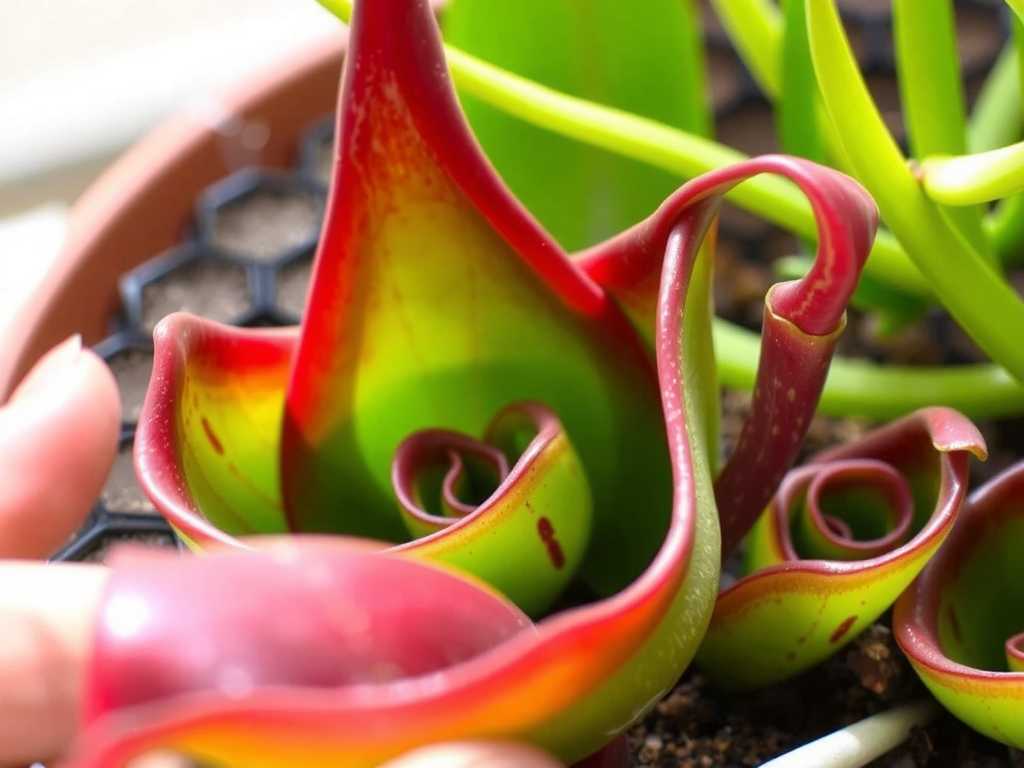
Drainage isn't just about pots and soil. Your plant's environment actively manages water.
- Maximize Light: Sarracenia need full, direct sun (6+ hours). More light means more photosynthesis, which means the plant uses more water through transpiration. A sun-starved plant in a soggy pot is a guaranteed rot scenario. Moving my plants to a sunnier spot was like giving them a metabolic boost—they started consuming water faster, helping the soil dry more effectively between waterings.
- Increase Airflow: Stagnant, humid air encourages fungal growth on the soil surface and slows evaporation. A gentle breeze from an open window or a small fan on low (not pointed directly at the plant) makes a significant difference. It strengthens the pitchers and helps keep the top layer of soil healthier.
Your Questions, Answered
Can a Sarracenia recover from severe root rot? Yes, if the rhizome (the thick, horizontal stem) is still firm and has some healthy, white roots attached. The process I described in Tip 1 is your best shot. Be ruthless in cutting away rot, repot in fresh, airy mix, and provide stable, bright conditions. Patience is key; it may not put out new pitchers for several months as it rebuilds its root system.
How often should I water my Sarracenia? Throw away the calendar. Frequency depends on your mix, pot, and climate (heat, sun, humidity). The only reliable method is the tray method described above, combined with the "dry tray" test. In hot summer sun, you may refill every other day. In cool, cloudy spring weather, it might be once a week. Let the plant's consumption guide you.
Is it better to water from the top or the bottom? For established plants in the right mix, the tray (bottom) method is superior. It prevents compacting the soil surface, ensures even moisture distribution from the roots up, and minimizes the risk of crown rot (water sitting in the center of the plant). I only water from the top initially to settle a new repot, or occasionally to flush the soil if I suspect minor mineral buildup.
Fixing Sarracenia overwatering is less about watering less and more about engineering an environment where water cannot overstay its welcome. It’s a shift from caretaker to ecosystem architect. By focusing on drainage from the pot up, using an aggressively aerated mix, and harnessing the plant’s own rhythms through the tray method, you transform a death sentence into a thriving habitat. My two-week journey from mushy despair to the thrill of a new pitcher’s emergence proved that these plants are incredibly resilient when given the right foundation. Give your Sarracenia the gift of great drainage, and it will reward you with years of fascinating, vigorous growth.