bluename
 How to Fix Sarracenia Underwatering: 4 Moisture Restoration Tricks
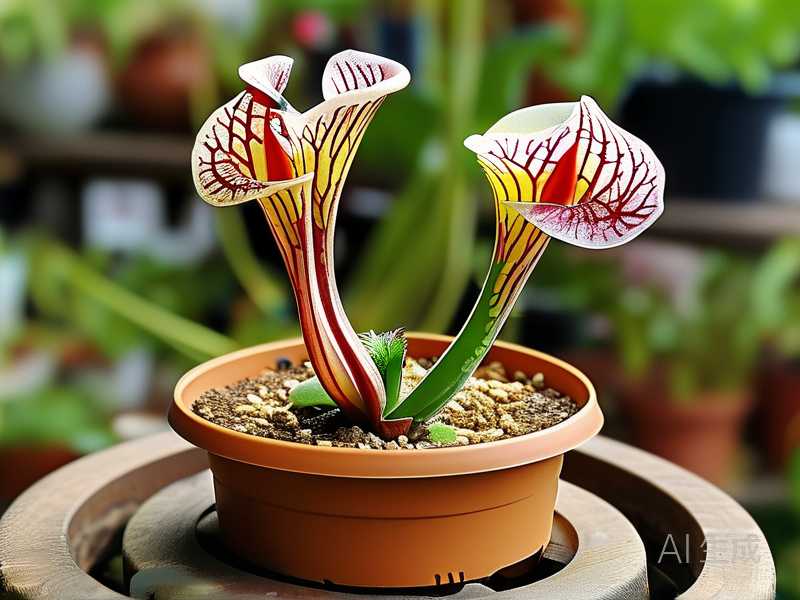
I’ve been there. You walk past your prized Sarracenia, the vibrant pitcher looking a little less perky, the soil pulling away from the pot’s edge, and a cold dread settles in. You’ve been underwatering your carnivorous plant. As a dedicated plant enthusiast who’s nurtured a collection for years, I know this panic intimately. Sarracenia, or North American pitcher plants, are bog natives. Their roots are adapted to constant, consistent moisture. Letting them dry out isn’t just a minor setback; it’s a direct threat to their health and stunning pitcher production. The core issue we’re tackling is Sarracenia underwatering, a common but serious mistake for growers transitioning from typical houseplants. In this guide, I’ll share the exact, hands-on moisture restoration tricks I used to nurse my own plants back from the brink, based on two weeks of meticulous observation and lessons learned the hard way.
Understanding the “Bog” in Your Pot: Why Moisture is Non-Negotiable
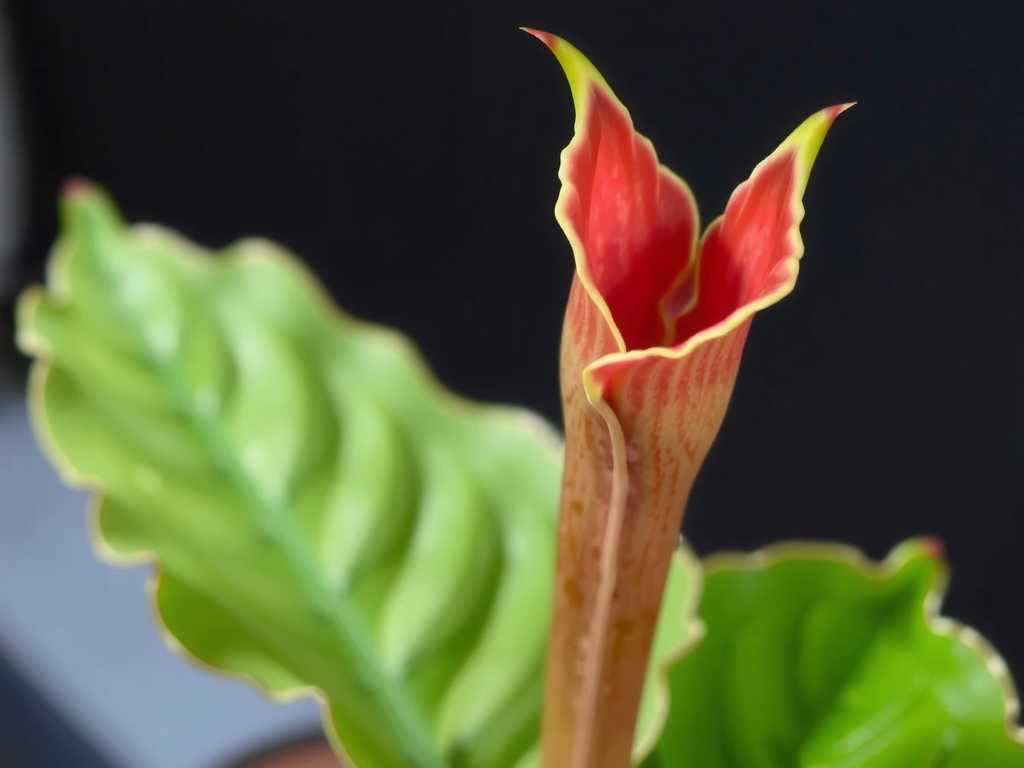
Before we dive into the fixes, it’s crucial to understand why Sarracenia are so sensitive. In the wild, they thrive in permanently wet, nutrient-poor peat bogs. Their roots are designed for a cool, soggy environment, not the periodic soak-and-dry cycle of most potted plants. Underwatering Sarracenia disrupts their ability to uptake water and can lead to halted growth, shriveled pitchers, and, in severe cases, plant death. The Royal Horticultural Society (RHS) consistently emphasizes that these plants require “permanently moist conditions” during their growing season. This isn’t a suggestion; it’s the fundamental rule for success.
My Personal Wake-Up Call: The Two-Week Rescue Mission
Last season, a particularly hot spell and a busy schedule led me to neglect my Sarracenia ‘Judith Hindle’. I noticed the telltale signs: lightweight pot, bone-dry peat moss, and pitchers that had lost their turgid firmness. I committed to a structured, two-week rescue plan, documenting the process daily. The goal wasn’t just to water it, but to properly restore moisture to dry Sarracenia without causing shock or root rot. Here are the four tricks that made all the difference.
Trick 1: The Gradual Bottom-Soaking Method (The Most Critical Step)
The biggest mistake you can make when correcting underwatered pitcher plants is to drench the top of parched, hydrophobic soil. The water will simply run down the sides and out the drainage hole, leaving the root ball bone-dry. I learned this the hard way. My first attempt was a top-watering frenzy, and after 30 minutes, the core was still dust.
-
My Step-by-Step Process:
- I took a shallow tray or basin larger than the plant’s pot.
- I placed the parched Sarracenia pot inside it.
- I poured distilled, rainwater, or reverse-osmosis water (tap water is often mineral-heavy and harmful) into the tray, filling it to about one-third the height of the pot.
- I let the pot sit and absorb water from the bottom up. This took nearly 45 minutes for my severely dry plant. I added more water to the tray as it was absorbed.
- Once the top surface of the soil felt genuinely damp to the touch, I removed the pot from the tray and let the excess drain completely. The goal is rehydration, not waterlogging.
-
The Two-Week Observation: Within 48 hours, the existing pitchers felt noticeably firmer. No new growth was visible yet, but the plant had stopped its downward spiral. By day 7, the soil moisture was consistent. This method effectively fixes dry Sarracenia soil by ensuring the entire root zone is rehydrated, mimicking the natural capillary action of a bog.
Trick 2: Creating a Humidity Microclimate with the Tray System
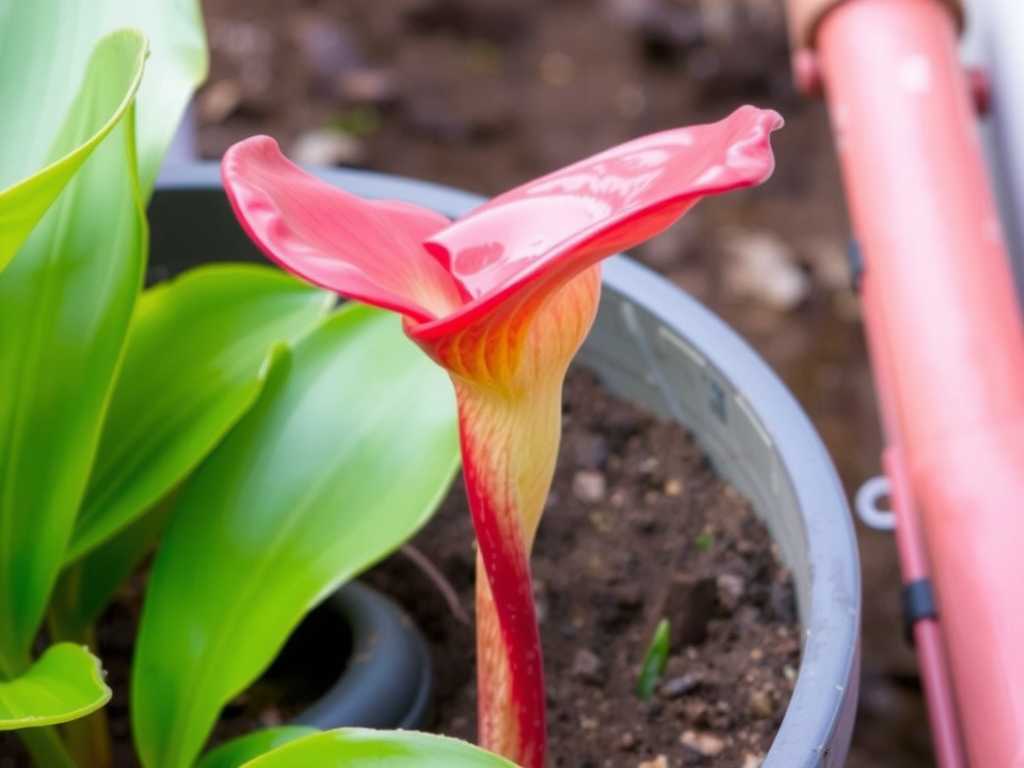
Once the initial deep hydration was achieved, I needed a system to maintain perfect moisture. Enter the classic, expert-recommended tray method. The Atlanta Horticultural Society & Arboretum (AHSA) notes this as the “simplest and most effective” way to maintain constant moisture for bog plants.
-
My Setup & Adjustment:
- I placed the now-well-drained pot on a permanent, wide saucer or tray.
- I kept about 0.5 to 1 inch of purified water in the tray at all times.
- I checked the water level every morning. Evaporation was faster than I expected during my observation period, especially on sunny days.
-
The Pitfall I Encountered: Around day 5, I noticed a slight algae film forming in the tray. Stagnant water plus sunlight can cause this. My fix was simple: once a week, I would empty the old tray water, rinse it, and refill it with fresh water. This prevented any potential issues with pests or mold while maintaining humidity.
Trick 3: Strategic Top-Mulching with Long-Fiber Sphagnum Moss
Even with the tray method, the top layer of soil can dry out faster in direct light, which isn’t ideal. I needed to slow surface evaporation.
-
The Application:
- I soaked a handful of long-fiber sphagnum moss in distilled water until it was fully hydrated.
- I gently laid a 1-inch layer of this moist moss on top of the soil around the base of the plant, avoiding covering the crown (the central growing point).
- This living mulch acts as a brilliant moisture regulator. It keeps the soil beneath cool and damp, increases local humidity, and is aesthetically pleasing.
-
Two-Week Results: The soil under the moss remained perfectly, evenly moist. I could go two days without adding water to the tray, and the moisture level was stable. This trick was a game-changer for consistent moisture restoration for Sarracenia.
Trick 4: The “Finger Test” & Logging – Ditching the Guesswork
I stopped relying on a fixed watering schedule. Instead, I adopted a daily tactile check. Every evening, I would gently insert my finger about an inch into the soil (carefully, near the pot’s edge to avoid roots). If it felt less than evenly damp, I would add water to the tray. I kept a simple log: Date, Tray Water Level, Soil Feel (Damp/Moist/Dry), and Plant Notes.
- What I Learned: This log revealed patterns. My plant drank more on consecutive sunny days. By the end of week two, the plant was not just recovered; it was pushing out a small, new pitcher from its center. The log provided concrete data that my methods for rehydrating Sarracenia were working, turning anxiety into confident care.
My Sarracenia is still looking sad after a week of tray watering. What’s wrong? The most likely culprit is that the root ball is still dry inside. The initial soil may have become completely hydrophobic. You must employ Trick 1 (the bottom-soak) thoroughly first. Don’t assume tray watering alone can re-wet a severely desiccated core. It can only maintain moisture once it’s there.
Can I use ice cubes to water my Sarracenia slowly? Absolutely not. This is a terrible idea for any plant, but especially for temperature-sensitive Sarracenia. Ice cubes can shock the roots with cold, leading to damage. They also provide insufficient water volume. Always use room-temperature or slightly cool purified water.
How do I know if I’ve overcorrected and am now overwatering? Overwatering leads to constantly soggy, waterlogged soil and often causes the rhizome (the thick white stem) to rot, becoming mushy and brown. If your plant is in the right soil mix (peat/perlite) and you’re using the tray method with just an inch of water, true overwatering is less likely than with frequent top-watering. The key is “moist,” not “submerged.” If the crown is soft and discolored, you may have gone too far.
Seeing that new, green pitcher tip emerge after two weeks of consistent care was the ultimate reward. Fixing Sarracenia underwatering isn’t about a one-time miracle; it’s about reinstating the constant, bog-like environment they crave. By combining the deep-soak rescue, the reliable tray system, a protective moss layer, and daily tactile checks, you transform from a worried owner into a confident cultivator. Your Sarracenia will repay your diligence with a spectacular display of vigorous, dewy pitchers.