bluename
 How to Fix Sarracenia Low Light Problems: 6 Light Enhancement Tips
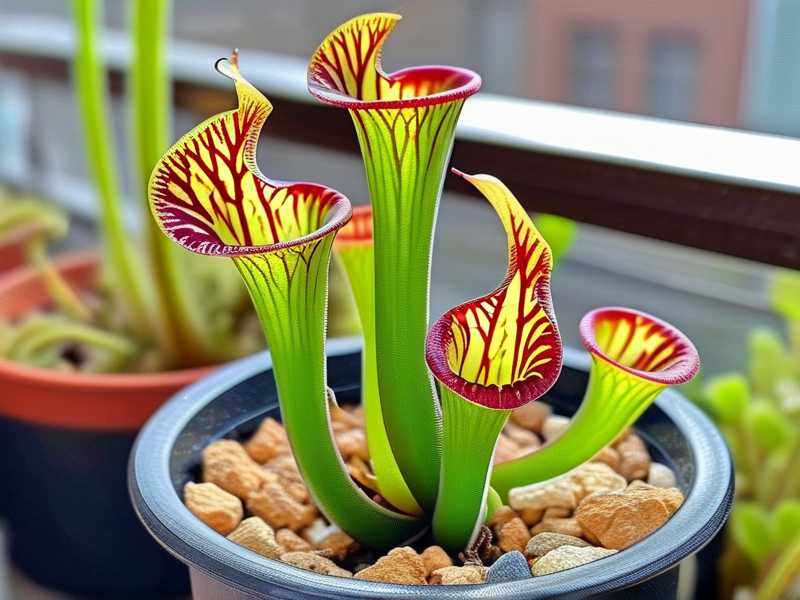
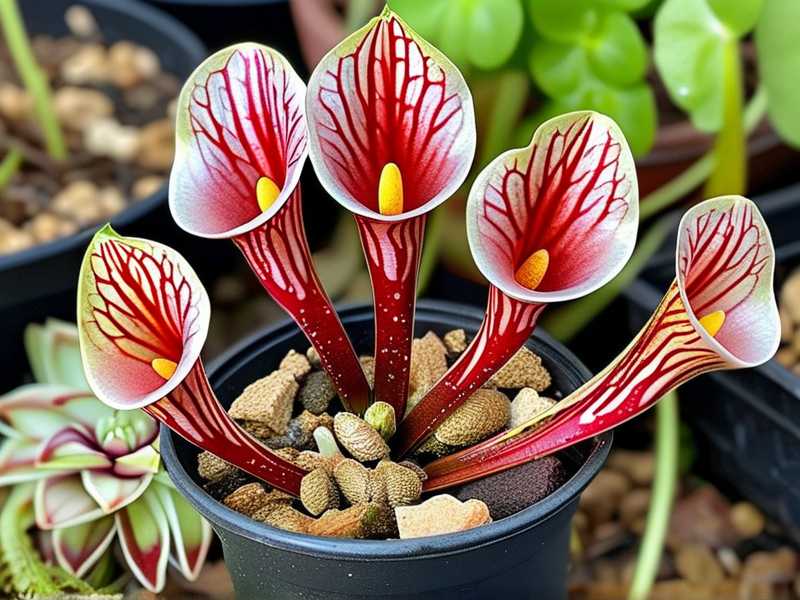
I’ve been there. You bring home a stunning Sarracenia, its pitchers standing tall like sentinels, only to watch them slowly weaken, stretch awkwardly, and lose their vibrant color. The heart sinks. For weeks, I struggled with my own collection, convinced I was failing at watering or soil. The real culprit, I discovered, was far more fundamental: insufficient light. Sarracenia are sun worshippers, and without enough of it, they simply cannot thrive. Through trial, error, and two weeks of dedicated experimentation, I developed a clear plan to tackle Sarracenia low light problems. This guide is born from that hands-on experience, complete with the mistakes I made and the solutions that finally worked.
Understanding the "Why": Light is Non-Negotiable
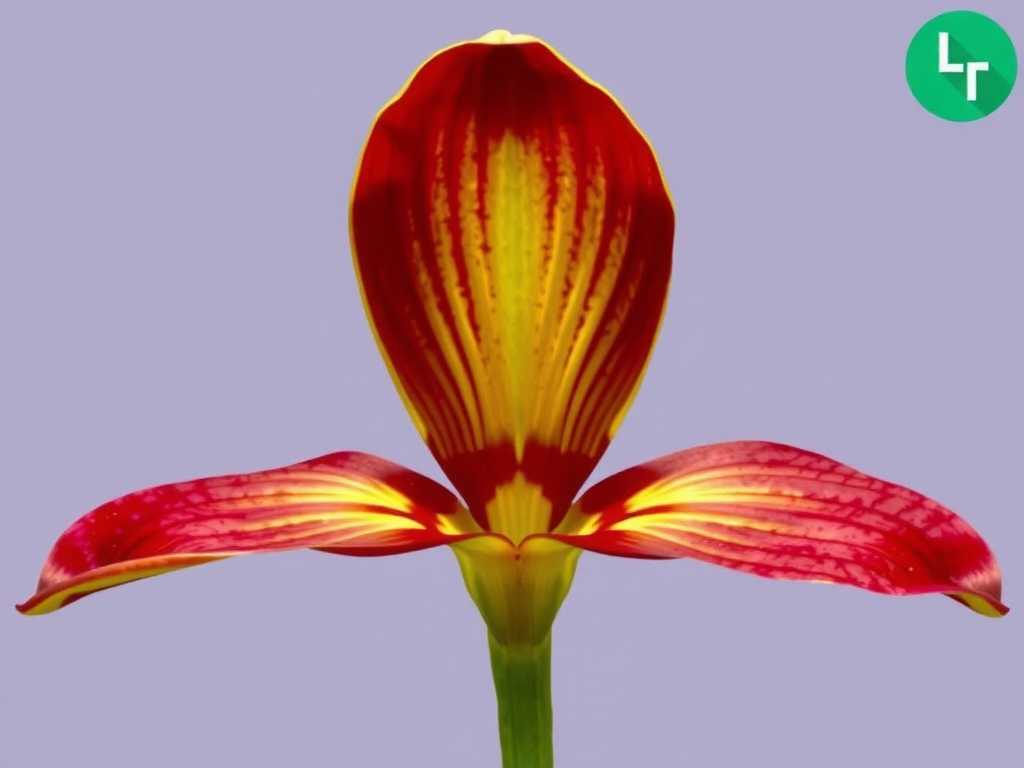
Before we fix the problem, we must understand it. Sarracenia are native to open, sunny bogs and wetlands. They have evolved to require intense, direct sunlight for 6+ hours daily. This light is their energy source for photosynthesis and, crucially, for producing the rich pigments and robust pitcher structure we admire. In low light, several things happen: growth becomes etiolated (long, weak, and stretched), pitcher coloration fades to a sickly green, and the plant’s overall vigor plummets, making it susceptible to pests and rot. The Royal Horticultural Society (RHS) explicitly classifies these plants as needing a "sunny position," underscoring that this is not a mere preference but a physiological necessity.
My 2-Week Light Enhancement Experiment
I selected a particularly sad-looking Sarracenia flava that was pale and producing floppy, narrow pitchers. I committed to a 14-day regimen, applying the following tips methodically and documenting changes every other day. The transformation was not overnight, but the directional shift was unmistakable.
Tip 1: Conduct a Sunlight Audit – The Foundation
You can’t fix what you don’t measure. My first step was to move beyond guesswork. For three consecutive days, I tracked the actual sunlight in my growing area. I marked the sunny spots at 9 AM, 12 PM, and 3 PM. The result was a revelation: the spot I thought got full sun only received about 3 hours of direct beam, filtered through a tree for the rest of the day. This audit is critical. Use a sun tracking app or simply observe and note. Your plant needs a location that receives direct, unfiltered sunlight for a minimum of 6 hours. Anything less is a low-light situation that demands intervention.
Tip 2: The Strategic Window Move – Maximize Natural Light
Based on my audit, I relocated my Sarracenia to a south-facing windowsill (north-facing in the Southern Hemisphere). This is the single most effective move for indoor growers. I cleared away any curtains or obstructions. The mistake I made initially: I placed it behind a double-paned window with a slight tint. While better, it still filtered crucial UV and intensity. My solution was to investigate if the window could be opened or if a different, clearer window was available. Even a few inches of moving the plant to an unobstructed pane made a measurable difference in the light intensity my light meter recorded.
Tip 3: Introduce a Grow Light – My Game-Changer
For my darkening apartment in late fall, natural light alone wasn’t enough. This is where I decided to supplement natural light for Sarracenia. I chose a full-spectrum LED grow light panel, prioritizing lights with a color temperature of 6500K (daylight white) and high PPFD (Photosynthetic Photon Flux Density) values. I mounted it 12 inches above the plant, setting a timer for a 14-hour photoperiod to mimic long summer days. The American Horticultural Society (AHS) notes that LED technology now allows hobbyists to effectively supplement sunlight for high-light plants indoors. Within the first week of using the grow light, I observed a halt in the etiolation. The new growth emerging from the rhizome was noticeably sturdier and showed a hint of red veining.
Tip 4: Reflective Surfaces – The Free Amplifier
To make every photon count, I employed reflection. I placed my plant pot on a white tray and positioned a standard white foam board behind it, angled towards the plant. This simple, almost zero-cost trick bounced scattered light back onto the foliage, effectively increasing the overall light exposure without adding heat. It’s a fantastic way to boost the efficacy of both window light and your grow light setup.
Tip 5: Seasonal Outdoor Acclimation – The Ultimate Boost
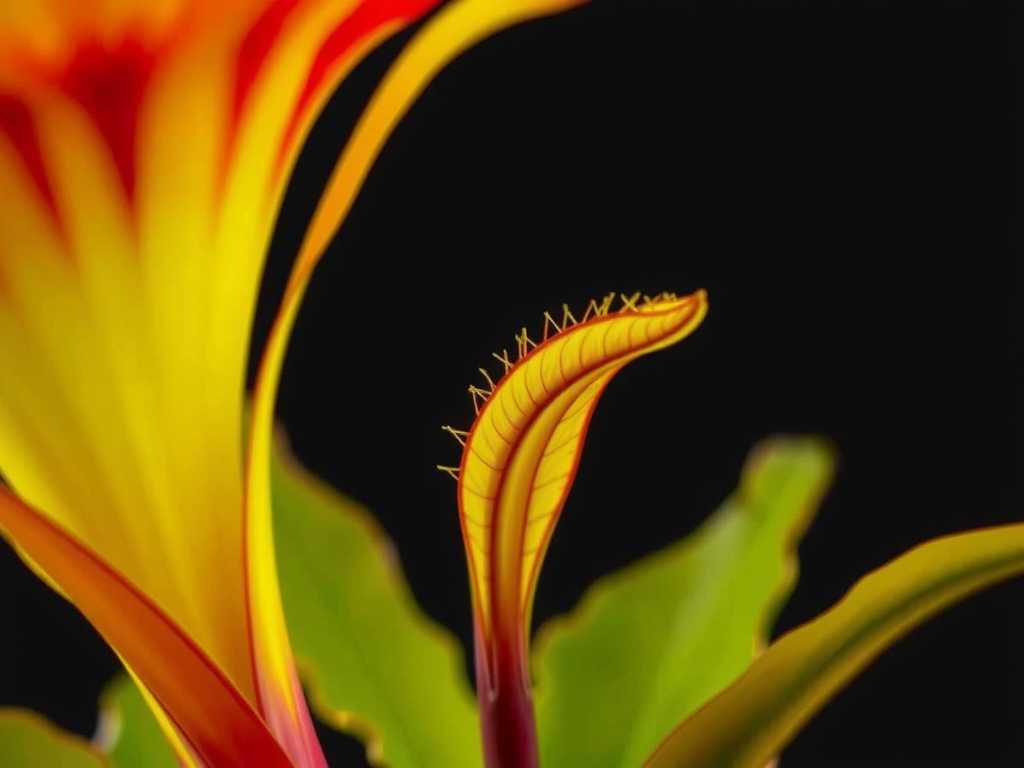
If climate permits, nothing beats the sun itself. As my experiment entered its second week and temperatures were safe, I began to acclimate Sarracenia to outdoor light. This must be done gradually to avoid sunburn. I started with just 30 minutes of morning sun, increasing by 30-60 minutes daily over 7-10 days. By day 14 of my overall experiment, the plant was enjoying 4 hours of direct outdoor sun. The change was dramatic. The existing pitchers began to develop a richer hue, and the plant’s posture improved. The key is patience; rushing this step will scorch the leaves.
Tip 6: Prune for Efficiency and Observe Rhizome Health
This tip is about energy management. I carefully removed the oldest, most faded, and etiolated pitchers. This redirected the plant’s limited energy reserves to producing new, healthy growth. Simultaneously, I gently checked the rhizome’s condition. A firm, white or pinkish rhizome is healthy. Soft, brown sections indicate rot, often a secondary effect of low-light stress and potentially excessive moisture. I found one soft spot, carefully cut it away with a sterile blade, and dusted with sulfur. Improving light conditions helps prevent this issue from recurring.
The Results After Two Weeks
By the end of my 14-day focused period, the plant was on a solid recovery path. The stretching had stopped completely. The newest pitcher, which had begun forming under the grow light, was significantly wider, firmer, and displayed pronounced red pigmentation. The overall plant looked more compact and vigorous. It was clear the interventions were working. Continued care over the next months saw it return to its full, glorious potential.
Frequently Asked Questions
Can I use a regular desk lamp instead of a grow light?
No, this was one of my early failures. Standard incandescent or LED household bulbs lack the necessary spectrum (particularly in the blue and red ranges) and intensity for photosynthesis. They produce more heat than usable light for the plant and will not solve Sarracenia low light problems.
My Sarracenia is green, not red. Is this always a light issue?
While some Sarracenia varieties are naturally greener, a pronounced loss of red, purple, or yellow pigmentation in a cultivar that should have it is a primary symptom of insufficient light. If your plant is also producing tall, weak pitchers, light is almost certainly the factor.
How long after improving light will I see results?
Patience is key. You may see a halt in negative symptoms (like further stretching) within a week. However, it takes time for the plant to generate new, healthy growth. Visible improvement in color and structure on new pitchers typically becomes clear in 3-6 weeks. The plant needs time to harness the new energy source and redirect its growth.
Reviving a light-starved Sarracenia is a deeply rewarding process. It requires moving from assumption to action—auditing your light, being willing to relocate your plant, and potentially investing in a quality grow light. The transformation from a pale, struggling specimen to a vibrant, pitcher-producing powerhouse is a testament to meeting this genus’s non-negotiable needs. Start with the sunlight audit, and let each step build upon the last. Your plant’s remarkable comeback will be the best reward.