bluename
 How to Fix Sarracenia Nutrient Deficiency: 5 Fertilizing Tips That Actually Work
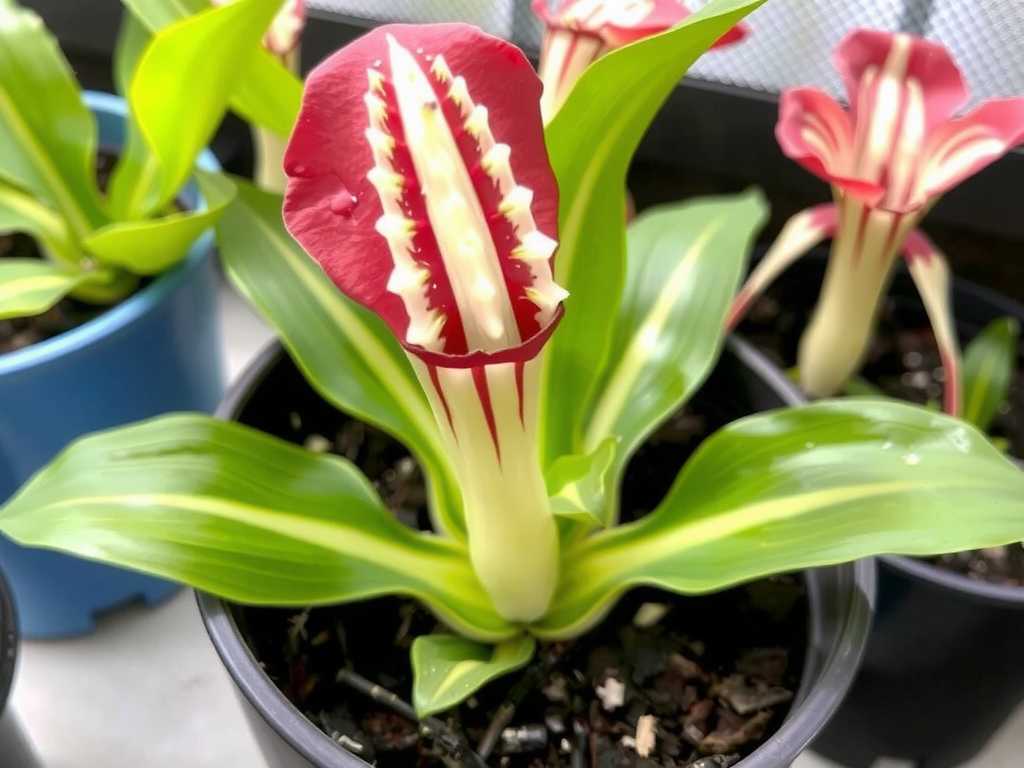
If you’re like me, the sight of a struggling Sarracenia is a special kind of heartbreak. You’ve provided the perfect bog-like conditions, the right water, and all the sun you can muster, yet your pitcher plant looks… hungry. Its pitchers are small, the coloration is disappointingly green instead of vibrant red or purple, and new growth seems lethargic. I’ve been there, staring at my Sarracenia flava, wondering why it wasn’t thriving despite my meticulous care. The culprit, I discovered after much research and consultation, was a subtle but impactful nutrient deficiency. These plants have evolved to get their nutrients from prey, not soil, but sometimes, they need a little help, especially in cultivation. Through trial, error, and a dedicated two-week experiment, I developed a safe, effective fertilizing routine that brought my plants back from the brink. Here are my five proven tips.
Understanding the Sarracenia’s Unique Diet
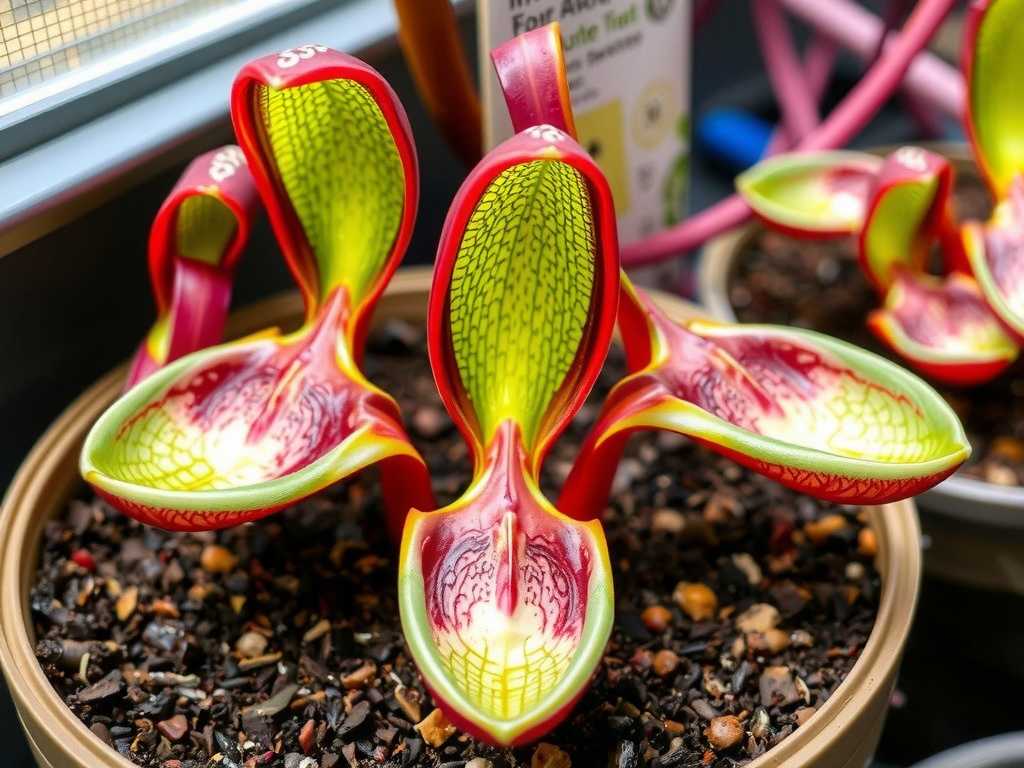
Before we dive into solutions, it’s crucial to understand the problem. Sarracenia are carnivorous plants native to nutrient-poor bogs. Their roots are adapted for anchorage and water absorption, not for mining nutrients from the soil. They obtain nitrogen, phosphorus, and other essential minerals primarily from trapped insects. In a controlled indoor or even outdoor garden setting, the natural prey catch might be insufficient, leading to deficiency symptoms.
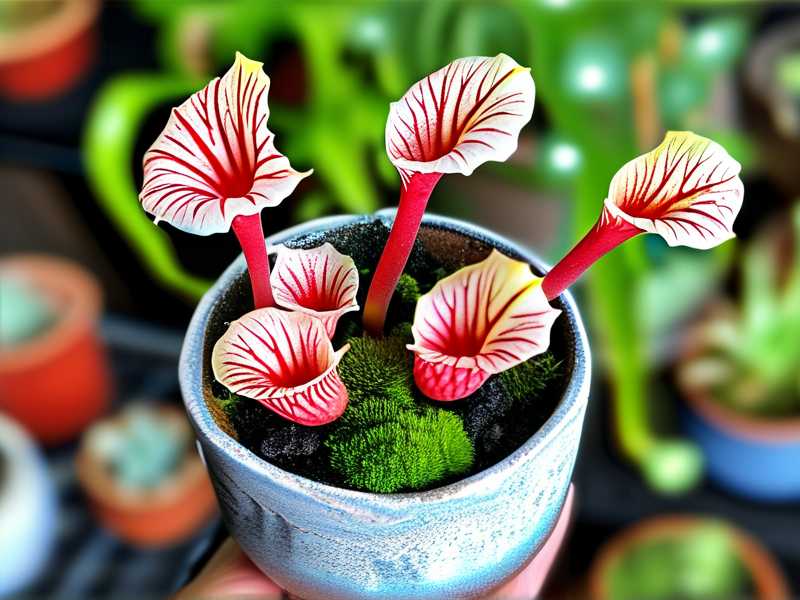
As noted by experts at the Carnivorous Plant Society and resources like The Savage Garden, the signs of nutrient deficiency in Sarracenia are often slow to manifest but clear once you know them: stunted pitcher development, pale or uniformly green coloration (lacking the typical venation and hood pigments), and generally weak, slow growth. It’s not a disease or a pest issue—it’s simply hunger.
My 2-Week Rescue Mission: A Personal Case Study
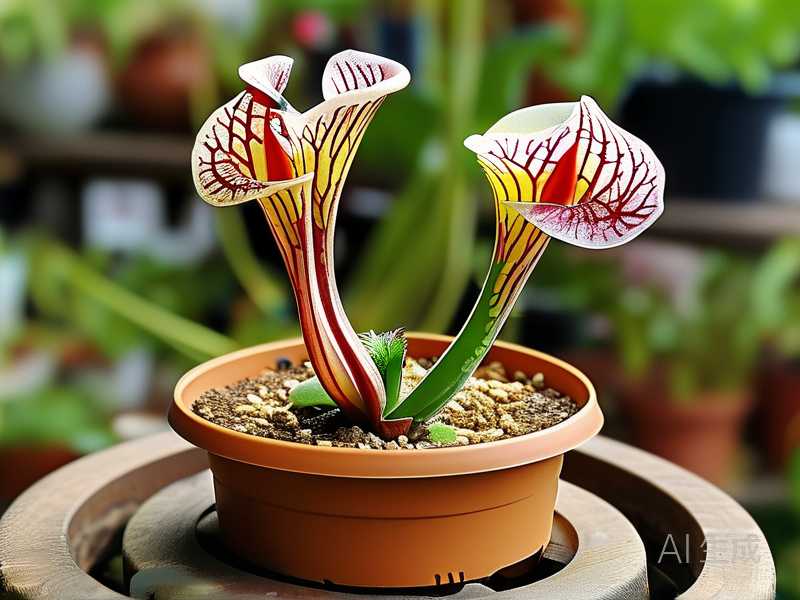
Two months ago, I noticed my prized Sarracenia ‘Judith Hindle’ was producing pitchers only half their usual size. They were limp and pale. I ruled out light issues (it was under full-spectrum LEDs for 14 hours) and watering (I use only distilled water). I decided to implement a careful, documented fertilizing regimen. For two weeks, I followed the tips below, taking daily notes and photos. The turnaround wasn’t overnight, but by the end of the period, I observed firmer tissue, a noticeable deepening of red hues in the veins, and the emergence of a new, significantly larger pitcher bud. It was working.
Tip 1: Foliar Feeding is Your Best Friend (The Safe Method)
The absolute safest way to fertilize Sarracenia is through foliar application. This mimics how they absorb nutrients from decomposing prey inside their pitchers. Direct root fertilization is risky and can burn their sensitive root systems.
My Step-by-Step Process: I used a balanced, orchid or epiphytic fertilizer at 1/4 strength of the recommended dosage. A product with an NPK ratio like 1-1-1 or 2-1-1 is ideal. I mixed a quarter teaspoon into a gallon of distilled water. Using a small, misting spray bottle, I lightly misted the inside surfaces of the pitchers and the outer surfaces of the leaves. I was careful to avoid the soil media completely. I performed this once a week, in the early morning, so the moisture could evaporate during the day and prevent fungal issues. The Result & The Pitfall: Within the first week, the existing pitchers felt more rigid. However, I made a mistake early on—I sprayed too heavily, and some fluid dripped into the crown of the plant. This caused minor rot on one leaf base. I immediately corrected by spraying more lightly and using a piece of paper towel to blot any excess from the crown. The lesson: gentle misting, not drenching.
Tip 2: The “Pitcher Pour” Technique for Direct Nutrition
For a slightly more direct approach, you can carefully add diluted fertilizer solution directly into the pitchers. This closely simulates the plant receiving a captured insect.
How I Did It: Using the same 1/4-strength fertilizer solution, I used a pipette to add about 1-2 milliliters (roughly a quarter teaspoon) into each open, healthy pitcher. I did this once every two weeks, alternating with my weekly foliar misting. This ensured I wasn’t overdoing it. Observation: This method seemed to give a quicker visible boost to pitcher coloration. The veins on my Sarracenia flava became markedly redder within 10 days. A key point from the International Carnivorous Plant Society (ICPS) guidelines is to avoid filling pitchers more than 1/4 full with solution to prevent unnatural dilution of their own digestive enzymes.
Tip 3: Choosing and Diluting the Right Fertilizer
Not all fertilizers are created equal for carnivorous plants. You must avoid standard garden fertilizers, which are often too strong and contain harmful additives like urea or micronutrients in forms that can be toxic.
My Criteria: Water-Soluble & Urea-Free: I selected a fertilizer labeled for orchids or air plants, as these are typically urea-free. Urea can harm the sensitive microbial ecology inside the pitchers. Dilution is Non-Negotiable: The mantra is “weakly, weekly.” A solution of 1/4 strength or even 1/8 strength is sufficient. As veteran grower and author Peter D’Amato often emphasizes in his talks, “When in doubt, dilute it more.” Strong fertilizer is a one-way ticket to burned roots and dead plants. I stored my mixed gallon jug in a dark, cool place to prevent algal growth between uses.
Tip 4: Timing and Seasonal Fertilizing Schedule
Sarracenia have a growth cycle. Fertilizing during dormancy is pointless and harmful.
My Seasonal Plan: Active Growth (Spring to Early Fall): This is the only time I fertilize. I began my rescue mission in mid-spring. I followed the weekly foliar/ bi-weekly pitcher pour schedule for 6 weeks. Observation Period: After the initial 2-week intensive care, I scaled back to a maintenance schedule of foliar feeding every 10-14 days. The new pitcher that began forming in week one was fully developed by week 6 and was the largest the plant had produced all season. Dormancy (Late Fall to Winter): I completely stop all fertilization. The plant is resting, and adding nutrients can disrupt this cycle and weaken the plant.
Tip 5: The Critical Role of Water and Medium Purity
This tip is about what not to do. Fertilizer cannot work if the basic growing conditions are sabotaging your plant. Sarracenia roots are extremely sensitive to minerals and salts.
The Foundation: Water: You must use pure water—rainwater, distilled, or reverse osmosis water. Tap water, even if left to sit, contains dissolved minerals that will build up in the soil and cause toxicity, locking out any benefits from your careful fertilizing. I use only distilled water for both watering and mixing fertilizer. Growing Medium: Your soil mix (usually a blend of sphagnum peat moss and perlite) must be nutrient-free. Never use potting soil, compost, or fertilized mixes. I repotted my ailing plant at the start of my experiment into fresh, unadulterated media to ensure no hidden salt buildup was interfering. The Royal Horticultural Society (RHS) advises that for all carnivorous plants, water purity is the single most important cultural factor, even above feeding.
Addressing Your Concerns: Common Questions Answered
Can I just feed my Sarracenia dead insects? Yes, you can. This is the most natural method. I’ve tried dropping rehydrated bloodworms or a small piece of a dead fly into a pitcher. It works. However, it’s impractical for a collection of plants, and overfeeding a single pitcher can cause it to rot. Liquid fertilizer, when diluted correctly, is a more controlled and consistent solution.
What if I see brown tips or spots after fertilizing? This is likely minor fertilizer burn. Immediately stop fertilizing and flush the pot thoroughly with copious amounts of pure water from the top to leach out any residual salts. Resume feeding only after the plant recovers, using an even more diluted solution. My early crown-rot incident taught me that less is always more.
How long until I see improvements from fertilizing? Don’t expect miracles in days. You are correcting a deficiency, not giving a stimulant. Look for changes in the new growth. Existing pitchers won’t magically turn red. In my case, the first positive sign (within a week) was improved turgor pressure in the leaves. Visible color enhancement in new pitcher veins started in the second week. A fully developed, healthy new pitcher is the ultimate sign of success and may take 4-8 weeks to fully form.
Reviving a nutrient-deficient Sarracenia requires patience and a gentle hand. The journey from pale and stunted to vibrant and robust is incredibly rewarding. By embracing foliar feeding, choosing and diluting your fertilizer meticulously, timing your applications with the seasons, and never compromising on pure water, you provide the supplemental care these fascinating plants sometimes need in our care. Remember, the goal is to mimic the gentle, natural nutrient input of their native bog, not to force-feed them. Start weakly, observe closely, and your pitcher plants will show their gratitude through spectacular, healthy growth.