bluename
 How to Fix Sarracenia Poor Soil: 4 Soil Amendment Tricks That Saved My Pitcher Plants
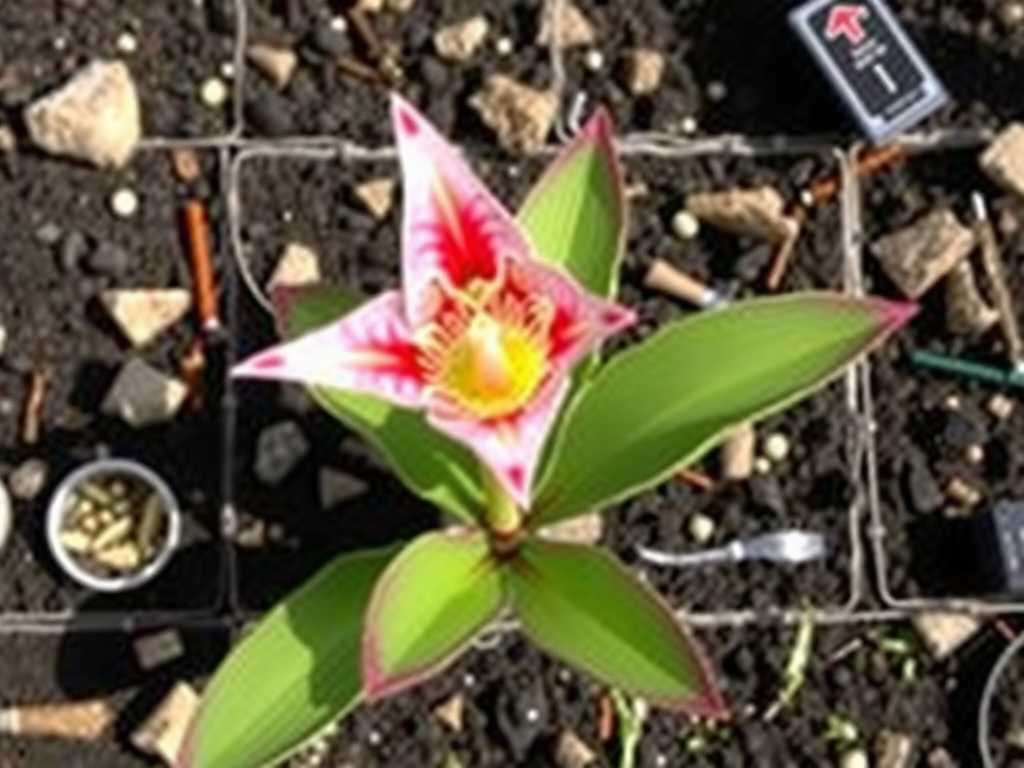
I’ve been there. You bring home a stunning Sarracenia, its pitchers standing tall like sentinels, only to watch it slowly decline. The vibrant greens fade, new growth is stunted, and those magnificent traps never quite form right. For years, I blamed light, water, or pests. But the real culprit, more often than not, was hiding beneath the surface: poor soil. Sarracenia are bog natives, and getting their soil wrong is the fastest way to fail. After nearly losing a prized Sarracenia flava, I embarked on a mission to understand and fix poor soil. What followed was a two-week experiment that transformed my plants. Here are the four soil amendment tricks that made all the difference.
Understanding the "Poor" in Poor Soil: What Sarracenia Actually Hate
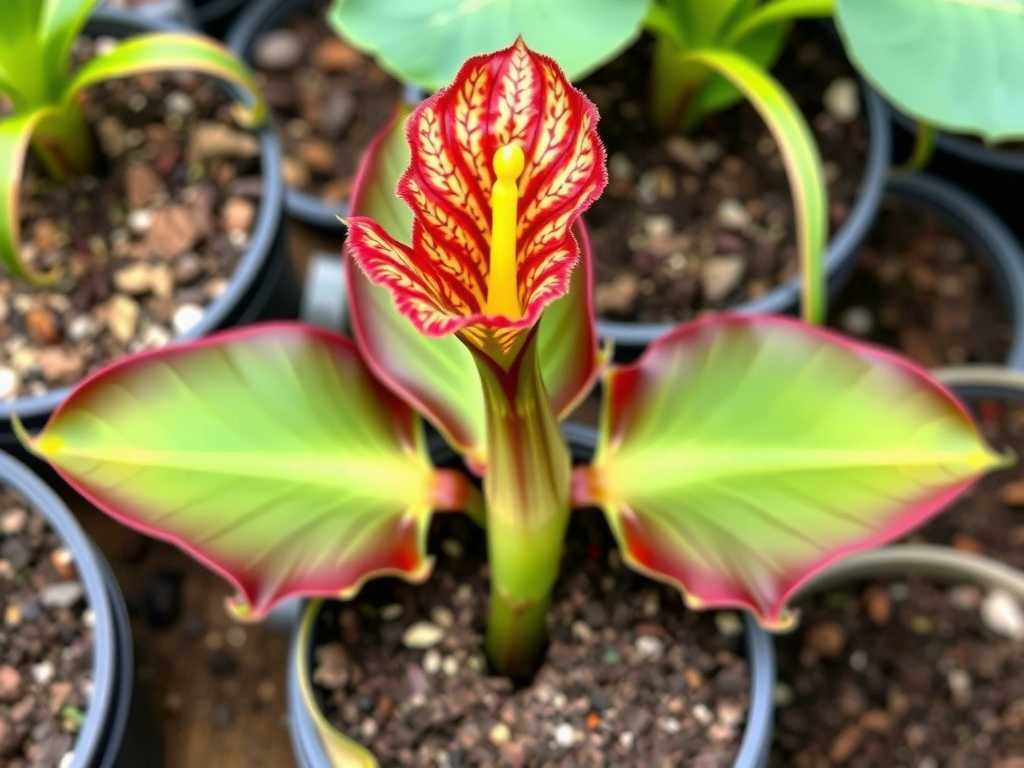
Before we fix it, we need to diagnose it. Sarracenia soil isn't just "dirt." It's a specific, airy, nutrient-poor, and acidic ecosystem. Poor soil for them is often:
- Too Rich or Fertilized: This burns their sensitive roots and promotes harmful algae and mold.
- Too Dense and Water-Retentive: Standard potting mix suffocates roots, leading to rot.
- The Wrong pH: They thrive in acidic conditions (pH 3.5-5.0). Neutral or alkaline soil locks up nutrients.
- Contaminated with Minerals or Salts: Tap water or mineral-rich substrates slowly poison the plant.
My failing Sarracenia flava was in a generic "peat and perlite" mix that had broken down into a sludgy, dense mat. Water pooled on top, and the base of the rhizome felt suspiciously soft. The situation demanded immediate intervention.
My 4-Step Soil Amendment Rescue Mission
I decided to repot and amend the soil for my struggling plant and two others showing early warning signs. I tracked their progress daily for two weeks.
Trick 1: The Complete Overhaul – Creating the Perfect Bog Mix from Scratch
When soil is severely degraded, amending in-place isn't enough. You need a fresh start.
- My Formula: I used a 50/50 blend of sphagnum peat moss and horticultural perlite. This is the gold standard, endorsed by experts like the Carnivorous Plant Society and International Carnivorous Plant Society (ICPS). The peat provides acidity and structure, while the perlite ensures permanent drainage and aeration.
- The Critical Step – Rinsing: Here’s where I messed up years ago. Peat moss is often dusty, and perlite can contain fine mineral dust. I placed both components in a large bucket and rinsed them thoroughly with distilled water until the runoff was clear. This removes impurities that can alter pH and add harmful minerals.
- The Process: I gently removed my Sarracenia from its old soil, washing the roots completely in distilled water to remove every speck of the old, bad medium. I then potted it in the new, rinsed mix.
- Two-Week Observation: The immediate change was dramatic. Within 3 days, the stagnant water issue was gone. The soil stayed moist but never waterlogged. By the end of week one, the existing pitchers felt firmer. In week two, I spotted the very tip of a new pitcher emerging from the center of the plant—a sure sign of root happiness.
Trick 2: The Sand Boost – Improving Drainage in Existing Pots
For a plant that isn't in crisis but needs better drainage, amending with sand can work. Not just any sand—horticultural quartz sand or pool filter sand is ideal because it’s inert, washed, and doesn't compact.
- My Method: For an established plant I didn't want to fully repot, I carefully scraped back the top layer of soil. I mixed a generous amount of pre-rinsed quartz sand into the existing peat-heavy mix around the edges of the pot. I avoided the crown to prevent abrasion.
- The Pitfall & Solution: My first attempt used play sand. Big mistake. It was full of silt and clay, which made the soil even heavier and cement-like. I had to repot that plant entirely (using Trick 1). The lesson was clear: only use coarse, washed silica-based sand.
- Two-Week Observation: The plant treated with good sand showed moderate improvement. Drainage was better, but not as transformative as a full repot. This is a good maintenance trick, not a rescue one.
Trick 3: The Long-Term Acidifier – Incorporating Sphagnum Moss
While peat moss is decayed sphagnum, live or dried long-fiber sphagnum moss is a powerful living amendment. It acidifies its surroundings, holds incredible amounts of water while staying airy, and has mild antiseptic properties.
- How I Used It: I took a handful of rehydrated long-fiber sphagnum moss and layered it on top of the soil as a mulch. I also mixed some into the top few inches of the new bog mix for my repotted plants. The American Sarracenia Conservancy (ASC) notes that sphagnum moss can help maintain a stable, humid microclimate at the rhizome level.
- Two-Week Observation: This was the star for moisture management. The moss top-dressing acted like a gauge. When it looked light and fuzzy, I knew the soil beneath was perfectly moist. It kept the rhizome base consistently cool and humid. New root growth seemed to gravitate toward the moss layers.
Trick 4: The Mineral Flush – Correcting Water-Based Soil Contamination
Sometimes, the soil mix is right, but it's been poisoned by hard water. Salts and minerals build up, creating a toxic environment. Flushing the soil is a crucial amendment trick.
- My Process: I placed the potted plant (with drainage holes!) in a sink or tub. Using a large volume of distilled water or rainwater, I slowly poured it through the soil for several minutes, allowing it to drain completely. I repeated this 3-4 times over the course of an hour. This leaches out accumulated salts.
- Two-Week Observation: For a plant suffering from tip-burn on its pitchers (a sign of mineral toxicity), flushing brought a halt to the deterioration. Existing damage didn't heal, but all new growth emerged clean and healthy. This is now a part of my seasonal maintenance, done every 4-6 months for plants watered with anything less than perfect rainwater.
What I Learned: Key Takeaways from My Two-Week Test
- There's no substitute for a correct initial mix. Tricks 2-4 are for maintenance and minor corrections. A severely poor soil requires Trick 1: a complete change to a proper, rinsed peat-perlite blend.
- Patience is non-negotiable. The plants looked unchanged for the first 5-7 days. The real signs of recovery (new growth, firmer texture) only appeared in the second week. Don't expect overnight miracles.
- Water is part of the soil equation. You can have the perfect amended soil, but watering with tap water will ruin it over time. Always use low-mineral water.
Your Questions, Answered
Can I use regular potting soil and just add more perlite? Absolutely not. Regular potting soil contains fertilizers, wetting agents, and compost that will kill Sarracenia. It is designed to retain nutrients, which is the opposite of what these carnivorous plants need. Always start with nutrient-free components like sphagnum peat moss.
How often should I amend or change my Sarracenia's soil? For a healthy plant in the correct mix, a full repot (Trick 1) is only needed every 2-3 years in spring, as the organic peat breaks down. Top-dressing with sphagnum moss (Trick 3) and seasonal flushing (Trick 4) are annual maintenance tasks to keep the soil in optimal condition.
My plant is in bad soil but it's dormant. Should I wait to repot? The best time to repot is in late winter or very early spring, just as dormancy breaks. However, if the plant is actively deteriorating (soft rhizome, active rot), repot immediately regardless of season. Saving the plant from fatal soil is more important than perfect timing. Use the fresh bog mix, provide stable conditions, and let it recover.
Fixing poor soil is the most fundamental act of care for your Sarracenia. It’s not the most glamorous task, but it is the most critical. By focusing on the foundation—a well-amended, acidic, and airy root environment—you solve 80% of common pitcher plant problems. My two-week journey from concern to celebration proved that. Give your plant the right home beneath the surface, and it will reward you with astonishing growth and otherworldly beauty above it.