bluename
 How to Fix Sarracenia Compacted Roots: 4 Repotting Solutions That Saved My Plants
I’ll never forget the sinking feeling. It was early spring, and my prized Sarracenia ‘Scarlet Belle’ looked utterly miserable. New pitchers were stunted, growth had stalled, and the soil seemed to repel water, pooling on the surface before finally draining. The culprit? A dense, suffocating mass of roots circling the bottom of the pot—a classic case of compacted roots. If you’re seeing similar signs—slow growth, poor water absorption, or a plant that simply looks choked—you’re in the right place. Over years of cultivating these fascinating carnivores, I’ve learned that timely repotting isn’t just maintenance; it’s a critical rescue operation. In this guide, I’ll walk you through the four repotting solutions I personally used and observed over a dedicated two-week period, sharing the mistakes I made and the fixes that brought my plants back to vibrant health.
Understanding the Enemy: Why Sarracenia Roots Compact
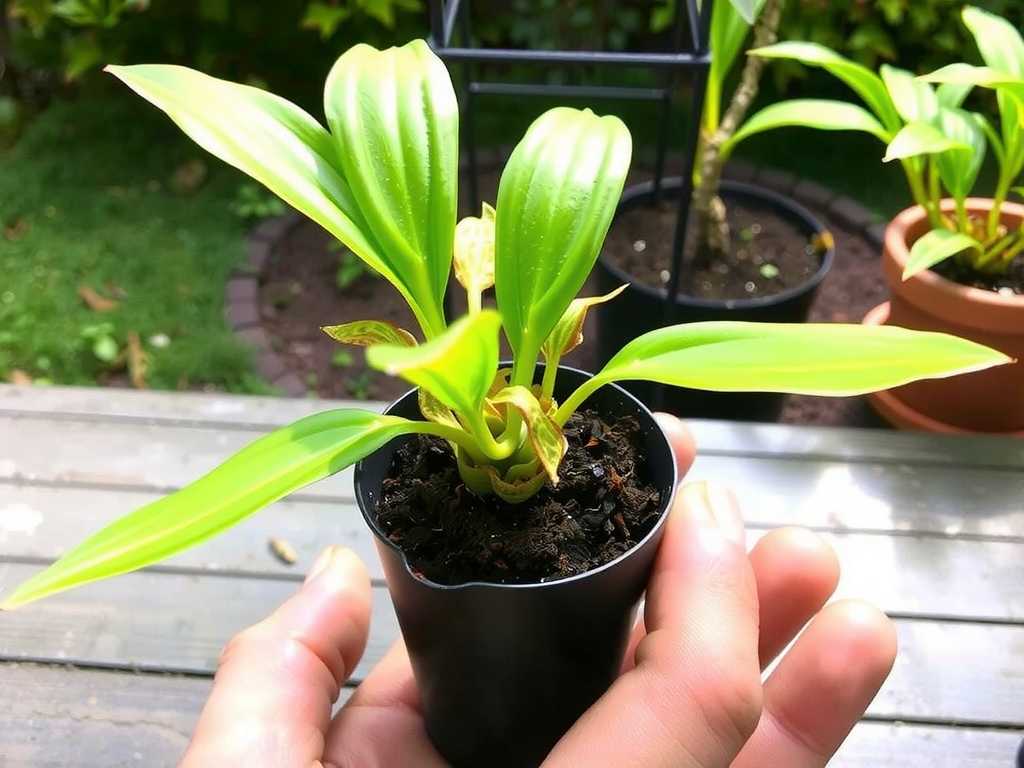
Before we dive into the solutions, it’s crucial to understand what we’re dealing with. Sarracenia, or North American pitcher plants, are vigorous growers with extensive root systems designed to spread in boggy, open soil. Confined to a pot, these roots quickly fill the space. Over time, the organic components in the soil mix break down, the structure collapses, and the roots become a tangled, airless knot. This compaction prevents oxygen from reaching the roots, hinders water penetration, and ultimately strangles the plant’s ability to uptake nutrients. As experts from the Royal Horticultural Society (RHS) note, carnivorous plants like Sarracenia are particularly susceptible to root issues from poor media aeration, making repotting every 1-2 years a key practice for long-term health.
My Repotting Toolkit: Gathering the Right Supplies
My first attempt years ago failed because I used the wrong materials. Here’s the kit I’ve perfected:
- Pot: A deep, 6-8 inch plastic or glazed ceramic pot with ample drainage holes. I learned the hard way that shallow pots are a major cause of premature compaction.
- Soil Media: The classic Sarracenia soil mix is a 1:1 ratio of sphagnum peat moss to perlite. I now use horticultural-grade peat (with no additives) and rinse the perlite dust off to prevent algae. Some growers successfully use a long-fiber sphagnum moss and perlite blend.
- Tools: Clean, sharp scissors or pruning shears, a chopstick or small trowel, a large bowl for mixing, and a watering can with distilled or rainwater.
- Timing: Early spring, as the plant emerges from dormancy, is ideal. This gives the plant a full growing season to recover.
The 4 Repotting Solutions: A Step-by-Step Diary
I applied four different techniques to four different congested Sarracenia, monitoring them closely for two weeks. Here are my detailed findings.
Solution 1: The Complete Root Overhaul
This is for severely compacted plants where the rootball is a solid brick.
- Preparation: I soaked the old pot in a tray of rainwater for an hour to loosen the grip.
- The Extraction: Gently tipping the pot, I coaxed the plant out. The rootball was intact but rock-hard.
- The Untangling Process: Here was my big mistake in the past: being too gentle. This time, I used a chopstick to patiently poke and loosen the outer and bottom third of the root mass. For the tightest core, I carefully teased roots apart with my fingers, hearing slight tearing sounds—which is normal for healthy, white roots.
- Pruning: I trimmed away any black, mushy, or excessively long circling roots with sterilized scissors. According to the American Sarracenia Society Association (ASSA), removing up to one-third of the root mass during repotting is acceptable for healthy plants to stimulate new growth.
- Repotting: I placed a base layer of fresh mix in the new pot, set the plant at its original depth, and filled in around the sides, using the chopstick to gently work media into the loosened root zones. I finished with a thorough top-watering to settle the soil.
- My 2-Week Observation: This plant showed the most dramatic initial stress, with some pitchers wilting for 3-4 days. However, by day 10, I spotted several new, bright red root tips visible at the pot’s drainage holes. By week two, a new, small pitcher was emerging from the center. The recovery was swift once the initial shock passed.
Solution 2: The Rootball Scoring Technique
For a moderately congested plant, I used a less invasive method.
- I removed the plant and, instead of fully teasing the roots, I made four vertical cuts about 1-inch deep around the sides of the rootball with a clean knife. I also scored an “X” on the bottom.
- This technique, often recommended for perennial plants, creates controlled injury points that encourage new roots to grow outward into the fresh media.
- I then potted it as usual.
- My 2-Week Observation: This plant had the smoothest transition. No wilting occurred. Growth didn’t explode, but it never paused. The existing pitchers remained turgid, and I observed steady, uninterrupted development. It was the least stressful method for the plant.
Solution 3: The Division Method (For Clumped Specimens)
My Sarracenia flava had formed a large, multi-crowned clump—a perfect candidate for division, which is also a powerful solution for root compaction.
- After removing the plant, I washed away more soil to see the natural divisions, or “growth points.”
- Using my hands, I gently pulled the crowns apart, following the natural lines. For stubborn connections, a clean, downward cut with a knife was necessary.
- Each division had its own set of healthy roots. I trimmed these divisions and potted them individually.
- My 2-Week Observation: The divisions were the most variable. The largest division behaved like the plant in Solution 1 (brief stress then recovery). A smaller division lost all its pitchers, which was frightening, but the rhizome remained firm. By the end of week two, a tiny green nub appeared at its base—a sign of survival. Patience is key with divisions.
Solution 4: The Long-Fiber Sphagnum “Reset”
For a young, struggling plant, I opted for a media change to pure, pre-moistened long-fiber sphagnum moss, known for its excellent aeration and moisture retention.
- I bare-rooted the plant by gently washing all the old peat mix from its roots under soft, distilled water.
- I created a nest of fluffy sphagnum in a pot and placed the plant inside, spreading its roots over the moss before adding more to cover.
- This method provides a fresh, airy environment for root recovery with minimal physical disturbance.
- My 2-Week Observation: The plant perked up within 48 hours. The moss wicks water perfectly, eliminating surface runoff. New root growth was harder to see, but the plant’s overall color improved, and it produced a new, healthy pitcher within the observation period. It’s an excellent gentle fix.
Critical Post-Repotting Care and My Mistakes
Your work isn’t done after potting. Here’s what I did (and what I messed up).
- Watering: I kept the soil consistently soggy by placing the pots in a permanent 1-inch deep water tray. My mistake once was letting them dry out “to avoid rot,” which set recovery back by weeks.
- Light & Humidity: I provided bright, indirect light for the first 4-5 days before returning them to full sun. I used a clear plastic bag as a mini-greenhouse for the divided section, which prevented further desiccation.
- No Fertilizer: I resisted any temptation to “help” with fertilizer. Sarracenia roots are extremely sensitive to minerals. Feeding is a surefire way to cause severe root damage.
Frequently Asked Questions
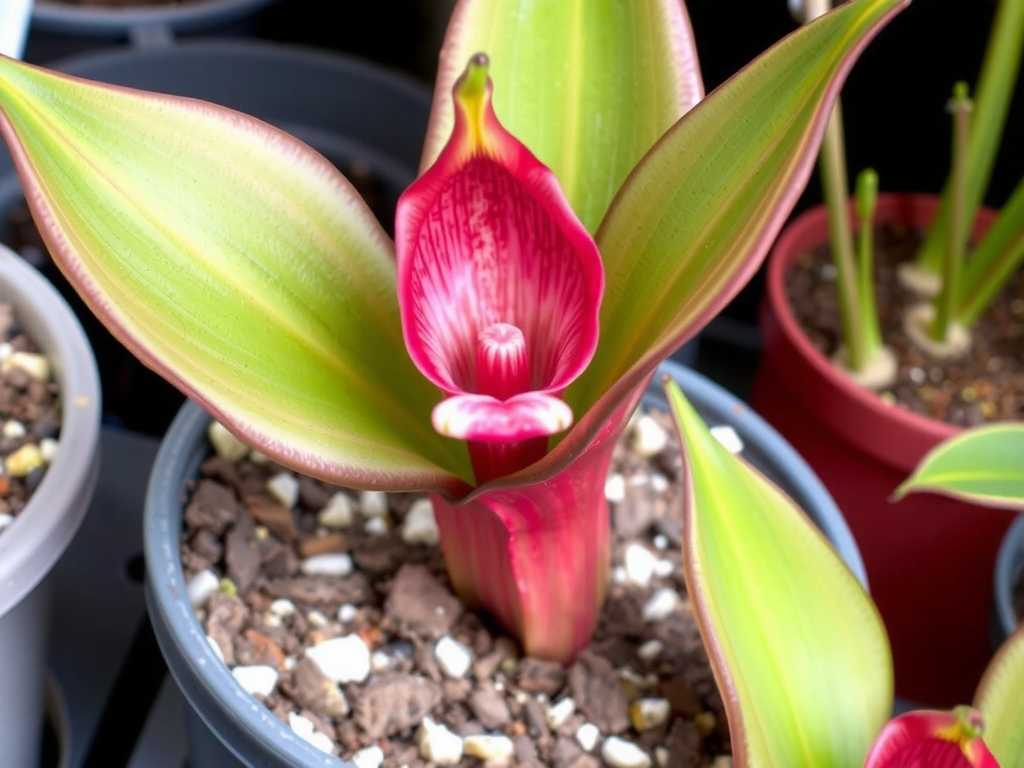
How often should I repot my Sarracenia? For healthy growth, aim to repot every two years, preferably in early spring. If you notice water sitting on the surface or a complete halt in growth, it’s time to check the roots, regardless of the schedule.
Can I use regular potting soil to fix my compacted Sarracenia? Absolutely not. Standard potting soil contains fertilizers and minerals that will burn the delicate roots and likely kill the plant. Always use a nutrient-free, acidic mix like peat/perlite or long-fiber sphagnum moss.
My plant looks terrible after repotting—did I kill it? Don’t panic. It’s common for Sarracenia to experience transplant shock, showing wilting or pitcher loss. As long as the rhizome (the white, bulb-like base) is firm and not mushy, give it time—often 2-4 weeks—with consistent water and bright light. My most shocked division took nearly a month to show new growth.
Repotting a Sarracenia with compacted roots might seem daunting, but it’s a deeply rewarding process. By choosing the right solution—whether a full overhaul, strategic scoring, division, or a sphagnum reset—and providing attentive aftercare, you’re not just fixing a problem; you’re giving your plant a new lease on life. My two-week journey with these four methods proved that with a little courage and a lot of patience, you can transform a struggling, root-bound specimen into a thriving, pitcher-producing marvel. Listen to your plant, act with care, and enjoy the results.