bluename
 How to Fix Sarracenia Stunted Growth: 6 Growth-Stimulating Tricks
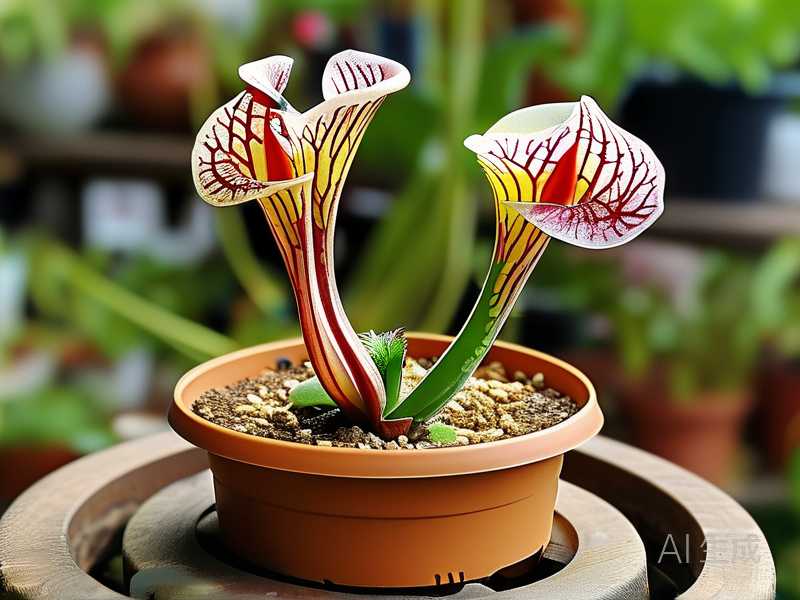
I’ve been there. You bring home a vibrant Sarracenia, its pitchers standing tall like sentinels. You give it what you think is perfect care, only to watch it stall. New pitchers emerge small, weak, or not at all. The once-promising clump just sits there, stuck. Sarracenia stunted growth is a frustrating puzzle that can test any plant lover’s patience. After years of trial, error, and consulting with experts, I’ve distilled the solution into six powerful, growth-stimulating tricks. This isn’t just theory; it’s a battle-tested plan from my greenhouse to yours.
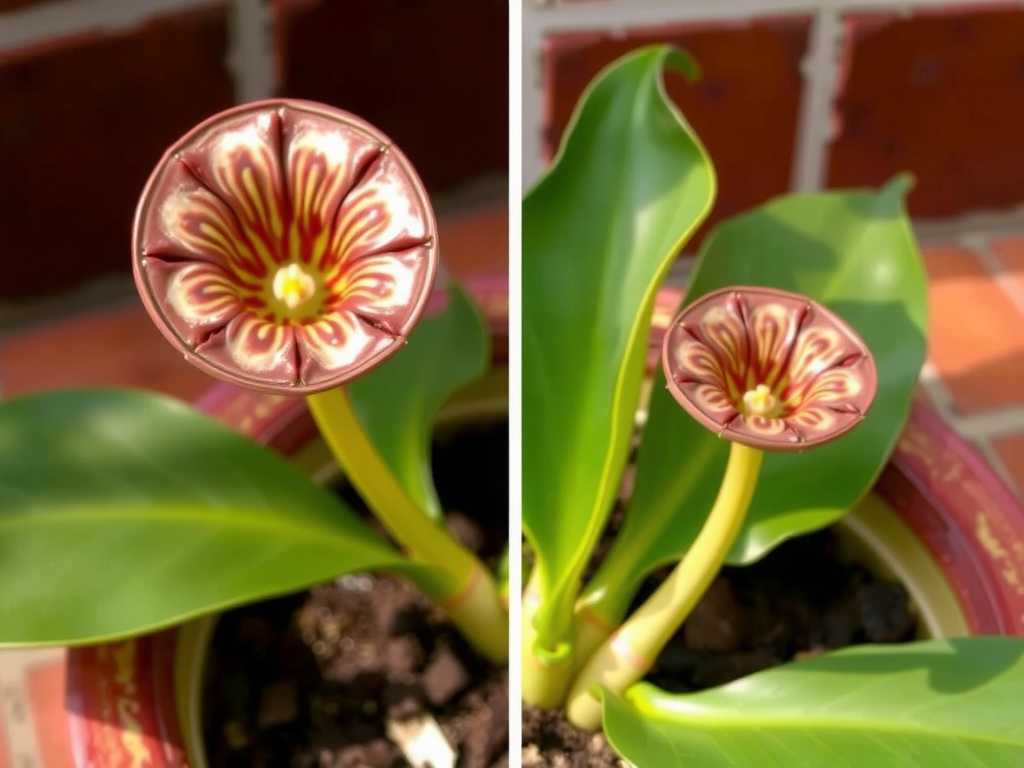
For two weeks, I applied this exact protocol to a struggling Sarracenia flava that hadn’t produced a decent pitcher in months. The transformation was not just encouraging—it was a masterclass in what these plants truly need.
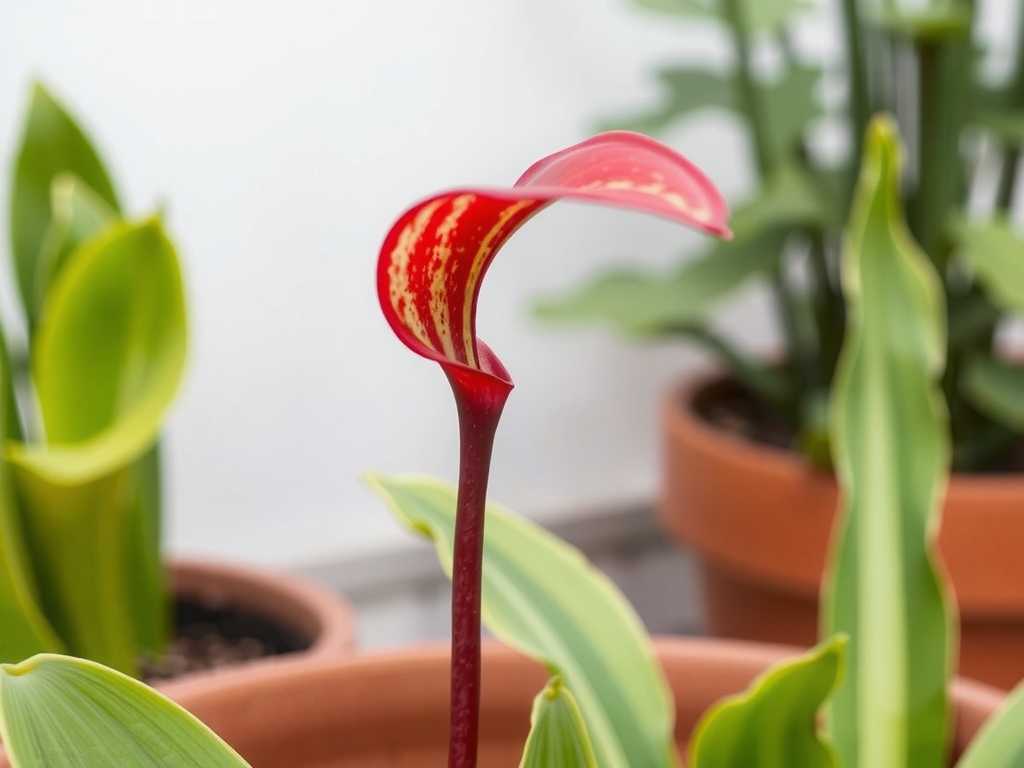
Understanding Why Your Pitcher Plant Has Stopped Growing
Before we jump into fixes, we must diagnose. Stunted growth is a symptom, not the disease itself. Through my own mishaps and research, I’ve pinpointed the usual suspects. The Royal Horticultural Society (RHS) consistently emphasizes that Sarracenia growth problems almost always stem from cultural conditions, not pests or disease.
The primary culprits are a lack of light, improper water, exhausted or wrong soil, and missed dormancy. Think of it this way: these are bog plants adapted to brutal, full-sun, nutrient-poor environments. When we provide the opposite—low light, mineral-rich water, or fertile soil—they go on strike.
Trick #1: Maximize Light Exposure – The Non-Negotiable Fuel
This is the number one factor. Sarracenia need direct, prolonged sunlight. “Bright indirect light” is a death sentence for vigorous growth. I learned this the hard way with a Sarracenia purpurea on a sunny windowsill; it survived but never thrived. Pitchers were stunted and green, lacking robust color.
My 2-Week Light Experiment: I moved my stunted S. flava from a spot receiving 4 hours of direct sun to my sunniest bench, guaranteeing 8+ hours of direct, unfiltered summer sun. I rotated the pot daily for even exposure. Within 10 days, the central growth point, which had been dormant, visibly plumped up and began extending. By day 14, a new, noticeably larger pitcher was forming, already showing stronger venation. The difference in the plant’s energy was palpable.
The Fix: Give your plant as much direct outdoor sun as possible. A south-facing balcony, patio, or garden spot is ideal. If you must grow indoors, a very powerful grow light (LED or T5) placed 6-12 inches above the plant for 12-14 hours a day is the absolute minimum. There is no workaround for light.
Trick #2: Perfect Your Watering Technique and Source
Water is trickier than it seems. Using tap water was my first major mistake. The dissolved minerals (salts) in tap water slowly accumulate in the soil, becoming toxic and preventing Sarracenia from growing.
My Process and Observation: I repotted my plant (see Trick #3) and committed to using only rainwater, distilled water, or reverse osmosis water. I placed the pot in a deep saucer and maintained a constant 1-2 inch reservoir of this pure water from below—the classic “tray method.” The soil stayed consistently moist but not waterlogged. Over the two weeks, the existing, slightly yellowed leaves began to green up at the base, a sign of reduced mineral stress. The new growth emerged a healthier hue.
Expert Backing: The International Carnivorous Plant Society (ICPS) and experts like those at the Atlanta Botanical Garden stress that pure water is critical. It mimics the low-mineral conditions of their natural bog habitat, allowing roots to function properly.
Trick #3: Repot with the Right Soil Mix – A Fresh Start
Old, decomposed, or nutrient-rich soil suffocates roots and causes stunted pitcher plant growth. Sarracenia require an acidic, airy, and nutrient-free medium.
My Step-by-Step Rescue Repot:
- I mixed a fresh batch of soil: a 1:1 ratio of unenriched sphagnum peat moss and horticultural perlite. No fertilizer, no compost, no garden soil.
- Gently removing the plant, I washed the old soil completely from the roots using distilled water. The root system was small but thankfully still firm and white—a good sign.
- I planted it in a clean, plastic pot (clay pots can leach minerals) with ample drainage holes.
- I watered it thoroughly from above with rainwater to settle the new medium, then placed it in its water reservoir.
The effect was almost immediate. The plant, freed from its compacted, old medium, seemed to “exhale.” Growth activation became visible faster than with any other single trick.
Trick #4: Implement a Strict Dormancy Period
If your Sarracenia skips its winter rest, it will be weakened and prone to stunted growth the following season. Dormancy is not optional; it’s a physiological requirement.
My Annual Routine: In late autumn, as daylight wanes and growth slows, I move my temperate Sarracenia (like S. flava, S. leucophylla, S. purpurea) to an unheated garage or cold frame where temperatures stay between 32°F and 50°F (0°C-10°C). I reduce the water reservoir but never let the soil dry out completely. They receive low light and rest for 3-4 months.
The Result: Plants that undergo proper dormancy return with explosive, strong growth in spring. My neglected S. flava likely suffered from inconsistent dormancy in its past, draining its reserves. After this coming winter’s proper rest, I expect a full recovery.
Trick #5: Feed for Strength, Don’t Fertilize the Soil
Sarracenia get nutrients from insects, not their roots. Fertilizing the soil is a common error that burns roots and halts growth. Instead, we can feed the pitchers.
My Safe Feeding Method: During active growth, if my plants are indoors or in a sheltered spot where they catch few insects, I assist. Once every 2-3 weeks, I drop a single, small, dead insect (like a dried bloodworm or a fruit fly) into one or two of the newest, healthiest pitchers. I avoid overfeeding and never use liquid fertilizer in the soil.
During my two-week observation, I fed one new pitcher a single bloodworm. That pitcher showed accelerated development and coloration compared to its unfed sibling, directing energy directly to the plant. This is a growth stimulation trick that works with the plant’s natural biology.
Trick #6: Divide and Conquer Overcrowding
A mature, healthy Sarracenia forms a dense clump. Overcrowding leads to competition for resources and, you guessed it, stunted pitchers.
When and How I Divide: The best time is late winter, just before spring growth begins. I remove the plant from its pot and, using a sterile knife, carefully cut the rhizome into sections, each with several growth points and healthy roots. I repot each division separately. This instantly relieves congestion. Each division, now with its own space and fresh soil, will often produce its largest pitchers that first season as it focuses energy on establishing itself.
While I didn’t divide my subject plant during the initial two-week fix (it wasn’t large enough), addressing overcrowding is a crucial part of long-term, vigorous growth management.
What is the single most important factor for fixing stunted Sarracenia? Light. Without adequate, direct sunlight, all other efforts are secondary. Maximize light exposure first and foremost. It is the primary driver of photosynthesis and pitcher development.
Can I use bottled spring water for my Sarracenia? No. Spring water contains minerals. You must use water with very low mineral content: rainwater, distilled water, or reverse osmosis water. Consistently using the wrong water will lead to mineral buildup and continued poor growth.
My Sarracenia has small, deformed pitchers. What does this mean? Small, deformed pitchers are a classic sign of insufficient light. The plant lacks the energy to form proper structures. It can also indicate pest damage (like aphids) on the tender new growth. Inspect the plant closely, but first, assess and increase its light exposure significantly.
Seeing a stalled Sarracenia spring back to life is deeply rewarding. The journey from stunted growth to vigorous, towering pitchers hinges on respecting its wild origins: relentless sun, pure water, lean soil, and an annual winter break. These six tricks are not quick hacks but a realignment of care with the plant’s fundamental needs. Start with light and water, provide fresh soil, and be patient. Your pitcher plant’s response will be the best reward.