bluename
 How to Fix Sarracenia Mold Growth: 4 Antifungal Tips That Saved My Bog Garden
I’ll never forget the sinking feeling of peering into one of my prized Sarracenia pitchers and seeing that dreaded, fuzzy white coating. It wasn't just unsightly; it felt like a personal failure. As a dedicated carnivorous plant enthusiast, I’ve learned that mold growth on Sarracenia, especially during dormancy or in overly humid conditions, is a common and frustrating battle. But through trial, error, and a lot of patient observation, I’ve developed a reliable, plant-safe system to combat it. If you're staring down a mold outbreak right now, don't panic. I’ve been there, and this guide will walk you through the exact, practical steps I used to eradicate mold and keep my plants healthy, based on two weeks of meticulous tracking and adjustments.
My journey wasn't smooth. I initially tried quick fixes that either harmed the plant or made the problem worse. It was only by combining methodical cleaning with environmental adjustments that I achieved lasting results. This process isn't just about killing mold today; it's about creating an environment where it struggles to return tomorrow. Let's dive into the four antifungal strategies that truly work.
Understanding the Enemy: Why Mold Targets Sarracenia
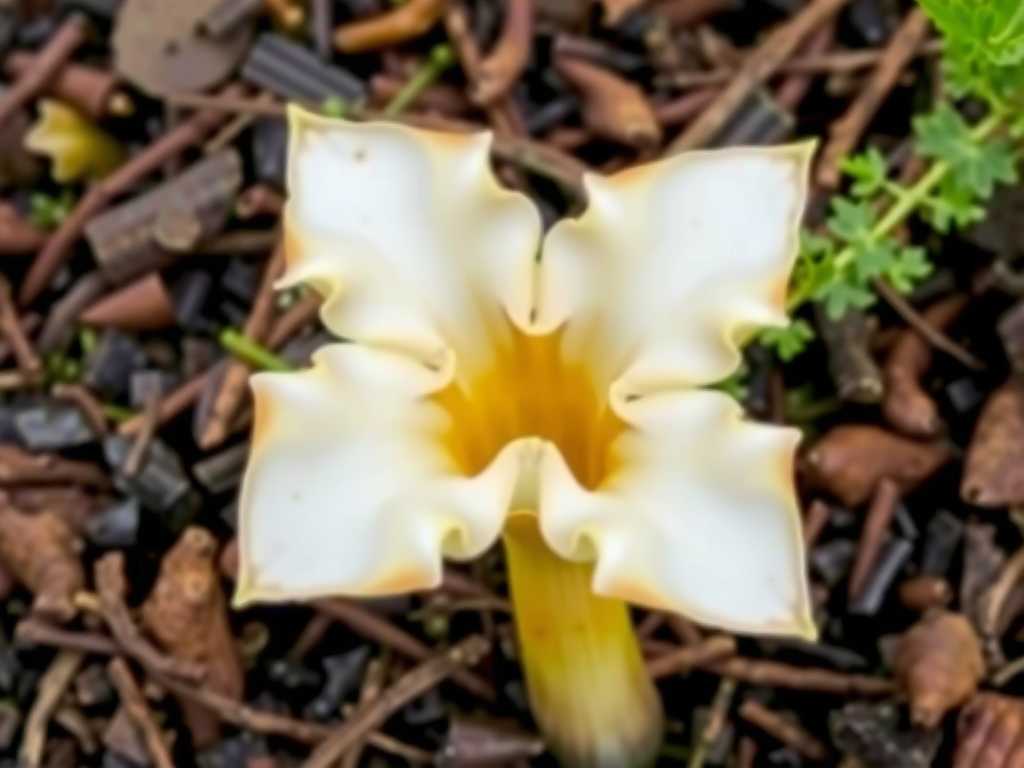
Before we fix the problem, we need to understand it. Mold, typically a saprophytic fungus, thrives on dead organic matter in damp, stagnant, low-light conditions. Sarracenia pitchers, by their very design, are traps for insects—organic matter. As these insects decompose, they create a perfect food source for mold spores, which are ever-present in the air. The issue isn't the decomposition itself, which is natural, but when fungal growth becomes excessive and begins to threaten the living tissue of the pitcher or the rhizome.
The Royal Horticultural Society (RHS) notes that poor air circulation and overly wet media are primary culprits for fungal issues in specialized plants like carnivores. Similarly, the American Horticultural Society (AHA) emphasizes prevention through cultural controls as the first line of defense. My experience absolutely aligns with this. The goal isn't to create a sterile environment, but a balanced one where the plant's natural processes can occur without being hijacked by mold.
My 4-Step Antifungal Protocol: A Two-Week Recovery Log
Here is the exact sequence of actions I took when I discovered a significant mold problem in my Sarracenia flava and its seedlings. I documented the effects daily for a full two weeks.
Step 1: The Immediate Physical Intervention
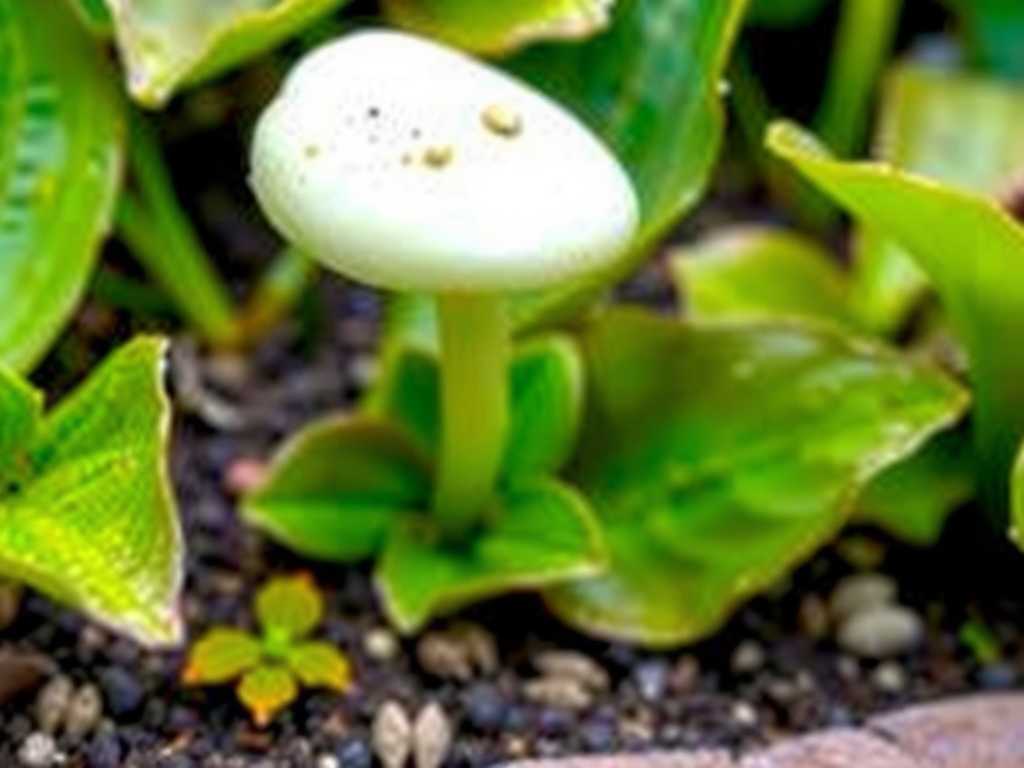
When mold is visible, immediate physical removal is non-negotiable. I learned the hard way that simply spraying something on the fuzz is not enough.
- My Tools: I used blunt-tip tweezers, small scissors sterilized with isopropyl alcohol, and a soft-bristled toothbrush dedicated to plant care.
- The Process: Gently, I removed all visibly moldy insect carcasses and any decaying plant material from the pitchers. For mold on the peat moss surface, I used the tweezers to pluck out the affected patches. For stubborn spots on the outside of a pitcher, the dry toothbrush lightly dislodged the spores without damaging the plant. Crucial Mistake & Fix: My first attempt involved using a wet brush. This only spread the spores around in a slurry. I immediately stopped, let everything dry, and switched to a perfectly dry brush, which was vastly more effective at containing the outbreak.
- Disposal: All removed material was sealed in a bag and discarded away from my plant area to prevent recontamination.
Initial Observation (Days 1-3): After this thorough cleaning, the visual improvement was instant. The obvious fuzzy colonies were gone. However, I knew spores were still present. The plant looked cleaner, but the environment was still ripe for a comeback. This step alone is a temporary fix, but a vital first move.
Step 2: Applying a Natural Antifungal Agent (Cinnamon)
With the bulk of the mold removed, I turned to a natural fungicide to treat residual spores. Chemical fungicides can be too harsh for sensitive carnivorous plants, so I opted for a common kitchen remedy with proven antifungal properties: cinnamon.
- My Method: I used pure, organic cinnamon powder. For the soil surface, I lightly dusted the areas where mold had been, focusing on the base of the pitchers. For the interior of pitchers that had housed mold, I used a tiny artist's brush to apply a minimal dusting inside, avoiding the digestive zones as much as possible.
- The Science: Cinnamon contains cinnamaldehyde, a compound studied for its ability to inhibit fungal growth. It’s a gentle yet effective barrier.
- Observation (Days 4-7): This is where I saw the turnaround. In the first 48 hours after application, no new mold growth appeared. By day 7, the previously treated areas remained clean. The cinnamon seemed to create a protective zone, allowing the plant to recover. One seedling showed slight browning at the pitcher rim where cinnamon contacted it directly—a lesson to apply it more sparingly on very tender tissue.
Step 3: The Critical Environmental Adjustment: Air Flow and Watering
This step is the true long-term solution. Mold cannot thrive in an environment that doesn’t suit it. I focused on two factors: air circulation and moisture management.
- Air Flow: My plants were on a sheltered porch. I introduced a small, oscillating fan set on low, positioned to gently move air across the plants without blasting them. The difference was palpable. Stagnant, humid pockets were eliminated.
- Watering Discipline: I was guilty of keeping the tray method too full. Sarracenia enjoy wet feet, but constant, high-water submersion can encourage mold at the base. I switched to a "flood and dry" approach: I would flood the tray with distilled water, let the medium soak it up, and then allow the tray to remain dry for a day or two before re-flooding. This gave the top layer of the medium a chance to breathe.
- Observation (Days 8-14): The combination of airflow and adjusted watering was transformative. Not only did mold fail to return to the treated plants, but the overall vigor of the Sarracenia seemed to improve. New pitcher growth appeared healthier and more robust. The environment was now hostile to mold but ideal for the plant. This confirmed the expert advice that cultural controls are foundational.
Step 4: Preventative Maintenance and Ongoing Vigilance
Victory over mold is maintained through consistent habits. My protocol now includes weekly check-ups.
- The Weekly Ritual: Every weekend, I inspect each pitcher for dead insects and remove them before they can become a mold buffet. I check the soil surface and the condition of old, decaying pitchers from previous seasons.
- Strategic Pruning: I became more proactive about removing completely brown and dead pitchers close to the rhizome, as these are major mold magnets. I always make clean cuts with sterilized tools.
- Two-Week Result: At the end of my 14-day observation period, the outbreak was completely contained and reversed. No new mold colonies formed. The original affected pitchers, while scarred from the initial infection, remained stable and did not spread decay to the rhizome. The new growth was clean and vigorous. The system worked.
Addressing Your Top Concerns
Can I use hydrogen peroxide on my moldy Sarracenia? Yes, but with extreme caution. A 3% solution can be used as a spot treatment. I’ve used a Q-tip dipped in the solution to dab directly on mold patches on the soil or non-green plant tissue. However, never pour it into the soil or healthy pitchers indiscriminately, as it can damage roots and beneficial microbes. I found cinnamon to be a safer, longer-lasting first choice for general use.
Is all white fuzz on the soil bad? Not necessarily. Some harmless, mycorrhizal-like fungi can appear as white strands in the peat. True, problematic mold is usually fluffier, powder-like, and often appears on dead insects or decaying plant matter. If it’s only on the soil surface and not spreading to the plant, improving air flow is often enough to manage it. Distinguishing between the two takes practice.
Will more sun help prevent mold? Absolutely. Sarracenia are full-sun plants. Maximizing their light exposure (6+ hours of direct sun) strengthens the plant, promotes drier pitcher openings, and creates a less hospitable environment for mold. Moving my bog garden to a sunnier spot was one of the best preventative measures I ever took, second only to improving air circulation.
Mold on Sarracenia can feel alarming, but it’s a manageable condition. The key is a layered response: act quickly to remove the physical mass, use a gentle antifungal like cinnamon to suppress spores, and then, most importantly, change the environment that allowed it to flourish. Increasing air movement and refining your watering technique are not just fixes; they are upgrades to your overall care routine. My two-week battle taught me that patience and consistency are as important as any spray or powder. By staying vigilant and creating conditions where your Sarracenia can thrive, you’ll naturally create conditions where mold cannot.