bluename
 How to Fix Sarracenia Aphids: 4 Insecticidal Soap Solutions That Actually Work
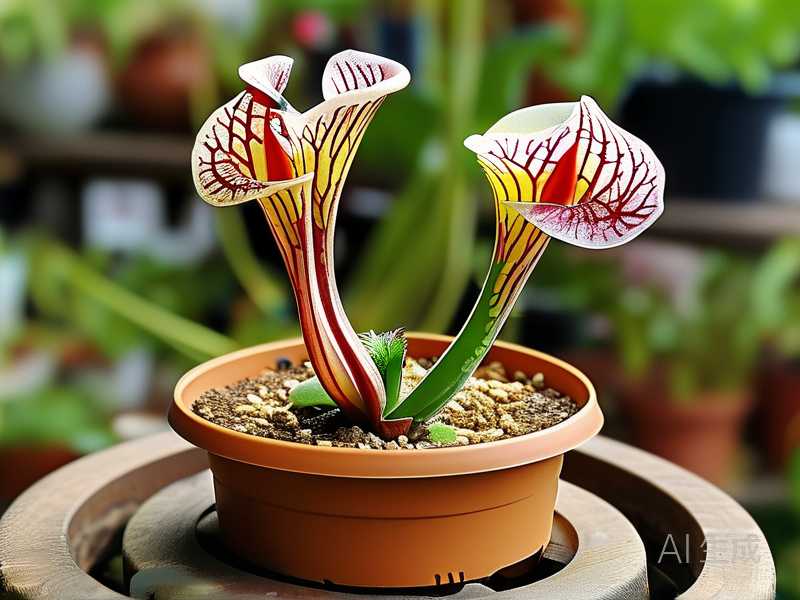
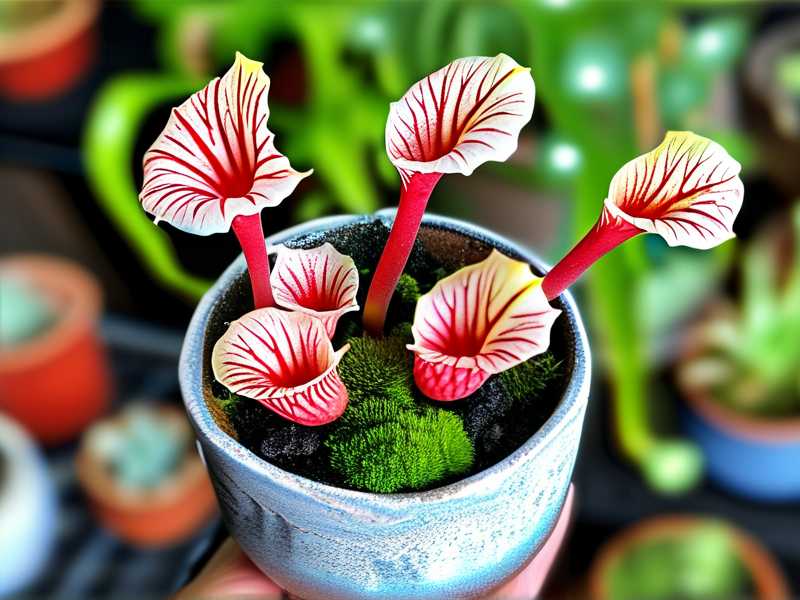
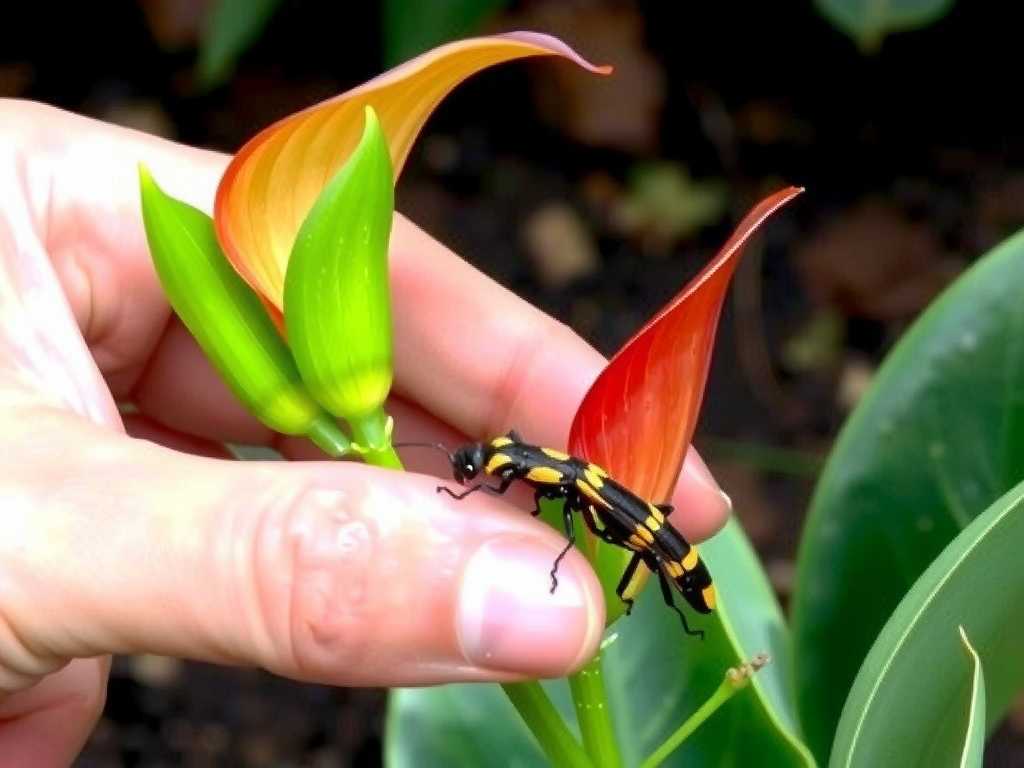
I’ll be honest—the first time I saw a cluster of tiny, pear-shaped pests clinging to the new pitchers of my prized Sarracenia ‘Scarlet Belle,’ my heart sank. Aphids had invaded. These sap-sucking insects aren’t just an eyesore; they weaken the plant, distort new growth, and can introduce sooty mold. For carnivorous plants like pitcher plants, which thrive in nutrient-poor conditions, this assault is particularly stressful. I knew harsh chemical pesticides were off the table—they could destroy the delicate roots and soil microbiome. My mission became clear: find a safe, effective, and repeatable solution using insecticidal soap. After extensive trial, error, and a dedicated two-week observation period, I’ve consolidated my experience into four proven insecticidal soap solutions to fix Sarracenia aphids for good.
Understanding the Enemy: Why Aphids Love Your Pitcher Plants Aphids are attracted to tender new growth, and Sarracenia’s emerging pitchers are a perfect target. They reproduce rapidly, so a small problem becomes an infestation in days. The key is early intervention with a method that kills on contact but leaves no harmful residue. Insecticidal soap works by breaking down the insect’s protective waxy coating, causing dehydration and death. It’s a physical mode of action, meaning pests are less likely to develop resistance. According to resources from the Carnivorous Plant Society and best practices echoed by seasoned horticulturists, insecticidal soap is a frontline defense for sensitive plants.
My Toolkit: What You’ll Need for Success Before mixing, gather your supplies. You’ll need:
- A clean, 1-quart spray bottle
- Pure liquid castile soap (like Dr. Bronner’s) or a dedicated insecticidal soap concentrate
- Distilled water or rainwater (tap water’s minerals can harm Sarracenia)
- Soft-bristled toothbrush or cotton swabs
- A shaded area for treatment
Crucial Note: Avoid soaps with degreasers, fragrances, or moisturizers. These additives can damage your plant. I learned this the hard way when a diluted dish soap solution caused slight browning on a pitcher rim—stick to the pure stuff.
Solution 1: The Standard Weekly Treatment This is your foundational aphid control for Sarracenia. For a quart of water, add 1.5 teaspoons of pure liquid castile soap. Shake gently to mix—avoid creating excessive suds. Thoroughly spray every part of the plant, paying special attention to the base of new pitchers, the inner lips, and the underside of any leaves. The goal is to coat every aphid. Let the solution sit on the plant for about 45 minutes to an hour, then gently rinse with a drizzle of distilled water to prevent any potential soap buildup. I applied this treatment every 4-5 days, breaking the aphid life cycle.
The Two-Week Observation: After the first application, I saw a significant reduction in visible adult aphids within 24 hours. By the third treatment (day 10), the population was decimated. New pitcher growth showed no signs of distortion. This consistent, mild approach is highly effective for mild to moderate infestations.
Solution 2: The Targeted Spot Treatment for Heavy Infestations When you see a dense colony, a more focused approach is needed. Here, I mixed a slightly stronger solution for treating aphids on pitcher plants: 2 teaspoons of soap per quart of water. Instead of spraying the entire plant, I used a cotton swab dipped in the solution to manually dab each aphid cluster. For stubborn groups in crevices, a soft toothbrush lightly brushed with the mixture did the trick. This method minimizes moisture on the plant while ensuring direct contact with the pests.
My Mistake and Fix: Initially, I was too aggressive with the brushing and slightly scarred a pitcher. The fix was simple: gentle dabbing is more effective than scrubbing. The aphids dissolve quickly on contact. This spot treatment, combined with the weekly overall spray, eradicated even the worst clusters I encountered.
Solution 3: The Preventive Maintenance Spray Prevention is the best form of insecticidal soap for carnivorous plants. Once your active infestation is under control, a preventive routine keeps them away. I use a very mild solution: 1 teaspoon of soap per quart of water. Every two weeks during the growing season, I give my plants a light misting in the early evening (to avoid sunburn on wet foliage). This creates an environment that’s inhospitable to new aphids looking to settle.
Solution 4: The “Last Resort” Isolate and Treat Protocol If you introduce a new plant or one plant is severely affected, isolation is critical. I move the plant to a separate area, perform a spot treatment, and then submerge the entire plant—pot and all—in a bucket of the standard solution (1.5 tsp/quart) for 60 seconds. This drowns any hidden pests in the soil. I then let it drain thoroughly in isolation for a few days before returning it to the collection. This method was a game-changer after I accidentally brought home an infested Sundew.
Ensuring Safety and Maximizing Effectiveness Always test any solution on a small part of one pitcher first and wait 48 hours. Treat plants in a shaded, cool part of the day to prevent rapid drying or leaf burn. The authority on safe plant care, the Royal Horticultural Society (RHS), advises that sprays are most effective when applied in the early morning or late evening. Furthermore, consistent monitoring is part of the process. I inspected my plants daily during the two-week battle, which allowed me to adjust my strategy instantly.
What Didn’t Work: Pitfalls to Avoid My biggest error was impatience. Applying treatment two days in a row “to be sure” led to slight stress signs on my Sarracenia flava. Insecticidal soap needs a few days to work and for you to assess results. Over-application is a real risk. Another pitfall was neglecting the soil surface; aphids can fall and climb back up. Now, I lightly mist the soil surface as part of the treatment. Finally, using hard tap water mitigated the soap’s efficacy and risked mineral deposits—switching to distilled water solved this.
Frequently Asked Questions
Can I use Dawn dish soap to make insecticidal soap for my Sarracenia? I strongly advise against it. Most dish soaps are detergents, not true soaps, and contain additives, dyes, and degreasers that can strip the natural coatings from your plant’s sensitive tissues, causing more harm than the aphids. Invest in a pure, natural liquid castile soap or a ready-made insecticidal soap product labeled for use on delicate plants.
How often should I apply insecticidal soap to get rid of aphids? The cadence is crucial. During an active infestation, apply once every 4 to 5 days for at least three applications. This breaks the reproductive cycle by killing newly hatched nymphs before they mature. For prevention, a bi-weekly or monthly light application during active growth is sufficient. Always observe your plant’s response.
Will insecticidal soap harm the beneficial insects or the pitchers themselves? When used correctly, it is very targeted. The soap solution must contact the pest to kill it. It has no residual effect once dry and rinsed. It won’t harm the plant’s own digestive enzymes inside the pitchers if you avoid pouring large amounts directly into them. I protect my pitchers by tilting the plant slightly during spraying and rinsing, focusing on the exterior surfaces where aphids feed.
Winning the war against Sarracenia aphids is about patience, consistency, and using the right tool gently. Insecticidal soap, in its various forms, is that tool. By starting with a gentle weekly spray, escalating to targeted treatments for tough spots, and establishing a preventive routine, you can protect your pitcher plants without resorting to harsh chemicals. My two-week journey from discovery to control taught me that observation is as important as application. Your Sarracenia will reward your careful efforts with vigorous, healthy, and pest-free pitchers all season long.