bluename
 How to Fix Sarracenia Mealybugs: 5 Natural Treatment Tips
There's a special kind of frustration that comes from seeing your prized Sarracenia, a plant built to devour insects, become a helpless buffet for tiny, white, cottony pests. I know it well. One day, your pitcher plant is thriving; the next, you spot a telltale fluffy cluster at the base of a new growth point or tucked in a leaf seam. Mealybugs. My heart sank the first time I saw them on my Sarracenia flava. The immediate instinct is to reach for the strongest chemical pesticide, but for these sensitive carnivorous plants, that can be a death sentence in itself. After battling these stubborn pests across my collection, I’ve developed a reliable, plant-safe system. This guide is my firsthand account of exactly how to fix Sarracenia mealybugs using only natural methods, detailing my two-week treatment journey, the mistakes I made, and the solutions that finally brought my plants back to health.
Understanding Your Enemy: The Sarracenia Mealybug
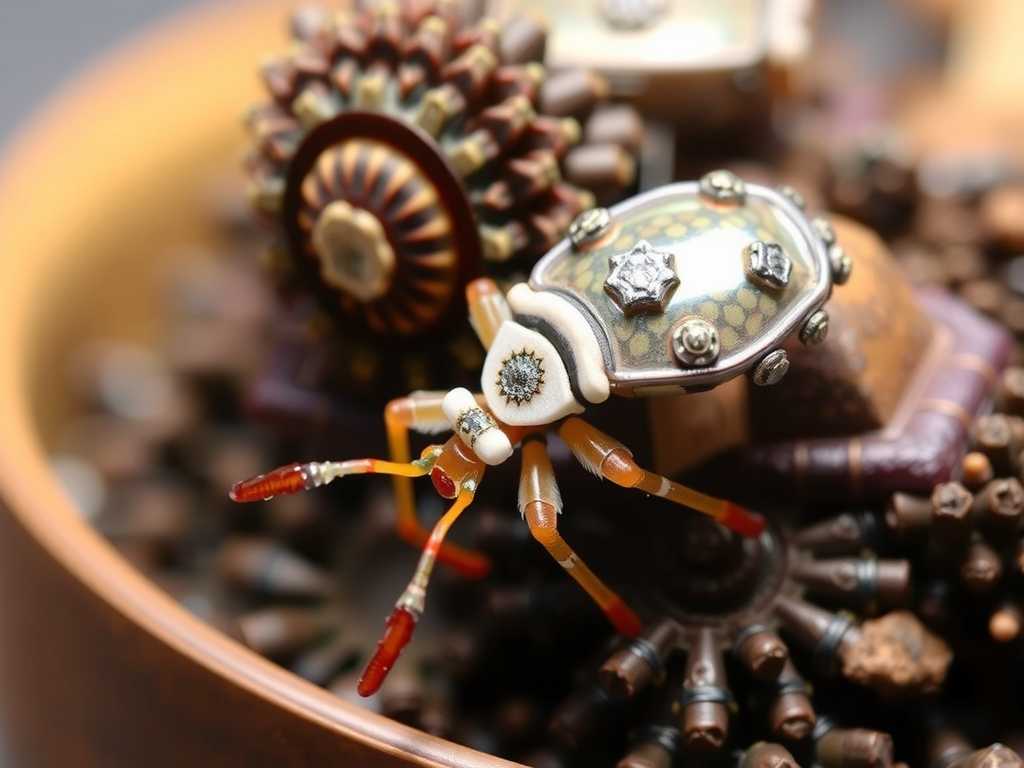
Before you can fight an enemy, you need to know it. Mealybugs are soft-bodied scale insects that suck sap directly from your plant's vascular system. On Sarracenia, they love to hide in the tight spaces where new pitchers emerge from the rhizome and at the base of existing pitchers. This weakens the plant, stunts new growth, and can introduce sooty mold. According to the Carnivorous Plant Society, mealybugs are a common pest for indoor collections, often introduced via new, untreated plants. Their waxy coating makes them resistant to many quick fixes, demanding a persistent, multi-pronged approach. My failure in my first attempt was underestimating their lifecycle; killing the visible adults is only half the battle.
My 5-Step Natural Treatment Protocol
This isn't a one-spray solution. It's a protocol I followed meticulously over two weeks, combining physical, biological, and botanical tactics. Consistency is your most powerful weapon here.
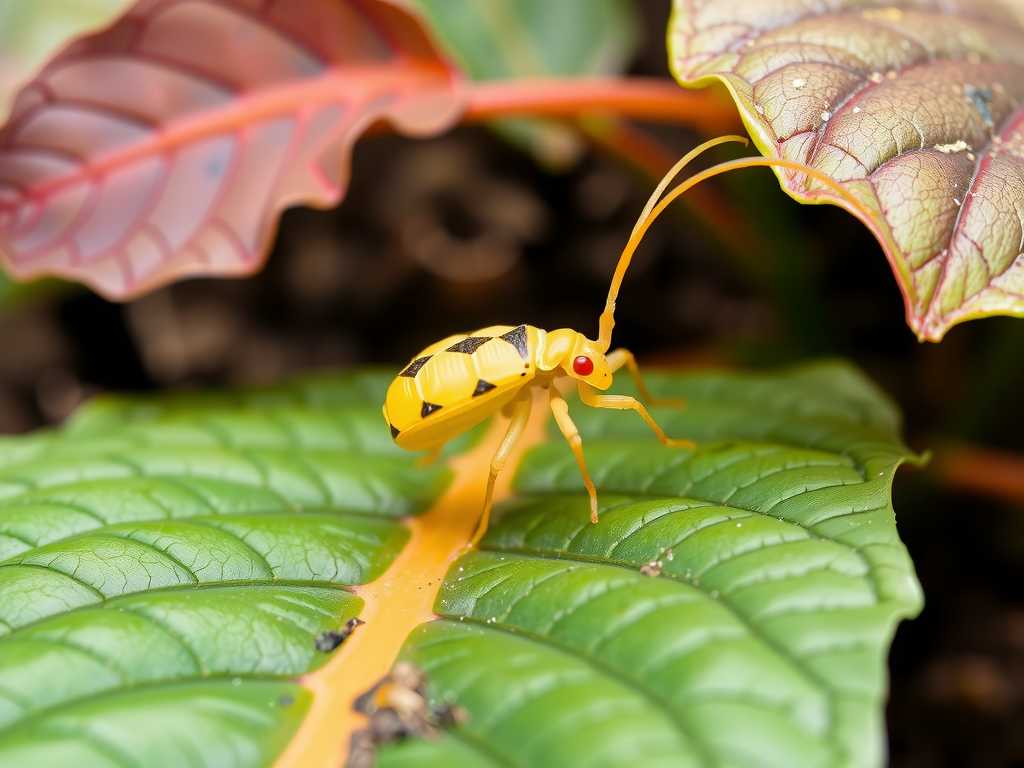
1. The Initial Isolation and Physical Removal
The moment you confirm mealybugs, isolate the affected Sarracenia. This is non-negotiable. I moved my infected plant to a separate room, away from all other carnivorous plants and houseplants.
My Process: I gathered tools: cotton swabs, a soft toothbrush dedicated to this task, isopropyl alcohol (70%), a bowl of soapy water, and a good light source. Wearing gloves, I dipped a cotton swab in the alcohol and gently dabbed every single white mass I could see. The alcohol dissolves their waxy shield on contact. For clusters in crevices, I used the dampened toothbrush for gentle dislodgement. I immediately wiped or brushed the bugs into the soapy water bowl to drown them. I spent nearly an hour on one plant, turning every pitcher and examining the rhizome. This natural treatment for pitcher plant pests is labor-intensive but foundational.
The Mistake I Made: I only did this once. A few days later, I saw new, smaller bugs. I didn't account for the nearly invisible eggs and crawlers.
The Solution: I made this a ritual. For the next two weeks, I did a brief physical check and spot treatment with alcohol every 2-3 days. This broke the lifecycle.
2. The Power of the Horticultural Soap Spray
After the initial wipe-down, I applied a thorough spray. I use a ready-to-use, insecticidal soap spray formulated for sensitive plants, but you can make your own. A simple recipe is 1.5 teaspoons of a mild liquid Castile soap per quart of distilled water (always use distilled or rainwater for Sarracenia).
My Application: I sprayed the entire plant—every surface of every pitcher, the rhizome, and the soil surface—until it was dripping. I did this in the evening to prevent the water droplets from magnifying sunlight and causing burns. The soap works by breaking down the insects' cell membranes and is effective against the younger, less protected crawlers.
Observation (Day 3): After the first spray and daily physical checks, the visible adult population was nearly zero. The plant looked clean, but I remained vigilant.
3. Introducing a Natural Predator: Cryptolaemus Larvae
For a more severe infestation I had on another plant, I escalated my mealybug control for carnivorous plants by introducing beneficial insects. I ordered Cryptolaemus montrouzieri larvae, a ladybird beetle whose larvae are voracious mealybug predators. This felt like bringing in the special forces.
My Experience: I released the tiny, alligator-like larvae directly onto the Sarracenia's rhizome and pitchers as per the supplier's instructions. They immediately began foraging. The beauty of this method within an indoor setting is that the predators will die off once their food source (the mealybugs) is gone, requiring no cleanup.
Observation (Day 7): The larvae were active. I could see a clear reduction in tiny crawlers that I had been spotting during my checks. This biological control was handling the microscopic battle I couldn't see.
4. The Neem Oil Soil Drench (A Preventive Strike)
Neem oil is a systemic insect growth regulator when used as a soil drench. It doesn't kill on contact but is absorbed by the roots, making the plant's sap unpalatable to sucking insects. This is a crucial, often missed step for managing mealybugs on Sarracenia.
My Procedure: I mixed a neem oil solution as directed for soil drenching (typically 1 tsp neem oil, 1/3 tsp mild soap as an emulsifier, per quart of warm water, shaken vigorously). I carefully poured it into the soil media, avoiding the plant's crown, until it drained from the pot's bottom. I did this once at the start of the two-week period.
Important Note: I avoided foliar sprays with neem oil on my Sarracenia, as it can clog their delicate pores and damage the pitchers. The soil drench provides systemic protection without this risk.
5. Environmental Correction and Quarantine
Mealybugs often exploit stressed plants. I reviewed my care: light, water, and humidity. I ensured the plant was getting maximum possible light to boost its vigor. I maintained the tray method with distilled water. Most importantly, I maintained the strict two-week quarantine, even when the plant looked clean.
My Two-Week Observation Log
- Days 1-3 (Initial Assault): Heavy physical removal + insecticidal soap spray. Plant looks wet and disturbed but clean of visible bugs.
- Days 4-7 (The Lull & Resurgence): Saw a few new, tiny crawlers. Maintained spot treatment with alcohol. Released Cryptolaemus larvae on one plant. Applied neem soil drench.
- Days 8-10 (Turning the Tide): Predator larvae were visibly fattening up. New crawler sightings dropped dramatically on all plants. No new fluffy egg masses appeared.
- Days 11-14 (Vigilance & Victory): Continued bi-weekly inspections. Found zero mealybugs at all life stages. The Sarracenia began pushing out a new, healthy pitcher from the growth point that was previously infested—the ultimate sign of recovery.
Common Pitfalls and How I Avoided Them
- Pitfall 1: Impatience. Stopping treatment after one week. These bugs have a 7-10 day egg cycle.
- My Fix: I committed to the full two-week protocol, understanding that persistence is key.
- Pitfall 2: Using Harsh Chemicals. I was tempted to use a systemic imidacloprid product.
- My Fix: I recalled advice from the International Carnivorous Plant Society, which warns that Sarracenia are extremely sensitive to many pesticides. Sticking to soap, alcohol, and neem was safer.
- Pitfall 3: Ignoring the Soil. Eggs can fall into the soil.
- My Fix: The insecticidal soap spray on the soil surface and the neem drench addressed this hidden threat.
Frequently Asked Questions
Can I use rubbing alcohol directly on my Sarracenia? Yes, but with caution. A 70% isopropyl alcohol solution applied directly via cotton swab to the bugs themselves is effective. I avoid spraying it liberally over the whole plant, as it can dehydrate and damage healthy tissue if overused. The dab-and-wipe method is targeted and safe.
Will mealybugs kill my pitcher plant? While a healthy, mature Sarracenia can withstand a light infestation for a while, a severe, unchecked infestation will severely weaken it, halt all growth, and can ultimately kill the plant, especially smaller or younger specimens. The stress also makes it susceptible to secondary infections.
How do I prevent mealybugs from coming back? The strongest prevention is a strict quarantine for all new plants for at least 3-4 weeks. Inspect them regularly. Maintain optimal growing conditions (full sun, clean water, good air circulation) to keep your plants robust and less appealing to pests. Regularly inspect your collection, especially in the nooks and crannies.
Seeing that first clean, robust pitcher emerge after the battle was immensely satisfying. Fixing a Sarracenia mealybug infestation naturally is a test of patience and observation, not brute force. By combining immediate physical removal with ongoing treatments like insecticidal soap, strategic biological controls, and a systemic neem drench, you can eradicate these pests without harming your delicate carnivorous plant. Remember, the timeline is critical—monitor and treat for a full two weeks to break the cycle. Your vigilant care is the most natural and effective treatment of all.