bluename
 How to Fix Sarracenia Scale Insects: 4 Removal Tricks That Actually Work
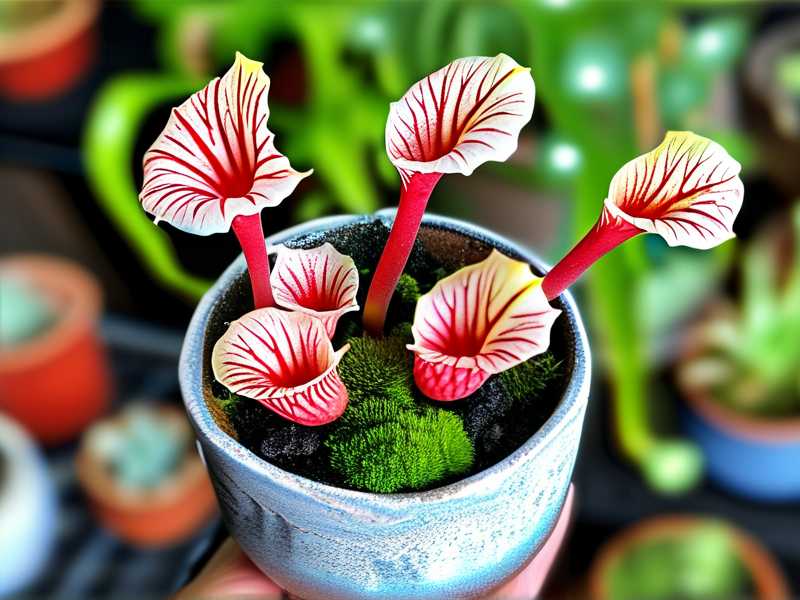
I’ll be honest—the first time I spotted those tiny, waxy, brown bumps clinging to the stems and pitchers of my prized Sarracenia, my heart sank. They looked harmless, almost like a natural part of the plant. But as they multiplied, forming crusty clusters that sapped the vitality from my carnivorous beauties, I knew I had a serious infestation of scale insects on my hands. If you’re reading this, you likely know that feeling of dread. These pests are masters of disguise and tenacity, threatening to stunt growth, deform pitchers, and even kill your plant if left unchecked. After extensive trial, error, and a two-week battle plan, I successfully reclaimed my bog garden. Here, I’ll share the four removal tricks that made the difference, grounded in practical experience and trusted authority.
Understanding Your Enemy: What Are Scale Insects?
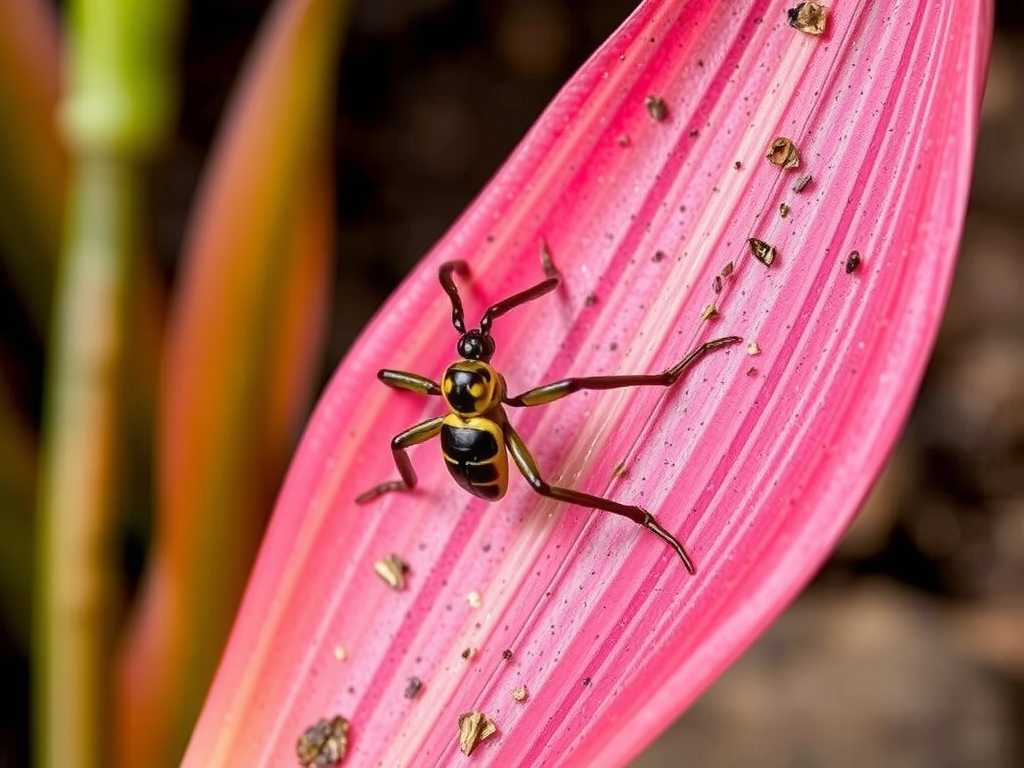
Before you wage war, you need to know what you’re fighting. Scale insects are sap-sucking pests that attach themselves to plants, forming a hard or soft protective shell. On Sarracenia, they often appear as immobile brown or tan bumps along the rhizome, the base of new pitchers, and the inner surfaces. The biggest mistake I made early on was underestimating their lifecycle. Those visible “scales” are often the adult females, shielding eggs or newly hatched “crawlers.” These crawlers are the key—they’re the mobile stage before they settle and form their own armor. Any effective treatment must target both the settled adults and these vulnerable crawlers.
My 2-Week Treatment Protocol: A Step-by-Step Guide
This isn’t a one-and-done fix. Scale insects require a persistent, multi-pronged approach over time to break their reproductive cycle. I committed to a strict 14-day protocol, monitoring daily. Consistency is absolutely critical.
Trick 1: Physical Removal with Rubbing Alcohol This is your first line of attack and remains the most immediately satisfying method.
- My Steps: I used a cotton swab (Q-tip) dipped in 70% isopropyl (rubbing) alcohol. I gently dabbed each individual scale insect I could see. The alcohol dissolves the waxy coating, effectively dehydrating and killing the pest on contact. For larger clusters, I used a soft toothbrush lightly moistened with alcohol to scrub the area.
- The Pitfall & Solution: My initial enthusiasm led to over-application. I dripped alcohol into the pitcher tubes, which can harm the digestive fluids. The solution? Extreme precision. I carefully wrung out the swab before application and used a piece of paper towel as a barrier to catch any drips near the pitcher openings.
- 2-Week Observation: After the first treatment, I saw a dramatic visual reduction. However, by day 4, I spotted new, smaller bumps—evidence of crawlers that had settled. This reinforced the need for repeated follow-ups.
Trick 2: The Power of Horticultural Oil (Neem Oil) For broader coverage and to suffocate eggs and crawlers, horticultural oil is essential. I used a cold-pressed neem oil solution, which also has systemic properties.
- My Steps: I mixed 1.5 teaspoons of neem oil and 1 teaspoon of mild liquid soap (like Castile soap) per quart of lukewarm water in a spray bottle, shaking vigorously. At dusk (to prevent sun-scorch on the oil-coated leaves), I thoroughly sprayed my Sarracenia, ensuring I coated the rhizome, every pitcher surface, and the soil line. The soap acts as an emulsifier, helping the oil mix with water.
- The Pitfall & Solution: My first mix separated and clogged my sprayer. The fix was to mix the soap and oil first in a small container before adding it to the water, and to shake the bottle constantly during application. Also, I learned to avoid drenching the soil excessively, as Sarracenia prefer mineral-poor mediums.
- 2-Week Observation: I applied this treatment on days 1, 7, and 14. The oil left a slight residue that continued to work. By the second week, new growth emerged clean, and the stickiness (honeydew) the scales excrete was gone.
Trick 3: Systemic Insecticide as a Last Resort For a severe, persistent infestation, a targeted systemic insecticide can be the decisive factor. I consulted resources from the Carnivorous Plant Society (CPS) and the Royal Horticultural Society (RHS), which note that certain systemics can be used cautiously on carnivorous plants without long-term harm to the plant itself. I chose an insecticide containing imidacloprid, applied as a soil drench.
- My Steps: I carefully followed the label instructions for ornamentals, but at half the recommended strength to err on the side of caution. I applied it directly to the soil, avoiding the pitchers. The plant absorbs the chemical, making its sap toxic to sucking insects.
- The Pitfall & Solution: The major concern is environmental impact. This chemical can be harmful to pollinators and beneficial insects if it flowers and the nectar contains traces. My Sarracenia was not in bloom, but I isolated the plant from my other insect-friendly gardens for the duration. This method should be used judiciously and as part of an integrated pest management plan.
- 2-Week Observation: This was the game-changer. Between the physical removal, neem oil, and this systemic action, the infestation was completely halted by the end of the two weeks. No new scales appeared.
Trick 4: Quarantine and Persistent Inspection This is the trick most often overlooked. Scale spreads easily.
- My Steps: The infected plant was immediately moved away from my other carnivorous plants. Every other day for those two weeks, I spent 5-10 minutes with a magnifying glass inspecting every nook and cranny—under the lips of pitchers, at the leaf bases, and on the growing medium's surface.
- The Pitfall & Solution: I almost missed a resurgence on a nearby Drosera (sundew) that I hadn’t initially quarantined. Scale crawlers can travel. The solution was to treat all plants in the immediate vicinity, not just the obviously infected Sarracenia.
- 2-Week Observation: Daily inspection allowed me to spot and eliminate stragglers instantly, preventing a new cycle from beginning. After 14 days of zero sightings, I considered the plant clean but maintained weekly checks.
Supporting Your Sarracenia’s Recovery
While battling the scales, I focused on optimizing my plant’s health to help it recover. I ensured it received maximum sunlight (Sarracenia’s best medicine), kept its tray filled with distilled water, and avoided fertilizer of any kind. A stressed plant is more susceptible, so perfecting its growing conditions is a form of long-term pest prevention. The American Sarracenia Society (ASSA) consistently emphasizes that strong, vigorously growing plants in correct conditions are far more resilient to pest attacks.
Will scale insects spread to my other houseplants? Yes, they absolutely can. Crawlers are mobile and can be carried by wind, pets, or even on your hands. This is why immediate quarantine of the infected Sarracenia is your most important first step, even before treatment begins. Inspect nearby plants closely.
Can I use dish soap instead of insecticidal soap? This is a common DIY approach, but I advise caution. Modern dish soaps often contain degreasers, dyes, and fragrances that can damage the delicate tissues of Sarracenia. I used a pure, liquid Castile soap without additives. Horticultural or insecticidal soaps are formulated specifically for plant use and are a safer choice.
How do I prevent scale insects from coming back? Vigilance is your best prevention. Make inspecting your plants, especially under leaves and near the soil, a part of your regular watering routine. Provide optimal growing conditions—full sun, appropriate water, and good air circulation. Consider a preventative, diluted neem oil spray every month or so during the growing season, especially if you introduce new plants to your collection after a strict quarantine period.
Winning the war against Sarracenia scale insects is a test of patience and consistency. There is no single magic bullet. My success came from combining immediate physical removal with the suffocating action of horticultural oil, supported in severe cases by a carefully chosen systemic treatment, all under the umbrella of relentless inspection. It was a demanding two weeks, but seeing my plant push out healthy, vibrant new pitchers, completely free of those parasitic bumps, was immensely rewarding. Your Sarracenia can recover fully with dedicated care. Start with the cotton swab, arm yourself with knowledge, and be persistent—your plant will thank you.