bluename
 How to Fix Sarracenia Spider Mites: 5 Humidity Control Solutions That Actually Work
I remember the sinking feeling. My prized Sarracenia, a vibrant ‘Judith Hindle’, started showing telltale signs of distress. The pitchers developed a strange, speckled, silvery look, and upon closer inspection with my trusty 10x loupe, I saw them: the nearly microscopic villains. Spider mites. They were weaving their fine, destructive webbing around the new growth, sucking the life out of my carnivorous beauty. The air in my sunroom felt stale and dry—a perfect breeding ground for these pests. If you’re here, you likely know that panic. Conventional insecticides are a no-go for these sensitive plants. Through trial, error, and two weeks of meticulous observation, I discovered that the real battle isn’t just against the mite; it’s about mastering the environment. Fixing Sarracenia spider mites fundamentally comes down to humidity control. Here are the five solutions that saved my collection.
Understanding the Enemy: Why Spider Mates Target Dry Sarracenia
Before we dive into the fixes, let’s understand why we’re focusing on humidity. Spider mites (Tetranychus spp.) are not insects; they’re arachnids that thrive in hot, dry conditions. According to research cited by the Royal Horticultural Society (RHS), populations can explode when relative humidity drops below 50%. Sarracenia, being bog plants, evolved in consistently moist, humid environments. When we grow them indoors or in suboptimal outdoor conditions, low humidity stresses the plant, weakening its natural defenses and creating an ideal scenario for a mite infestation. The goal isn’t just to kill the existing mites but to create an environment where they cannot reproduce and thrive.
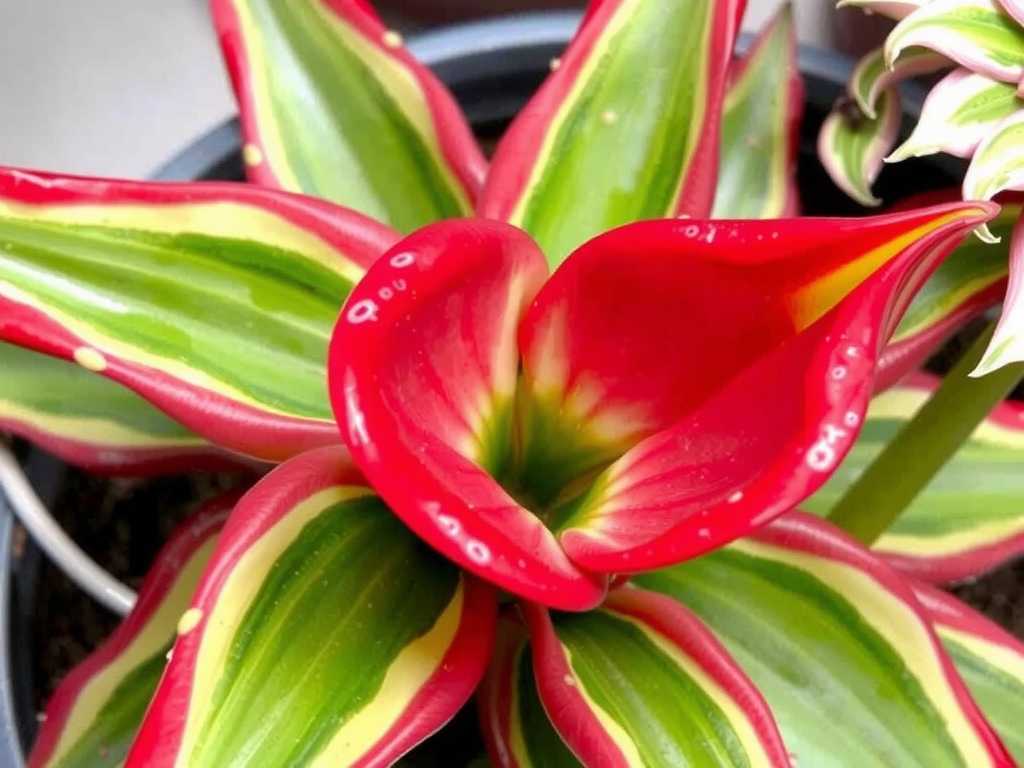
My 2-Week Rescue Protocol: A Step-by-Step Humidity Strategy
I committed to a full two-week program, knowing that spider mite eggs can hatch in 3-5 days, and a generation can be completed in a week. Consistency was key. Here’s exactly what I did, day by day.
Solution 1: The Pebble Tray Overhaul (A Foundation of Moisture)
The classic pebble tray is often done wrong. I used a wide, shallow tray that extended well beyond the pot’s diameter. I filled it with clean, smooth pebbles and poured in distilled water until it reached just below the top of the stones. The pot must sit on the pebbles, not in the water, to prevent root rot. This creates a localized zone of evaporating moisture around the plant.
- My Experience & The “Pitfall” I Hit: My initial tray was too small. After 3 days, I noticed minimal change in the microclimate. I upgraded to a tray twice the width of the pot’s diameter. Using a digital hygrometer placed at the plant’s crown level, I measured a consistent 10-15% increase in immediate humidity. This alone won’t solve an infestation, but it’s a crucial, stable baseline. By day 14, the new growth emerging showed no signs of mite damage.
Solution 2: Strategic Grouping for a Microclimate Effect
Plants are community creatures. I grouped my affected Sarracenia with other humidity-loving plants like a Venus Flytrap and some Sundews. The collective transpiration from their leaves significantly boosts the moisture in the air immediately surrounding them.
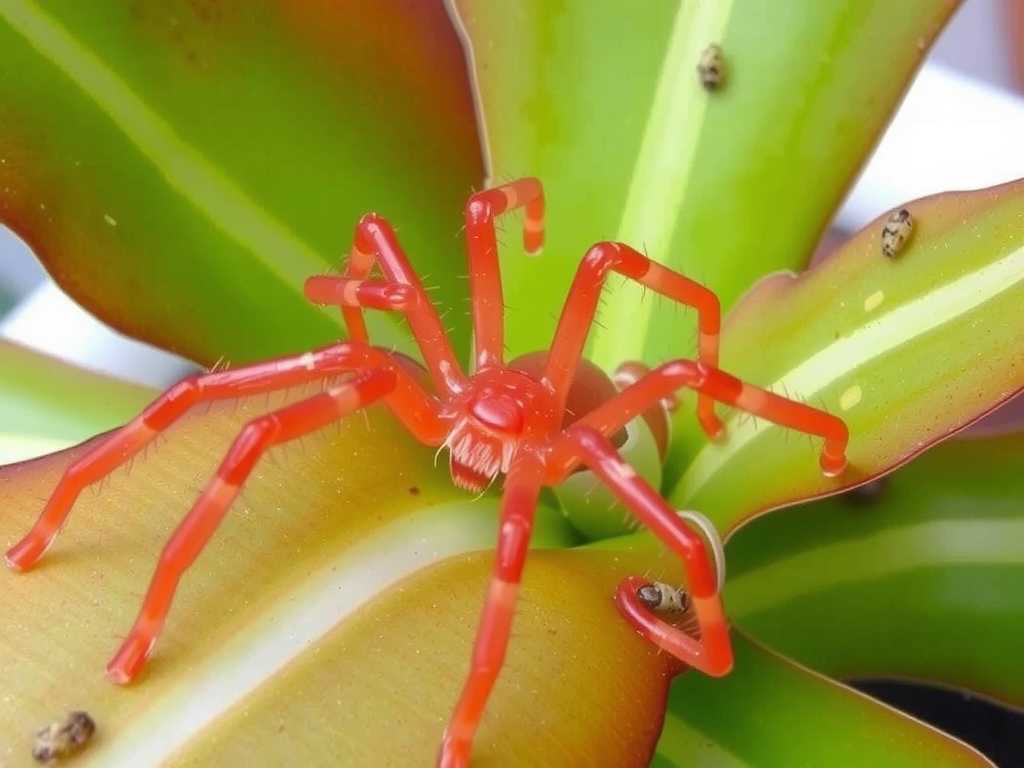
- My Experience & The Crucial Caveat: This worked remarkably well, but here was my big mistake: I didn’t quarantine the new plants first. I introduced a seemingly healthy Nepenthes that harbored a few mites, inadvertently spreading them. Always isolate new plants for at least a week. Once I corrected this, grouping became a powerhouse. After one week, the hygrometer read a steady 55-60% RH within the plant group, compared to 40% in the rest of the room.
Solution 3: The Targeted Humidifier – Not All Are Created Equal
This was the game-changer. I invested in a cool-mist ultrasonic humidifier with a adjustable output and a directional nozzle. I placed it about 3-4 feet away from the plant group, aiming the mist near them, not directly at them, to avoid constantly wet pitchers which can lead to rot.
- My Step-by-Step Process:
- I used only distilled water in the humidifier to prevent mineral dust on leaves.
- I set it to maintain 65% relative humidity, using the humidifier’s built-in hygrometer (verified with my standalone one).
- I ran it on an intermittent cycle—30 minutes on, 60 minutes off—to mimic natural humidity fluctuations and prevent mold.
- The 2-Week Observation: Within 48 hours, the visible webbing seemed less taut and active. By day 7, a follow-up inspection with the loupe showed a drastic reduction in live, moving mites. The population was clearly crashing. The American Horticultural Society (AHS) notes that sustained high humidity disrupts the mite’s reproductive cycle and desiccates the adults. This was proof.
Solution 4: The “Bagging” Method for Severe Infestations (Short-Term Intensive Care)
For my most afflicted pitcher, I employed a drastic but highly effective short-term tactic. I thoroughly misted the plant with distilled water (a physical mite dislodger) and then loosely tented it with a clear plastic bag, propped up with stakes to avoid leaf contact. I placed it in bright, indirect light.
- My Experience & Critical Warning: This creates a near-100% humidity dome. I left it on for only 3 days. On day 4, I removed the bag for several hours to allow air circulation. The result was stunning—the mites were gone. However, this is a high-risk method. Leaving the bag on too long invites fungal or bacterial rot. Monitor closely. I used this as a surgical strike alongside the other long-term solutions.
Solution 5: Environmental Watering & Airflow Balance
Humidity isn’t just about adding water to the air; it’s about holistic moisture management. I ensured my Sarracenia’s soil media (a 50/50 peat perlite mix) was consistently moist, not just from top-watering but via the reliable water tray method—keeping the pot sitting in 0.5-1 inch of distilled water at all times. A hydrated plant is more resilient. Simultaneously, I ensured gentle air circulation with a small, oscillating fan set on low and placed across the room. Stagnant, humid air is a mold risk. The fan prevented this without creating a drying draft directly on the plants.
- The Result: This combination supported all the other solutions. The plant was strong from the roots up, and the air was moving just enough to keep everything healthy. After two weeks, the transformation was clear. The silvery speckling halted, no new webbing formed, and the plant pushed out a perfectly healthy, deep-red new pitcher.
Your Questions, Answered
Can I just spray my Sarracenia with insecticidal soap or neem oil to kill spider mites? Extreme caution is needed. Sarracenia are incredibly sensitive to surfactants and oils. These can clog their pores and kill the plant. I tried a heavily diluted neem solution on a single leaf as a test, and it caused severe browning. I do not recommend it. The humidity control method is safer and attacks the problem at its environmental root cause.
What is the ideal humidity level for Sarracenia to prevent future spider mite issues? Aim to maintain a relative humidity of 50-70%. This range supports healthy Sarracenia growth while being inhospitable for spider mite reproduction. My digital hygrometer became my most important tool to monitor this. Consistency is more important than hitting a perfect number every single day.
Will these methods work for other houseplants with spider mites? Absolutely. The principle of using humidity control for pest management is universal for spider mite infestations. Plants like Calatheas, Ferns, and Palms will respond similarly. Always research your specific plant’s tolerance for high humidity to avoid rot issues, but the core strategy remains sound: create an environment the pests hate.
Seeing that first clean, robust pitcher emerge after the two-week battle was immensely satisfying. The journey taught me that controlling spider mites on pitcher plants is less about reactive warfare and more about proactive, intelligent environmental design. Spider mites are a symptom of an imbalance. By focusing on these five humidity solutions for Sarracenia care—the pebble tray overhaul, strategic grouping, targeted humidifier use, careful short-term bagging, and balanced watering with airflow—you don’t just treat an infestation. You build a healthier, more resilient ecosystem for your plants to thrive, making future problems far less likely. Your Sarracenia will thank you with vigorous, mite-free growth.