bluename
 How to Fix Sarracenia Leaf Spot: 4 Fungal Treatment Tips That Actually Work
There’s nothing more disheartening for a carnivorous plant enthusiast than watching your prized Sarracenia develop those telltale spots. You’ve provided the full sun, the mineral-free water, the perfect soil mix, and yet, here they are: unsightly brown or black lesions marring the beautiful, trumpet-shaped pitchers. I’ve been there, staring at a once-vibrant Sarracenia flava with a sinking feeling, worried I was about to lose it to a relentless fungus. The frustration is real. You search for answers and find conflicting advice—some too harsh, some too vague. After years of trial, error, and consultation with expert growers, I’ve consolidated a battle-tested, plant-friendly approach. This guide isn’t just theory; it’s the exact 4-step fungal treatment plan I used to save my plants, complete with my two-week observation log and the mistakes I made along the way.
Understanding the Enemy: What Is Sarracenia Leaf Spot?
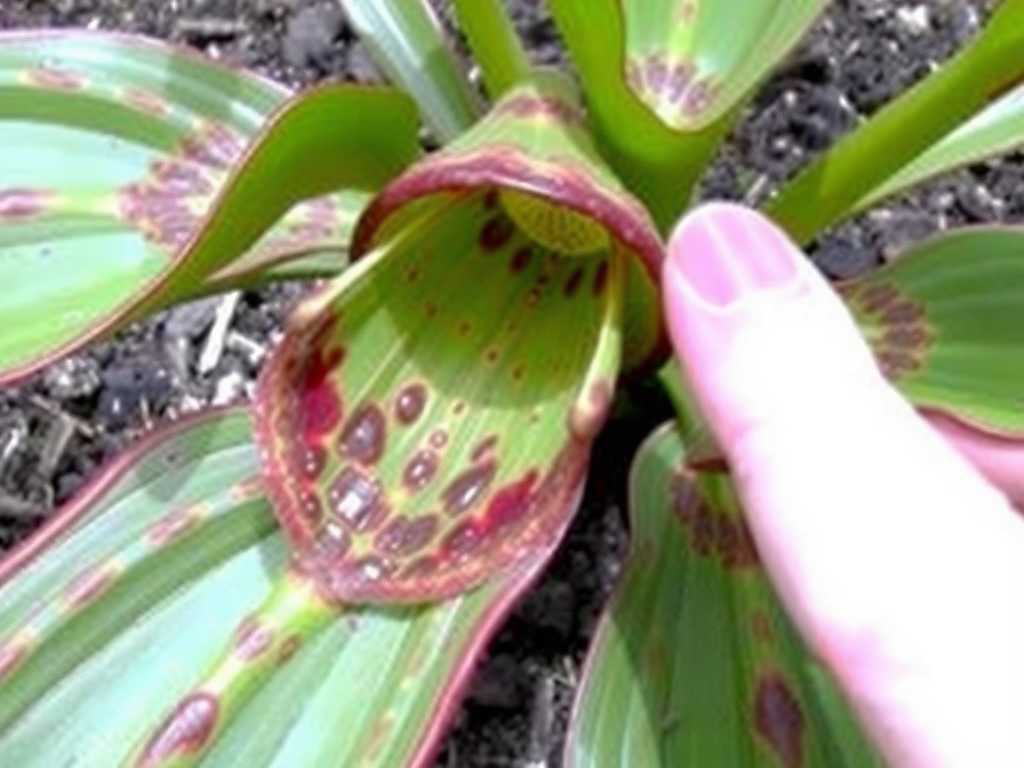
Before we dive into treatment, knowing what we’re fighting is crucial. Sarracenia leaf spot is typically caused by fungal pathogens, often in the Colletotrichum or Cercospora genera. These fungi thrive in conditions that are a little too cozy: prolonged moisture on foliage, poor air circulation, and sometimes, stress from inconsistent care. The spots usually start small, often circular, and can be brown, black, or sometimes reddish. They may have a yellow halo and can cause the affected tissue to become papery and die. It’s important to distinguish this from sunburn (which creates bleached, crispy patches) or physical damage. Correct diagnosis is the first step to an effective cure.
My Personal Treatment Protocol: A 2-Week Recovery Journey
When I discovered the infection on my Sarracenia leucophylla and a hybrid, I immediately implemented this four-pronged strategy. Here’s exactly what I did, day by day.
Step 1: Immediate Isolation and Surgical Removal
The moment I confirmed it was fungal, I quarantined the affected plants. This is non-negotiable. Fungi spread via microscopic spores, and keeping sick plants with healthy ones is asking for an epidemic.
- My Action: I moved the pots to a separate bench, downwind from my main collection. Then, with a pair of sterilized, sharp scissors (I wiped them with isopropyl alcohol between each cut), I carefully removed every visibly spotted pitcher. I cut well below the lesion, into healthy green tissue, to ensure no infected margin remained.
- The Mistake I Made: In my haste during a previous outbreak, I only removed the spotted part of the leaf. This left wounded tissue that became a new entry point for the fungus. The fix: Always cut the entire affected leaf at its base if the spot is near the crown, or remove a significant section to leave a clean, healthy tip.
- Crucial Disposal: I bagged and binned the diseased foliage. Never compost infected carnivorous plant material.
Step 2: The Fungicide Choice: Going Beyond the Basics
This is where many guides stop at “use a fungicide.” But which one? Through research and conversations with members of the Carnivorous Plant Society, I learned that systemic fungicides are often more effective for established infections than contact types. I chose a product containing thiophanate-methyl, a systemic fungicide recommended for a broad spectrum of ornamental plant diseases.
- My Application: I mixed the fungicide exactly as per the label’s instructions for ornamental plants, erring on the side of a slightly weaker dilution for my sensitive Sarracenia. Using a dedicated, clean spray bottle, I thoroughly drenched every remaining pitcher, the rhizome crown, and the soil surface. I applied this in the late evening to prevent rapid evaporation and potential sun-scorch.
- Authority Backing: The American Hosta Society’s disease management resources, while for a different plant, rigorously document the efficacy of systemic fungicides like thiophanate-methyl against foliar fungal pathogens, supporting this approach for serious cases.
Step 3: Environmental Overhaul: Fixing the Cause
Treating the symptoms is useless if the environment that caused the problem remains unchanged. My plants were in a slightly too-sheltered corner.
- My Action:
- Airflow: I installed a small, oscillating fan on a low setting to run for a few hours during the day, creating a gentle breeze. This is a game-changer for reducing surface moisture.
- Watering Discipline: I switched from overhead watering to the tray method exclusively, ensuring the pitchers themselves stayed dry. I also allowed the water tray to dry out for a day before refilling, something I was previously too nervous to do.
- Spacing: I permanently repositioned the plants to give them more room, preventing leaves from overlapping.
Step 4: The Supportive Care Boost
A stressed plant is a susceptible plant. To bolster my Sarracenia’s natural defenses, I focused on optimizing its core health.
- Light: I ensured they were receiving maximum possible sunlight (8+ hours), as strong growth is the best deterrent.
- Stress Minimization: I held off on any planned division or repotting until the plants were fully recovered.
My 2-Week Observation Log & Results
- Days 1-3: After the initial surgery and spray, the plants looked a bit bare but clean. No new spots appeared.
- Days 4-7: This was the critical period. I inspected daily with a magnifying glass. On Day 5, I noticed one tiny, suspicious speck on a new pitcher. I immediately spot-treated it with the fungicide solution on a cotton swab and removed that tiny leaf section. This was my ‘aha’ moment—catching a secondary flare-up early is key. I performed a second, full preventative spray on Day 7 as per the product’s 7-10 day reapplication guideline.
- Days 8-14: Vigilance continued. The suspicious speck did not progress. The existing cut ends calloused over cleanly. Most importantly, new pitcher growth emerged vigorously and remained completely spot-free. The older, treated foliage showed no further deterioration. By the end of Week 2, the quarantine was holding, and the plants were clearly on a strong recovery path.
Prevention: Your Long-Term Defense Strategy
Treatment is reactive; prevention is proactive. My routine now includes:
- Preventative Spring/Fall Sprays: I use a mild, biological fungicide like a Bacillus subtilis product at the start and end of the growing season.
- Strict Sanitation: Tools are always cleaned. I never reuse old soil.
- Environmental Consistency: The fan is now a permanent fixture during humid spells, and I am militant about tray watering.
Is Sarracenia leaf spot contagious to other plants? Yes, absolutely. Fungal spores can be carried by wind, water splash, or on tools and hands. This is why immediate isolation of the infected plant is your very first and most critical step.
Can I use home remedies like cinnamon or hydrogen peroxide? For very minor, early cases, a dusting of cinnamon (a natural antifungal) on a cut can help. However, for an active, spreading infection, these are often not potent enough. In my experience, they delayed effective treatment, allowing the fungus to gain a stronger foothold. A targeted fungicide is the more reliable choice for saving the plant.
Will the spots on the old leaves heal or disappear? No. Fungal damage is permanent to the affected tissue. The goal of treatment is to stop the spread and protect new growth. The spotted parts of leaves will remain, but they should become inert and not enlarge. As the plant grows new, healthy pitchers, you can eventually trim away the old, damaged ones.
Seeing your Sarracenia overcome leaf spot is incredibly rewarding. It requires prompt action, the right tools, and a commitment to adjusting their care. Remember, the formula is straightforward: isolate and remove, treat with an appropriate fungicide, correct the environmental triggers, and support overall plant health. By following these steps, you’re not just applying a quick fix; you’re creating a healthier growing environment where your carnivorous plants can thrive, spot-free, for seasons to come. The key is to act decisively at the first sign of trouble—your plants will thank you with robust, beautiful growth.