bluename
 How to Fix Sarracenia Crown Rot: 5 Emergency Care Tricks
I’ll never forget the sinking feeling I had when I first noticed my prized Sarracenia ‘Judith Hindle’ looking… wrong. The vibrant pitcher was softening at the base, and a subtle, unpleasant smell wafted up when I watered it. My heart dropped. After years of cultivating these fascinating carnivorous plants, I knew the dreaded signs: Sarracenia crown rot had taken hold. I felt a wave of panic, imagining my entire collection succumbing. But through that crisis, I developed a battle-tested, five-step emergency protocol that saved that plant and many others since. This isn’t just theory; it’s a gritty, hands-on guide born from my own mistakes and a two-week intensive care regimen that brought a plant back from the brink.
Understanding the Enemy: What is Crown Rot?
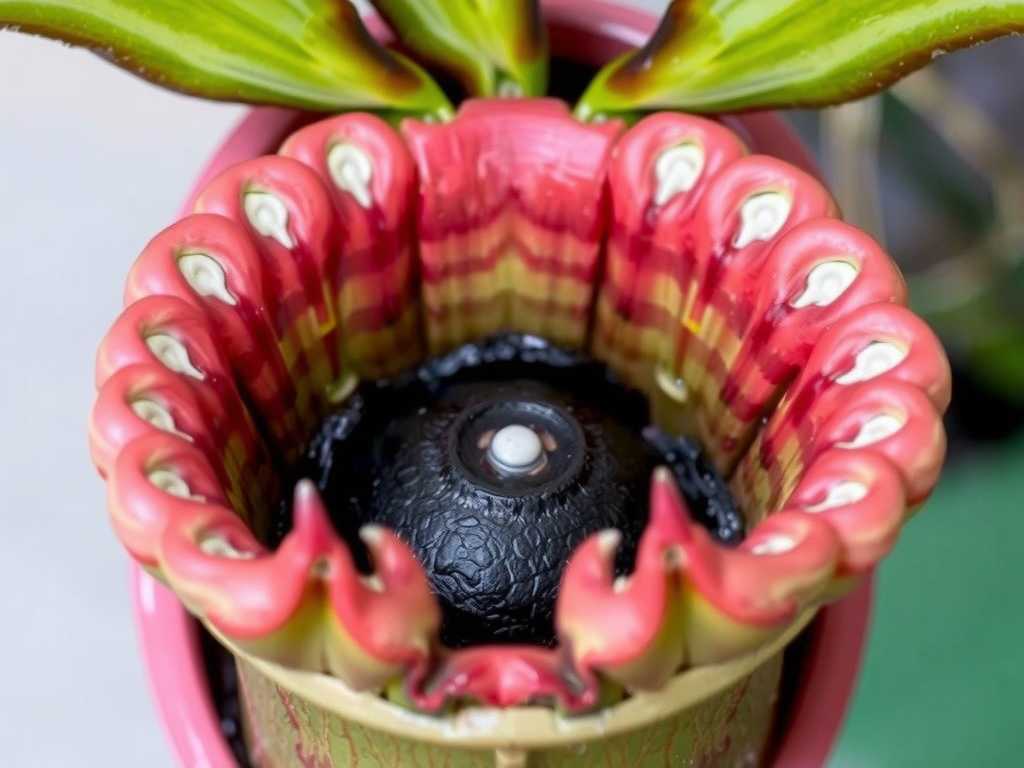
Before we jump into the fixes, you need to know what you’re fighting. Sarracenia crown rot is a fast-acting, often fatal condition caused by fungal or bacterial pathogens, typically Fusarium or Rhizoctonia species. These organisms thrive in conditions that are too wet, lack airflow, or involve contaminated media. They attack the plant’s crown—the critical central growing point where all leaves (pitchers) emerge from the rhizome. Once the crown is compromised, the plant’s entire vascular system is under siege. The American Horticultural Society (AHS) notes that for bog plants like Sarracenia, the line between “moist” and “waterlogged” is thin and crucial; crossing it is a primary cause of rot issues.
My 5-Step Emergency Care Protocol
This is the exact sequence I followed. Speed and decisiveness are everything.
Step 1: Immediate Isolation and Assessment
The moment you suspect crown rot in pitcher plants, isolate the sick plant. This disease can spread. Gently remove the plant from its pot. My first mistake was being too rough here; I damaged healthy roots in my panic. Wash all the old media away under a gentle stream of lukewarm, distilled or rainwater. Now, inspect the rhizome. Healthy tissue is firm and white or cream-colored. Rotted tissue is mushy, brown, black, or slimy, and often smells foul. Use your fingernail to gently probe. This assessment dictates everything that follows.
Step 2: The Surgical Removal of Rot
This is the scariest but most vital step. With a sterilized, sharp blade (I use a single-edge razor blade disinfected with isopropyl alcohol), you must cut away all infected tissue. I cannot stress this enough: cut beyond the visible rot. In my first attempt, I was too conservative, leaving behind compromised tissue. The rot returned within days. You must cut until you see only clean, firm, healthy rhizome. It may feel drastic. You might be left with a surprisingly small piece. If the entire crown is soft, the prognosis is poor, but if any solid, white growth point remains, there is hope. Dust the cut surfaces with powdered sulfur or cinnamon (a natural fungicide I’ve used successfully) to dry and protect them.
Step 3: The Fresh Start with Sterile Media
Never, ever reuse old media or pot. I learned this the hard way. Choose a clean pot with excellent drainage (I prefer tall plastic pots for Sarracenia). For media, use a fresh, sterile, low-nutrient mix. The consensus among experts, including resources from the International Carnivorous Plant Society, is a simple 50/50 blend of sphagnum peat moss and perlite. Moisten the mix with distilled water before planting—it should be damp, not dripping. Create a small hole and position the salvaged rhizome so the remaining growth point is just at the surface. Do not bury it deeply.
Step 4: The Critical Recovery Environment
Place the repotted plant in a location with very high humidity and bright, indirect light. Direct sun will stress it now. I use a clear plastic bag or a propagation dome to create a “mini ICU.” This reduces transplant shock and water loss. However, airflow is still crucial to prevent fungal growth. I initially kept my dome completely sealed, creating a stagnant, mold-prone environment. My fix was to open the dome for 15 minutes twice a day to allow air exchange. Keep the media barely damp, not wet. The goal is to encourage new root growth without re-saturating the tissue.
Step 5: The Two-Week Vigil and Adjusted Care
Here’s where patience is key. Do not fertilize. Do not feed it insects. Do not fuss with it. Your job is to observe. I kept a daily log. For the first week, my plant showed no change—a nerve-wracking period. Around day 10, I noticed the media seemed to be drying slightly faster, a potential sign of new root activity. By the end of week two, a tiny, bright red nub emerged from the remains of the crown: a new growth point! This was the turning point. Only then did I begin to very gradually acclimate it to lower humidity and brighter light over the next week.
How to Prevent Sarracenia Crown Rot in the Future
Emergency care is reactive; smart culture is proactive.
- Water Wisely: Use the tray method, but let the water in the tray almost completely evaporate before refilling. Never let the pot sit in permanently deep water.
- Prioritize Airflow: Give your plants space. A breezy location, or use of a small fan, discourages pathogenic growth.
- Dormancy is Non-Negotiable: A proper, cold winter dormancy strengthens the plant’s constitution, making it more resistant to disease. A weakened plant from skipped dormancy is a prime target.
- Always Sterilize Tools: This simple habit, emphasized by seasoned growers, prevents cross-contamination.
My Journey: The Mistakes That Taught Me
My initial failure was due to timid surgery and a contaminated environment. I used a pot that I’d only rinsed, not sterilized. I also placed the recovering plant in a shady corner that was too cool and damp. The combination halted recovery. The solution was to re-sterilize everything, make a second, more aggressive cut on the rhizome, and move the ICU setup to a warmer spot (around 70°F) with brighter filtered light. This change kickstarted the stalled recovery process.
Common Questions from Fellow Growers
Can a Sarracenia recover from severe crown rot? Yes, but it depends on the extent. If any firm, white growth point on the rhizome remains after cutting away all rot, there is a strong chance. If the entire rhizome is soft and brown, recovery is unlikely. The plant’s energy reserves in the rhizome are its lifeline.
What’s the difference between crown rot and normal dormancy die-back? This is crucial. During dormancy, old pitchers brown and die back from the top down, starting with the oldest leaves. The crown and rhizome remain rock-hard and healthy. Crown rot disease attacks from the base up; the newest growth softens first, and the crown itself becomes mushy. Always check the crown’s firmness.
Should I use chemical fungicides? For severe cases, some growers use a copper-based fungicide as a topical dip on the cut rhizome. I prefer sulfur or cinnamon for minor cases, as they are less harsh. The key is the physical removal of rot; fungicides are just a protective aid, not a cure for already-infected tissue.
Watching that tiny red growth point emerge after two weeks of anxious care was one of my most rewarding moments as a plant enthusiast. Fixing Sarracenia crown rot is a test of nerve and patience. It requires you to be a surgeon, a nurse, and a vigilant observer. By acting swiftly with these five steps—isolation, aggressive surgery, sterile repotting, controlled recovery, and patient vigilance—you give your plant the best possible fighting chance. Remember, the goal is not just to save a plant, but to become a more attentive and knowledgeable grower. Your Sarracenia’s resilience, paired with your informed care, can overcome even this formidable threat.