bluename
 How to Fix Sarracenia Stem Rot: 4 Cutting and Treatment Solutions
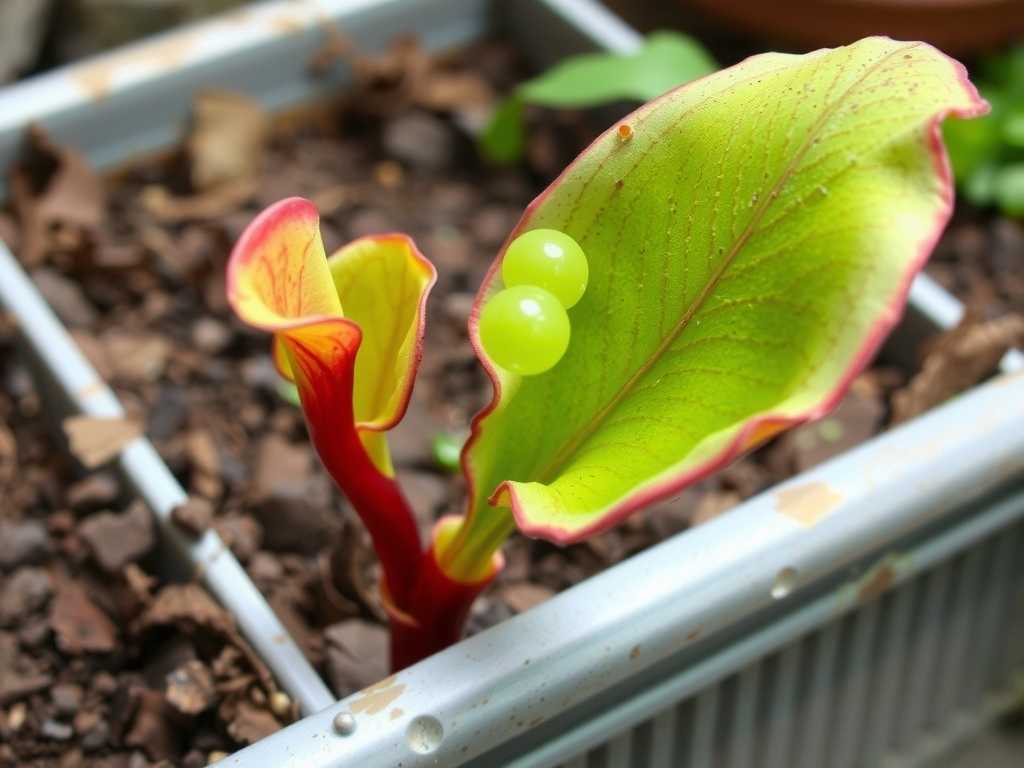
There’s a special kind of panic that sets in when you notice the first signs of trouble in your prized Sarracenia collection. You’ve nurtured them, watched them unfurl their elegant, pitcher-laden stems, and then one day, you see it: a patch of mushy, discolored tissue creeping up from the base, a stem that feels soft when it should be firm. Sarracenia stem rot isn’t just an aesthetic issue; it’s a fast-moving threat that can claim a mature, beloved plant in a matter of days if left unchecked. I know this panic intimately because I’ve been there, staring at a once-vibrant Sarracenia flava with a sinking heart. But through trial, error, and consultation with expert resources, I’ve developed a reliable, hands-on protocol that has saved more plants than I’ve lost. This guide isn’t just theory; it’s the exact step-by-step process I used to combat a severe case of stem rot, documenting my actions and the plant’s recovery over a critical two-week period.
My journey into fixing this problem began with understanding the enemy. Stem rot in Sarracenia, often caused by fungal or bacterial pathogens like Sclerotium rolfsii or various Fusarium species, thrives in conditions of excessive moisture, poor air circulation, and sometimes lingering in contaminated soil or tools. The Royal Horticultural Society (RHS) advises that prevention is always best, emphasizing the importance of good sanitation and well-draining media. However, when prevention fails, swift and decisive surgical intervention becomes necessary. The American Horticultural Society’s (AHS) resources on plant pathology stress the importance of removing all infected material to halt the spread, a principle that became the cornerstone of my approach.
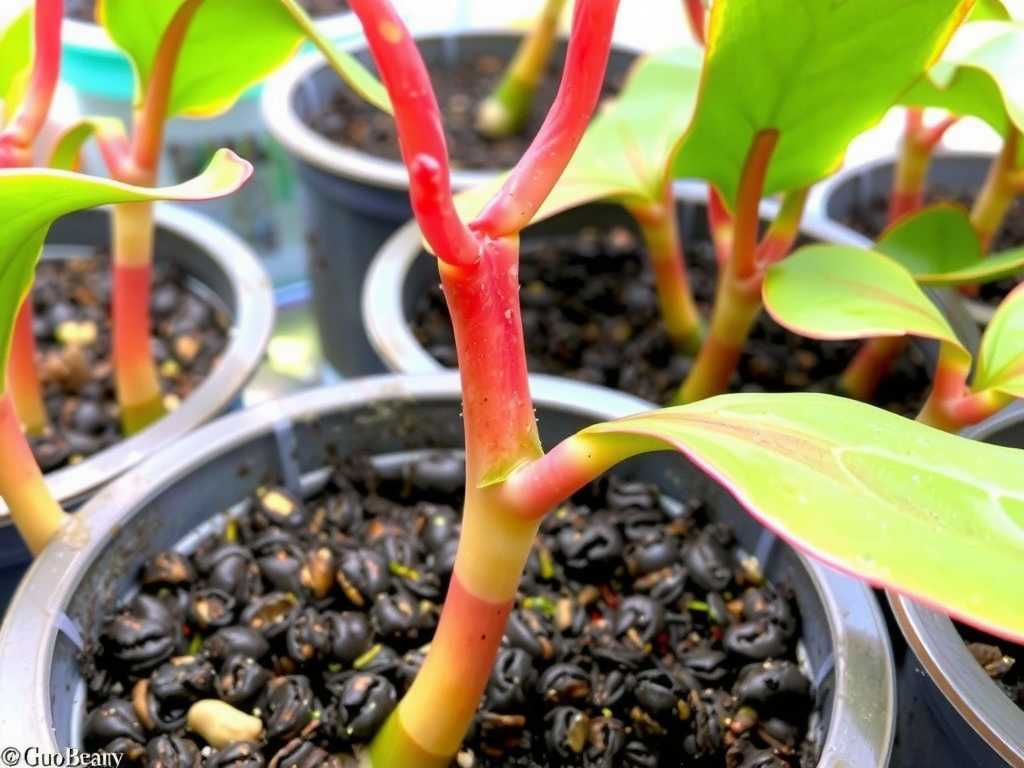
Here are the four cutting and treatment solutions I employed, complete with my real-world observations and the pitfalls I encountered along the way.
Immediate Action: The Surgical Cut and Isolation
The moment I confirmed the rot—a soft, brownish patch about an inch above the soil line on the main growth point—I knew waiting was not an option.
My Step-by-Step Process:
- Isolation: I immediately moved the affected plant away from my healthy Sarracenia collection to prevent any potential cross-contamination. This is a non-negotiable first step.
- Tool Preparation: I sterilized a sharp, single-edged razor blade with isopropyl alcohol (70% or higher) and had a fresh paper towel ready. The AHS consistently highlights tool sterilization as critical to avoid spreading pathogens from plant to plant.
- The Cutting Procedure: Gently clearing away any surrounding moss, I identified the boundary between healthy and diseased tissue. Healthy Sarracenia rhizome tissue is firm and white or pale pink. The rot was soft, brown, and had a faint, unpleasant odor. I made my first cut approximately half an inch into the visibly healthy tissue, ensuring I removed every last trace of the infected, mushy area. A second, confirmatory cut was made a few millimeters beyond the first for good measure.
- Post-Cut Treatment: I immediately dusted the entire fresh-cut surface with a powdered sulfur fungicide. Sulfur creates a protective, drying barrier that discourages fungal spores from attacking the open wound. I then set the rhizome section on a clean paper towel to let the cut callus over for 24 hours in a dry, airy, and shaded spot.
The First 48-Hour Observation: This was the most nerve-wracking period. After the initial cut, the exposed tissue looked clean. By the next day, the sulfur had formed a dry crust. However, upon very close inspection, I noticed a tiny, pinprick-sized area that still looked slightly off-color. This was my first “pitfall.”
The Pitfall & Solution: Incomplete Excision. I had been too conservative with my first cut. Even a minuscule amount of remaining infected tissue can restart the entire process. Following the RHS principle of complete removal, I re-sterilized my blade and shaved off another thin slice, just beyond that questionable spot. This time, the tissue was uniformly firm and healthy. The lesson: when you think you’ve cut enough, cut a little more. It’s better to have a smaller piece of healthy rhizome than a larger piece hosting hidden rot.
The Recovery Environment: Setting the Stage for Regrowth
A successful cut is only half the battle. Placing the traumatized rhizome back into a stressful environment will doom it. Creating an optimal recovery setup is crucial.
My Setup:
- Medium: I used a 50/50 mix of pure sphagnum moss (soaked and thoroughly wrung out until just moist) and perlite. This combination is sterile, airy, and retains minimal moisture—hostile to rot but encouraging for new root growth.
- Container: A clean, small plastic pot with ample drainage holes.
- Planting: I placed the callused rhizome on the surface of the medium, barely burying it, with the growth bud (if visible) facing upward. I did not pack the medium down.
- Location: I placed the pot in a bright location with very high indirect light but absolutely no direct sun for the first week. Direct sun would stress the dehydrated plant. I used a humidity dome (a clear plastic bag with ventilation holes) to reduce transpirational water loss, but this required extreme caution.
Week 1 Observations & The Humidity Pitfall: For the first three days, the rhizome looked stable under the dome. However, by day four, I saw the dreaded condensation forming excessively on the inside of the dome, and the surface of the sphagnum felt cooler and damper than intended.
The Pitfall & Solution: Over-humidification. I had created a perfect petri dish for rot again. Immediately, I removed the humidity dome entirely. Instead, I placed the pot in a water tray, but kept the water level low so the pot sat above the water line, benefiting from evaporative humidity without wet feet. I also increased air circulation around the plant with a gentle fan set on low, placed several feet away. This balance of ambient humidity and airflow is vital and often overlooked in recovery guides.
Monitoring and Adjusting Care During the Critical Phase
The two-week mark is a critical milestone. This is when you’ll see signs of success or failure.
My Monitoring Protocol:
- Days 5-7: No watering. I only lightly misted the air above the pot if the environment felt very dry. The focus was on the rhizome feeling firm to a gentle touch.
- Days 8-14: I began the “tray method” properly: adding a quarter-inch of distilled water to the tray and allowing the pot to absorb it, then letting the tray dry out completely before adding more. This encourages root growth seeking moisture.
The Two-Week Result: By day 10, I noticed the first sign of hope: a slight swelling and a greenish tint at the growth point. No new discoloration or softness appeared on the cut surface. By day 14, a tiny, nub-like new growth bud had clearly emerged. This was the definitive signal that the plant’s energy was shifting from survival to regeneration. The stem rot had been successfully arrested.
Long-Term Prevention: Cultivating Resilience
Fixing the immediate problem is pointless if the conditions that caused it remain. My experience forced a full audit of my growing practices.
My Implemented Changes:
- Watering Discipline: I strictly adhere to the “wet-dry cycle.” Trays are allowed to dry out before refilling. I water from below only, never pouring water into the crowns.
- Airflow Upgrade: I installed a small, oscillating fan in my growing area to provide constant, gentle air movement, which strengthens stems and keeps foliage dry.
- Soil Refresh: As per many expert cultivation guides, I now repot my Sarracenia into fresh, appropriate media (a peat/perlite/sand mix) every 1-2 years to prevent pathogen buildup.
- Seasonal Awareness: I provide a proper, cold dormancy period in winter. A dormant plant is less susceptible to rot, and the cool, dry conditions naturally suppress fungal activity.
How can I tell if my Sarracenia has stem rot or is just going dormant? Dormancy causes pitchers and leaves to die back in a dry, brown, and crispy manner, often starting from the top. The rhizome remains rock-hard. Stem rot presents as soft, mushy, and often dark brown or black decay, usually at the base or soil line, and may have a foul smell. When in doubt, gently probe the base of the stem; softness is a red flag.
What if the rot has spread into the main rhizome and there’s no healthy tissue left to cut? If the entire rhizome is soft and mushy, recovery is unlikely. However, before discarding the plant, inspect it for any small offshoots or growth points that might still be firm. These can sometimes be carefully detached, treated with sulfur, and propagated as a last resort to save the genetics of the plant.
Can I use cinnamon instead of sulfur as a fungicide after cutting? While cinnamon has mild antifungal properties and is a popular home remedy, my experience and consultations with authoritative sources lead me to prefer horticultural-grade sulfur for a problem as aggressive as stem rot. Sulfur is a recognized fungicide with a proven track record. For a high-stakes rescue operation, I choose the stronger, proven tool. Cinnamon can be a good preventative dusting for minor cuts, but for active rot, I don’t gamble.
Watching that tiny green bud emerge after two weeks of anxious care was immensely rewarding. It confirmed that saving a Sarracenia from stem rot is a blend of brutal decisiveness and delicate aftercare. The process demands that you become both a surgeon and an intensive care nurse for your plant. By acting swiftly with a sterilized blade, removing all infected material without compromise, and then meticulously managing moisture and airflow during recovery, you can turn the tide against this common killer. The experience will not only save a plant but will make you a more observant and proactive grower, attuned to the subtle needs of these fascinating carnivorous specimens.