bluename
 How to Fix Sarracenia Garden Bed Problems: 5 Soil Preparation Tips
You’ve carefully chosen your Sarracenia, envisioning a vibrant display of otherworldly pitchers. Yet, instead of thriving, your plants are stunted, discolored, or simply failing to flourish. The disappointment is real. More often than not, the root of Sarracenia garden bed problems lies beneath the surface—in the soil. These carnivorous marvels have evolved in nutrient-poor, waterlogged environments, and replicating these conditions is non-negotiable. Standard garden soil is a death sentence. This guide cuts straight to the core of successful cultivation: proper soil preparation. By mastering these five foundational tips, you can transform your struggling bog into a spectacular, healthy display.
The single most critical factor for Sarracenia health is the growing medium. It’s the difference between a thriving colony and a collection of failing plants. Let’s build your bed from the ground up.
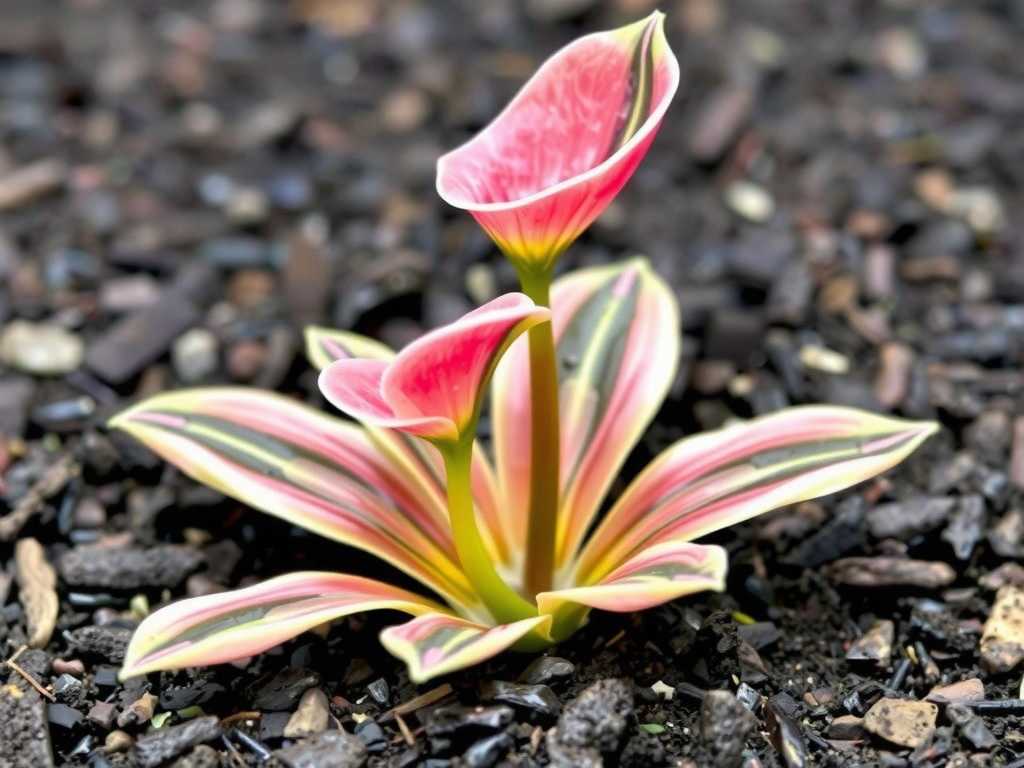
Tip 1: Abandon All Garden Soil and Potting Mixes
This is the first and most absolute rule. Conventional wisdom for most plants does not apply here.
Why Standard Soil Fails Sarracenia Sarracenia roots are adapted to absorb minimal nutrients directly from their prey. Rich soils, fertilizers, or even mineral-heavy compost introduce excessive salts and nutrients. This causes root burn, inhibits the plant's ability to uptake water, and leads to poor pitcher development and eventual decline. As noted by the International Carnivorous Plant Society, the high mineral content in tap water and standard soils accumulates to toxic levels for these sensitive plants.
What "Nutrient-Poor" Truly Means Your goal is to provide physical support and moisture retention without nutritional value. Think of the medium as a sterile anchor, not a food source. All nutrition will come from the insects the plants catch themselves. This fundamental shift in perspective is key to diagnosing and fixing existing Sarracenia garden bed problems.
Tip 2: Master the Perfect Sarracenia Soil Mix Formula
A reliable, time-tested mix provides the ideal structure. While variations exist, one formula is considered the gold standard.
The Classic 50/50 Peat Moss and Perlite Blend A half-and-half mixture of sphagnum peat moss and horticultural perlite is the cornerstone for a healthy Sarracenia bed. The peat moss provides the acidic pH (aiming for 3.5 to 4.5) and the water-retentive, organic base that mimics their natural bog habitat. Perlite is the critical counterpart; its white, porous particles aerate the mix, preventing compaction and ensuring oxygen reaches the roots, which is vital in constantly moist conditions.
Sourcing and Preparing Your Materials Quality matters. Choose unscented, unenriched sphagnum peat moss. Avoid "miracle" peat or any product with added fertilizers or wetting agents. For perlite, select a medium or coarse grade. Before mixing, thoroughly soak the dry peat moss in distilled water, rainwater, or reverse osmosis water. This ensures it hydrates evenly and makes mixing easier. Combine the pre-soaked peat and dry perlite until you have a uniform, fluffy medium.
Tip 3: Ensure Superior Drainage and Water Retention
This tip addresses a common paradox: Sarracenia need constantly wet roots but despise being waterlogged in stagnant conditions. The solution lies in bed construction.
Creating the Ideal Bog Bed Foundation If planting in a container or raised bed, ensure it has no drainage holes, or plug them. This creates a shallow reservoir. For in-ground beds, you must create a waterproof barrier. Dig your bed area and line it with a durable pond liner or heavy-duty plastic, then puncture a few small holes just below the soil surface line to allow for slight overflow in torrential rain, not drainage from the bottom.
The Water Reservoir Method After placing your liner, add about an inch of clean, rinsed gravel. Then, add your prepared peat-perlite mix. When you water, the excess will seep down to create a reservoir in the gravel layer, wicking moisture back up into the soil via capillary action. This mimics the natural water table of a bog and provides a buffer against drying out, a frequent cause of Sarracenia stress.
Tip 4: Test and Amend Water Quality Relentlessly
Water is the vehicle that can either sustain your soil environment or destroy it. This is where many well-intentioned growers encounter persistent Sarracenia garden bed problems.
The Dangers of Dissolved Solids Tap water contains minerals (like calcium, magnesium, and chlorine) that will accumulate in your soil over time, slowly altering the pH and poisoning the plants. You cannot use tap water, even if left to sit out. The total dissolved solids (TDS) in your water should be below 50 parts per million (ppm), and ideally as close to zero as possible.
Safe Water Sources for Healthy Plants Your only reliable options are:
- Rainwater: Collected in barrels, it’s perfect and free.
- Distilled Water: Purchased from a grocery store.
- Reverse Osmosis (RO) Water: Available from some grocery stores or home filtration systems. Invest in a cheap TDS meter to test your water source. Watering with the correct source from day one prevents a slow buildup of toxins that is difficult to reverse.
Tip 5: Conduct a Pre-Planting Soil and Water Audit
Before you plant a single Sarracenia, audit your setup. This proactive step saves you from future headaches.
Testing for pH and Mineral Content Use a soil pH test kit designed for acidic-loving plants. Confirm your mix reads between 3.5 and 5.0. If the pH is too high (alkaline), you may need to leach the mix with copious amounts of distilled water or consider starting over with fresher peat moss. Also, test the runoff water. If you pour distilled water (0 ppm) through your mix and the runoff tests above 50 ppm, your peat or perlite may contain residual minerals and should be rinsed or replaced.
The Final Pre-Planting Check Is your bed or container watertight? Is your soil mix fluffy and moist, not soggy or dry? Do you have a confirmed supply of pure water? Answering "yes" to these questions means you have successfully addressed the foundational soil preparation issues. Your bed is now a blank slate, ready to support decades of Sarracenia growth without the common problems of nutrient toxicity or poor drainage.
Can I use a sand and peat mix instead? Yes, a mix of roughly 1/3 silica sand (never beach or construction sand) to 2/3 peat moss is a traditional alternative. However, ensure the sand is thoroughly washed to remove all clay and silt. Perlite is often preferred as it’s lighter and easier to ensure it’s contaminant-free.
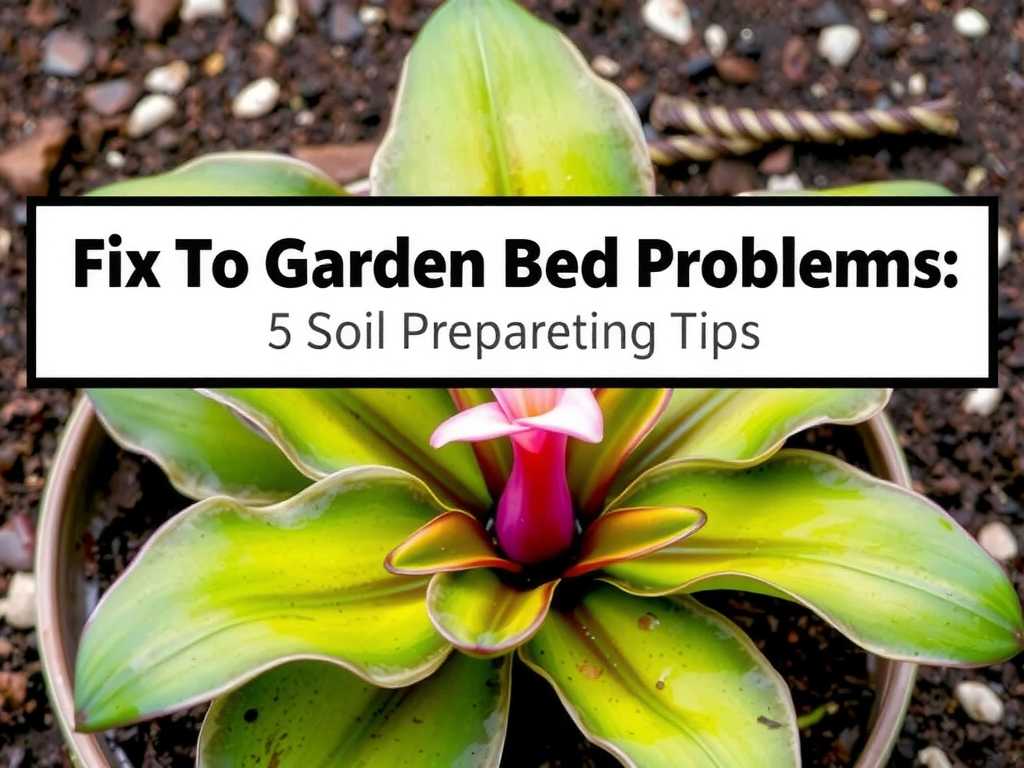
My existing bed is failing. Can I fix it without starting over? It depends on the severity. If plants are only slightly stressed, you may try flushing the soil repeatedly with distilled water to leach out minerals. For severe decline, a complete overhaul—removing plants, discarding old soil, cleaning the bed, and replanting in fresh mix—is the most reliable long-term solution to entrenched Sarracenia garden bed problems.
How often should I water my prepared Sarracenia bed? The goal is constant moisture, not flooding. During the growing season, the soil surface should always feel damp, and the reservoir in the bottom should rarely dry out completely. In a well-prepared bed, this may mean watering every few days in hot weather, or once a week in cooler, humid periods. Always use your preferred pure water source.
Successful Sarracenia cultivation begins and ends with the foundation you provide. By abandoning nutrient-rich soils, mastering the peat-perlite mix, engineering smart drainage, committing to pure water, and auditing your system before planting, you eliminate the most common causes of failure. These plants are remarkably hardy when their specific soil requirements are met. With your bed now prepared correctly, you can focus on the joy of watching your Sarracenia thrive, producing robust pitchers that stand as a testament to getting the basics right from the very start.