bluename
 How to Fix Sarracenia Terrarium Problems: 4 Closed-System Tricks
You’ve created a stunning, self-contained world for your pitcher plants, only to watch them struggle. Leaves yellow, mold creeps in, and that vibrant growth you envisioned seems like a distant dream. This frustration is common for enthusiasts trying to grow Sarracenia in a terrarium. The very features that make closed systems beautiful—high humidity, consistent moisture, and still air—are often at odds with what these carnivorous plants need to thrive. They are bog natives, requiring specific conditions that a typical sealed jar or tank can quickly turn hostile. But don’t dismantle your miniature ecosystem just yet. Mastering how to fix Sarracenia terrarium problems is entirely possible with a few strategic, closed-system adjustments. This guide will walk you through four essential tricks to transform your troubled terrarium into a healthy, sustainable environment for your Sarracenia.
Understanding the Core Conflict: Sarracenia vs. The Sealed Jar
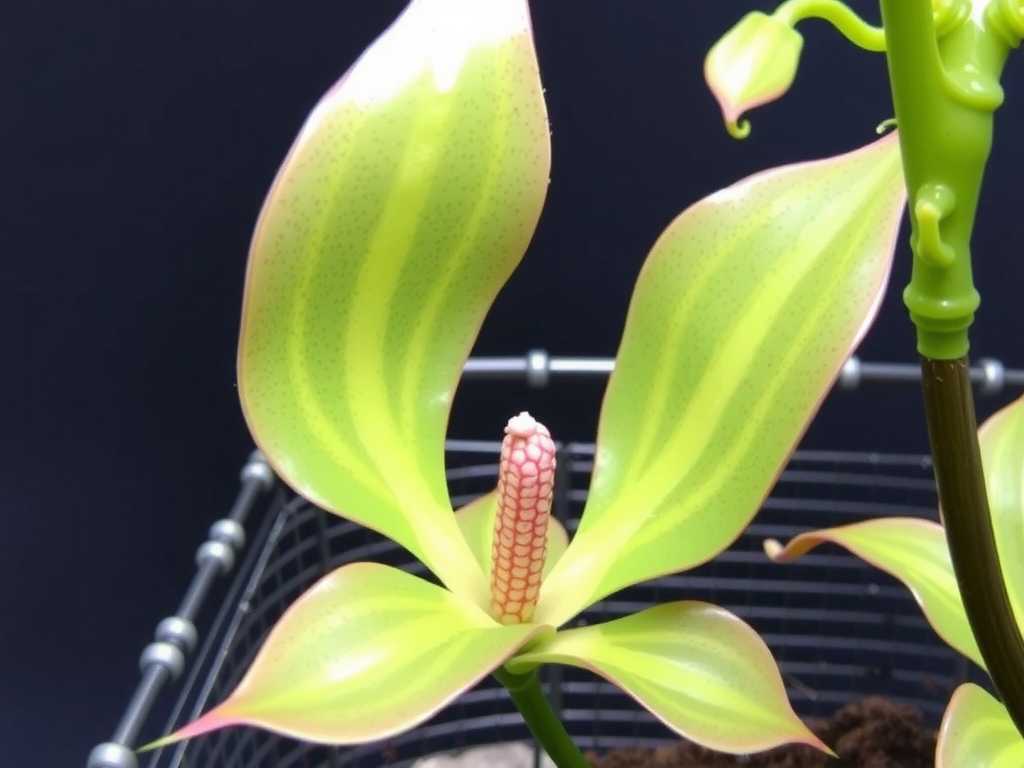
Before applying fixes, it’s crucial to understand why standard terrarium care fails Sarracenia. These plants are not tropical understory plants; they are sun-loving perennials from open, nutrient-poor bogs. Their primary needs include:
- Maximum Light: They require 6+ hours of direct, bright light to form proper pitchers and maintain color.
- Airflow: Stagnant, humid air encourages fungal diseases and rot.
- Dormancy: Most Sarracenia species require a cool winter dormancy period to survive long-term.
- Low-Nutrient Media: They thrive in acidic, sandy peat mixes, not rich potting soil. A traditional closed terrarium violates almost all these needs. The glass magnifies heat, humidity skyrockets, airflow is zero, and dormancy is impossible in a stable indoor setting. The goal, therefore, is not to force them into a true closed system, but to create a managed semi-closed system that mimics their natural habitat.
Trick #1: Master the Moisture-Airflow Balance
The most common Sarracenia terrarium problems stem from excessive moisture. Constantly wet foliage and soggy media are an invitation for rot.
The Solution: Strategic Ventilation and Layering Abandon the concept of a permanently sealed lid. Instead, implement a ventilation schedule. Use a terrarium with a removable lid or create a custom cover with a small computer fan grill. Keep the cover partially or fully open for at least 4-6 hours daily to allow humid air to escape and fresh air to circulate. This simple act dramatically reduces the risk of fungal and bacterial growth on your plants.
Inside the tank, perfect your drainage layers. Start with a 1-2 inch base of horticultural gravel or LECA (clay pebbles). Add a thin barrier of mesh or landscape fabric to prevent soil mixing. Then, add your growing medium—a 50/50 or 3:1 mix of sphagnum peat moss and perlite or horticultural sand is ideal. This "false bottom" allows excess water to drain away from the root zone, preventing the dreaded "soggy feet" that causes root rot. A moisture meter is an invaluable tool here; aim to keep the media moist but not waterlogged.
Trick #2: Hack the Lighting for Pitcher Perfection
In a closed glass environment, light issues are twofold: not enough intensity and too much heat buildup.
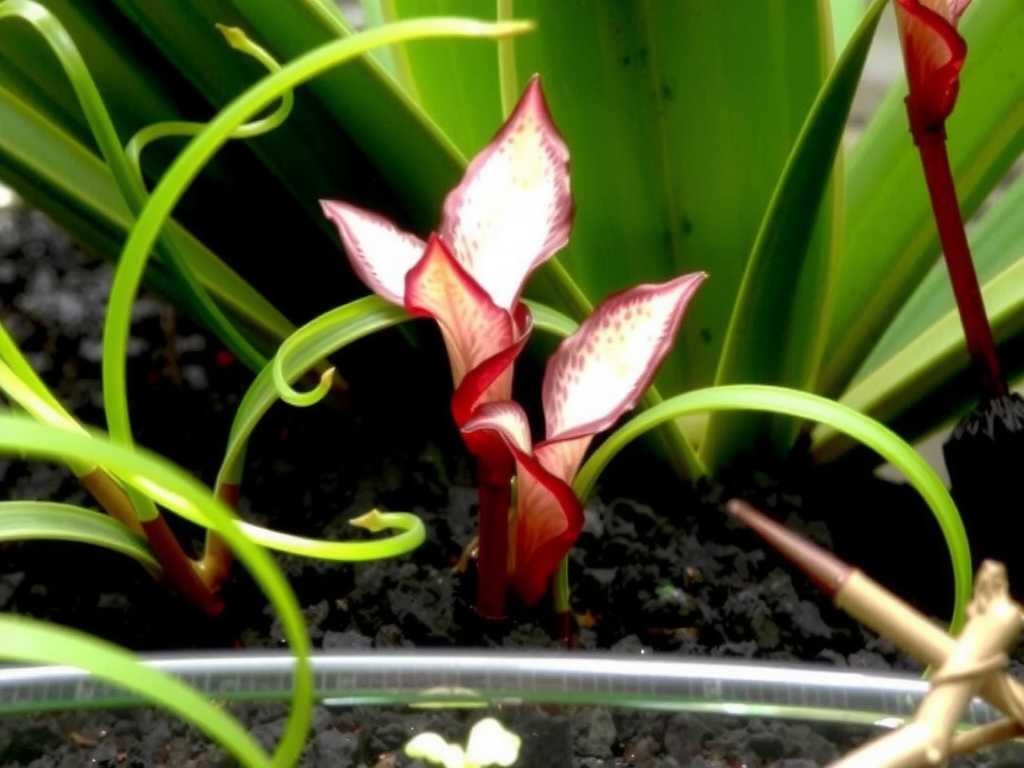
The Solution: External, Cool-Running LED Lights Windowsill light is rarely sufficient, especially for a glass-enclosed plant. You must supplement with grow lights. For fixing a closed Sarracenia ecosystem, full-spectrum LED panels or bars are the best choice. They emit high light intensity (PPFD) crucial for photosynthesis and pitcher development while producing minimal heat compared to fluorescent or HID lights. Mount the lights 6-12 inches above the tallest pitcher, and put them on a timer for 12-14 hours of consistent light daily. This provides the "sun" your plants crave without the greenhouse-style heat spike that can cook them. Look for lights with a color temperature of 6500K to mimic daylight.
Trick #3: Cultivate a Clean, Supportive Microbiome
A healthy terrarium is a living system. In stagnant conditions, harmful pathogens win. Your goal is to tip the balance toward beneficial biology.
The Solution: Introduce Clean-Up Crews and Beneficial Fungi After addressing airflow and light, introduce natural custodians. Springtails (Folsomia candida) are tiny, harmless arthropods that are the ultimate clean-up crew. They consume decaying plant matter, mold, and fungi, preventing outbreaks before they start. A small culture introduced into the substrate will self-regulate. Furthermore, consider inoculating your soil mix with beneficial mycorrhizal fungi. These fungi form symbiotic relationships with plant roots, helping Sarracenia uptake water and nutrients more efficiently, thereby increasing their overall resilience to stress. This proactive approach to maintaining healthy pitcher plants in glass builds a more stable and self-regulating ecosystem.
Trick #4: Implement a Simulated Dormancy Cycle
Skipping dormancy is the leading cause of a Sarracenia dying in a terrarium after 2-3 years. The plant exhausts itself.
The Solution: The Cool-Down Refresher You must simulate winter. For 3-4 months during late fall and winter, you need to change the terrarium's conditions. Gradually reduce the photoperiod to 8 hours of light. The most critical step is lowering the temperature. If possible, move the entire terrarium to an unheated garage, cool porch, or spare refrigerator (with the door slightly ajar and a light on a timer). Aim for temperatures between 35-50°F (2-10°C). During this time, keep the soil just barely damp, not moist. The plants will die back, with pitchers turning brown. This is normal and necessary. Come spring, gradually increase light and warmth; vigorous new growth will emerge. This cycle is non-negotiable for long-term health.
Frequently Asked Questions
Can any Sarracenia species live in a terrarium? Some are more forgiving than others. Smaller species or hybrids like Sarracenia purpurea subsp. venosa or Sarracenia ‘Juthatip Soper’ can be better candidates due to their size and slightly more adaptable nature. However, all require the modified "semi-closed" approach and mandatory dormancy outlined above. Tall species like Sarracenia flava are generally poor choices due to their size and high light demands.
How often should I water my Sarracenia terrarium? Forget a schedule. Water only with distilled, rainwater, or reverse osmosis water. Use the "tray method" from the bottom: add water to the drainage layer until the topsoil feels moist to the touch, then let it almost dry out before adding more. The need for ventilation means water will evaporate, so check moisture levels weekly. The goal is constant slight dampness, never saturation.
My plant has mold on the soil. Is it doomed? Not necessarily. White, fuzzy mold on the soil surface is often a sign of overly organic media and poor airflow. Remove any visibly moldy top layer. Increase ventilation immediately (leave the lid off for a few days). Introduce springtails if you haven't already. Ensure you are not overwatering. The plant can recover if the crown and roots are still healthy.
Success with a Sarracenia terrarium is not about locking it away and hoping for the best. It’s about active, intelligent management that bridges the gap between their natural bog habitat and the artificial glass world. By mastering ventilation to control humidity, investing in proper lighting, fostering a healthy micro-ecosystem, and faithfully providing a winter rest period, you create an environment where these fascinating carnivorous plants can not only survive but truly flourish. The result is a captivating, low-maintenance display that brings a piece of the unique bog biome right into your home.