bluename
 How to Fix Sarracenia Greenhouse Problems: 5 Controlled Environment Solutions
You’ve invested time, passion, and resources into cultivating your Sarracenia, the magnificent North American pitcher plants, in a greenhouse. You envisioned a thriving collection of vibrant, insect-catching wonders. Instead, you’re facing a disheartening scene: pitchers turning soft and brown, stunted growth, fuzzy mold on the soil, or a general lack of vigor. These common Sarracenia greenhouse problems can quickly turn a dream into a frustrating puzzle.
The root cause often lies not with the plants themselves, but with the controlled environment you’ve created. Greenhouses, while offering protection, can inadvertently amplify small issues into major crises if key parameters are off-balance. The good news is that by understanding and precisely managing your greenhouse’s climate, you can transform these problems into a spectacle of health. This guide provides five targeted, controlled environment solutions to get your pitcher plants back on track.
Understanding the Core Needs of Sarracenia
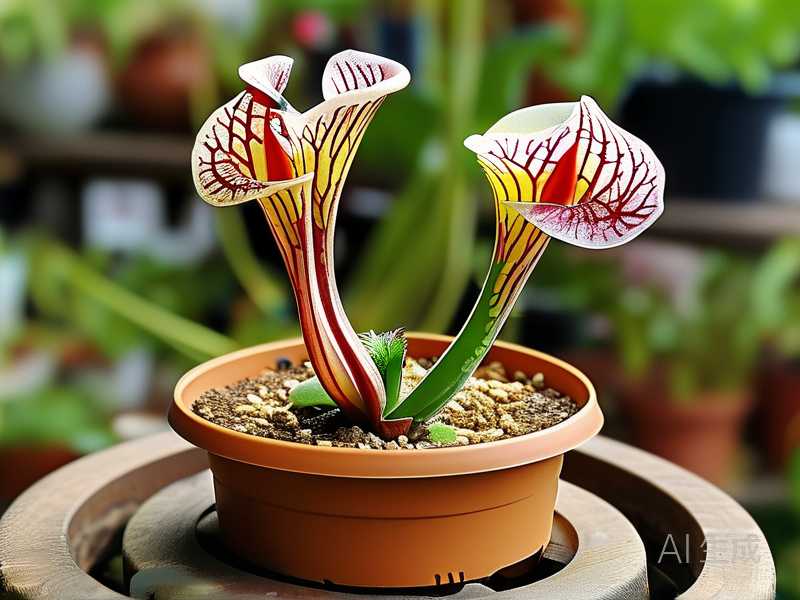
Before diving into fixes, it’s crucial to remember what Sarracenia evolved for. They are perennial herbs native to sunny, nutrient-poor, and perpetually moist boglands of the southeastern United States. Their requirements are specific and non-negotiable: abundant direct sunlight, pure water, a specific soil medium, and a distinct seasonal cycle including a winter dormancy period. Most greenhouse growing issues for pitcher plants arise when one or more of these elements are compromised in an enclosed space.
Solution 1: Mastering Light and Photoperiod Management
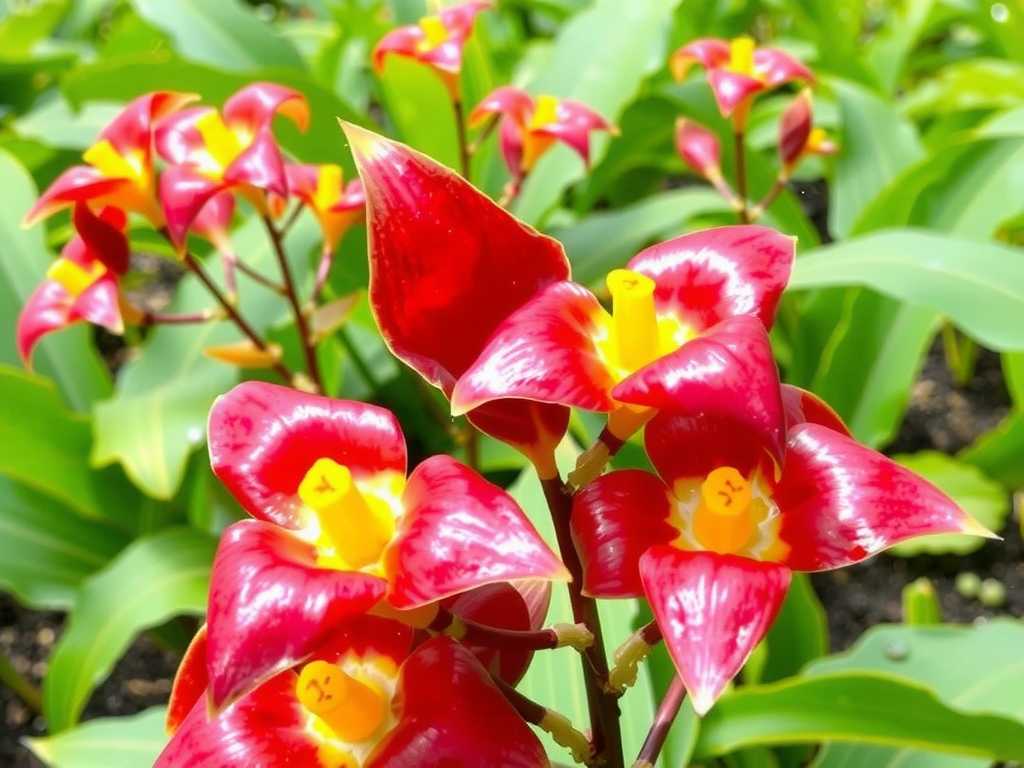
Inadequate or improper lighting is the number one culprit behind weak, floppy, and poorly colored Sarracenia.
- The Problem: In a greenhouse, glazing can filter out crucial light spectrum bands. Shading from structures, dirty panels, or overcrowded plants leads to etiolation—where plants become leggy, green instead of richly colored, and produce small, malformed pitchers. Conversely, in some high-altitude or exceptionally clear climates, unchecked sunlight can sometimes scorch plants.
- The Controlled Environment Fix: Your goal is to simulate the full-sun, open-sky conditions of a bog. Aim for a minimum of 6-8 hours of direct, unfiltered sunlight daily. For greenhouses with poor natural light or during dark winter months, supplement with full-spectrum LED grow lights. Ensure lights cover the photosynthetic active radiation (PAR) spectrum that plants use for growth. To regulate seasons, use a timer for supplemental lights to maintain consistent summer day length (14-16 hours) and allow for shorter winter days to trigger dormancy. Regularly clean greenhouse glazing to maximize transmission. If scorching is a rare issue, apply a temporary, washable shade cloth during peak summer heatwaves.
Solution 2: Precision Control Over Temperature and Ventilation
Temperature and air movement are intimately linked in a greenhouse and critically affect plant health and pest prevalence.
- The Problem: Greenhouses can overheat dramatically, causing heat stress that withers pitchers. Stagnant, humid air is a breeding ground for fungal pathogens like Botrytis (gray mold) and encourages pest infestations like aphids and scale. A lack of a proper winter cooling period also prevents Sarracenia from entering dormancy, exhausting them over time.
- The Controlled Environment Fix: Implement a tiered temperature strategy.
- Summer: Maintain daytime temperatures between 70°F and 95°F (21°C - 35°C). This requires active ventilation. Use exhaust fans paired with lower intake vents to create a constant airflow, preventing hot spots. Automatic vent openers are excellent for passive temperature control. A circulating fan running 24/7 keeps air moving over foliage, discouraging fungi.
- Winter Dormancy: This is non-optional. For 3-4 months, Sarracenia require temperatures between 32°F and 50°F (0°C - 10°C). A cold greenhouse or a dedicated cold frame is ideal. This chilling period halts growth, conserves plant energy, and is essential for vigorous spring regrowth. If your main greenhouse stays warm, you must have a separate cold storage solution.
Solution 3: Optimizing Watering Practices and Humidity
“Feet wet, heads dry” is the old adage for bog plants, and it perfectly summarizes the balance needed in humidity control for carnivorous plants.
- The Problem: Overhead watering or misting that keeps the crowns and pitchers constantly wet invites rot. Using tap water (which contains minerals like calcium and magnesium) leads to toxic soil buildup, evident as brown leaf tips and decline. Under-watering, allowing the soil surface to dry, is equally fatal.
- The Controlled Environment Fix: Adopt a bottom-watering system. Always use only rainwater, distilled water, or reverse osmosis water. Place pots in deep trays or troughs and maintain a standing water level of 0.5 to 1 inch (1-2.5 cm) during the growing season. The soil wicks moisture upward, keeping the roots soaked while the crown stays dry. In winter dormancy, keep the soil just damp, not waterlogged. Regarding ambient humidity, Sarracenia are tolerant of a wide range provided their roots are wet. Focus on airflow (Solution 2) over misting. High humidity should be a byproduct of evaporation from water trays, not from a humidifier aimed at the foliage.
Solution 4: Ensuring Soil Integrity and Nutrient Management
Sarracenia require acidic, low-nutrient, and well-aerated soil. Greenhouse conditions can degrade this medium over time.
- The Problem: Soil mixes break down, becoming compacted and waterlogged, suffocating roots. Algae or moss growth on the soil surface indicates excess nutrients or light, and can smother smaller plants. Fertilizer contamination, either from water, nearby potting activities, or well-meaning feeding, is a silent killer.
- The Controlled Environment Fix: Repot every 1-2 years in a fresh, appropriate mix—typically a 50:50 blend of sphagnum peat moss and perlite or horticultural sand. Never use potting soil, compost, or fertilized mixes. To prevent algae, top-dress the soil with a thin layer of rinsed horticultural sand or live sphagnum moss. The absolute rule for fixing nutrient issues in Sarracenia greenhouses is to never fertilize the soil. Sarracenia derive all needed nutrients from captured insects. If your greenhouse is insect-proof, you can place a single, small insect (like a fly) into a pitcher or two per plant, once a month during the growing season. This is far safer than liquid fertilizers.
Solution 5: Implementing Integrated Pest and Disease Management (IPM)
A controlled environment allows for proactive, not reactive, plant health management.
- The Problem: Aphids, scale, mealybugs, thrips, and fungal gnats can explode in population in the stable greenhouse environment. Fungal issues like powdery mildew or root rot follow poor cultural conditions.
- The Controlled Environment Fix: Establish a weekly scouting routine. Inspect under leaves and in new growth for pests. Yellow sticky cards monitor for flying insects. For outbreaks, use targeted, plant-safe treatments. Insecticidal soaps or horticultural oils (applied in cooler hours) are effective for most soft-bodied pests. For fungus gnats, use beneficial nematodes or Bacillus thuringiensis israelensis (Bti) in your water trays. The cornerstone of disease prevention is removing dead plant material promptly. Always cut away brown pitchers and leaves at the base to eliminate hiding spots for pests and spores. Remember, the previous solutions—excellent airflow, proper watering, and correct temperatures—are your first and best line of defense against disease.
Frequently Asked Questions
Q: My Sarracenia pitchers are drying up or turning brown quickly. Is this normal? A: Individual pitchers have a lifespan of several months before naturally dying back from the top down as part of the plant’s renewal process. However, if all pitchers on a plant or many plants are browning prematurely, it’s a sign of stress. Immediately check your water source (must be mineral-free), ensure the soil is consistently wet, and verify the plant is not baking in excessive, dry heat without adequate root moisture.
Q: Can I grow Sarracenia in a sealed terrarium inside my greenhouse? A: This is strongly discouraged. Terrariums create a stagnant, ultra-humid, and poorly ventilated microenvironment that is the opposite of what Sarracenia need. It almost guarantees fungal rot and weak growth. They thrive with fresh air circulation and “feet wet, heads dry” conditions, which are best achieved in open pots in a well-ventilated greenhouse.
Q: Why are my plants not producing any new pitchers after winter dormancy? A: First, ensure dormancy was properly enforced with 3-4 months of cold. Once spring warming begins, the plant’s energy first goes into producing flowers. After flowering, it will redirect energy to new pitcher growth. Be patient. If no growth appears by late spring, check the rhizome (underground stem) for firmness. A soft, mushy rhizome indicates rot, often from poor winter drainage or old, decomposed soil.
Successfully cultivating Sarracenia in a greenhouse is a rewarding exercise in environmental precision. By systematically addressing light, temperature, water, soil, and pest management—not as isolated tasks but as interconnected parts of a single ecosystem—you create the ideal controlled habitat. Move from simply reacting to problems to proactively crafting the conditions for resilience and spectacular growth. Your pitcher plants will respond with the vigorous, colorful, and insect-catching displays that make them such captivating greenhouse specimens.