bluename
 How to Fix Sarracenia Pitcher Plant Pot Problems: 4 Container Selection Solutions
You’ve carefully chosen your Sarracenia, found the perfect sunny spot, and faithfully watered it with rainwater. Yet, your pitcher plant looks unhappy. The pitchers are weak, growth seems stunted, or worse, the rhizome appears to be rotting. Before you question your care routine, consider this: the problem might be hiding in plain sight—the pot. Choosing the wrong container is one of the most common, yet easily overlooked, mistakes in Sarracenia cultivation. The right pot is not just a home; it’s a critical component of the plant’s root environment, directly impacting moisture, temperature, and root health. This guide will walk you through four essential container selection solutions to fix these persistent Sarracenia pot problems and set your carnivorous plants up for long-term success.
Why Your Sarracenia’s Pot Matters More Than You Think
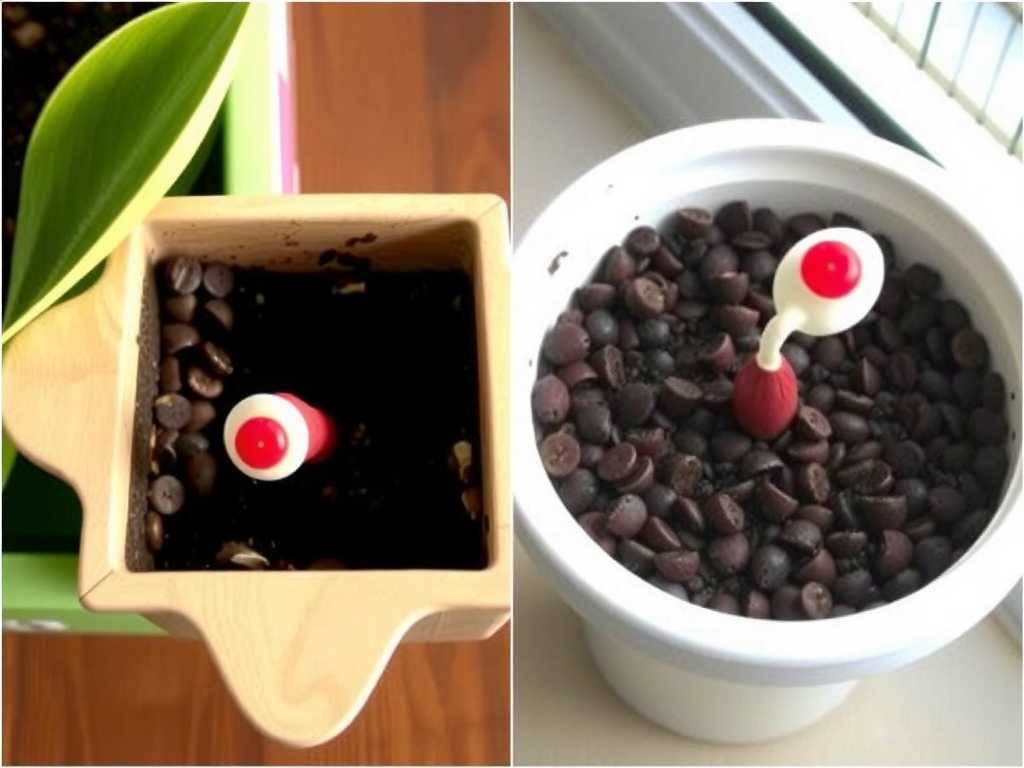
Sarracenia are bog plants, naturally thriving in permanently damp, acidic, and nutrient-poor soils. Their roots are adapted to cool, oxygenated conditions despite the constant moisture. A standard garden pot can disrupt this delicate balance in several ways. Materials that leach minerals (like unglazed terracotta) can slowly poison the plant. Pots that are too small constrict the rhizome and dry out too fast, while overly large pots stay waterlogged and cold, promoting root rot. Furthermore, poor drainage or the wrong color can lead to “cook-out” conditions where roots overheat in summer. Understanding these interactions is the first step toward a fix.
Solution 1: Select the Right Material – Avoid Mineral Contamination
The material of your pot is non-negotiable for Sarracenia. Their roots are extremely sensitive to minerals and salts commonly found in fertilizers and certain potting materials.
- Plastic Pots: The Top Recommendation. High-quality plastic nursery pots are the standard for most growers. They are inert, meaning they won’t alter the soil’s chemistry. They retain moisture well, are lightweight, and are affordable. Ensure they are made of food-safe, UV-stabilized plastic to prevent degradation in full sun. As noted by the International Carnivorous Plant Society, inert containers are fundamental for preventing the buildup of toxic minerals.
- Glazed Ceramic Pots: A Viable, Aesthetic Choice. Fully glazed ceramic pots with a drainage hole can be used, as the glaze seals the clay. Ensure the glaze covers all interior surfaces. They are heavier and provide more thermal mass, which can be beneficial in some climates.
- Materials to Absolutely Avoid:
- Unglazed Terracotta or Clay: These pots “breathe,” which causes them to wick moisture and, critically, leach calcium and other minerals into the soil, raising the pH and harming your plant.
- Metallic Pots: These can corrode and release metals.
- Concrete or Limestone Pots: These will steadily raise the pH, making the soil alkaline and fatal for Sarracenia.
Solution 2: Optimize Size and Depth for Rhizome Health
Sarracenia spread via horizontal rhizomes. Your pot must accommodate this growth habit.
- Prioritize Width Over Depth: A wide, shallow pot is better than a narrow, deep one. This provides room for the rhizome to expand and for new growth points (growth points) to emerge. A good rule is to choose a pot that is at least 4-6 inches wider than the current rhizome length.
- Avoid Excessive Depth: Deep pots hold more soil, which stays cooler and wetter at the bottom. This can create a stagnant, anaerobic environment that encourages rhizome rot, especially in cooler weather. For most species, a pot depth of 4 to 6 inches is sufficient, with deeper pots (up to 8 inches) reserved for very large specimens like Sarracenia flava.
- The Repotting Rule: Sarracenia typically enjoy being repotted every 2-3 years during late winter dormancy. When selecting a new pot, size up incrementally—jumping to a pot that is excessively large will create more problems than it solves.
Solution 3: Ensure Superior Drainage and Water Management
While they love wet feet, Sarracenia roots still need oxygen. Proper drainage setup is key.
- Drainage Holes Are Mandatory: Your pot must have at least one large drainage hole. Multiple holes are better. This allows for the proper drainage for bog plants, enabling the watering technique they crave: the tray method.
- Mastering the Tray Method: Place the pot in a permanent saucer or tray. Add water to the tray, allowing the soil to soak it up from the bottom. Maintain a water level of 0.5 to 1 inch in the tray during the growing season. This mimics their natural bog habitat, keeping the soil evenly moist without waterlogging the crown. In winter dormancy, keep the soil just damp, not sitting in water.
- No “Drainage Layer” Myth: Do not add rocks, gravel, or pot shards to the bottom of the pot. This practice actually raises the water table inside the pot, creating a perched water table that can keep the rhizome too wet. Use only your appropriate soil mix (e.g., peat/perlite) from top to bottom.
Solution 4: Consider Color and Insulation for Root Zone Protection
This is an often-overlooked factor that becomes crucial in hot climates or for growers in warmer zones.
- The Heat Factor: Dark-colored pots, especially black plastic, absorb significant heat from the sun. This can literally “cook” the roots and rhizome, stressing or killing the plant. Soil temperatures in a black pot can be 20-30°F higher than the ambient air temperature.
- Choose Light Colors: Opt for white, beige, or light grey pots. These colors reflect sunlight and keep the root zone significantly cooler.
- The Insulation Trick: If you only have dark pots, a simple and effective fix for Sarracenia root rot caused by heat stress is to double-pot. Place your functional plastic pot inside a larger, lighter-colored decorative pot. The air gap between them provides excellent insulation. Alternatively, you can group pots closely together or use shade from other plants to shield the container walls from direct sun.
Addressing Common Sarracenia Grower Concerns
-
Can I use a pot without a drainage hole if I’m careful with watering? No. This is an extremely high-risk practice. Without drainage, salts from water cannot flush out, and you lose all margin for error in watering. It inevitably leads to sour, anaerobic soil and root death. Always use a pot with drainage.
-
My Sarracenia is in a large, deep pot and seems waterlogged. What should I do? The best course is to repot into a more appropriately sized, shallower container during the next dormant season. In the interim, be very conservative with the tray method—allow the tray to dry out completely for a day or two before refilling slightly to encourage the soil to use more of its stored water.
-
Is it okay to use decorative cache pots? Yes, but follow the double-potting method described in Solution 4. Never plant directly into a cache pot without a drainage hole. Ensure the inner pot with drainage is elevated slightly so it isn’t sitting in any water that might collect in the outer pot.
Selecting the correct container is a foundational aspect of Sarracenia care that prevents a cascade of common issues. By choosing an inert, wide, and shallow pot with ample drainage, and managing its color and temperature, you create a stable root environment that mimics the plant’s natural bog habitat. This proactive approach solves moisture and temperature imbalances at their source, allowing you to focus on enjoying the spectacular growth and fascinating pitchers of these native carnivorous wonders. A happy Sarracenia starts from the ground up—or more accurately, from the pot up.