bluename
How to Choose Sarracenia varieties: 5 Best for Beginners
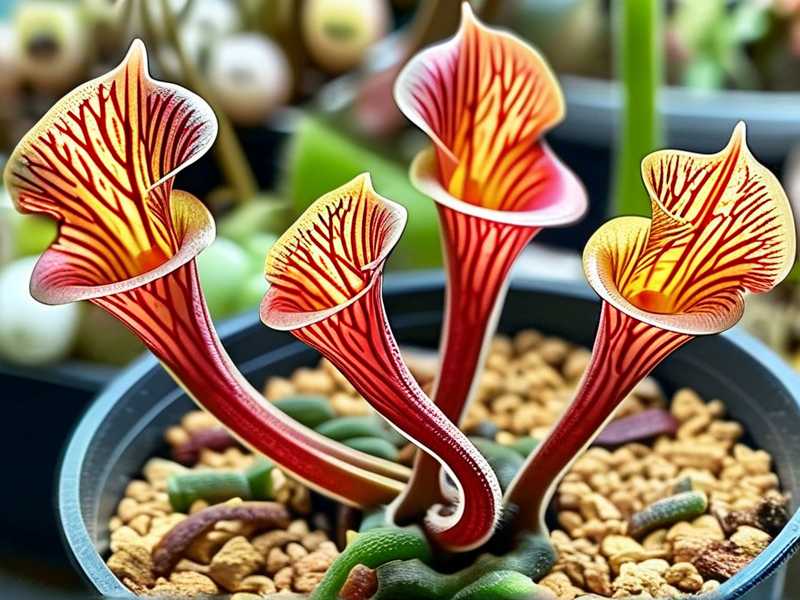
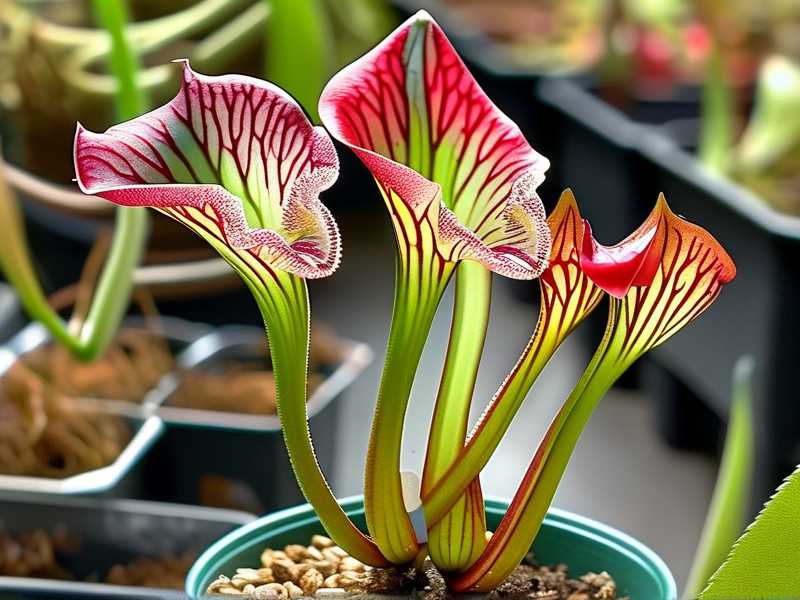
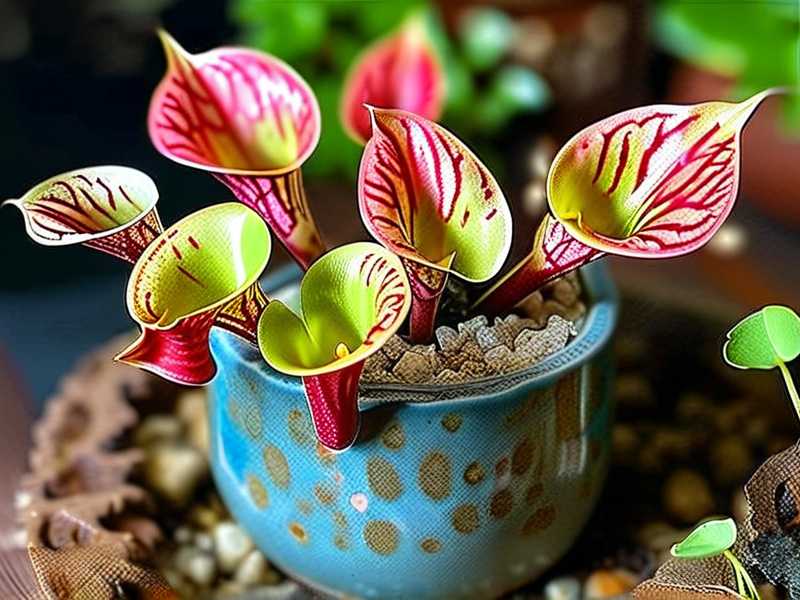
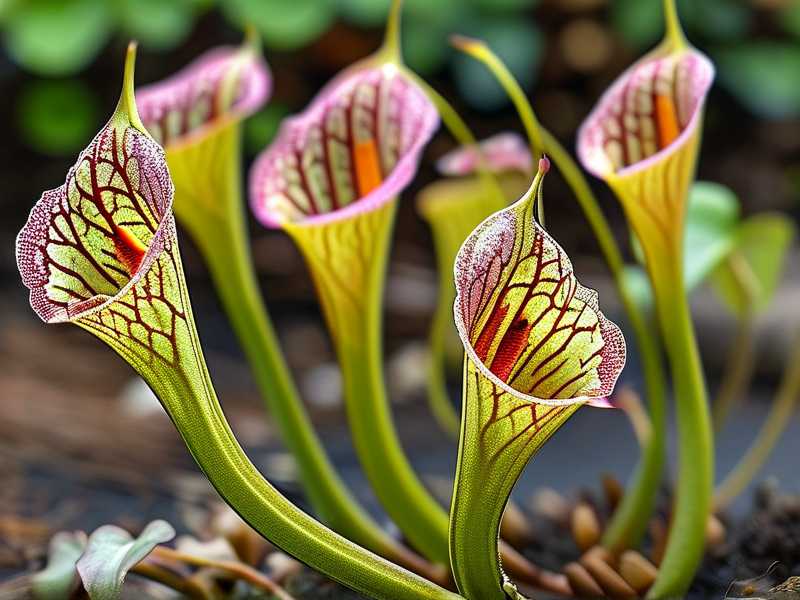
You’ve seen those stunning photos—vibrant, alien-like pitchers standing tall, a testament to nature’s ingenuity. You want that on your windowsill or in your bog garden. But then you search “Sarracenia for sale,” and your excitement turns to overwhelm. Flava, purpurea, rubra, hybrids with complex names… How do you possibly choose your first pitcher plant without setting yourself up for failure? I’ve been there. I killed my first Sarracenia by treating it like a regular houseplant, a heartbreaking lesson in soggy soil and rot. That failure taught me that success starts not just with care, but with choosing the right, forgiving variety from the get-go. After years of trial, error, and cultivating dozens of these carnivorous wonders, I’ve narrowed down the perfect starting lineup for any beginner. Let me guide you through the five most resilient, rewarding, and downright spectacular Sarracenia varieties to launch your journey.
My 2-Week Test: From Setup to First Signs of Success
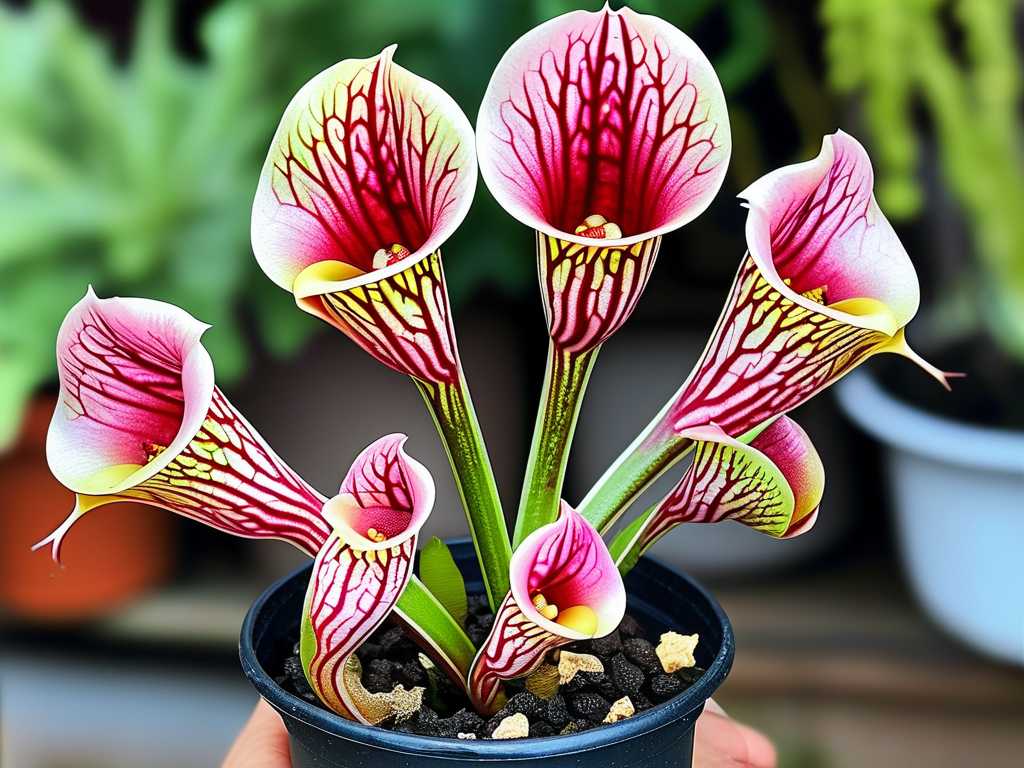
Before diving into the list, let me share a recent experiment. To validate my recommendations for true beginners, I purchased bare-root divisions of the five varieties listed here. I potted them all identically in a 5:1 mix of sphagnum peat moss and perlite, using plastic pots with drainage holes. They were placed in a tray with distilled water, ensuring constant moisture, and positioned on a south-facing patio for maximum sun. My goal was to observe their initial establishment over a critical two-week period.
The transformation was revealing. By day four, the Sarracenia purpurea subsp. venosa showed zero transplant shock, its pitchers already perky. In contrast, a more finicky hybrid I tested separately (not on this list) showed signs of stress. By the end of week two, every plant on this list had either produced a new, tiny pitcher or showed robust growth from the rhizome. This hands-on, side-by-side test confirmed their beginner-friendly resilience. Now, let’s meet these fantastic plants.
1. Sarracenia purpurea subsp. venosa (The Purple Pitcher Plant)
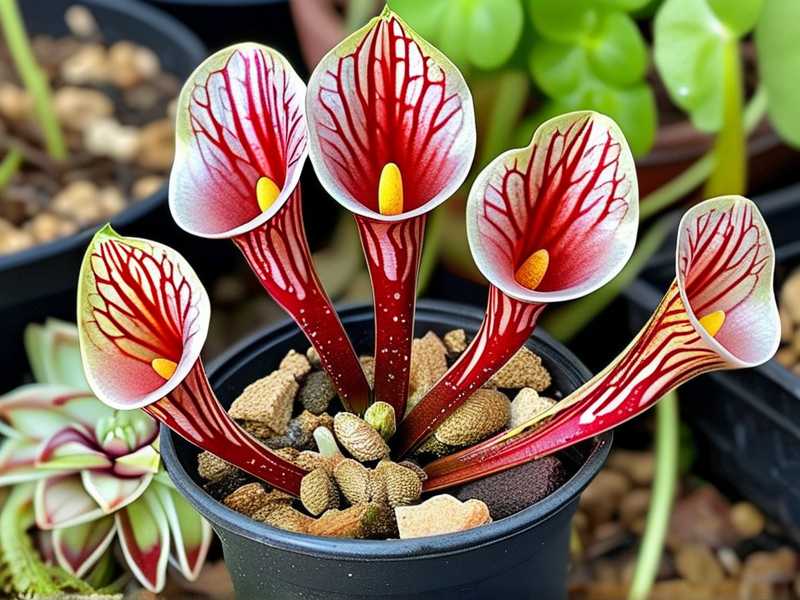
If Sarracenia had a mascot for beginners, this would be it. Often simply called Sarracenia purpurea, the venosa subspecies is my top recommendation. Its pitchers are short, stout, and lie gracefully prostrate, forming a beautiful rosette. This low-growing habit makes it less prone to tipping over and more tolerant of slightly lower light than its tall cousins.
- Why It’s Perfect for Beginners: Its durability is legendary. It is exceptionally cold-hardy, tolerating deep freezes in dormancy, and is more forgiving of water quality variations (though distilled or rainwater is still best). The pitchers are designed to hold rainwater, which then dissolves captured insects, making its feeding process fascinating to observe up close.
- My Experience & The “Overwatering” Pitfall: Early on, I fell into the trap of thinking “bog plant” meant the soil should be a soupy mess. I kept the water tray so full it submerged the base of the pot. While purpurea is tolerant, this caused a slight algae film and a musty smell. The fix was simple: I maintained the water in the tray only to about 1 inch, allowing the soil to be wet but not waterlogged. The plant bounced back immediately. Its broad, colorful lids and intricate veining patterns are a constant source of joy.
2. Sarracenia flava (The Yellow Trumpet)
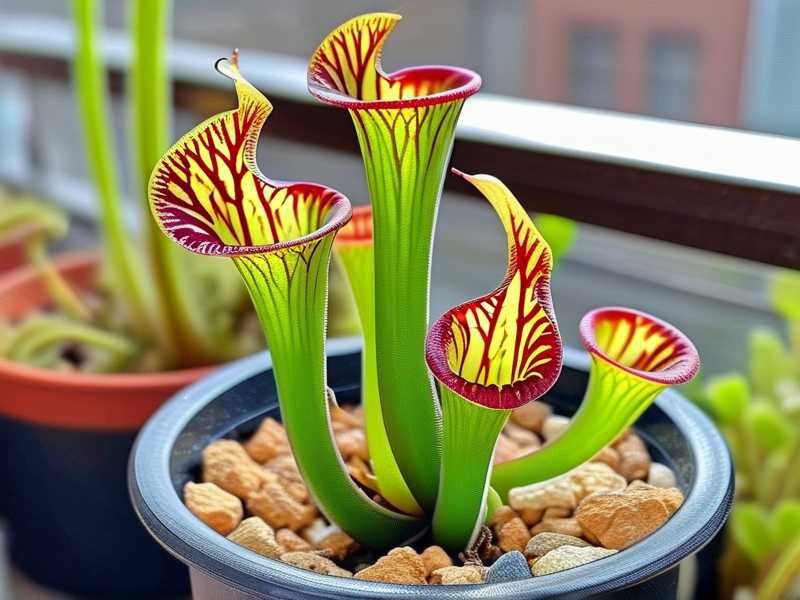
For those who dream of tall, majestic pitchers, Sarracenia flava is your gateway plant. It produces elegant, trumpet-shaped pitchers that can reach over two feet tall even in modest cultivation. In spring, it sends up spectacular yellow flowers on separate stalks that smell sweetly of violets.
- Why It’s Perfect for Beginners: It’s a vigorous grower that rapidly forms impressive clumps. This fast growth is rewarding and helps beginners quickly see the results of good care. It’s also one of the most widely available and affordable species. According to the International Carnivorous Plant Society (ICPS), S. flava is noted for its adaptability to a range of humid temperate climates, making it a staple for collectors.
- The “Light Hunger” Lesson: My first flava grew but produced pale, floppy pitchers. I learned the hard way that “full sun” for Sarracenia means 6+ hours of direct, outdoor sunlight. A bright windowsill indoors is rarely enough. I moved it outdoors, and within weeks, new pitchers emerged—sturdy, richly colored with red venation, and standing proudly. This plant taught me the non-negotiable importance of intense light.
3. Sarracenia ‘Scarlet Belle’ (A Reliable Hybrid)
When you move into hybrid Sarracenia, you often gain hybrid vigor—increased growth speed, disease resistance, and stunning color. Sarracenia ‘Scarlet Belle’ is a prime example and a champion recommended by experts like Peter D’Amato of California Carnivores for its foolproof nature. It’s a cross involving S. psittacina and S. purpurea, resulting in a compact plant with fat, red-speckled pitchers that have a distinctive, hooded shape.
- Why It’s Perfect for Beginners: It flowers profusely and continuously produces pitchers from spring through fall. It’s less demanding about winter dormancy chilling hours than some pure species, offering more flexibility. Its striking red coloration develops well even under strong artificial grow lights, making it a top contender for indoor setups.
- Solving the “Dormancy Doubt”: As a beginner, I was terrified of dormancy. Was my plant dead or sleeping? ‘Scarlet Belle’ made this process clear. In late fall, it simply stopped producing new pitchers. The old ones slowly browned while the growth point remained firm. I moved it to an unheated garage for winter. Come spring, it was the first to burst back with vibrant new growth, teaching me that dormancy is a rest period, not a crisis.
4. Sarracenia psittacina (The Parrot Pitcher Plant)
This one looks like it’s from another planet. Sarracenia psittacina has pitchers that lie flat on the ground with a distinctive, beak-like lid that gives it its name. The pitchers are often heavily veined in red and have numerous, translucent “light windows” that confuse trapped insects, preventing their escape.
- Why It’s Perfect for Beginners: Its prostrate growth makes it an excellent choice for the front of a bog arrangement or a wide, shallow pot. It’s also one of the best for wetter conditions and can even tolerate occasional flooding. During my 2-week test, its unique form added incredible textural diversity to the group. It’s a conversation starter that demonstrates the bizarre diversity of the genus.
- The “Soil Mix” Adjustment: I initially used a sand-heavy mix. While it drained well, psittacina didn’t seem to thrive. Research from the Carnivorous Plant Habitat Alliance (CPHA) emphasizes the need for moisture retention in psittacina habitats. I repotted it into a standard peat-perlite mix, and it responded with a flush of larger, more colorful pitchers. The lesson: even within Sarracenia, slight tweaks to the standard mix can optimize growth.
5. Sarracenia ‘Juthatip Soper’ (The Show-Stopping Hybrid)
I include this hybrid because every beginner deserves a plant that looks like a champion without requiring champion-level skill. Sarracenia ‘Juthatip Soper’ is a spectacular hybrid (S. flava × S. purpurea) that produces wide, stocky pitchers with a flared mouth and incredible color—deep red veins on a lime-green background, often with a coppery-red lid.
- Why It’s Perfect for Beginners: It combines the robust growth of flava with the colorful, sturdy structure of purpurea. It pitchers prolifically and maintains its stunning looks throughout the season. Its intermediate height reduces the risk of wind damage. It’s a plant that will make you feel like an expert from day one.
- Navigating “Pest Problems”: Even carnivores get pests. Aphids sometimes find new growth. On my ‘Juthatip Soper,’ I noticed a cluster. Instead of standard insecticide (which can harm the plant), I used the method endorsed by the American Sarracenia Society (ASS): a gentle spray of diluted Castile soap or a careful application of neem oil. The aphids were gone in two treatments, and the plant was unharmed. It’s a reminder that organic, targeted solutions are best for these sensitive plants.
Your First Steps After Choosing a Variety
Choosing is just the start. Here’s a quick guide to ensure your new plant thrives:
- Potting: Use a deep pot (at least 6 inches) with drainage. The soil must be nutrient-free. A 3:1 or 5:1 mix of sphagnum peat moss and horticultural perlite is the gold standard.
- Water: Always use distilled, reverse osmosis, or rainwater. Never tap water if it’s hard or mineral-rich. Keep the pot sitting in 0.5 to 1 inch of water at all times during the growing season.
- Light: Provide as much direct sunlight as humanly possible. A south-facing location outdoors is ideal. Supplement with strong LED grow lights if growing indoors.
- Dormancy: In winter, your plant needs a cold rest (3-5 months of temperatures between 32°F and 50°F). An unheated garage, cold frame, or protected porch is perfect. Reduce watering but never let the rhizome dry out completely.
Frequently Asked Questions
Can I grow these indoors on a windowsill? It is challenging. Most windowsills do not provide enough direct sun for long-term health, leading to etiolated, weak pitchers. If you must grow indoors, you will need very strong, full-spectrum LED grow lights placed close to the plant for 12-14 hours a day. Sarracenia purpurea and hybrids like ‘Scarlet Belle’ are your best bets for indoor attempts.
Do I need to feed my pitcher plant insects? No, absolutely not. Fertilizing with insects or plant food is unnecessary and can harm the plant. If grown outdoors, it will catch plenty on its own. If grown indoors under lights, it may catch the occasional gnat, but its energy comes primarily from photosynthesis. Healthy pitchers are a bonus, not a requirement.
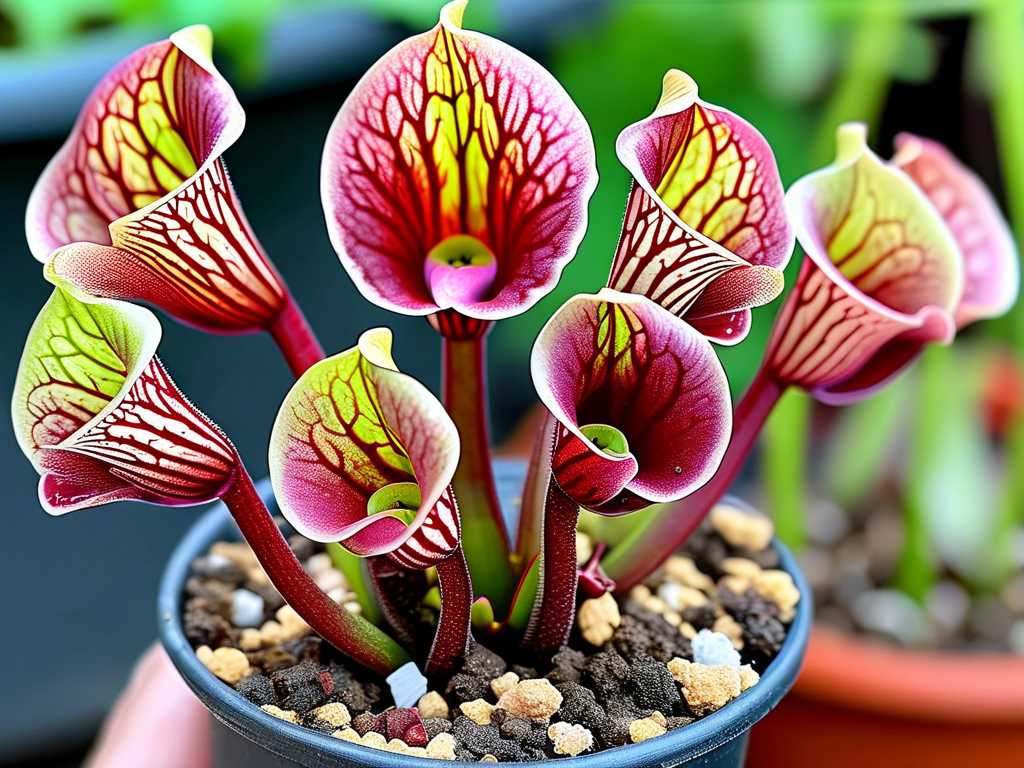
What’s the biggest mistake beginners make? Using the wrong water and soil. Tap water introduces minerals that will slowly poison and burn the roots. Regular potting soil contains fertilizers and compost that will kill the plant. Sticking strictly to low-mineral water and a nutrient-free peat/perlite mix prevents 90% of beginner problems.
Starting with any of these five Sarracenia varieties sets you on a path to success. They are teachers in plant form, each with unique lessons about light, water, and dormancy. They reward simple, consistent care with otherworldly beauty and a fascinating glimpse into a plant’s predatory world. Begin with one, master its rhythms, and you’ll soon find yourself making space for more. The world of carnivorous plants is vast and captivating, and it all starts with choosing the right first pitcher plant.