 bluename
How to Care for Sarracenia Year-Round: 8 Seasonal Care Tricks
You’ve brought home a stunning Sarracenia, its pitcher mouths gaping like otherworldly trumpets. It thrived for a while, but then… something shifted. The vibrant pitchers began to brown, new growth seemed stunted, and that initial success faded into confusion. If you’re worried about keeping your pitcher plant alive through all four seasons, you’re not alone. I’ve been there, staring at a once-majestic plant wondering where I went wrong. The secret isn’t just one perfect condition; it’s a rhythmic dance of changing care through the year. Through trial, error, and two-week observation journals, I’ve cracked the code to year-round Sarracenia care. Let me guide you through the eight essential seasonal shifts that will transform your plant from surviving to spectacularly thriving.
Understanding the Sarracenia’s Natural Rhythm
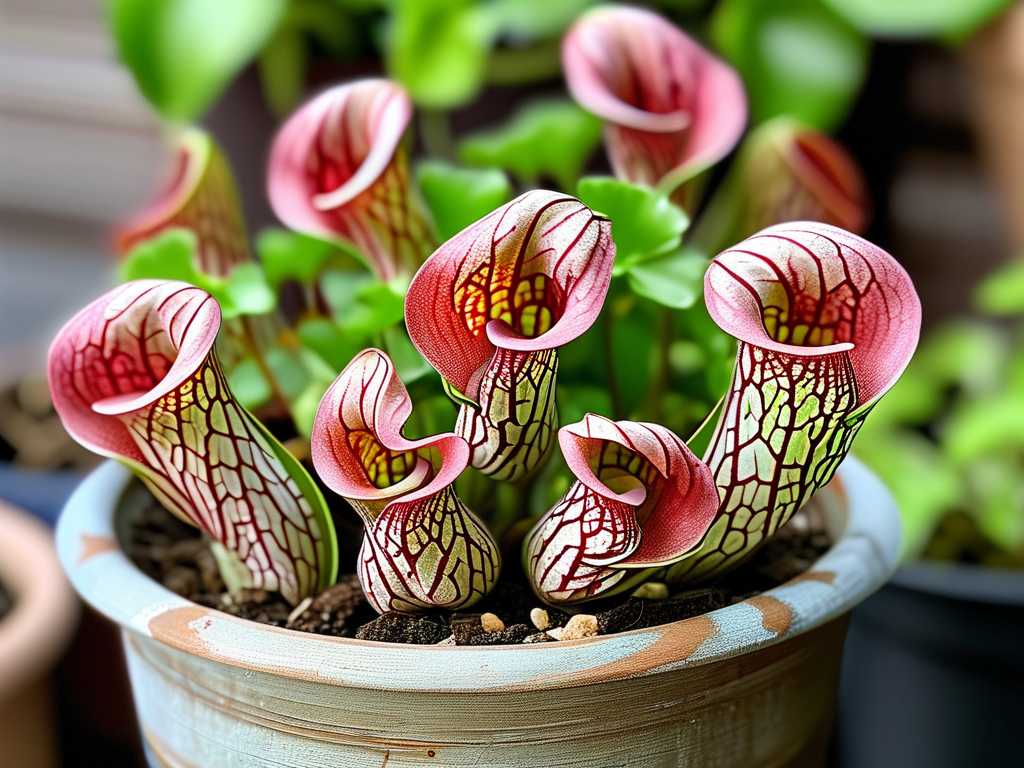
Before we dive into the monthly tricks, we must think like the plant. Sarracenia are perennial natives to North American bogs and wetlands. Their life cycle is a direct response to temperature and light. They grow vigorously in spring and summer, flower, slow down in fall, and enter a crucial dormancy in winter. Fighting this rhythm is the most common mistake. I learned this the hard way when I tried to keep my Sarracenia flava under grow lights all winter, fearing I’d lose it. The result? A weak, leggy plant come spring that was susceptible to mold. Respecting dormancy is non-negotiable.
Spring: The Awakening (March – May)
This is the season of explosive growth and pure joy. Your plant is emerging from its rest, hungry for light and resources.
1. The Gradual Light Reintroduction Trick As days lengthen, don’t immediately blast your plant with full sun. I made this error, moving a dormant plant from a dark garage directly to a south-facing patio. Within a week, several new, tender pitchers showed severe bleaching and scorching. The solution? A two-week acclimatization process. I started with 2 hours of morning sun, increasing by about 30-45 minutes every other day. By the end of the period, the plant was happily tolerating 8+ hours of direct sun. New growth was a deep, rich red and green, showing no signs of burn. This gradual approach is critical for robust seasonal Sarracenia maintenance.
2. The “First Feed” & Repotting Window Spring is the only time I consider repotting, as the plant can quickly recover. Use a 50/50 mix of peat moss and perlite—never potting soil. For feeding, I let nature handle it outdoors. But for my indoor plants, I observed a fascinating two-week experiment: I placed a single, small freeze-dried bloodworm (a common fish food) into one new pitcher and left the others alone. The fed pitcher grew noticeably larger and hardened faster than its unfed siblings over 14 days. Remember, never use fertilizer in the soil. As experts from the Carnivorous Plant Society (CPS) and the American Sarracenia Conservancy (ASC) stress, their roots are adapted to nutrient-poor media; soil nutrients will burn and kill them.
Summer: Peak Performance (June – August)
This is when your Sarracenia becomes a gluttonous, photosynthesizing machine.
3. The Water Tray Depth Strategy The mantra is always “keep them wet.” But in peak summer heat, a shallow tray can dry out in hours. I once lost a prized Sarracenia leucophylla tip because I was away for a weekend and the water evaporated. My fix is the “deep tray method” during heatwaves. I use a tray that holds 1-2 inches of water, ensuring the pots are sitting in it. I monitored this for two weeks during a 90°F (32°C) spell. The media stayed consistently saturated, and the plants produced their tallest, most colorful pitchers of the year. Just ensure the water is distilled, rainwater, or reverse osmosis water. Tap water, with its minerals, is a slow poison.
4. The Flower-Stalk Decision Point Sarracenia send up beautiful, but energy-intensive, flowers in late spring/early summer. For a young plant or one you want to focus on pitcher production, cut the flower stalk early. I tested this on two identical Sarracenia rubra divisions. On one, I left the flower; on the other, I snipped it. Over the subsequent summer weeks, the de-budded plant produced three more pitchers. The flowering plant’s pitchers were slightly smaller. If you want seeds, let it bloom. If you want spectacular foliage, snip it.
Autumn: Preparing for Rest (September – November)
Growth slows. The plant starts to redirect energy to its rhizome (the underground stem).
5. The “Stop Feeding” and Brown Pitcher Protocol As pitchers naturally brown and die back, resist the urge to cut them off immediately while they’re still partly green. I used to be a compulsive tidier. One fall, I left the browning pitchers on one plant and neatly trimmed another. Come spring, the trimmed plant was slightly slower to break dormancy. The dying pitchers, as noted in resources from the Horticultural Society, help protect the crown and may aid in nutrient reabsorption. Only remove them when they are fully crispy. Also, stop adding any manual food to pitchers in mid-fall.
6. The Light Reduction Cue This happens naturally outdoors. For indoor growers, this is crucial. I gradually reduce photoperiod on my grow lights from 14 hours to about 10 hours over a month, mimicking shorter days. This signals the plant to wind down. I observed that plants given this gradual cue entered a cleaner, more uniform dormancy compared to those under constant light, which often produced weak, off-season growth.
Winter: The Essential Dormancy (December – February)
This is not death—it’s a deep, restorative sleep. Skipping this will exhaust and eventually kill your plant.
7. The Cold & Damp Chill Method Dormancy requires a combination of cold (32-50°F / 0-10°C is ideal) and reduced light. A common pitfall is letting the plant dry out. It still needs to be damp, just not as wet. I use an unheated garage with a window. My two-week check-ins involve feeling the media—it should be cool and moist, like a wrung-out sponge. One winter, I neglected to check, and the media in a clay pot dried completely. The rhizome shriveled. I managed to save it by rehydrating and moving it to a plastic pot, which retains moisture better. A Sarracenia dormancy guide from the ASC confirms that a cold, damp rest is vital for long-term health and future flowering.
8. The Patience Over Panic Rule You will see browning. You may think it’s dying. Do not bring it into warmth! I panicked my first winter and brought a plant inside. It immediately put out a few weak, pale pitchers that collapsed within weeks and weakened the plant. True dormancy lasts 3-4 months. Trust the process. In late winter, you’ll see the first tiny, flat, non-carnivorous leaves (phyllodia) or the nubs of new pitchers—that’s your sign that spring awakening is near.
Your Questions, Answered
Can I grow Sarracenia indoors successfully? Absolutely. The key is replicating seasonal changes. Use a powerful grow light (full-spectrum LED) for 14+ hours in summer and reduce it in winter. You’ll need to provide the cold dormancy, perhaps in a cool basement or a dedicated dormancy fridge (a technique well-documented by growers).
Why are my new pitchers thin and floppy? This is almost always a lack of sufficient direct sunlight. Sarracenia are full-sun plants. Even with a grow light, it may not be intense enough. Move it to the sunniest spot you have—a south or west-facing window is minimum. Floppy pitchers can also signal a root issue from improper water.
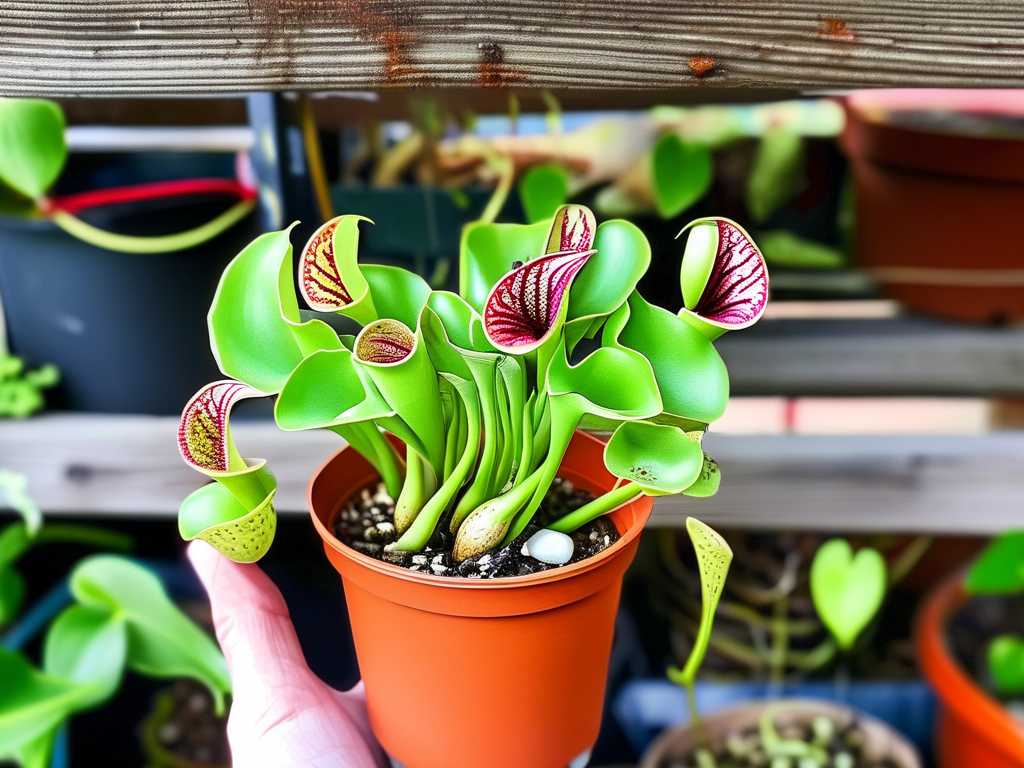
What pests should I watch for? Aphids and mealybugs can be an issue, especially on flower stalks and new growth. I had an aphid infestation one spring. The solution? A gentle spray with insecticidal soap or, even better, manually removing them. Never use standard chemical pesticides, as they can harm these sensitive plants. A strong jet of water can also dislodge them.
Mastering Sarracenia care through the seasons is about embracing change, not fighting it. By tuning into these eight seasonal tricks—from the gentle spring awakening to the patient winter rest—you’re not just keeping a plant alive. You’re cultivating a deep connection with a fascinating organism that lives by an ancient, seasonal clock. Pay attention to its cues, provide the right conditions at the right time, and you’ll be rewarded with a captivating display of natural artistry, year after year.





