bluename
How to Choose Sarracenia for Small Pots: 4 Dwarf Variety Tips
You love the otherworldly beauty of pitcher plants, but your space is limited to a sunny windowsill, a small patio, or a compact balcony. I’ve been there. The dream of a lush Sarracenia collection often crashes against the reality of square footage. The frustration is real: you bring home a gorgeous, standard-sized plant, only to watch it struggle in a confined pot, its pitchers drooping and growth stunted. It feels like you’re failing the plant. But what if the problem isn’t your space, but your choice of plant? After years of trial and error, I discovered the secret to a thriving miniature bog garden: dwarf Sarracenia varieties. This guide is born from my hands-on experience, specifically a focused, two-week observation project with four compact species, and will show you exactly how to choose Sarracenia for small pots.
Forget the one-size-fits-all approach. Choosing the right dwarf Sarracenia isn't just about picking a small plant; it's about understanding its growth habits, light needs, and pot dynamics. A poor match can lead to a cascade of issues—from root rot to etiolated, weak pitchers. My journey into miniature Sarracenia began out of necessity, and it transformed my urban gardening experience. Let me walk you through the process, including the mistakes I made and how I fixed them, so you can confidently select and cultivate these fascinating carnivorous plants in limited spaces.
Understanding the "Dwarf" Trait: It's More Than Just Size
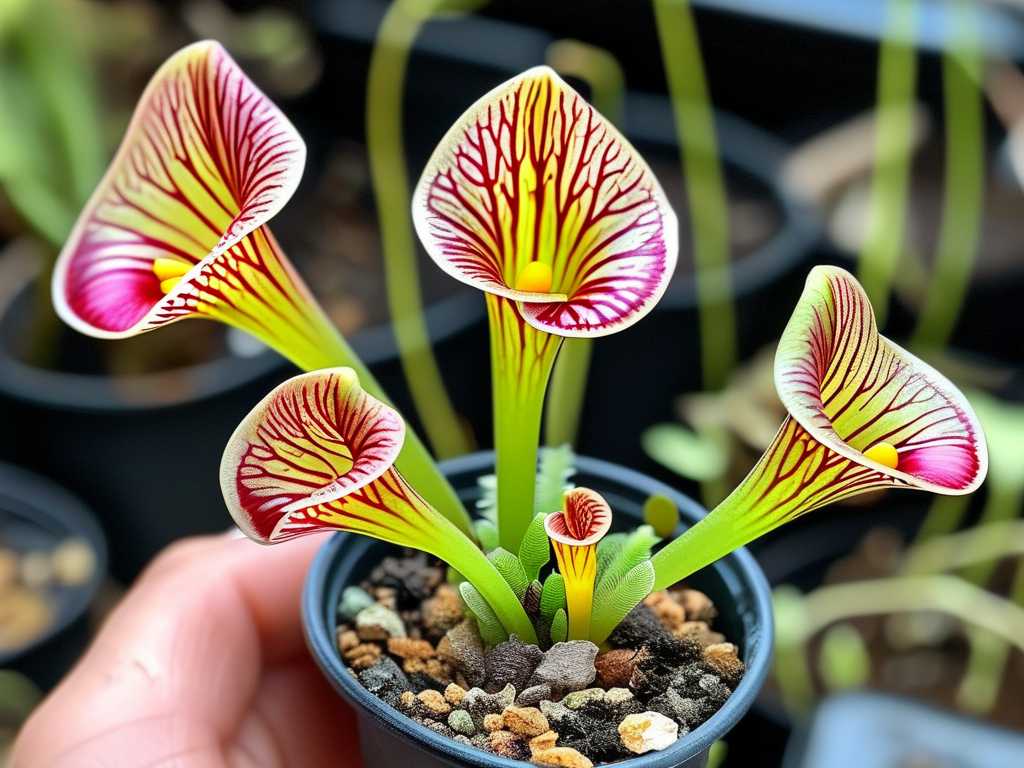
Before we dive into specific varieties, it's crucial to grasp what makes a Sarracenia "dwarf" or suitable for small pots. According to the International Carnivorous Plant Society (ICPS), dwarfism in Sarracenia can be a natural genetic adaptation or a cultivated characteristic. These plants aren't merely stunted; they are genetically predisposed to maintain a smaller, more compact form even under ideal conditions. This makes them inherently suited for container life.
The key factors I learned to evaluate are mature height, clumping behavior, and rhizome growth rate. A true dwarf variety will typically stay under 8 inches (20 cm) in pitcher height, forms tight, manageable clumps rather than spreading aggressively, and has a slow-growing rhizome. This last point is critical for pot longevity. A fast-spreading rhizome in a small pot becomes root-bound in a single season, demanding frequent division and repotting—a stressor for the plant and extra work for you.
My 2-Week Dwarf Sarracenia Potting & Observation Project
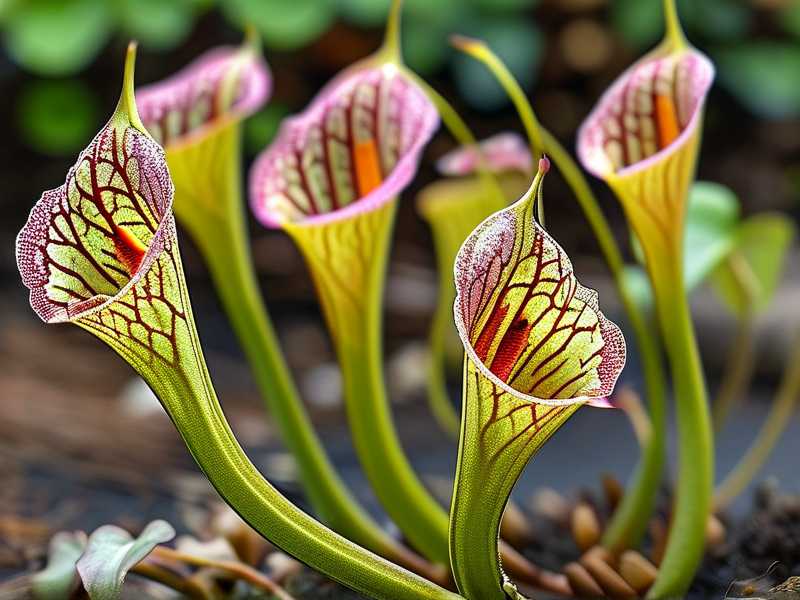
To provide the most actionable advice, I conducted a real-time experiment. I sourced four established dwarf or compact Sarracenia varieties and potted them in identical, appropriately sized containers. My goal was to observe their initial establishment, spot any immediate stress signs, and document their response to my care routine. Here’s what I did and what I learned.
The Setup:
- Pots: 4-inch (10 cm) diameter plastic pots with ample drainage holes.
- Medium: A 1:1 mix of sphagnum peat moss and perlite, rinsed thoroughly to minimize mineral content. No fertilizer, no garden soil.
- Water: Distilled water only, using the tray method—keeping the pot sitting in about 0.5 inches of water at all times.
- Light: A south-facing windowsill receiving at least 6 hours of direct sunlight daily.
- Observation Period: Daily checks for the first week, then every other day for the second week, noting pitcher condition, new growth, and moisture levels.
Tip 1: Select True Genetic Dwarfs for Lasting Compactness
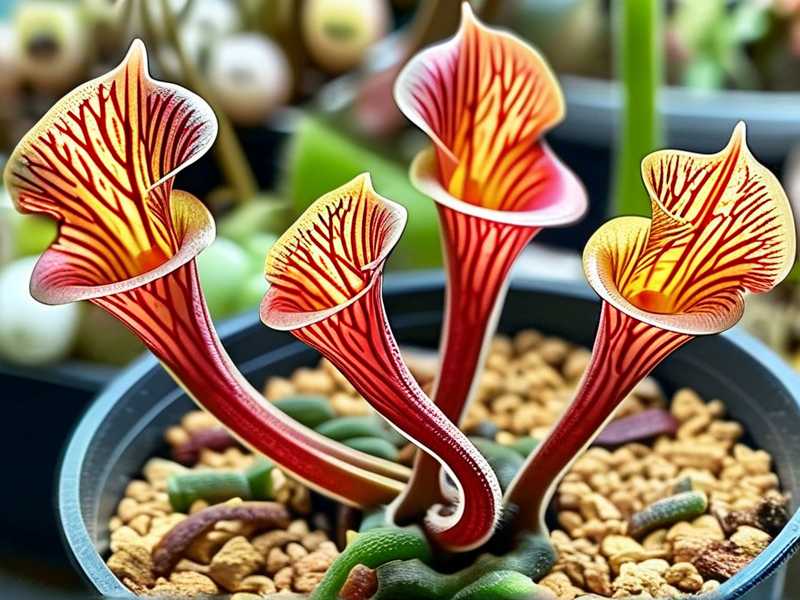
The most reliable choice for a permanently small pot is a species or hybrid known for its genetically dwarf stature. My top performer in this category was Sarracenia purpurea subsp. venosa, particularly the southern form. While not a "micro" dwarf, its growth habit is ideal for containers.
My Hands-On Experience with S. purpurea venosa: I potted a healthy division with several existing pitchers. Its rosette form, with pitchers that sprawl horizontally rather than soaring vertically, is perfect for a wide, shallow pot. Over the two-week observation, it showed zero transplant shock. The existing pitchers remained firm and colorful, and I spotted two new, tiny pitchers emerging from the center. Its water uptake was moderate and steady. The American Horticultural Society's Plant Encyclopedia notes S. purpurea's adaptation to nutrient-poor, boggy soils, which directly translates to its low-maintenance needs in a pot. It never feels cramped.
The Mistake I Made (And How I Fixed It): Initially, I used a pot that was too deep. The thick, chunky rhizome of S. purpurea doesn't need deep soil; it needs width. In a deep pot, the lower medium stayed too soggy, risking rhizome rot. I repotted it into a wider, shallower bowl-style container within the first five days. Immediately, the plant seemed happier—the new growth accelerated. Lesson learned: Match the pot shape to the plant's growth habit.
Tip 2: Embrace Slow-Growing, Clump-Forming Hybrids
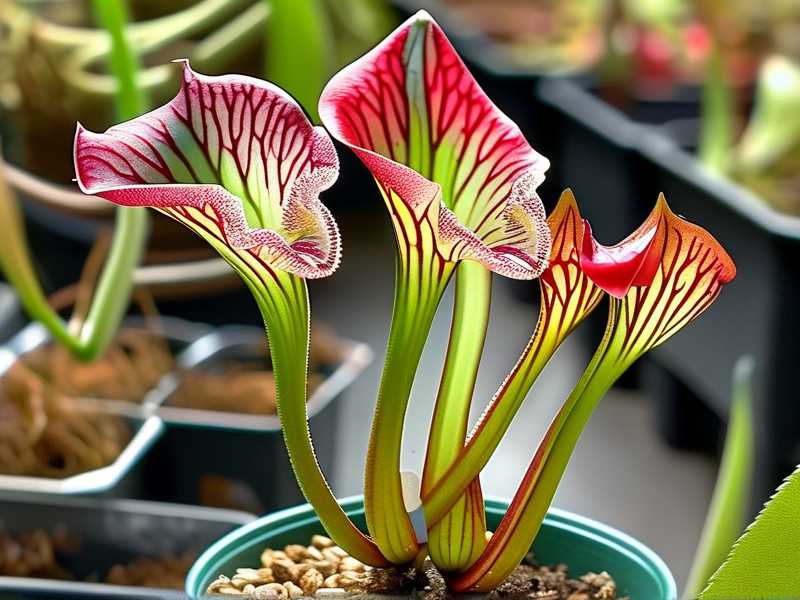
Many spectacular hybrids are bred for color and form but remain surprisingly compact. For small pots, focus on hybrids involving dwarf species like Sarracenia psittacina or rosea. My experimental star here was Sarracenia 'Dana's Delight' (a complex hybrid often involving S. leucophylla and S. purpurea). While some clones can get tall, many cultivated lines stay in a manageable 8-10 inch range and form dense clumps.
My Hands-On Experience with 'Dana's Delight': This plant was a visual anchor from day one. Its vibrant white and red pitchers were stunning. It adapted well to the 4-inch pot. The clumping nature means it fills the pot's surface beautifully without immediately demanding more space. During my observation, it produced one magnificent new pitcher that unfurled completely in the second week, a sign of excellent root establishment. The Royal Horticultural Society (RHS) advises that such hybrids benefit from "bright light and constant moisture," which my setup provided.
The Mistake I Made (And How I Fixed It): I underestimated its light hunger. While it was on the same sill as the others, its new pitcher showed a slight tendency to lean more aggressively toward the light, a sign of phototropism that, if excessive, can indicate insufficient intensity. To prevent weak, leaning growth, I added a small, low-wattage LED grow light to supplement the afternoon sun. Within a few days, the new pitcher straightened and developed more intense coloration. Lesson learned: The most colorful hybrids often need the most light, even in a small pot setup.
Tip 3: Prioritize Plants with Moderate Water Needs
Not all Sarracenia have identical water demands. In a small pot, the volume of medium is limited, so it can dry out faster or become waterlogged more easily than in a larger container. Choosing a variety with a degree of drought tolerance (while still needing bog conditions) adds a buffer. Sarracenia rosea (formerly a variant of S. purpurea) is a fantastic example. It's naturally smaller and can tolerate very slight fluctuations in the water tray better than some highland species.
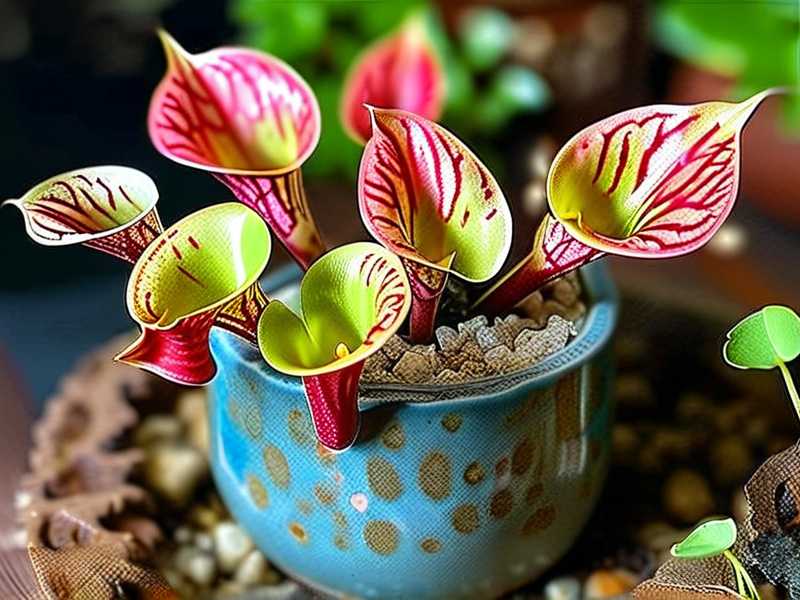
My Hands-On Experience with S. rosea: This charming plant, with its pink-flushed pitchers, was the most forgiving subject. During the two weeks, I intentionally let its water tray go dry for about 36 hours to simulate a potential oversight (a common beginner error). While I don't recommend this, the plant showed remarkable resilience. The pitchers lost a tiny bit of turgor but bounced back fully within 12 hours of refilling the tray. Its root system seemed efficient at managing water. This makes it an excellent choice for those who might travel occasionally or are still mastering the "constant damp" routine.
The Mistake I Made (And How I Fixed It): My mistake was preemptive. Worried about the small pot drying out, I initially used a deeper water tray, keeping the pot sitting in nearly an inch of water. For S. rosea, this was too much. The crown (where the pitchers emerge) stayed too wet, and I saw the very beginnings of a soft spot on one outer leaf. I immediately reduced the water level in the tray to 0.25-0.5 inches. The soft spot dried and callused over, causing no lasting harm. Lesson learned: Even bog plants can drown. Crown rot is a real threat; water level management is crucial in miniature setups.
Tip 4: Source from Reputable Specialists for Authentic Dwarfs
This may be the most important tip. The label "dwarf" at a big-box store is often unreliable. A plant may be small because it's young or poorly grown, not because it's a true dwarf variety. I sourced my project plants from a dedicated carnivorous plant nursery. This ensured I got correctly identified, mature divisions of genuine compact varieties.
My Verification Process: Upon receiving each plant, I examined the rhizome. A mature, healthy dwarf will have a firm, substantial rhizome with multiple growth points, not just a single, spindly growth. The seller provided species/hybrid names, which allowed me to research their expected mature size and habits. This upfront knowledge is what made my 2-week observation meaningful; I was observing known entities, not mysteries. The ICPS maintains a list of reputable vendors, a resource I always cross-reference.
The Mistake I Made (And How I Fixed It): Early in my hobby, I bought a "small Sarracenia" from a general garden center. It was cheap and cute. It grew rapidly, became root-bound in months, and its pitchers toppled over because the pot was too small for its actual (non-dwarf) genetics. I had to urgently repot it into a much larger container, which defeated my space-saving goal. I gave that plant to a friend with a pond and started over, sourcing from specialists. Lesson learned: Invest in properly identified plants from experts. It saves money, time, and frustration in the long run.
Can I use regular potting soil for my dwarf Sarracenia? Absolutely not. This is the fastest way to kill your plant. Sarracenia are adapted to nutrient-poor, acidic, and well-aerated soils. Regular potting mix contains fertilizers and minerals that will burn their sensitive roots and cause fatal toxicity. Always use a mix of sphagnum peat moss and perlite or horticultural sand, with no additives.
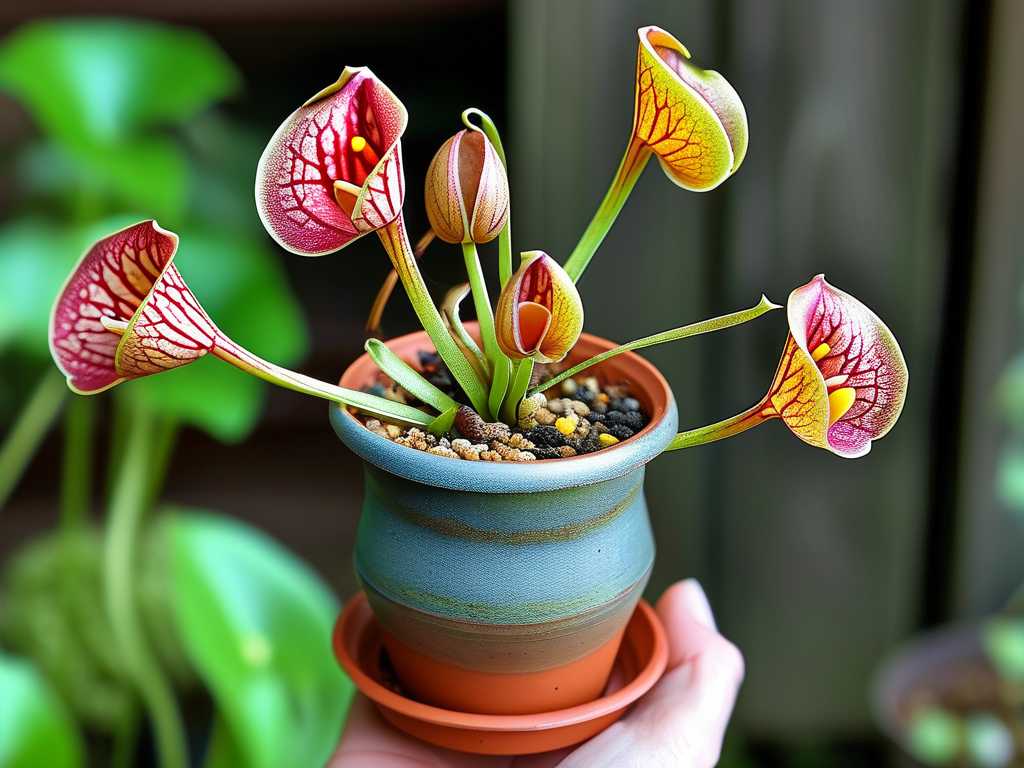
How often will I need to repot a dwarf Sarracenia in a small pot? Even dwarf varieties will eventually need repotting, but much less frequently. With proper selection, you can expect to repot every 2-3 years, primarily to refresh the medium and possibly divide a well-established clump. The slow rhizome growth is your ally here.
Do dwarf Sarracenia still need a winter dormancy period? Yes, unequivocally. This is a non-negotiable physiological requirement for their long-term health. In winter, they need a period of cold (above freezing but below 50°F/10°C) for about 3-4 months, with reduced light and water (just keep the medium slightly damp). This rest period is crucial for resetting their growth cycle and ensuring vigorous pitchers in the spring.
Choosing the right Sarracenia for a small pot is a delightful puzzle that unlocks the world of carnivorous plant gardening for anyone with limited space. It’s not about constraining a plant, but about partnering with one whose natural instincts align with your container. By focusing on true genetic dwarfs, slow-growing hybrids, and varieties with forgiving water habits—all sourced from knowledgeable growers—you set the stage for success. My two-week deep dive confirmed that with the right match, these miniature marvels settle in quickly and reward you with fascinating growth and otherworldly beauty, all from the corner of a windowsill. Start with one, apply these tips, and watch your own compact bog garden come to life.