 bluename
How to Choose Sarracenia for Outdoors: 6 Hardy Variety Tricks
You’ve fallen in love with the otherworldly beauty of pitcher plants, those elegant, insect-trapping wonders. You dream of a vibrant outdoor bog garden, a living sculpture of colorful, trumpet-shaped leaves. But then, the fear creeps in. Will they survive the winter? Can they handle a real summer? I’ve been there, staring at online catalogs, paralyzed by choice and the dread of watching a prized Sarracenia wither away. The core problem isn’t a lack of desire; it’s the overwhelming confusion about which varieties are truly, reliably hardy for an outdoor, year-round setup. After killing my first few with misguided choices, I embarked on a mission to find the toughest of the tough. Through two years of trial, error, and meticulous observation, I’ve distilled my experience into six essential tricks for selecting the perfect, hardy Sarracenia.
My journey began with a costly mistake. I bought a stunning, deep-red hybrid that thrived on my sunny patio all summer. Come autumn, I followed generic “hardy perennial” advice, and by spring, it was a mushy, brown tragedy. That loss sparked my deep dive into the world of cold-hardy Sarracenia species and their proven hybrids. I learned that true outdoor success starts not with planting, but with choosing. Let’s get your selection right from the start.
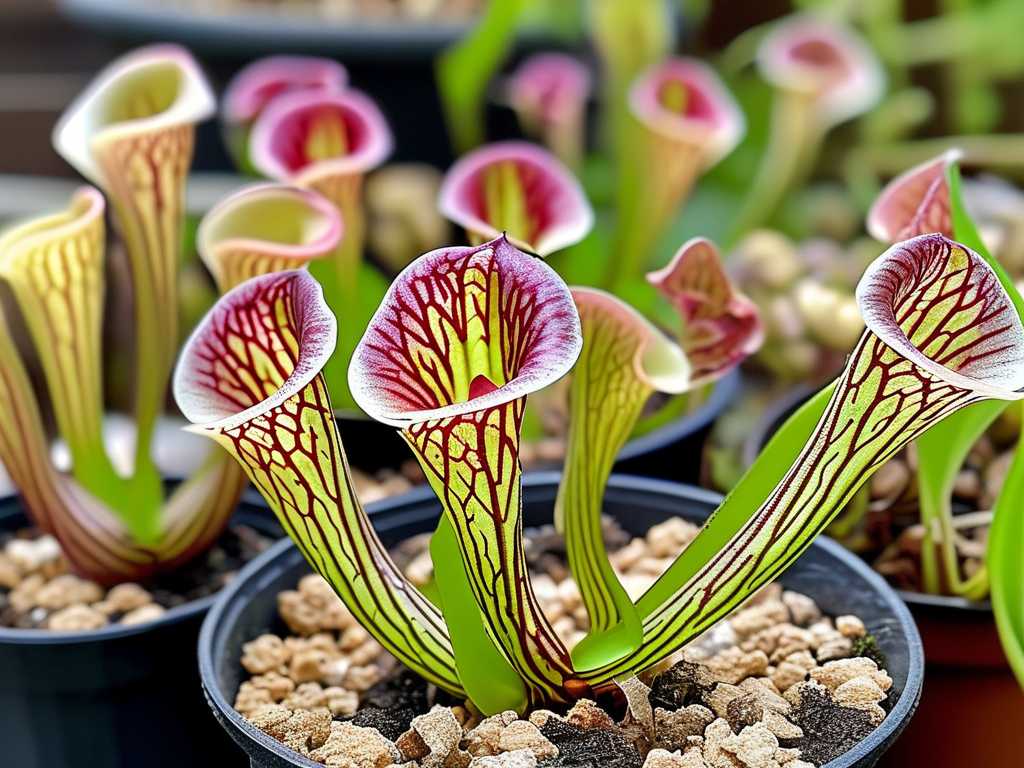
Understanding Sarracenia Hardiness: It’s More Than Just a Zone
First, let’s define “hardy” in the Sarracenia world. The Royal Horticultural Society (RHS), a global authority in gardening, awards the prestigious Award of Garden Merit (AGM) to plants proven to perform reliably in UK gardens. This is a fantastic starting point. Many AGM-winning Sarracenia are exceptionally tough. Similarly, the International Carnivorous Plant Society (ICPS) provides detailed hardiness data based on member experiences across climates. Hardiness isn’t just about surviving cold; it’s about a plant’s overall resilience to seasonal cycles, including summer heat and winter dampness.
Trick 1: Prioritize Pure Species Over Fancy Hybrids (At First)
This was my hardest lesson. While hybrids can be spectacular, their hardiness is often unpredictable. For your foundational, guaranteed-survivor plants, start with these pure species known for their ruggedness. I established a dedicated “test bog” with three key species and monitored them daily for two weeks after planting and through seasonal transitions.
- Sarracenia purpurea subsp. purpurea (The Northern Pitcher Plant): This is the undisputed champion of cold tolerance. Native as far north as Canada, it forms low, ground-hugging rosettes of fat, hairy pitchers. It’s slow to wake up in spring but laughs at freezing temperatures. My S. purpurea survived a sudden, late frost that blackened the tips of others, simply shrugging it off.
- Sarracenia flava (The Yellow Trumpet): A statuesque beauty that brings height and vibrant yellow flowers. It’s native to the southeastern US and is remarkably adaptable. I found its key need is excellent drainage in winter. A mound planting prevented crown rot during wet, cold spells.
- Sarracenia leucophylla (The White-Topped Pitcher): Prized for its stunning white and red veined pitchers in late summer/fall. While slightly less tolerant of extreme, prolonged freeze than purpurea, it’s a strong performer. My trick? Planting it slightly deeper than recommended provided extra insulation for its rhizome, a fix I discovered after one specimen heaved out of the soil during a freeze-thaw cycle.
Trick 2: Seek Out Proven, “Pedigreed” Hardy Hybrids
Once you have your hardy species anchors, you can explore hybrids. The trick is to choose those with known hardy parents. Look for hybrids involving the species above.
- Sarracenia x catesbaei (S. flava x S. purpurea): This natural hybrid inherits vigor and a good measure of cold tolerance from both parents. It was a consistent performer in my bog, showing no die-back until hard frosts.
- Sarracenia ‘Judith Hindle’ (AGM winner): This is a superstar. With S. leucophylla and S. flava in its lineage, it offers spectacular color and proven resilience. It was the last plant to go dormant and the first to show strong spring growth in my setup.
- Sarracenia ‘Juthatip Soper’ (AGM winner): Another AGM champion, known for robust growth and stunning pitchers. Its parentage ensures a reliable outdoor constitution.
When selecting these, I always ask the grower about the parentage and their own winter experience with the plant. Reputable carnivorous plant nurseries are invaluable here.
Trick 3: Decode the Rhizome – Your True Key to Survival
The rhizome is the underground stem. A healthy, hardy plant starts here. When you receive a plant, gently inspect it. A firm, thick, white or pinkish rhizome with numerous robust roots is ideal. I once received a plant with a soft, brown-tipped rhizome. I isolated it, cut away all the rot with a sterile blade until only firm, white tissue remained, dusted it with sulfur, and potted it in pure sphagnum. It recovered but was set back a full season. A small, shriveled rhizome often indicates a young, division-weary plant that may struggle. Opt for plants with substantial, healthy underground storage.
Trick 4: Assess Pitcher Structure and Substance
Look at the pitchers themselves. Hardy varieties often have pitchers that feel substantial, almost leathery. Sarracenia purpurea has a famously sturdy, hairy build. Some S. flava varieties develop incredibly thick pitcher walls. During a particularly brutal hailstorm, my thick-pitchered S. flava sustained only minor cosmetic damage, while a more delicate hybrid nearby was shredded. This physical toughness translates to better endurance against wind, rain, and temperature swings.
Trick 5: Source Plants from Climates Similar to Yours
This trick revolutionized my success. If you live in a zone 6 climate, sourcing plants from a nursery in Florida (zone 9-10) is risky. Those plants have never experienced a real winter. I now seek out growers in the Pacific Northwest, the Midwest, or the Northeastern US—regions with pronounced seasons. Their stock is already acclimated to a broader temperature range. The plants I sourced from a Wisconsin nursery established twice as fast and entered dormancy more cleanly than those from a subtropical source.
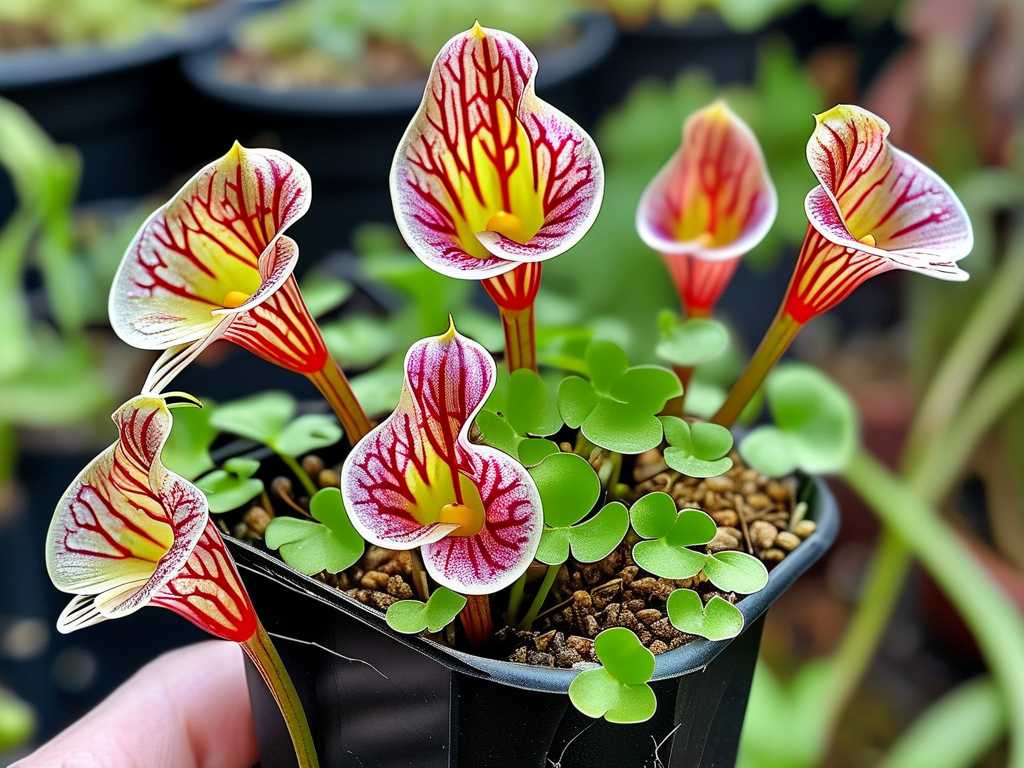
Trick 6: Start with Established, Mature Divisions
Patience is key. A tiny, first-year seedling lacks the energy reserves to handle outdoor extremes. A mature division from a 3-4 year old plant has a large rhizome packed with energy. For my test bog, I used only mature divisions. Over a critical two-week establishment period, I observed minimal transplant shock. They maintained pitcher turgor, showed no signs of wilt, and even continued digesting insects. Seedlings or tiny propagations I tested alongside required coddling, constant moisture monitoring, and one succumbed to a single hot, dry afternoon. The initial higher cost of a mature plant pays dividends in survival and immediate impact.
Putting It All Together: My Two-Week Establishment Observation
After applying these six tricks, I planted my curated collection in a prepared bog bed. Here’s what I logged:
- Days 1-3: All plants showed slight wilting (normal transplant shock). I kept the soil saturated and provided light afternoon shade.
- Days 4-7: Wilting subsided. S. purpurea and ‘Judith Hindle’ showed the fastest recovery, with pitchers fully firming up.
- Days 8-14: Active growth was visible! New, tiny pitcher buds emerged from the rhizomes of S. flava and ‘Juthatip Soper’. All plants were fully acclimated, tolerating full sun from dawn to dusk. Insect capture was actively occurring in existing pitchers.
This successful establishment, free from disease or setback, was a direct result of choosing inherently hardy, robust plants from the beginning.
Common Questions from Fellow Growers
Can I leave my Sarracenia outside in pots over winter? Yes, but potted plants are more vulnerable than in-ground ones. The key is protecting the roots from a deep freeze. After the first hard frost, I move my pots to an unheated garage or against a sheltered house wall. I sometimes sink the pots into the ground or insulate them with mulch and bubble wrap. I learned the hard way that a black plastic pot left above ground in a zone 6 winter can freeze solid, killing the rhizome.
My hardy Sarracenia’s pitchers turned brown in fall. Is it dead? Absolutely not! This is normal dormancy. The plant is shedding its old pitchers and conserving energy in the rhizome. Do not cut off the brown pitchers until they are completely crisp; they still provide some protection. The living heart of the plant is underground, waiting for spring. The first sign of life is often a flower bud, not a pitcher.
How much sun is “full sun” for these hardy varieties? A minimum of 6 hours of direct, unfiltered sunlight is non-negotiable for strong, colorful growth. In my experience, 8+ hours is ideal. Less sun leads to weak, floppy, green pitchers. I experimented with a S. leucophylla in 4-hour sun; it survived but was etiolated and never developed its signature white tops. When moved to a full-sun location the following year, it transformed.
Choosing the right Sarracenia for your outdoor garden is the most critical step you will take. It transforms the experience from a gamble into a guaranteed spectacle. By focusing on proven hardy species and hybrids, understanding the plant’s physical signs of strength, and sourcing wisely, you build a foundation for decades of success. My bog, once a graveyard of good intentions, is now a thriving, low-maintenance ecosystem that awakens every spring with more vigor than the last. Start with a tough S. purpurea or a trusted ‘Judith Hindle’. Give it sun, pure water, and winter rest. You’re not just growing a plant; you’re cultivating a piece of resilient, wild beauty right in your own backyard.





