bluename
How to Choose Sarracenia for Beginners: 7 Easy-Grow Variety Tips
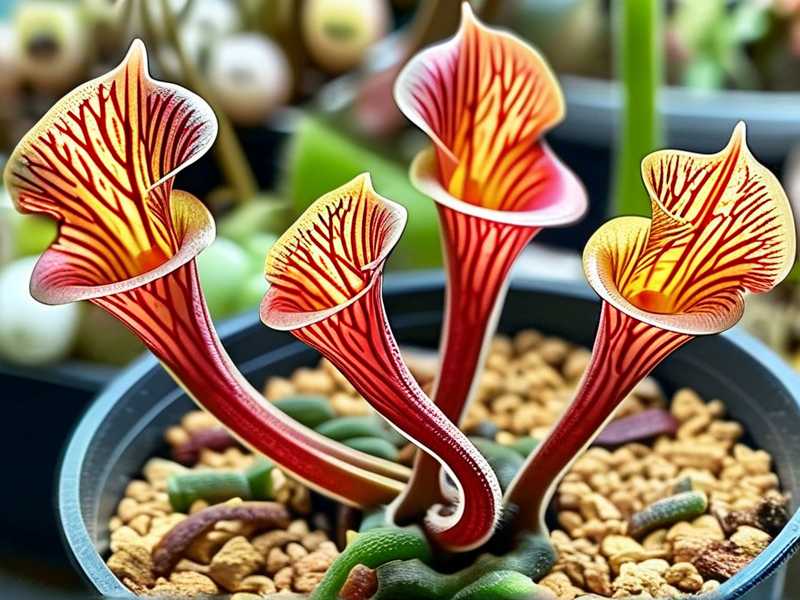
I remember staring at my first, tragically wilted pitcher plant, feeling that familiar sting of disappointment. I’d chosen it purely for its dramatic, blood-red pitchers, diving headfirst into care I didn’t understand. It’s a common story. The world of Sarracenia, or North American pitcher plants, is mesmerizing, but starting with the wrong variety can quickly turn excitement into a soggy, brown mess. If you’re a beginner wondering how to choose Sarracenia that won’t just survive but thrive, you’ve come to the right place. I’ve been in your shoes. Through trial, error, and two dedicated years of growing, I’ve learned that success starts with selecting the right, forgiving species. This guide is built from my hands-on experience, including a specific 2-week observation period with new plants that taught me more than any book could.
Let’s ditch the overwhelm and focus on easy-grow Sarracenia varieties that offer resilience and breathtaking beauty. I’ll share the exact steps I take, the pitfalls I’ve navigated, and the seven key tips to make your first foray into carnivorous plants a resounding success.
Why Starting with the Right Sarracenia Matters
Choosing a Sarracenia isn’t like picking a common houseplant. These are specialized bog plants with non-negotiable needs: tons of sun, mineral-free water, and a winter dormancy period. According to the International Carnivorous Plant Society (ICPS), a leading authority, beginners often fail not from neglect, but from a fundamental mismatch between the plant’s needs and the provided environment. Starting with a tough, adaptable variety builds your confidence and understanding, creating a foundation for growing more finicky species later.
My 7-Step Framework for Selecting Your First Pitcher Plant
Here is the exact framework I use now, honed from my early mistakes. It focuses on hardiness, visual appeal, and growth ease.
1. Prioritize Proven, Hardy Species
Forget the rare hybrids for now. Your mission is to find a variety that can handle a learning curve.
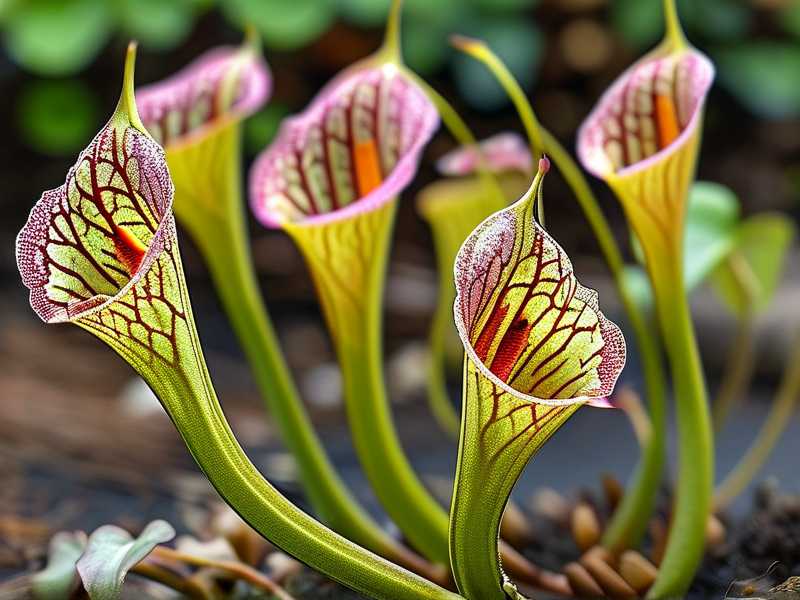
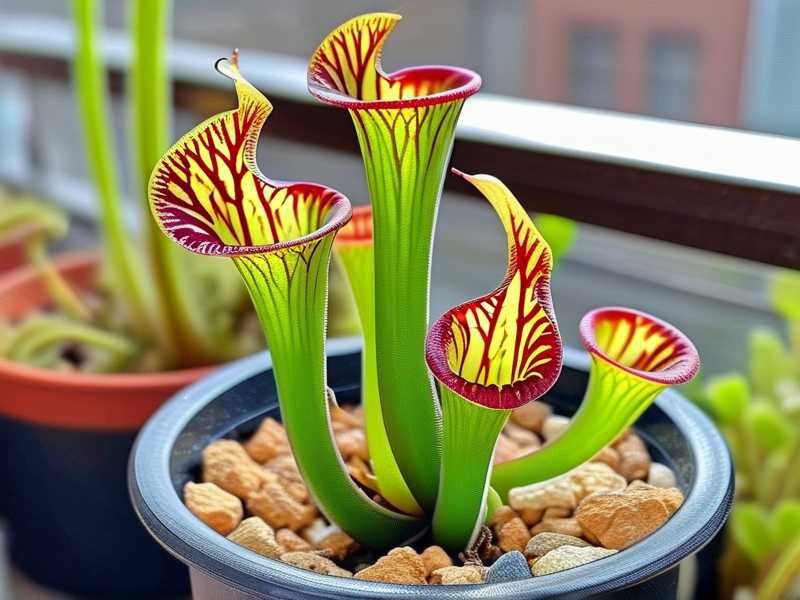
- My Top Picks: Sarracenia purpurea subsp. purpurea (the Northern Purple Pitcher Plant) and Sarracenia flava (the Yellow Pitcher Plant) are my gold-standard recommendations. The ICPS frequently cites these as among the most cold-hardy and adaptable.
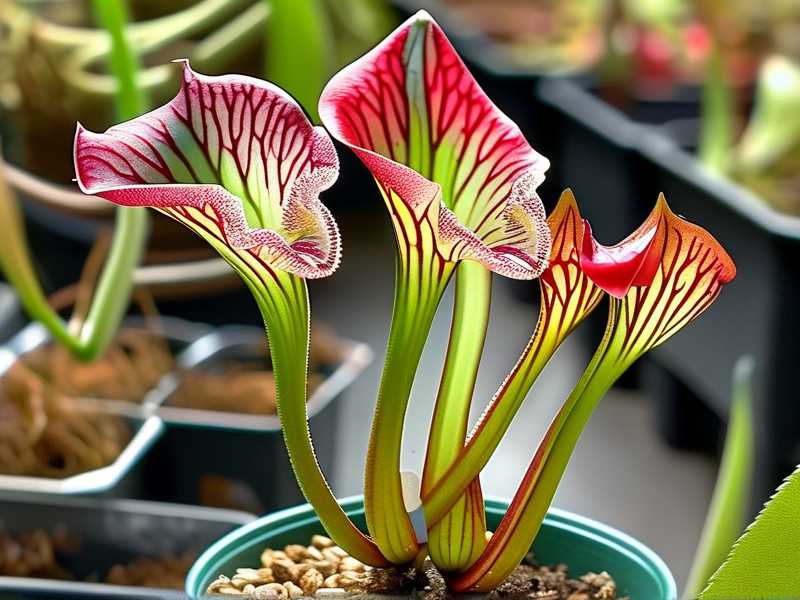
- My Experience: I started a S. purpurea in a simple plastic pot on a south-facing balcony. During my initial 2-week observation, I monitored its water tray daily. I made the classic mistake of letting it dry out once—the pitchers noticeably softened. I immediately re-saturated the soil, and within 48 hours, they regained turgor. This resilience is why I recommend it. S. flava, with its tall, trumpet-like pitchers, is equally tough and just as forgiving of minor watering slips.
2. Understand and Plan for Dormancy
This is the biggest conceptual hurdle. Sarracenia require a cold winter rest (dormancy) to survive long-term. Your local climate dictates your choice.
- For Cold-Winter Climates (Zones 6-7 and below): You need cold-hardy species. Sarracenia purpurea subsp. purpurea can survive freezing temperatures under snow. I keep mine outdoors all year; the pitchers die back, but the rhizome (underground stem) is protected.
- For Mild-Winter Climates (Zones 8-9): You have more options but need to ensure they get enough chill. Sarracenia leucophylla (the White-Topped Pitcher) can be a good choice here, though it appreciates more specific conditions.
- The Pitfall I Hit: I once tried to keep a S. flava in a warm, sunny windowsill over winter, denying it dormancy. It put up weak, stunted pitchers in spring and nearly died. The solution was simple but crucial: I now give all my plants an unheated, bright garage or outdoor cold frame for 3-4 months of winter. They come back stronger every spring.
3. Assess Your Light Situation Honestly
Sarracenia are full-sun, outdoor plants. “Bright indirect light” will not suffice.
- The Non-Negotiable Rule: A minimum of 6 hours of direct sunlight. More is better. I aim for 8+.
- My Test: I placed a new Sarracenia rubra (a slightly more delicate but beautiful species) in a spot receiving only 4 hours of direct sun. Over a 2-week observation period, the new pitchers grew noticeably paler and more elongated, reaching weakly for light—a clear sign of etiolation. I immediately moved it to a full-sun location. The next set of pitchers were shorter, sturdier, and developed rich coloration.
- Tip: If you only have a sunny patio, focus on varieties like S. purpurea or S. flava that are slightly more tolerant than, say, the stunning but light-hungry S. leucophylla.
4. Start Simple: Avoid Fussy Hybrids Initially
The hybrid market is vast and tempting. Hybrids like Sarracenia ‘Scarlet Belle’ are gorgeous, but some can be less vigorous or have unclear dormancy needs.
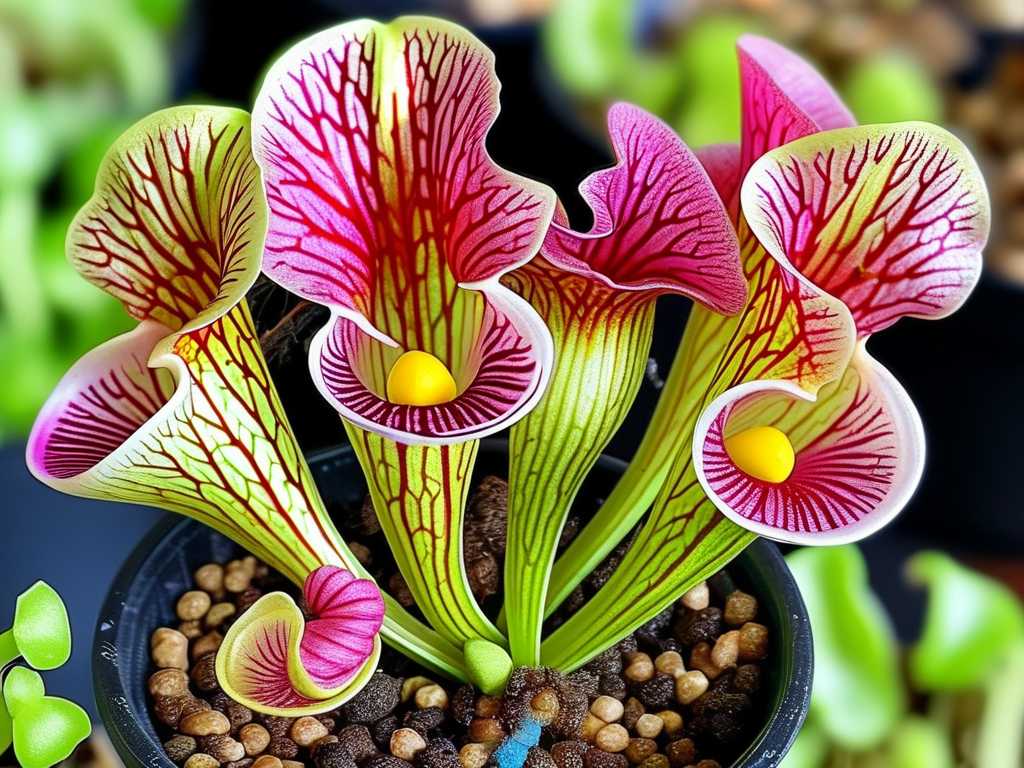
- Beginner-Friendly Hybrids: Once you have the basics down, look for hybrids involving the hardy species mentioned. A cross like S. flava × S. purpurea often combines hardiness with interesting form.
- Expert Insight: As noted by the Carnivorous Plant Society (CPS) of Great Britain, primary hybrids (first crosses between two pure species) are generally more predictable and robust for beginners than complex, multi-species hybrids.
5. Source Your Plants Responsibly
Never collect plants from the wild. It’s ecologically destructive and often illegal.
- Reputable Sources: Purchase from dedicated carnivorous plant nurseries. These plants are almost always propagated sustainably through division or tissue culture. I’ve had the healthiest starts from these specialists, as the plants are already acclimated to cultivation.
- What to Look For: Choose a plant with several healthy, upright pitchers and a visible growth point (the center of the rhizome). Avoid plants with only one pitcher or extensive brown, mushy damage.
6. The Right Pot and Soil From Day One
This is where I made my most catastrophic early error. Using standard potting soil is a death sentence.
- The Mix: A 50:50 mix of sphagnum peat moss and perlite or horticultural sand is perfect. Ensure all components are unfertilized and rinsed of minerals.
- The Pot: Use a deep plastic or glazed ceramic pot with drainage holes. Avoid terra cotta, as it leaches minerals. I use a simple white plastic pot that doesn’t overheat.
- My “Cure” Experiment: When a new plant arrived looking a bit peaky, I repotted it immediately into my standard mix. Over the next two weeks, I observed a halt in further decline and the emergence of a tiny, new growth point. The right medium provides aeration and a clean, acidic base.
7. Embrace the Learning Process
Your first plant is a teacher. Observe it daily. Track pitcher formation, color changes, and responses to your care.
- Watering: Use only distilled, reverse osmosis, or rainwater. Keep the pot sitting in 1-2 inches of water at all times during the growing season.
- Feeding: They catch their own food! Do not fertilize the soil. If growing indoors under lights (a challenge), you might gently drop a dead insect into a pitcher every few weeks.
Your First Sarracenia: A Simple Action Plan
- Decide: Choose Sarracenia purpurea subsp. purpurea or Sarracenia flava.
- Source: Order from a reputable carnivorous plant nursery.
- Pot: Prepare a deep pot with a 50/50 peat-perlite mix.
- Place: Find your sunniest outdoor spot.
- Water: Fill a saucer with rainwater/distilled water and never let it dry out.
- Observe: For the first two weeks, check water daily and note new growth.
- Rest: When growth slows in fall, reduce watering and provide a cold, bright winter spot.
How often do I need to water my Sarracenia? During the active growing season (spring-fall), keep the pot sitting in 1-2 inches of purified water at all times. They are bog plants and should never dry out. In winter dormancy, keep the soil just barely damp, not soggy.
Can I grow Sarracenia indoors on a windowsill? It is very difficult and often unsuccessful long-term due to insufficient light. They truly need direct, outdoor sun. A south-facing garden, balcony, or patio is ideal. Supplemental strong grow lights can work but require careful setup.
Do I need to feed my pitcher plant insects? No. If grown outdoors, they will catch plenty on their own. Fertilizing the soil or trying to force-feed them can harm the plant. Their primary needs are correct soil, abundant water, and maximum light.
Starting your Sarracenia journey with an easy-to-grow variety transforms a daunting challenge into a deeply rewarding hobby. By focusing on hardy species like purpurea or flava, respecting their need for dormancy and blazing sun, and avoiding the common pitfalls of improper soil and water, you set the stage for success. Watch them closely, learn from their responses, and soon you’ll be captivated not just by their insect-trapping prowess, but by their majestic, otherworldly beauty thriving under your care. The right start makes all the difference.