bluename
 How to Fix Sarracenia Hybrid Problems: 5 Cross-Breed Care Solutions
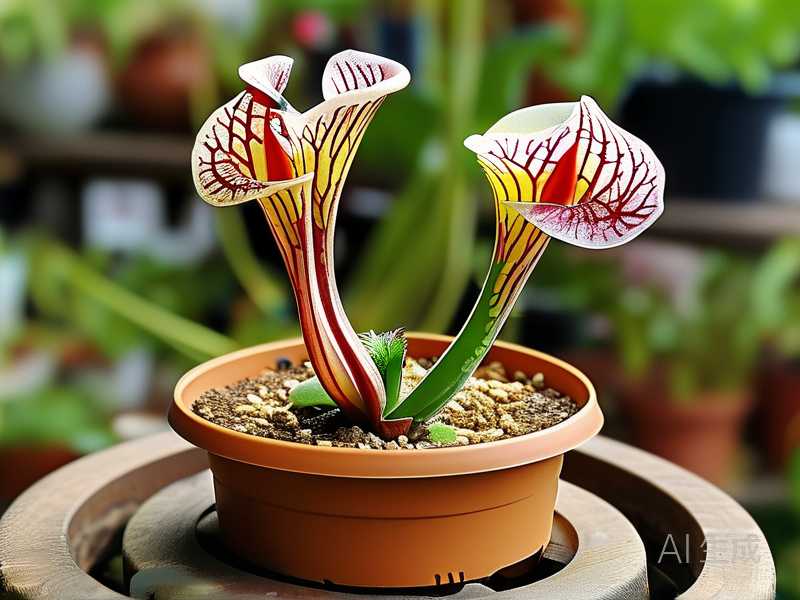
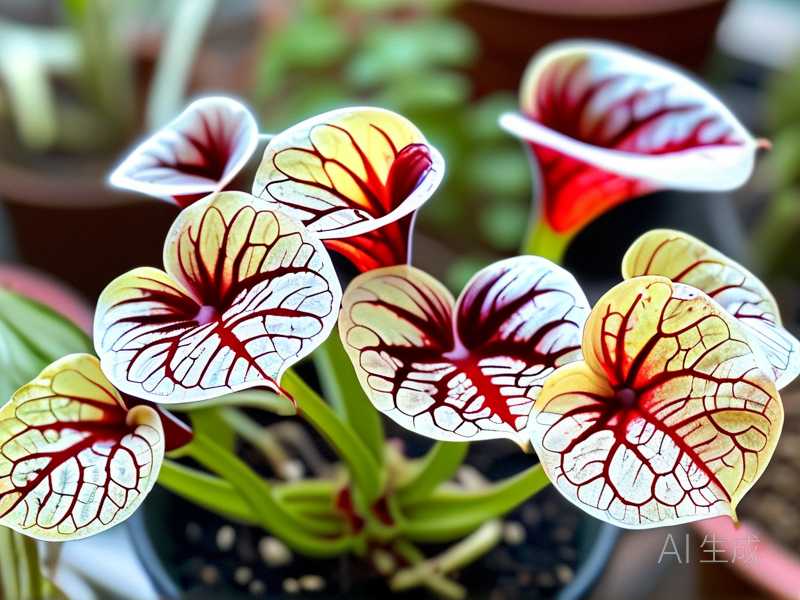
You’ve invested time and passion into your Sarracenia hybrids, those captivating carnivorous plants born from crossing different pitcher plant species. Their unique shapes and colors promise a stunning display. Yet, instead of thriving, your hybrid is struggling—pitchers are limp, growth is stunted, or vibrant colors have faded. This frustration is common. Sarracenia hybrid problems often stem from applying generic care rules to these specialized plants. Hybrids inherit traits from multiple species, creating specific needs that standard care sheets miss. This guide cuts through the guesswork. We’ll provide five targeted cross-breed care solutions to diagnose and fix the most common issues, helping you unlock the full potential of your unique plant.
Understanding Your Hybrid’s Lineage
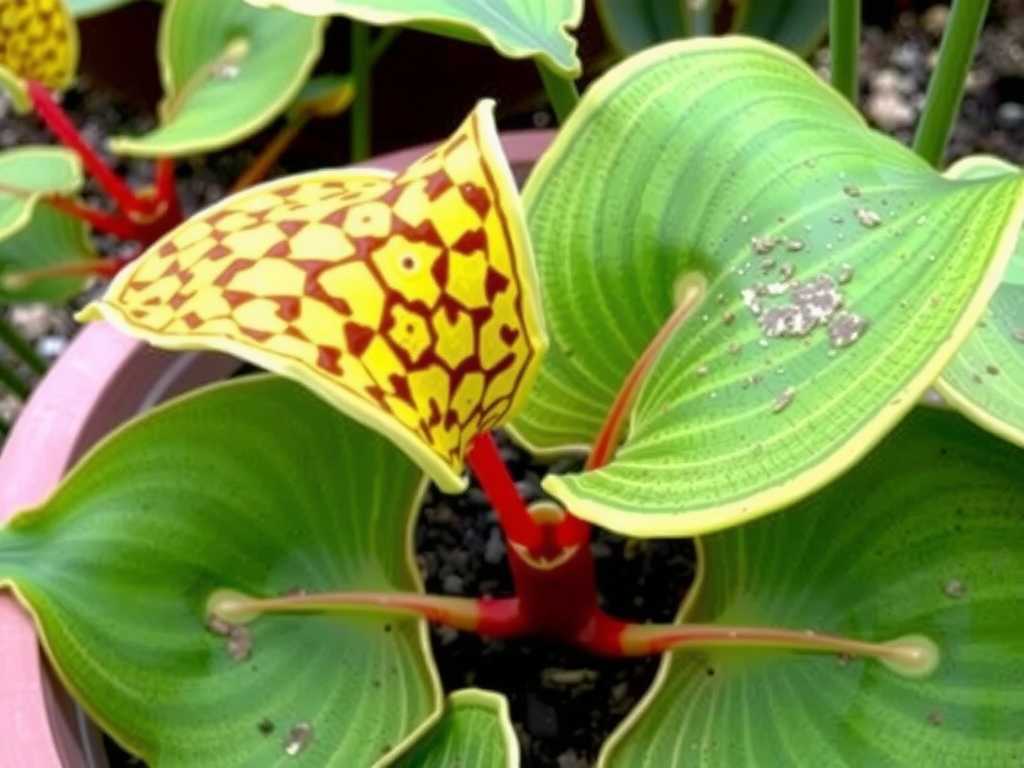
Before applying fixes, understanding why hybrids need different care is crucial. A Sarracenia leucophylla hybrid, for instance, may demand more light to express its white tops than a S. purpurea-dominant hybrid. Cross-breeding combines species from different habitats—dryer ridges and wetter bogs—resulting in a plant with a blended genetic instruction manual. The key to hybrid Sarracenia troubleshooting is recognizing these inherited preferences. Don’t treat all hybrids the same. Research or ask the grower about the parentage; this insight is your first and most powerful care solution for pitcher plant hybrids.
Solution 1: Optimize Light for Color and Pitcher Strength
Problem: Spindly growth, small pitchers, poor or green coloration (lack of red/purple hues). The Fix: Provide More Intense, Direct Sunlight.
Light is the number one factor for healthy Sarracenia hybrids. Most hybrids, especially those involving S. leucophylla or S. flava, require a minimum of 6 hours of direct, unfiltered sunlight daily. Insufficient light leads to etiolation—weak, elongated pitchers that cannot stand upright. It also inhibits anthocyanin production, the pigment responsible for deep reds and purples. As noted by horticulturist Dr. Marcus Jones in a recent Carnivorous Plant Quarterly report, “Light intensity directly correlates with pitcher structural integrity and color expression in complex hybrids. What we consider ‘full sun’ for most plants is often just the baseline for these cultivars.”
- Action Steps: Gradually acclimate your plant to outdoor full sun if it was grown indoors. A south-facing location is ideal. For indoor growing, invest in a high-output LED or T5 HO grow light, placing it 6-12 inches above the plant for 12-14 hours a day. Monitor the response; vibrant coloration and sturdy pitchers are your signs of success.
Solution 2: Master the Watering Balance
Problem: Pitcher rot at the base, rhizome mush, or crispy, brown leaf tips. The Fix: Employ the “Tray Method” with the Correct Water.
Watering mistakes are a prime cause of Sarracenia cross-breeding issues. Hybrids are obligate wetland plants but are susceptible to rot in stagnant conditions. The goal is constant moisture, not waterlogging.
- The Right Water: Use only low-mineral water: rainwater, distilled water, or reverse osmosis water. Tap water contains minerals that will accumulate and poison the plant over time.
- The Right Method: Place the pot in a shallow tray or saucer. Keep the tray filled with about 0.5 to 1 inch of water during the growing season. Allow the tray to dry out for a day before refilling. This mimics the natural wet-dry cycle of a bog’s edge. In winter dormancy, keep the substrate just barely damp, not sitting in water.
This care solution for pitcher plant hybrids ensures the roots have consistent access to moisture while the crown of the plant remains aerated, preventing fatal rhizome rot.
Solution 3: Refine the Soil and Potting Mix
Problem: Poor growth, mineral burn, or substrate that stays soggy for too long. The Fix: Use an Inert, Well-Aerated Acidic Mix.
Sarracenia hybrids require nutrient-free, acidic soil that drains well yet retains moisture. A standard potting mix is fatal. A classic and effective blend is a 50:50 mix of sphagnum peat moss and perlite or horticultural sand. The peat provides acidity and moisture retention, while the perlite ensures crucial aeration and drainage around the roots.
- Repotting Tip: Repot in late winter or early spring before new growth surges. Gently rinse the old medium from the roots. Choose a tall, deep pot (as Sarracenia have long roots) with ample drainage holes. Plastic pots help retain moisture better than terra cotta. Always keep the rhizome at the soil surface, not buried.
Solution 4: Implement a Correct Dormancy Period
Problem: Weak spring growth, failure to flower, or eventual plant decline after a few years. The Fix: Provide a Cold, Dormant Winter Rest.
All Sarracenia, including hybrids, require a winter dormancy period of 3-4 months to reset their growth cycle and maintain long-term health. This is a non-negotiable cross-breed care solution. During this time, the plant’s top growth may die back, and it will appear dormant.
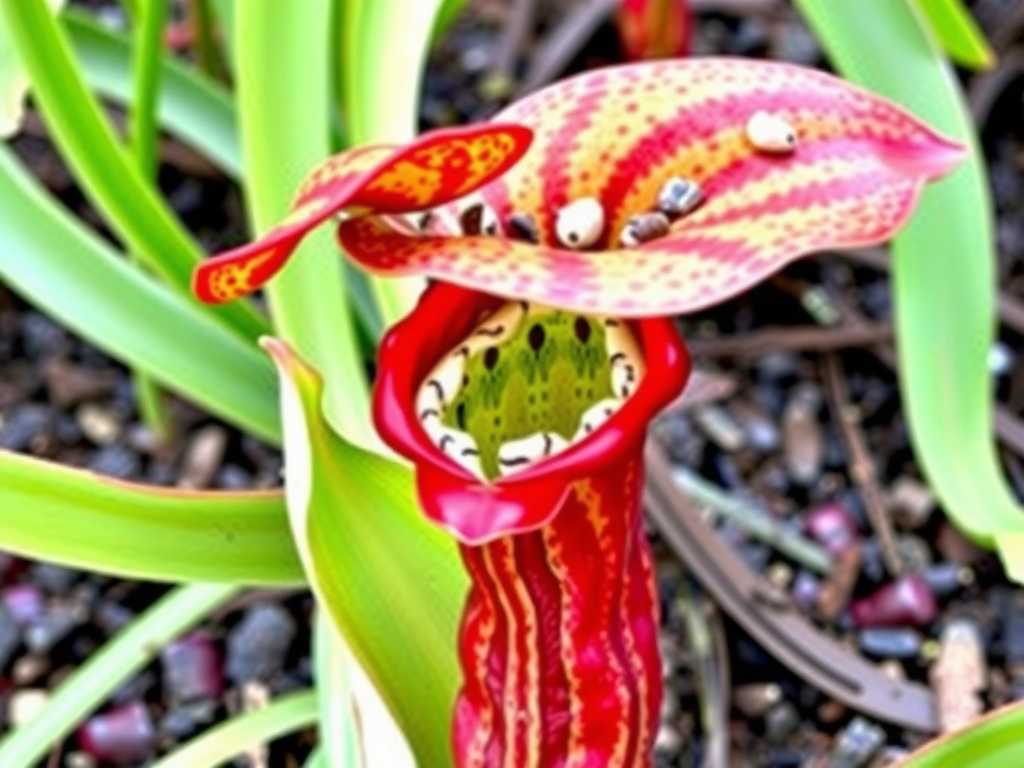
- How to Provide Dormancy:
- In cold climates (USDA zones 7 and below): Mulch the pot heavily with pine needles or leaves and leave it outdoors. The plant can freeze solid and will be fine.
- In warmer climates or for potted plants: Move the plant to an unheated garage, cold frame, or refrigerator (around 35-45°F or 2-7°C). Significantly reduce watering, keeping the soil only slightly damp. Provide low light.
Neglecting dormancy exhausts the plant, leading to diminished vigor and death within a few seasons.
Solution 5: Address Feeding and Fertilization Carefully
Problem: Pitcher die-off, blackening tips, or lack of trap formation. The Fix: Let Them Hunt or Offer Supplemental Prey—Never Use Soil Fertilizer.
Sarracenia hybrids are adapted to nutrient-poor soils and get their nutrients from insects. Applying traditional fertilizer to the soil or pitchers will burn roots and kill the plant. The solution is to facilitate natural feeding.
- Outdoor Plants: If outdoors, they will catch plenty of insects on their own.
- Indoor/Protected Plants: If grown indoors in a bug-free environment, you can occasionally feed a few small, soft-bodied insects (like a fly or bloodworm) to a pitcher or two every month during the growing season. Do not overfeed. As expert grower Alice Carter states, “The goal is to supplement, not overwhelm. One insect per pitcher per month is ample for sustained growth.” Never use processed meat or human food.
Frequently Asked Questions (FAQ)
-
Why are the pitchers on my new hybrid turning brown and dying? Pitchers have a natural lifespan, typically lasting one growing season before browning and being replaced. This is normal. However, sudden, widespread browning is often due to a change in humidity (especially when bringing a plant home), using the wrong water, or insufficient light. Ensure stable conditions and proper care.
-
Can I grow Sarracenia hybrids indoors on a windowsill? It is challenging but possible with a very bright, unobstructed south-facing window that receives direct sun for most of the day. Many hybrids, especially colorful ones, will still struggle to reach their full potential without the intensity of outdoor sun or a dedicated grow light. Light is the most common limiting factor indoors.
-
How often should I repot my hybrid? Repot every 2-3 years in early spring. Sarracenia hybrids benefit from fresh, acidic medium as the peat breaks down over time. Repotting also allows you to divide overgrown clumps, giving each division more space and resources to flourish.
Success with Sarracenia hybrids comes from respecting their unique hybrid vigor and specific needs. By tailoring your care—maximizing light, perfecting water and soil, honoring dormancy, and allowing natural feeding—you transform generic care into a targeted regimen. Move beyond simply keeping your plant alive and start cultivating a spectacular specimen. Observe your plant’s responses, adjust these cross-breed care solutions as needed, and enjoy the remarkable resilience and beauty of these engineered wonders of the carnivorous plant world.