bluename
 How to Fix Sarracenia Indoor Problems: 6 Indoor Growing Tips
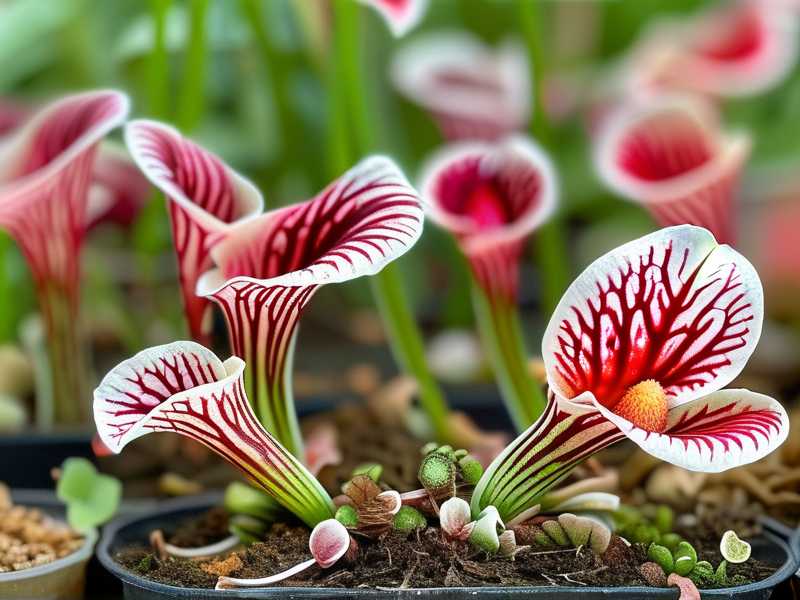
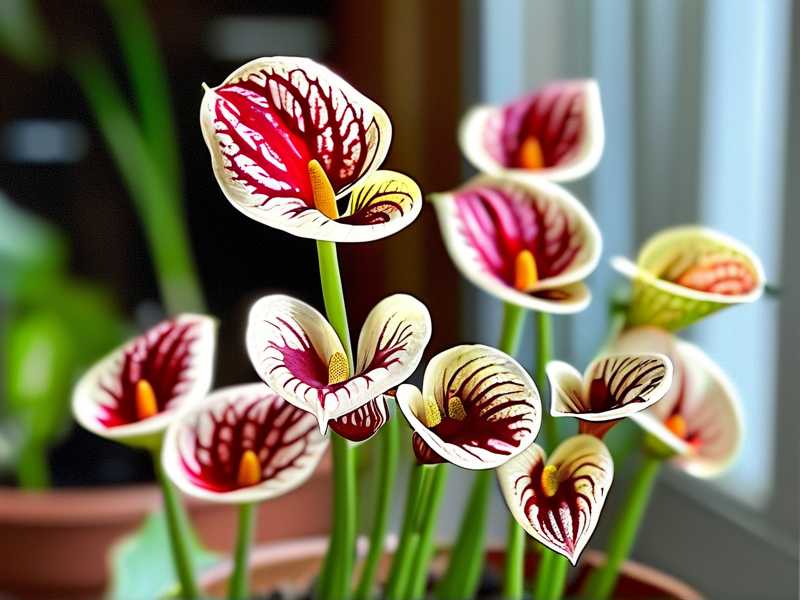
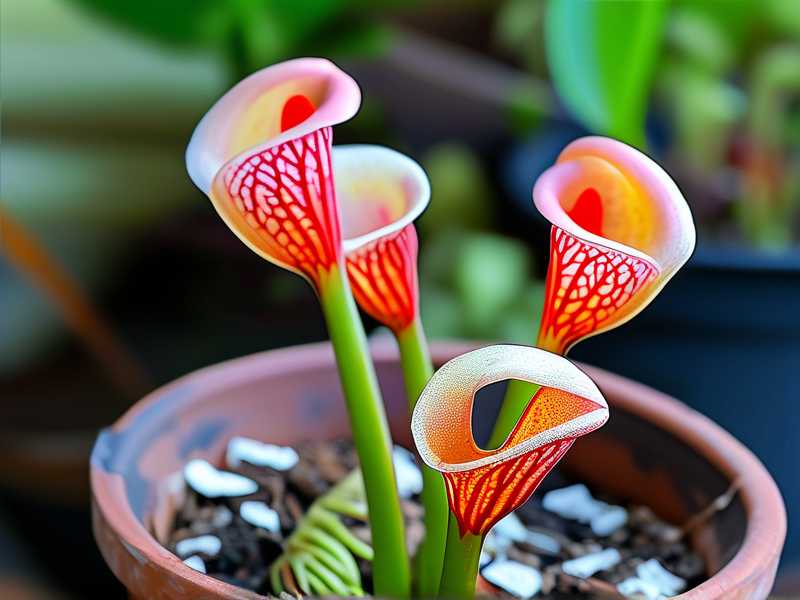
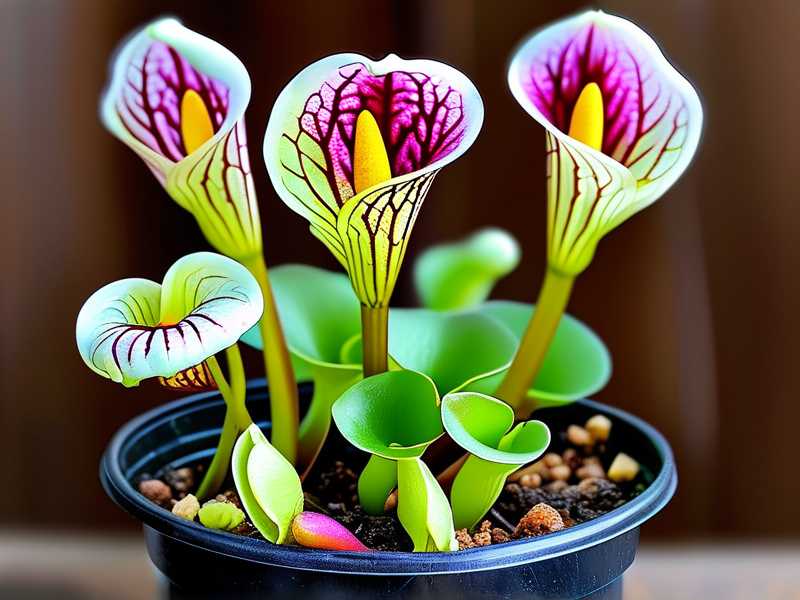
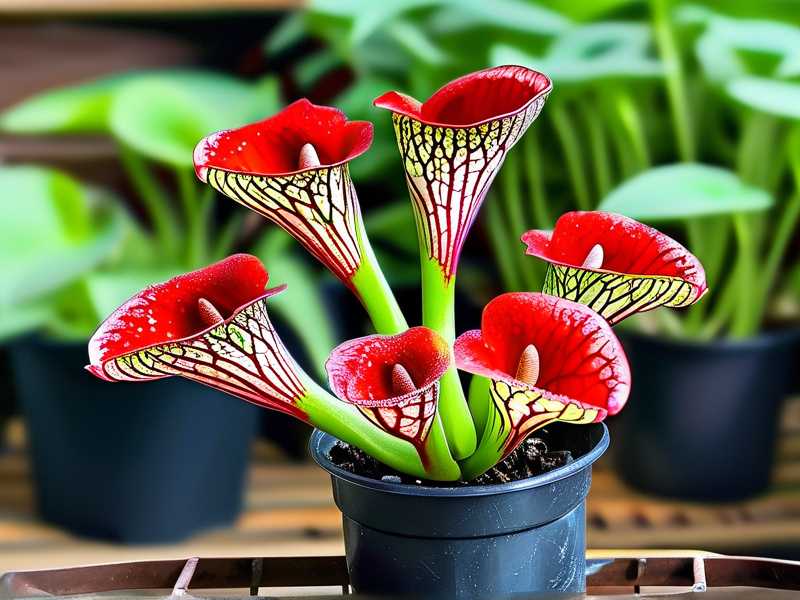
You fell in love with the otherworldly beauty of the Sarracenia pitcher plant, its elegant traps promising a low-maintenance, bug-eating companion for your home. But now, your indoor pitcher plant looks sad. The pitchers are turning brown, new growth is weak or non-existent, and that vibrant green hue has faded. You're not alone. Growing Sarracenia indoors presents unique challenges that differ vastly from their natural bog habitats. The most common indoor Sarracenia problems—poor coloration, lack of pitcher development, mold, and general decline—almost always stem from a mismatch in their core care requirements. This guide is dedicated to helping you diagnose and, more importantly, fix these issues. By mastering six fundamental indoor growing tips, you can transform your struggling Sarracenia into a thriving, colorful centerpiece.
Understanding the Pitfall: Why Indoor Growing Is Tricky
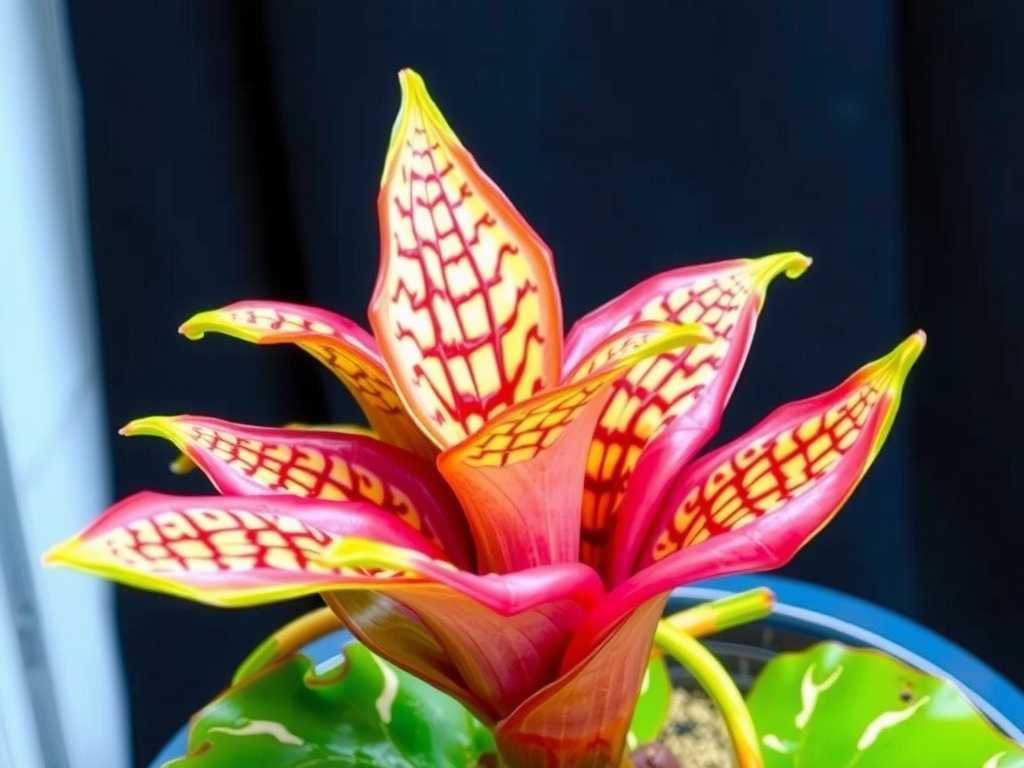
Sarracenia are perennial bog plants native to the southeastern United States. They thrive in full, blazing sun, with their roots sitting in cool, mineral-free water, and experience a distinct winter dormancy. The typical indoor environment—low light, dry air, tap water, and stable temperatures—creates a perfect storm of problems. Recognizing this mismatch is the first step toward providing successful Sarracenia care indoors.
Tip 1: Maximize Light Exposure – It’s Non-Negotiable
Insufficient light is the #1 cause of indoor Sarracenia problems like pale color, elongated, weak pitchers (etiolation), and failure to produce new traps. These are full-sun plants, requiring a level of intensity that surpasses most houseplants.
- The Gold Standard: A south-facing window is the absolute minimum. Your plant should receive at least 6-8 hours of direct sunlight daily. East or west windows may sustain the plant but often result in less vibrant coloration and slower growth.
- The Essential Fix – Grow Lights: For most indoor growers, supplementing with or relying entirely on a strong grow light is the key to success. Standard household LEDs won’t suffice. Look for full-spectrum LED panels or T5 HO fluorescent fixtures designed for plant growth. Position the light 6-12 inches above the plant and run it for 12-14 hours a day. You’ll know the light is sufficient when your Sarracenia develops deep, rich colors (reds, purples, veins) and produces sturdy, upright pitchers.
Tip 2: Master the Watering Method and Quality
Watering mistakes are a close second for causing Sarracenia indoor growing issues. Both quantity and quality are critical.
- The “Tray Method” is Best: Never let your Sarracenia’s pot dry out. Place the pot in a deep saucer or tray and always keep 0.5 to 1 inch of water in it. This mimics the constantly damp conditions of a bog. During active growth in summer, you may need to refill the tray frequently.
- Water Quality is Paramount: Tap water is usually fatal over time due to dissolved minerals (Total Dissolved Solids - TDS) that accumulate in the soil and burn the roots. You must use water with very low mineral content.
- Best Options: Distilled water, reverse osmosis (RO) water, or collected rainwater.
- Never Use: Tap water, spring water, or mineral water.
Tip 3: Provide the Right Soil and Pot
Sarracenia require nutrient-free, acidic, and well-aerated soil. Standard potting mix will kill them.
- The Perfect Soil Mix: Use a pre-mixed carnivorous plant soil or create your own with a 1:1 ratio of sphagnum peat moss and perlite. Avoid any product with added fertilizers or lime. Rinse the perlite with distilled water first to remove dust.
- Pot Choice: Plastic or glazed ceramic pots are ideal. Avoid unglazed terracotta, as it leaches minerals into the soil. Ensure the pot has adequate drainage holes. Repot every 1-2 years in early spring to refresh the medium.
Tip 4: Embrace Essential Winter Dormancy
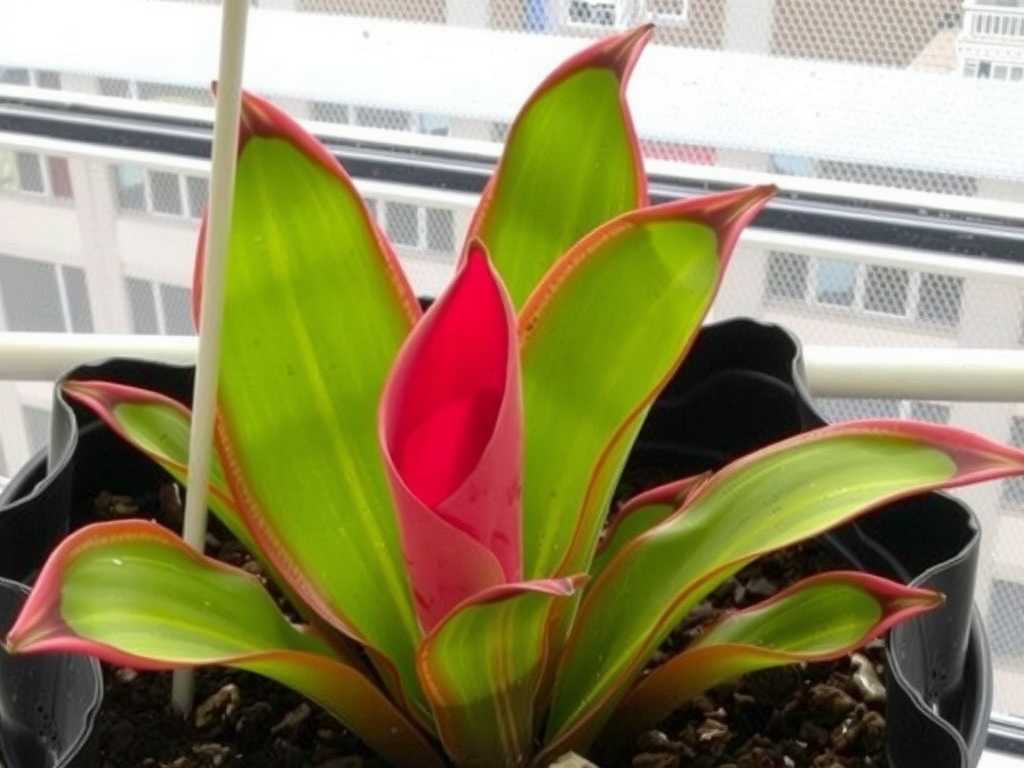
A common Sarracenia growing mistake is trying to keep the plant actively growing year-round. Sarracenia require a 3-4 month winter dormancy period to rest and prepare for robust spring growth. Skipping this leads to exhaustion and eventual death.
- How to Induce Dormancy: As daylight shortens in late autumn, the plant will naturally slow down. Move it to a much cooler location (between 32°F and 50°F / 0°C and 10°C). An unheated garage, basement, or cold frame works well.
- Dormancy Care: Light requirements drop significantly (a dim windowsill is fine), but the soil should remain just damp, not soggy. The plant may lose some pitchers and look dead—this is normal. In late winter or early spring, as temperatures and light increase, return it to its prime growing spot.
Tip 5: Manage Humidity and Airflow
While Sarracenia enjoy some humidity, stagnant, overly humid air indoors invites fungal problems like mold and mildew.
- Balance is Key: If you use a humidity tray (placing the water tray on a bed of pebbles), it’s usually sufficient. Misting is not recommended, as it doesn’t significantly raise humidity and can promote leaf spot diseases.
- Prioritize Airflow: Ensure the growing area has gentle air circulation. A small, oscillating fan set on low in the room (not blowing directly on the plant) can dramatically reduce fungal risks and strengthen the plant’s structure.
Tip 6: Feed with Care – No Fertilizer!
This is a crucial tip for healthy Sarracenia pitchers. These plants are adapted to nutrient-poor soils and get their nutrients from captured insects.
- The Rule: Do not apply fertilizer to the soil or pitchers. It will burn the roots and likely kill the plant.
- Natural Feeding: If your plant is in a sunny location, it will catch small insects like gnats and flies on its own. If kept in a sealed terrarium or very sterile environment, you can occasionally place a small, dead insect (e.g., a dried fly) into an existing pitcher every few weeks during the growing season. Do not overdo this; one insect per pitcher per month is plenty.
Troubleshooting Common Pitfalls
- Brown or Black Pitchers: This is a natural part of aging. If a single pitcher turns brown, trim it off at the base. If many are browning quickly, check for lack of light, use of tap water, or extreme dryness.
- No New Pitchers: Usually caused by insufficient light or an interrupted dormancy cycle. Review light sources and ensure the plant got its winter rest.
- Mold on Soil: Caused by stagnant air and constant moisture. Increase airflow, scrape off the mold, and consider a top dressing of rinsed, long-fiber sphagnum moss.
- Pests: Aphids or scale can occasionally appear. Physically remove them or use a diluted insecticidal soap spray (applied carefully, preferably with the plant removed from direct sun).
Frequently Asked Questions
Can I keep my Sarracenia in a terrarium? It is possible but challenging. Terrariums often trap too much heat and humidity, lack sufficient light intensity, and make providing a cool dormancy period difficult. An open tray or pot system is far more reliable for long-term Sarracenia care indoors.
My Sarracenia only produces flat, non-carnivorous leaves (phyllodia). What does this mean? This is a classic stress signal, most often due to inadequate light. The plant is conserving energy by producing simple leaves instead of complex pitchers. Increase light intensity immediately, and it should return to forming proper traps in the next growth cycle.
Is it normal for pitchers to die back in winter? Yes, absolutely. During dormancy, the plant will shed many or all of its pitchers. This is a healthy and necessary process. Focus on keeping the rhizome (the thick, white root structure) alive and just slightly moist until spring.
Successfully growing Sarracenia indoors is a deeply rewarding endeavor that demystifies these fascinating carnivores. It hinges on respecting their evolutionary needs: intense light, pure water, nutrient-free soil, and a winter rest. By systematically addressing these six areas—prioritizing light, perfecting your water, using the right medium, honoring dormancy, ensuring airflow, and resisting fertilizer—you transform potential problems into a clear roadmap for success. Your thriving pitcher plant, with its architecturally stunning and vividly colored traps, will be a testament to mastering the unique art of cultivating a piece of the bog inside your home.