bluename
 How to Fix Sarracenia Humidity Issues: 4 Moisture Control Solutions
You’ve carefully chosen the perfect sunny spot, you’re using pure water, and you’re committed to the dormancy cycle. Yet, your pitcher plant’s pitchers are drying up, new growth is stunted, or worse—you’re seeing signs of mold or rot. The culprit is often one of the trickiest environmental factors to master: humidity. Getting the moisture in the air just right for your Sarracenia is crucial. Too low, and they struggle to develop their iconic traps; too high, and you invite a host of fungal problems. This guide cuts through the confusion, offering four practical, actionable solutions to fix your Sarracenia humidity issues for good.
Understanding Sarracenia’s Natural Humidity Needs
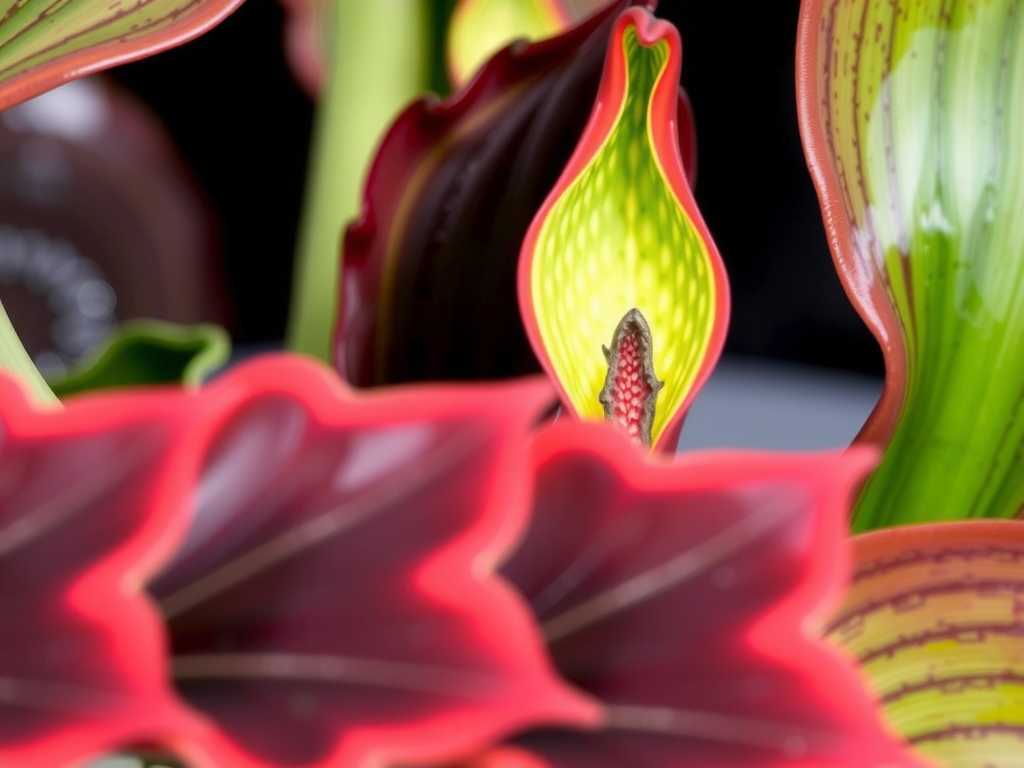
Before we dive into fixes, let’s establish a baseline. Sarracenia are native to the sunny, open bogs and wetlands of North America. While their roots are perpetually moist (not waterlogged), the air around them is often moving and not consistently saturated. They thrive in moderate to high humidity, generally between 50% and 70%, but with excellent air circulation. This balance is key. It’s not about creating a stagnant, tropical terrarium environment. The goal is to replicate that fresh, moist breeze of their natural habitat, preventing the air from becoming too dry, especially indoors or in arid climates.
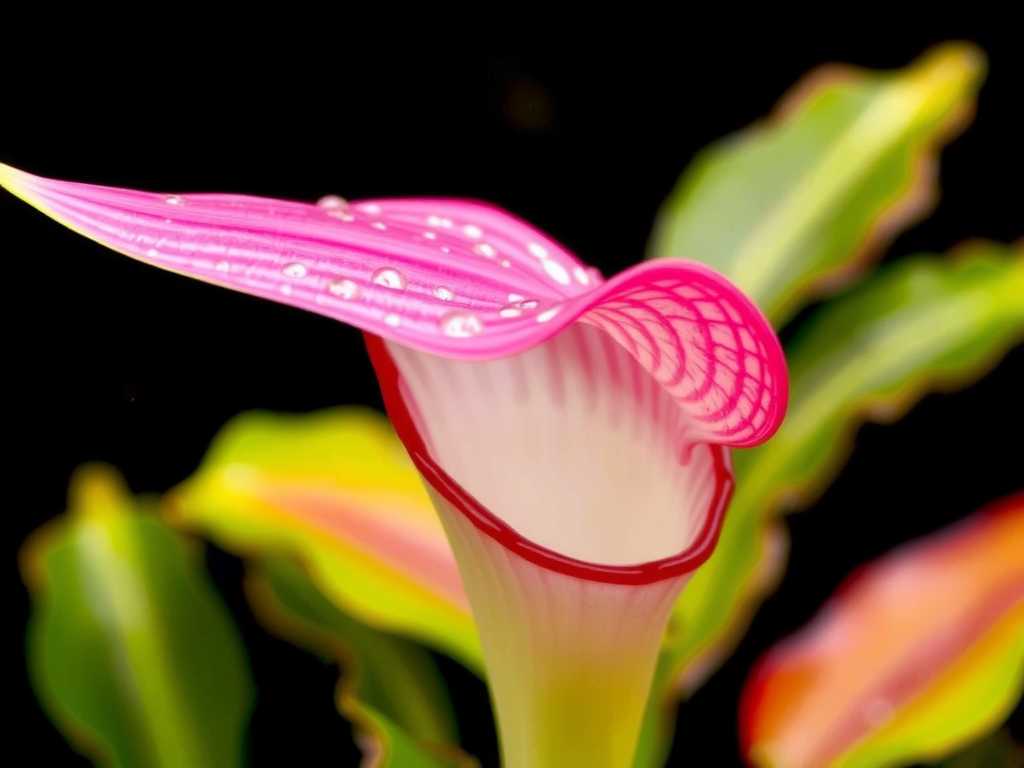
The core challenge for growers is maintaining this equilibrium. In winter, indoor heating can plunge humidity levels below 30%, desiccating pitchers. In summer, a sealed greenhouse might spike humidity above 80%, halting growth and promoting disease. Recognizing the signs of imbalance is your first step. Crispy, brown pitcher tips and slow, shriveled new growth typically signal low humidity. Conversely, a fuzzy gray mold (Botrytis) on soil or plant material, or soft, mushy growth at the crown, screams excessive moisture and poor air flow.
Solution 1: Strategic Grouping and Water Trays (The Pebble Tray Method)
This is the most accessible and low-tech solution for combating dry air, particularly effective for indoor collections. The principle is simple: you create a localized zone of higher humidity around your plants through evaporation.
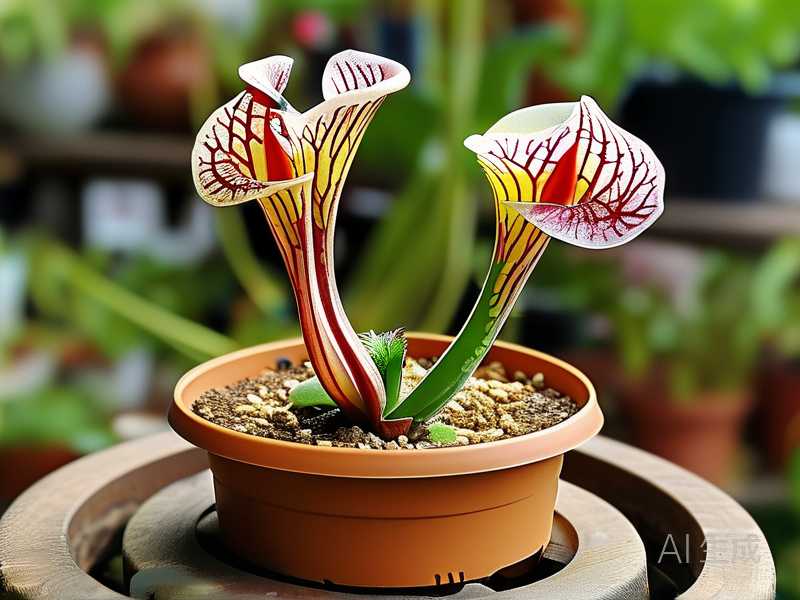
Start with a wide, shallow tray or saucer that extends beyond the diameter of your plant’s pot. Fill it with a layer of clean pebbles, gravel, or hydroton (expanded clay pellets). Then, add water to the tray until the level is just below the top of the pebbles. Place your Sarracenia pot on top of the pebbles, ensuring the pot’s drainage holes are not sitting directly in the water. This prevents root rot while allowing constant evaporation to waft moisture upward around the foliage.
Grouping several plants together on a large tray amplifies this effect through collective transpiration. As each plant releases water vapor from its leaves, it slightly raises the humidity for its neighbors, creating a beneficial microclimate. According to horticulturist Dr. Marcus Jones, author of "Carnivorous Plant Ecosystems," "Cluster cultivation is a passive yet profoundly effective strategy. It mimics the communal nature of a bog, where plants collectively moderate their immediate atmosphere." Remember to top up the water in the tray regularly and clean it monthly to prevent mosquito breeding or mineral buildup.
Solution 2: Mastering Artificial Humidification
When pebble trays aren’t enough, especially in centrally heated or air-conditioned homes, a humidifier offers precise control. This is a powerful tool, but it must be used correctly to avoid creating conditions for fungal outbreaks.
Choose a cool-mist humidifier over a warm-mist model, as it’s safer around plants and children. Position the humidifier in the same room as your plants, but not pointed directly at them. A constant, direct blast of moisture can waterlog pitchers and soil surfaces. Aim for a gentle, room-wide dispersion. Use a digital hygrometer—a small, inexpensive device that measures humidity—to monitor levels. Your target is that 50-70% range. Run the humidifier intermittently to maintain this, rather than constantly, to encourage natural air mixing.
Crucially, humidification must be paired with Solution 4: air circulation. Never use a humidifier in a closed, stagnant space. Pair it with a gentle oscillating fan set on low to keep the air moving. This prevents water droplets from settling on leaves for too long, which is a primary cause of fungal infections. Always use distilled or reverse osmosis water in your humidifier to avoid coating your plants and room in a fine white dust of minerals.
Solution 3: Optimizing the Growing Environment
Sometimes, the best fix is a more permanent change to your plant’s home. This involves selecting or modifying a location that naturally maintains better humidity.
For indoor growers, consider a dedicated plant cabinet, a large terrarium (with ventilation!), or a sunroom. These enclosed or semi-enclosed spaces are easier to manage than an entire living room. A bright bathroom with a south or west-facing window can be an ideal spot, as showers provide regular bursts of humidity. For greenhouse growers, proper ventilation is non-negotiable. Automatic vent openers and exhaust fans are essential investments to prevent humidity from soaring on sunny days.
Outdoor cultivation, where climate permits, often solves humidity issues naturally. An outdoor Sarracenia, acclimated to your local conditions, benefits from the vast, self-regulating atmosphere. If you live in a dry region, you can create an outdoor bog garden in a sunken container or lined pit. The large surface area of water and soil in a bog garden creates stable, localized humidity as wind passes over it. Ensure the planting site receives a minimum of six hours of direct sunlight for robust health.
Solution 4: Ensuring Adequate Air Circulation
This is the unsung hero of moisture control and arguably the most critical partner to any humidifying technique. Stagnant, humid air is a death sentence for Sarracenia, leading to rot and disease. Your goal is to simulate the gentle, constant breezes of an open bog.
Indoors, a small oscillating fan placed several feet away from your plants, set on its lowest setting, works wonders. It should create a gentle movement of leaves, not a constant bending. Run this fan for several hours a day, or even continuously if noise isn’t an issue. It strengthens plant stems, discourages pests like spider mites that thrive in still air, and rapidly evaporates any excess moisture on foliage.
In a greenhouse, circulation is paramount. Use horizontal airflow (HAF) fans placed at plant level to create a continuous, circular motion of air, preventing dead spots. As noted in the "American Carnivorous Plant Society Greenhouse Guidelines," "Constant air movement is more important than absolute humidity percentage. It prevents microclimates of stagnation where pathogens establish." Always ensure intake vents are open to allow fresh air to enter and mix with the humid interior air, completing the vital cycle of refreshment.
What is the ideal humidity level for Sarracenia pitcher plants? Most Sarracenia species thrive in moderate humidity levels between 50% and 70%. The critical factor is pairing this with strong, consistent air circulation to mimic their natural breezy bog habitat and prevent fungal growth.
Can I mist my Sarracenia to increase humidity? Misting is generally not recommended as a primary solution. It only raises humidity for a few minutes and can leave water droplets sitting in the pitchers or on the crown, which may promote rot. Focusing on ambient humidity through trays, grouping, or humidifiers is a more effective and safer long-term strategy.
My Sarracenia is in a terrarium and looks moldy. What should I do? Mold indicates excessive humidity and stagnant air. Immediately remove any affected plant material with sterile tools. Increase ventilation dramatically—open the lid, add a small computer fan, or consider moving the plant to a more open setup. Terrariums are challenging for mature Sarracenia due to their high light needs and sensitivity to still, wet air.
Successfully growing vibrant Sarracenia is about mastering balance. By diagnosing your specific humidity issue—whether too dry or too damp—and implementing one or more of these targeted solutions, you create an environment where your plants can focus their energy on producing spectacular, insect-catching pitchers. Remember, the synergy between moisture and air movement is non-negotiable. Start with a simple pebble tray and a fan, monitor your plants' response, and adjust your approach. With these moisture control strategies, you’ll move from battling environmental stress to simply enjoying the fascinating growth of a truly healthy carnivorous plant.