bluename
How to Grow Sarracenia Purpurea: 5 Purple Pitcher Care Tips
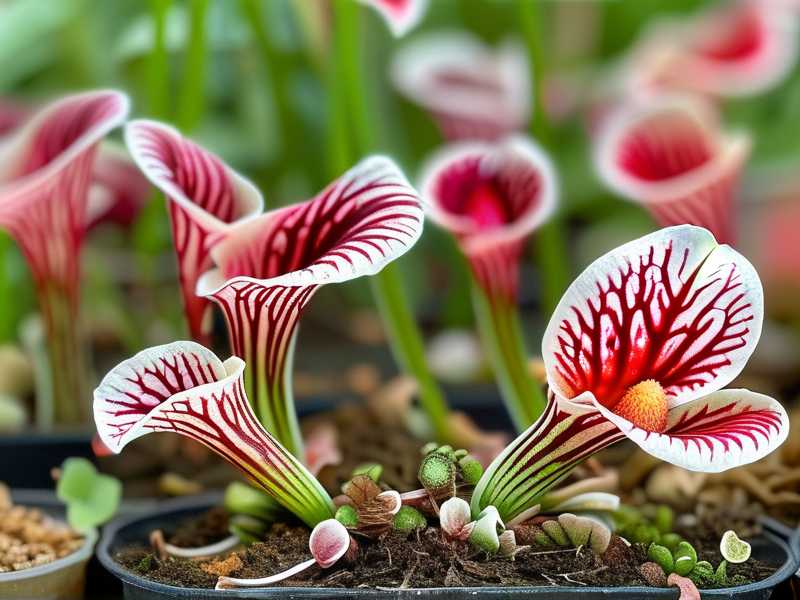
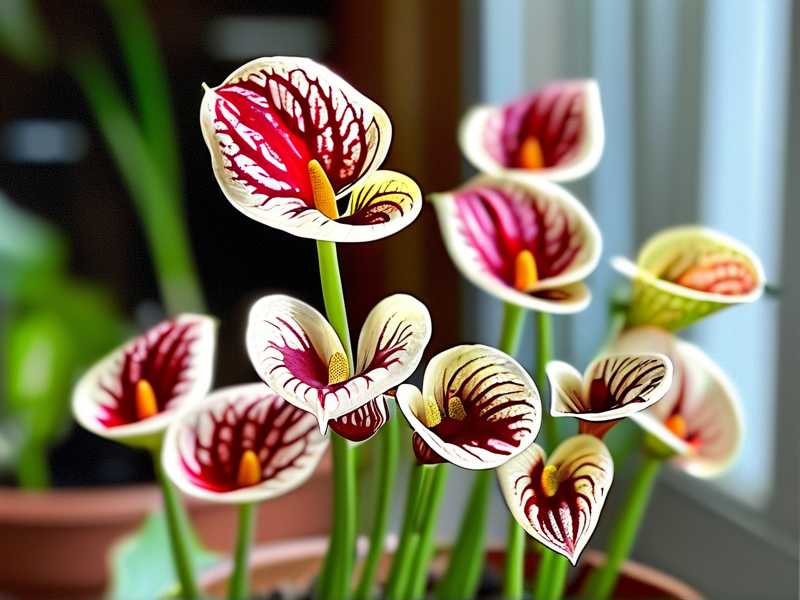
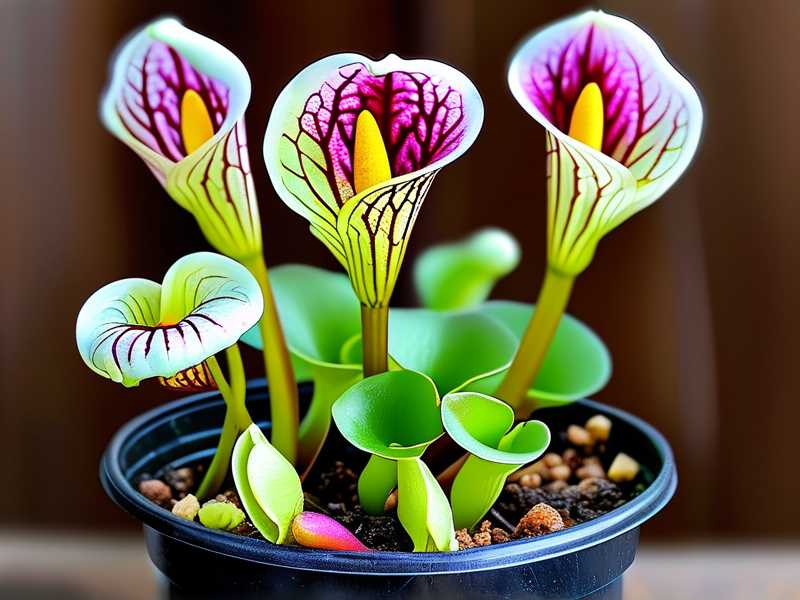
You’ve brought home that stunning Sarracenia purpurea, the purple pitcher plant, with its captivating, wine-colored traps and promise of low-maintenance carnivorous charm. You placed it on a sunny sill, watered it with care, and waited. But instead of thriving, you watched in dismay as its vibrant pitchers softened, turned brown, and its growth stalled. I’ve been there. That exact frustration—seeing a unique plant struggle despite my best, albeit misguided, efforts—is what led me on a two-year journey to truly understand these bog-born wonders. Through trial, error, and meticulous observation, I’ve distilled everything I learned into five fundamental care tips. This isn’t just theory; it’s a practical guide forged from my own successes and, more importantly, from the pitfalls I had to climb out of.
Let’s get your purple pitcher plant not just surviving, but flourishing.
1. Water Is Everything: It’s Not Just About Quantity, But Quality
This is the single most critical factor and the most common point of failure. Sarracenia purpurea is an obligate wetland plant. In the wild, its roots are perpetually cool and moist in nutrient-poor, acidic peat bogs. Replicating this moisture environment is non-negotiable, but how you achieve it makes all the difference.
My Process and the Two-Week Observation: I took two identical, newly acquired Sarracenia purpurea plants. For Plant A, I used the “tray method,” placing its pot in a permanent saucer that I kept filled with about 1 inch of water. For Plant B, I watered it from the top every other day, allowing the pot to drain freely, mimicking my typical houseplant routine.
- Week 1: Both plants looked fine. Plant B’s soil surface dried noticeably between waterings.
- Week 2: Subtle differences emerged. Plant A (tray method) showed a noticeably plumper, firmer newest pitcher. The existing pitchers remained turgid. Plant B, however, had a slight dullness to its color, and the tip of its newest, still-forming pitcher showed the faintest hint of browning and halt in development.
The Pitfall I Hit: Before this test, I used standard tap water. Within a month, I noticed a white, crusty mineral buildup on the soil surface and the plant’s vigor declined. Tap water contains dissolved salts and minerals (like chlorine, fluoride, and calcium) that are toxic to Sarracenia, burning their sensitive roots and altering soil pH.
The Solution:
- Water Type: Use only rainwater, distilled water, or reverse osmosis water. I now collect rainwater in a barrel—it’s free and perfect. In winter, I buy distilled water by the gallon.
- Watering Method: Always use the tray method. Keep the pot sitting in ½ to 1 inch of water at all times. Never let the tray dry out completely. This creates the constant “wet feet” environment their roots crave. As the International Carnivorous Plant Society (ICPS) states, “The single most important rule is: keep your carnivorous plant wet.” This simple technique is the cornerstone of health.
2. Sunlight: The Fuel for Form and Color
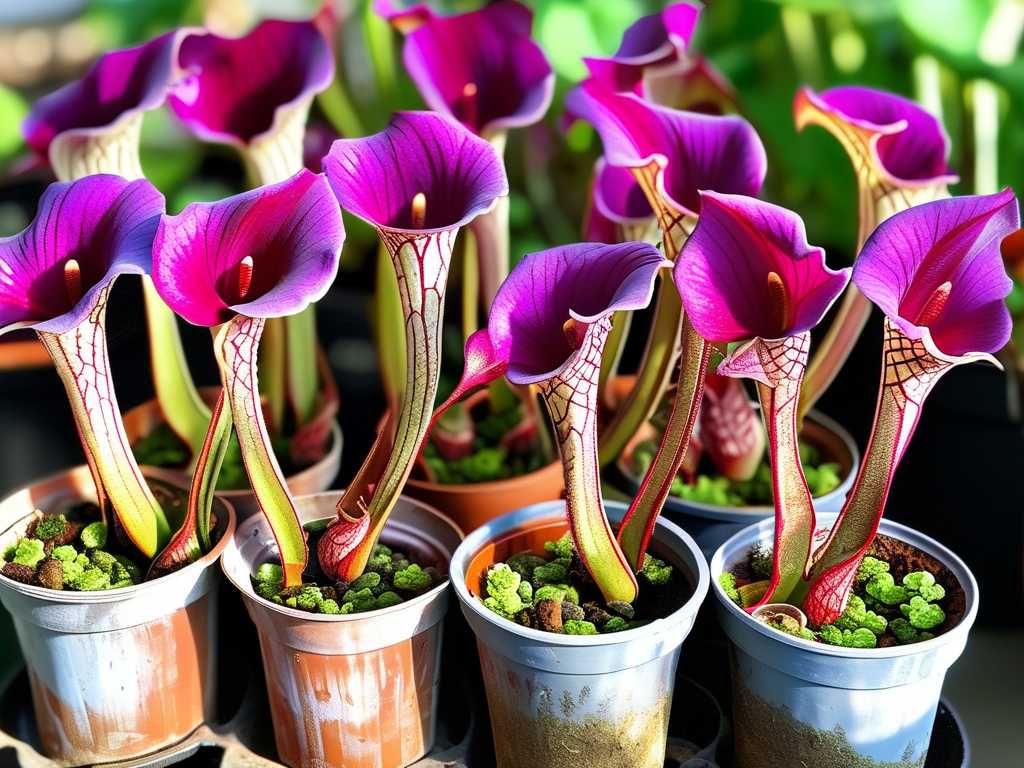
Sarracenia purpurea is a full-sun plant. While it may tolerate lower light, it will never truly thrive. Sunlight is directly linked to pitcher formation, robustness, and the intensity of that gorgeous purple pigmentation.
My Process and the Two-Week Observation: I placed one plant (Plant C) in a south-facing window that received 6+ hours of direct sun. Another (Plant D) went to a bright east-facing window with only 2-3 hours of direct morning light.
- Week 1: Plant C’s pitchers began developing a deeper, richer purple hue, especially on the lids and veins. Plant D remained green with only faint purple veining.
- Week 2: Plant C produced a new pitcher that was shorter but incredibly stout and vividly colored. Plant D also produced a new pitcher, but it was noticeably taller, thinner, and more limp—a classic sign of etiolation, or stretching for light. It remained predominantly green.
The Pitfall I Hit: I once feared the direct summer sun would “burn” my plant. I moved it to a spot with bright, indirect light. The result was weak, floppy, all-green pitchers that lacked character. I was starving it of energy.
The Solution: Provide a minimum of 6 hours of direct sunlight daily. An unobstructed south, east, or west exposure is ideal. Outdoors is even better during the growing season. The more sun you give it, the sturdier, more colorful, and more numerous its pitchers will be. Don’t be afraid of strong sun; these are plants of open bogs.
3. The Right Soil Mix: Ditch the Potting Soil Forever
Never, ever use standard potting soil, compost, or fertilizer. These are rich in nutrients that will poison your Sarracenia. Their roots are adapted to absorb nutrients from prey, not from the soil. The medium must be acidic, nutrient-free, and moisture-retentive yet airy.
My Standard Mix (endorsed by the ICPS and experienced growers):
- 50% Sphagnum Peat Moss (ensure it is nutrient-free, with no added fertilizers)
- 50% Horticultural Perlite or Silica Sand (washed thoroughly to remove dust)
I mix these dry ingredients thoroughly, then moisten them with my distilled water until the blend is damp but not soggy. This mix provides perfect acidity (low pH), excellent drainage, and air circulation to the roots.
The Pitfall I Hit: Early on, I used a pre-mixed “carnivorous plant soil” from a big-box store. One batch was fine; another seemed to hold too much water and my plant developed root rot. Upon investigation, the mix was inconsistent and too fine. Making my own gave me complete control and consistent results.
4. Feeding and Dormancy: Working With Their Natural Cycle
Feeding: Your plant will catch small insects on its own, especially if placed outdoors. Do not feed it meat, cheese, or fertilizer. Overfeeding a single pitcher can cause it to rot. If kept indoors and you notice it’s not catching anything, you can occasionally drop a small, dead insect (like a dried fly or ant) into a pitcher or two every 3-4 weeks during the growing season. It’s largely unnecessary; focus on correct water and light instead.
Winter Dormancy – The Non-Negotiable Rest: This was my hardest lesson. Sarracenia purpurea requires a cold, dormant period each winter to reset and survive long-term. Without it, the plant exhausts itself and dies within 2-3 years.
My Process: In late autumn, as daylight wanes and pitchers brown naturally, I prepare the plant for dormancy. I move my outdoor plants to an unheated garage where temperatures stay between 32°F (0°C) and 50°F (10°C). For indoor-only setups, a cool windowsill in an unheated room or a refrigerator dormancy method (for potted plants in sealed bags) can work, as outlined in resources from the American Sarracenia Conservancy (ASC).
The Pitfall I Hit: I tried to keep my first plant growing on a warm, sunny windowsill all winter. It put up weak, pathetic growth in January and was completely spent by the following summer, eventually dying.
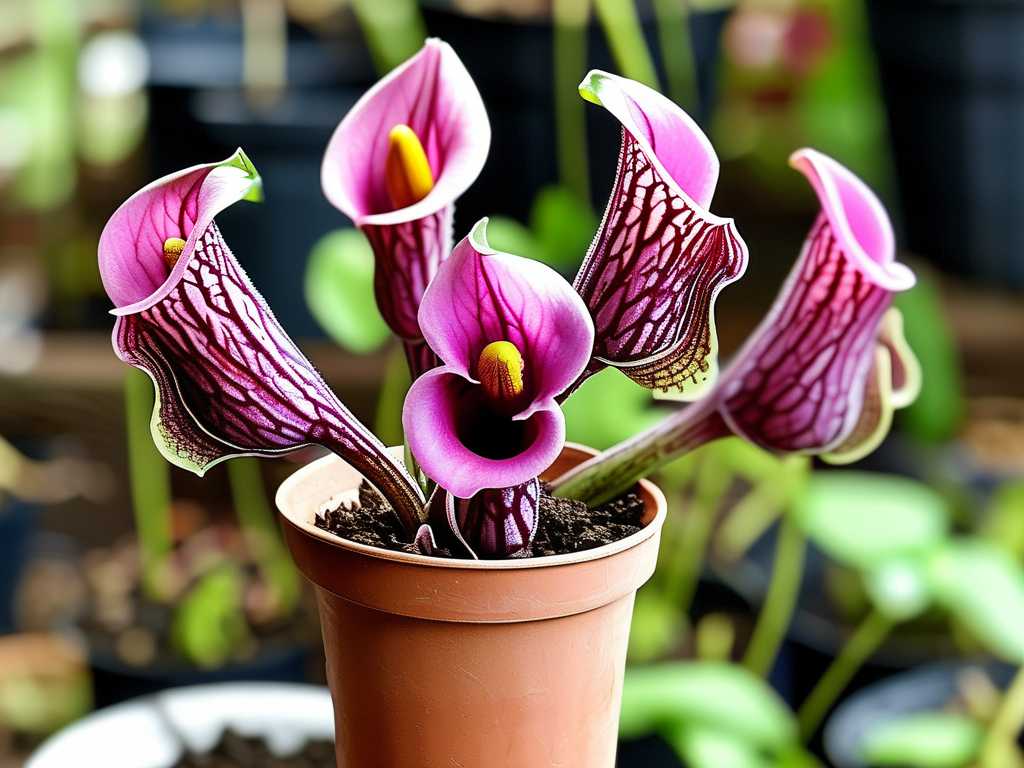
The Solution: Embrace the brown! When you see pitchers dying back in fall, it’s normal. Reduce the water in the tray slightly (keep it just damp, not flooded) and provide that 3-4 month cold period. Come spring, with increased light and warmth, it will send up a flush of strong, beautiful new pitchers.
5. Potting and Maintenance: Setting the Stage for Growth
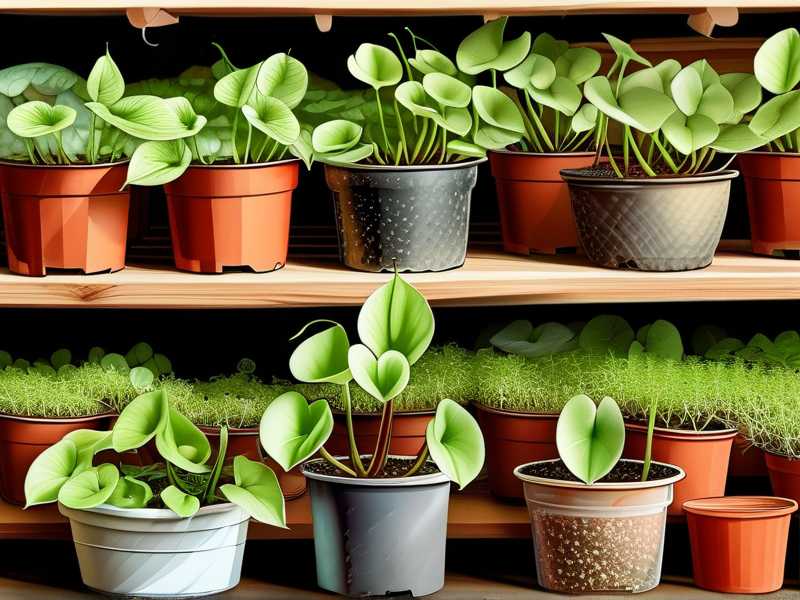
- Pot Choice: Use plastic or glazed ceramic pots with drainage holes. Avoid terracotta, as it leaches minerals and dries out too quickly.
- Repotting: Repot in early spring, just as dormancy breaks, every 2-3 years to refresh the soil. Gently rinse the old soil from the rhizome (the horizontal stem from which roots and pitchers grow).
- Pruning: Only trim away completely brown, dead pitchers and leaves at the base. Use sterilized scissors. Never cut green tissue. The old, browned pitchers can provide some protection during dormancy, so I often do my main cleanup in spring.
What should I do if my Sarracenia purpurea’s pitchers are turning brown? Don’t panic. Individual pitchers have a lifespan of one growing season and will naturally brown and die from the top down, especially in fall. This is part of the cycle. However, if all pitchers are rapidly browning and softening at once, it’s a sign of stress—most commonly from using mineral-rich water, soil that is too dry, or root rot from a non-draining, dense soil mix.
Can I grow Sarracenia purpurea indoors successfully? Yes, absolutely, but you must commit to its two key needs: providing the highest possible light (a grow light is highly recommended for anything less than a perfect south window) and respecting its winter dormancy by finding it a cool spot for 3-4 months. The tray method with distilled water is non-negotiable indoors.
Why is my plant only producing small pitchers or no new pitchers? Insufficient light is the prime culprit. These are solar-powered plants. Weak light equals weak growth. The second most common reason is a lack of dormancy the previous winter, which has depleted the plant’s energy reserves. Ensure it gets its cold rest, then provide blazing light in the growing season.
Growing Sarracenia purpurea is a rewarding practice in mindful, observant gardening. It asks us to step outside the routines we use for typical houseplants and engage with its specific, wild origins. Success boils down to mimicking its natural bog habitat: pure water, always moist, abundant sun, lean soil, and a winter rest. When you get these elements right, the plant responds with incredible resilience and beauty, offering a fascinating, low-maintenance display of natural adaptation right in your home. Start with the water—get that right—and you’re already on the path to becoming a confident purple pitcher plant grower.