bluename
How to Grow Sarracenia leucophylla: 6 White-Top Variety Tricks
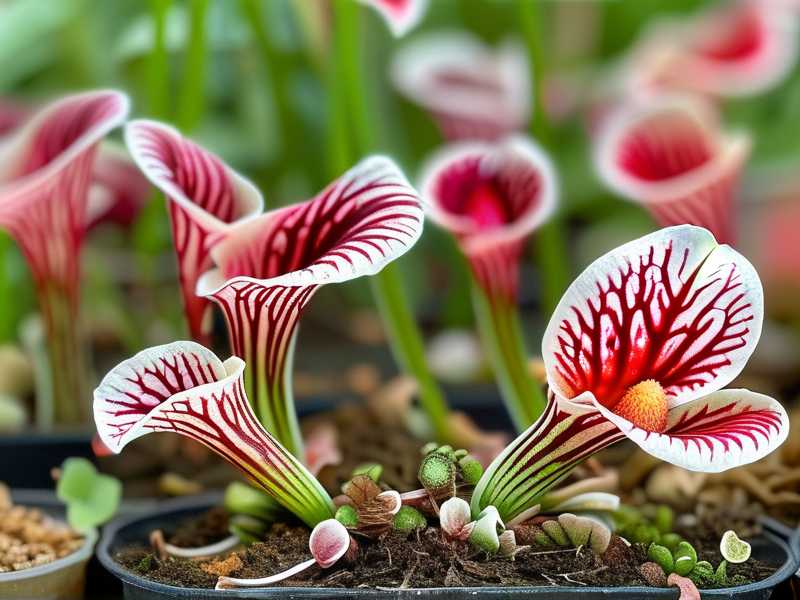
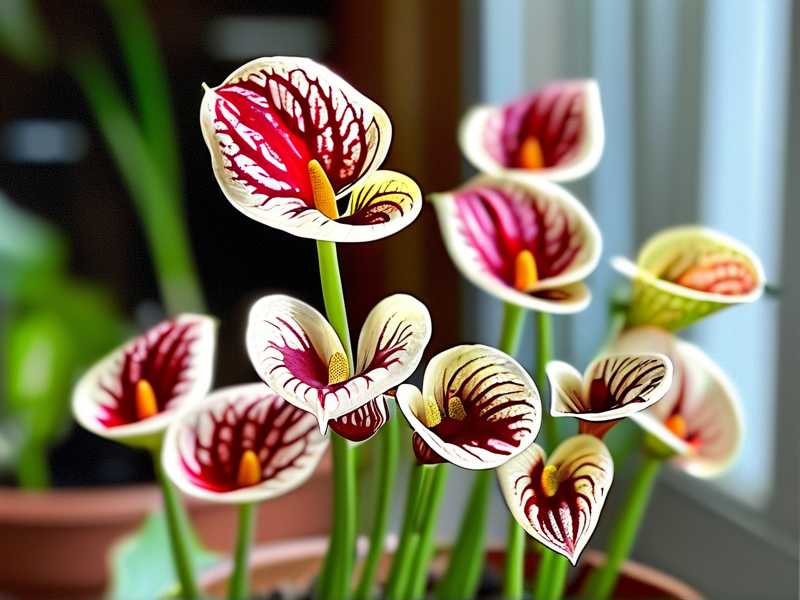
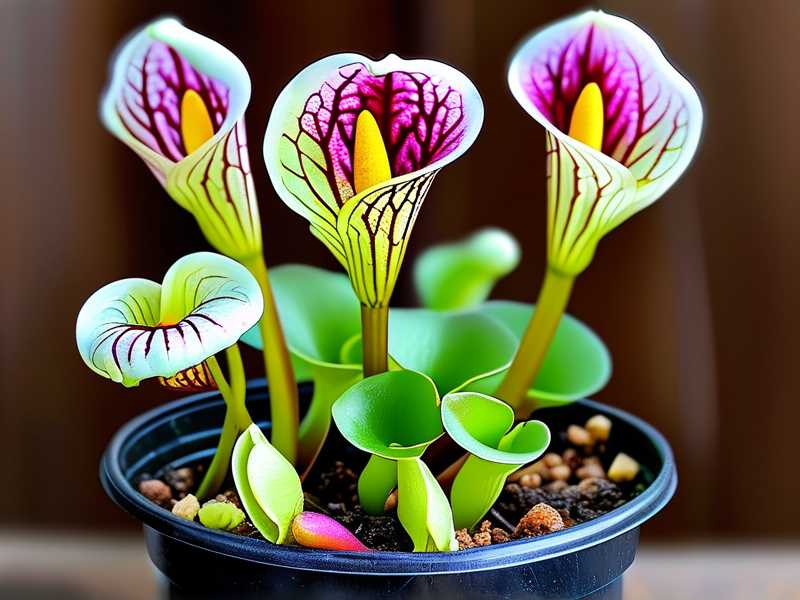
I’ve killed my fair share of plants. But nothing stung quite like watching my first Sarracenia leucophylla, the stunning “White-Top” pitcher plant, slowly fade from a vibrant, trumpet-shaped marvel into a sad, brown clump. I was following general carnivorous plant advice, but it wasn't enough. The white-top variety, with its breathtaking, heavily veined pitchers, has specific needs that generic care guides often miss. If you’re struggling with lack of vibrant color, stunted growth, or pitchers that die off too quickly, you’re not alone. The secret isn't just keeping it alive; it's about unlocking those spectacular, ghostly-white lids and deep red veins. After years of trial, error, and meticulous note-taking, I’ve distilled everything into six crucial tricks that transformed my failures into a thriving, eye-catching collection.
Here are the six white-top variety tricks that made all the difference, based on my hands-on experience and careful observation over multiple growing seasons.
Understanding the White-Top's Unique Demands
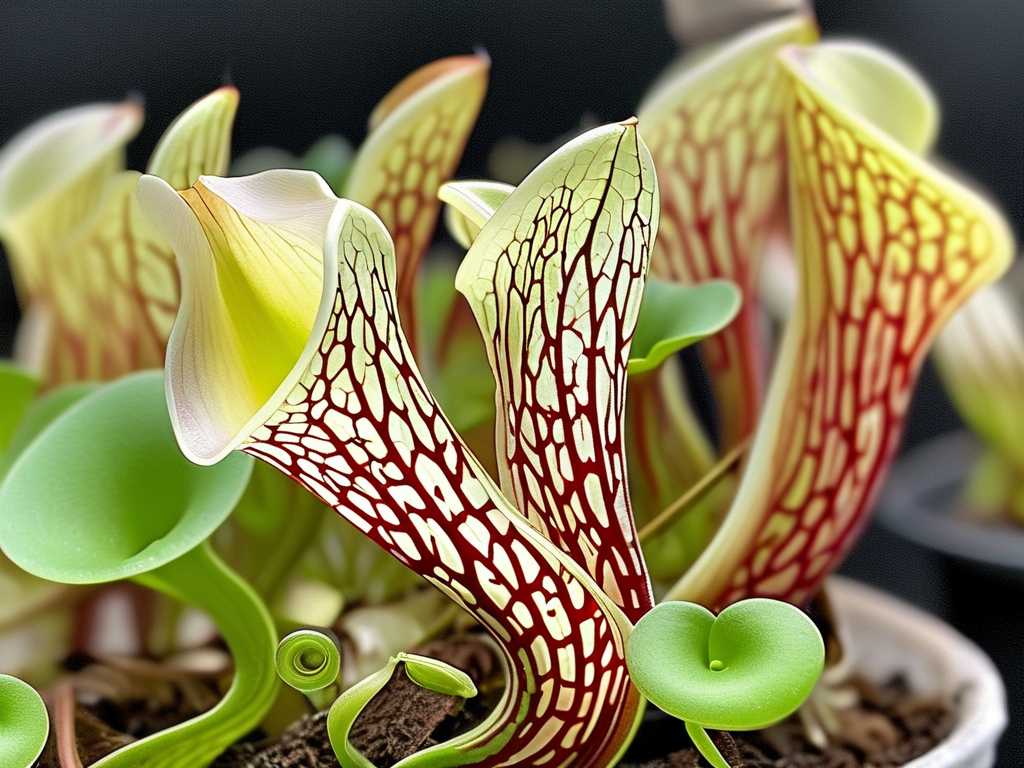
Before we dive into the tricks, it's vital to understand why Sarracenia leucophylla is special. Unlike some hardier species, it’s a native of the Southeastern US coastal plains, a habitat with distinct, intense seasons. Its spectacular white and red patterning isn't just for show; it’s an evolutionary adaptation to attract insects in specific light conditions. As experts from the Carnivorous Plant Society often emphasize, treating all Sarracenia the same is the first mistake. The White-Top demands a perfect mimicry of its natural cycle: a soggy, sun-drenched growing season and a crucial, cool dormancy. My initial failure was ignoring the dormancy depth it craved, thinking a windowsill slowdown was sufficient. It wasn't.
Trick 1: The Mineral-Free Water Ritual (Non-Negotiable)
This is the cornerstone. Sarracenia leucophylla thrives in nutrient-poor, acidic conditions. Tap water, even filtered, contains minerals that will slowly poison the roots, leading to tip burn and weak growth.
- My Step-by-Step Process: I use only rainwater, distilled water, or reverse osmosis water. I keep a dedicated 5-gallon bucket for rainwater collection. For daily watering during the growing season, I employ the "tray method." I place the pot in a deep saucer and always keep 0.5 to 1 inch of water in it. The medium soaks it up from below, ensuring constant moisture without top-watering, which can compact the soil.
- The 2-Week Observation: When I switched a struggling plant from occasional top-watering with "softened" tap water to the consistent tray method with distilled water, the change was visible within 14 days. New pitcher growth emerged without the previous black tips. The existing pitchers looked more turgid and less stressed.
- The Pitfall & Solution: I ran out of distilled water once and used bottled drinking water in a panic. Within a week, the newest pitcher showed browning. The solution was immediate: I flushed the pot thoroughly from the top with a large volume of distilled water to leach out the minerals and returned to strict tray watering. Recovery took about three weeks.
Trick 2: Maximizing Sun for Maximum Color
The brilliant white and deep red venation on Sarracenia leucophylla are sun-induced. Insufficient light leads to green, floppy pitchers with weak coloration.
- My Step-by-Step Process: I grow mine outdoors in full, all-day sun from early spring to late fall. For indoor growers, a south-facing window is the absolute minimum, but a strong LED or fluorescent grow light placed 6-12 inches above the plant for 12-14 hours a day is often necessary. I track the light intensity with a simple photometer app to ensure it's receiving the equivalent of direct sun.
- The 2-Week Observation: I moved a pale, indoor-grown white-top to a full-sun patio spot in early summer. The first new pitcher that developed over the subsequent two weeks was noticeably sturdier. While the full white top didn't appear on that first pitcher, the red veins were dramatically more pronounced and extensive compared to the old growth.
- The Pitfall & Solution: Sunburn is real. I made the mistake of moving a plant from partial shade directly to blistering afternoon sun. The existing pitchers bleached and scorched. The solution is acclimation. I now move plants into full sun over 7-10 days, starting with 2 hours of morning sun and gradually increasing exposure. This prevents shock and allows the plant to build protective pigments.
Trick 3: The Dormancy Deep-Freeze (Not a Suggestion)
This is the trick that finally made my white-tops thrive year after year. Sarracenia leucophylla requires a pronounced winter dormancy of 3-4 months with temperatures between 32°F and 50°F (0°C-10°C). This rest period is crucial for resetting its growth cycle and ensuring vigorous spring pitchers.
- My Step-by-Step Process: In late autumn, after the first few hard frosts, I trim off all dead pitchers to about an inch above the rhizome. I stop keeping water in the tray, letting the soil just remain damp. Then, I place the pots in an unheated garage where temperatures stay reliably between 35°F and 45°F. They receive minimal, indirect light. I check moisture monthly, adding a slight splash of water if the soil feels bone-dry.
- The 2-Week Observation (Post-Dormancy): After pulling plants from cold storage in early March, I resumed the tray watering and placed them in a cool, bright spot. Within two weeks, every single rhizome showed multiple, fat, red-colored growth points swelling. This explosive, synchronized growth never happened when I tried "cool windowsill dormancy."
- The Pitfall & Solution: One winter, my garage got too cold (below 25°F for a week). I lost a few plants to freeze damage. The solution is monitoring. I now use a simple min/max thermometer in the storage area. If temperatures threaten to dive too low, I provide insulation with a blanket or move the plants to a slightly warmer spot, like an unheated basement stairwell.
Trick 4: Soil Mix & Repotting: Aeration is Key
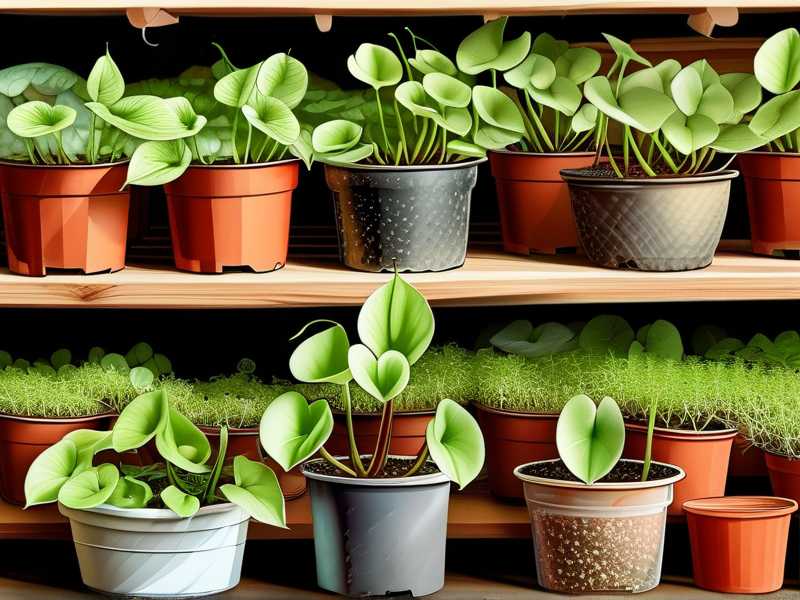
They don't grow in potting soil. Their roots need oxygen and constant moisture without rot.
- My Step-by-Step Mix: I use a 50/50 mix of premium sphagnum peat moss (with no additives) and horticultural perlite. I rinse the perlite in distilled water first to remove dust. This mix is acidic, nutrient-free, and holds water while allowing perfect aeration. I repot every 2-3 years in late winter, just before growth resumes.
- The 2-Week Observation: After repotting a congested clump into fresh mix, the new root growth was evident at the drainage holes within two weeks. The plant immediately produced a thicker, taller pitcher than it had in the previous season, indicating the roots had instant access to water and oxygen.
- The Pitfall & Solution: I once used a peat moss brand that contained wetting agents. The soil stayed waterlogged, and the rhizome began to rot. The solution was an emergency repot into a known, pure peat brand. I carefully cut away any soft, brown parts of the rhizome with a sterile knife, dusted with sulfur powder, and replanted. The plant survived but lost a growth season.
Trick 5: Strategic Feeding vs. Letting Nature Work
A common myth is that you must feed your carnivorous plants. For outdoor Sarracenia leucophylla, this is unnecessary and can harm them.
- My Hands-Off Process: My outdoor plants catch more than enough insects on their own. The slippery lids and nectar guides are incredibly effective. I never manually feed them insects or fertilizer.
- The Pitfall & Solution: Indoors, where insects are scarce, pitchers may starve. The American Sarracenia Society (ASHS) advises that a light feeding can be beneficial if done correctly. My solution for an indoor plant was to drop a single, small, dead insect (like a dried bloodworm or a fruit fly) into one mature pitcher per plant, once a month during active growth. Overfeeding will rot the pitcher. I observed that the fed pitcher remained plump and colorful for weeks longer than its unfed neighbors, confirming it utilized the nutrients.
Trick 6: Propagation by Division: Multiplying Your Success
Once you have a healthy, mature plant (3+ years old), you can create more. The best time is during late dormancy or very early spring.
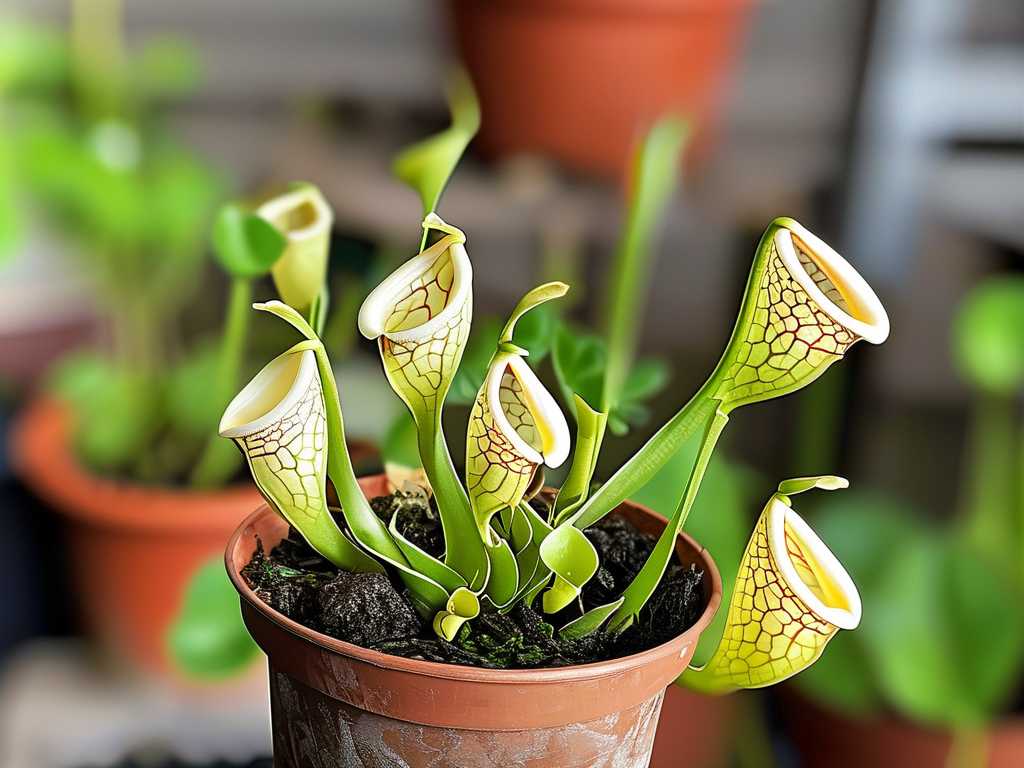
- My Step-by-Step Process: I remove the plant from its pot and gently wash the soil away from the rhizome (thick, horizontal stem). Using a sterile, sharp knife, I look for natural divisions—points where growth heads (crowns) are clustered. I cut the rhizome so each division has several growth points and its own set of roots.
- The 2-Week Observation: After potting divisions separately and placing them in bright, humid conditions (I use a clear plastic bag tent for a week), I checked after 14 days. Each division showed no signs of wilt and had begun to produce new, tiny roots into the fresh soil mix, a clear sign of successful establishment.
- The Pitfall & Solution: Dividing a plant that is too small or weak can kill all parts. The solution is patience. I only divide robust plants with multiple, distinct crowns. If in doubt, I wait another year. For divisions with fewer roots, I provide higher humidity (the bag tent) to reduce water stress until new roots establish.
Frequently Asked Questions
Can I grow Sarracenia leucophylla purely indoors? Yes, but it is challenging. You must provide intense, direct light via powerful grow lights for 12+ hours a day and manage dormancy by moving the plant to a cool, bright space like an unheated porch or garage for the winter. Outdoor growing, even on a sunny balcony, is always more successful for achieving the signature white-top coloration.
Why are my new pitchers mostly green with little white? This is almost always a light issue. The white is a sunscreen pigment. Your plant is not receiving intense enough light to trigger its full color production. Gradually increase its sun exposure or upgrade your grow light system. Also, remember that the whitest coloration often develops on the fall pitchers, not always the spring ones.
Do I need to prune the old, brown pitchers? Yes, for both aesthetics and plant health. In late winter, before new growth emerges, trim all dead material down to about an inch above the rhizome. This prevents fungal issues and allows sunlight and energy to focus on the new growth. During the growing season, you can trim off individual pitchers as they completely brown.
Growing Sarracenia leucophylla is a rewarding journey that teaches patience and observation. By focusing on these six specific tricks—mineral-free water, maximum sun, deep dormancy, the right soil, mindful feeding, and careful propagation—you move beyond basic survival. You create the conditions for the White-Top pitcher plant to express its full, breathtaking potential. The moment you see that first perfectly formed, ghostly-white pitcher emerge under your care, every bit of the effort becomes utterly worthwhile. Start with the water and the light, and the rest will follow.