bluename
How to Grow Sarracenia Minor: 4 Small Pitcher Plant Tips
You’ve brought home that captivating little carnivore, the Sarracenia minor, or the hooded pitcher plant, with its charming, sun-catching pitchers. But now, the initial excitement is fading, replaced by a nagging worry. Its pitchers are browning, new growth seems stunted, and it just doesn’t have that vibrant, predatory look you fell in love with. I’ve been there. I’ve killed my fair share of these fascinating plants by treating them like ordinary houseplants. It took years of trial, error, and learning from my mistakes to finally crack the code. In this guide, I’ll share the four essential tips that transformed my struggling Sarracenia minor into a thriving colony, based on my hands-on experience and the hard lessons I learned along the way.
My journey isn’t just anecdotal. I align my practices with the expert guidelines from societies like the Rare Hare and Sarratrium Association (RHSA), whose collective wisdom is invaluable for any serious grower. This isn’t about complex science; it’s about mastering the fundamentals that this unique plant absolutely demands.
Tip 1: Master the Water – It’s Not Just About Hydration
This is the single most common pitfall and the most critical rule. Sarracenia minor is a bog plant, and its roots are adapted to constant moisture but in a very specific medium. Getting this wrong leads to rapid decline.
My Two-Week Watering Experiment and the “Mineral Mistake”
When I first started, I used filtered tap water, thinking it was safe. Within days, I noticed a faint white crust forming on the soil surface. By the end of two weeks, the leaf tips of my Sarracenia minor were turning crispy brown, and the newest, just-unfurling pitcher seemed to halt its growth entirely. I was watering frequently, keeping the tray method (where the pot sits in a saucer of water), but the plant was clearly suffering.
This was my first major “aha!” moment. The problem wasn’t quantity; it was quality. Tap, spring, and bottled water contain dissolved minerals (like calcium and magnesium) that are toxic to Sarracenia minor roots over time. They slowly accumulate, burning the roots and locking up nutrients.
The Fix: Go Pure. I immediately flushed the pot with a gallon of distilled water (you can also use rainwater or reverse osmosis water) to leach out the minerals. I switched my water source permanently. I placed the pot in a deep saucer and kept it standing in 0.5 to 1 inch of pure water at all times, especially during the active growing season (spring to fall). The transformation wasn’t instant, but within two weeks of the switch, the browning stopped. A month later, a new, healthy pitcher emerged, confirming the roots had recovered.
Expert Backing: The RHSA and virtually all carnivorous plant authorities state unequivocally: low-mineral water is non-negotiable. Treat it as the foundation of all care.
Tip 2: Sunlight is Their Food – Embrace Full, Blazing Sun
We often hear “bright, indirect light” for houseplants. For Sarracenia minor, that’s a recipe for weak, floppy, and poorly colored pitchers. These are full-sun prairie and bog plants.
My “Too Kind” Shade Experiment
Fearful of scorching my precious plant, I placed it on a bright east-facing windowsill. It got about 4 hours of direct morning sun. The plant survived but didn’t thrive. The pitchers were predominantly green with only faint veining, they grew tall and lanky, leaning heavily toward the light, and their “hoods” (the characteristic feature of Sarracenia minor) were small and underdeveloped. They looked etiolated—stretched and hungry for light.
I moved it to a south-facing balcony for a trial. I monitored it closely for two weeks, worried I’d see burn. The opposite happened.
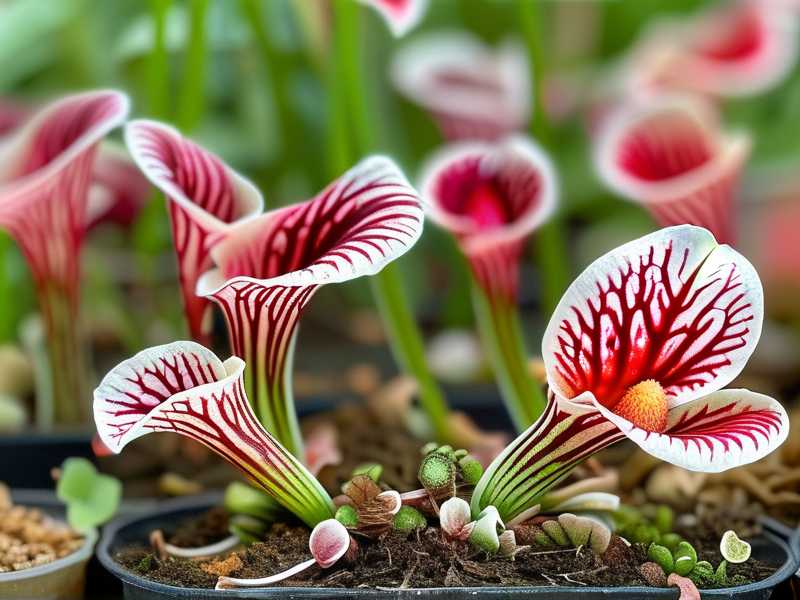
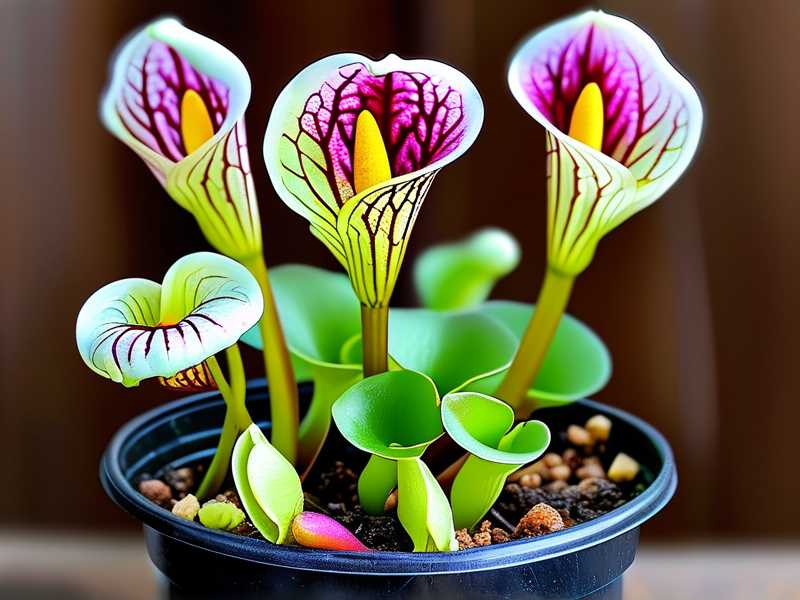
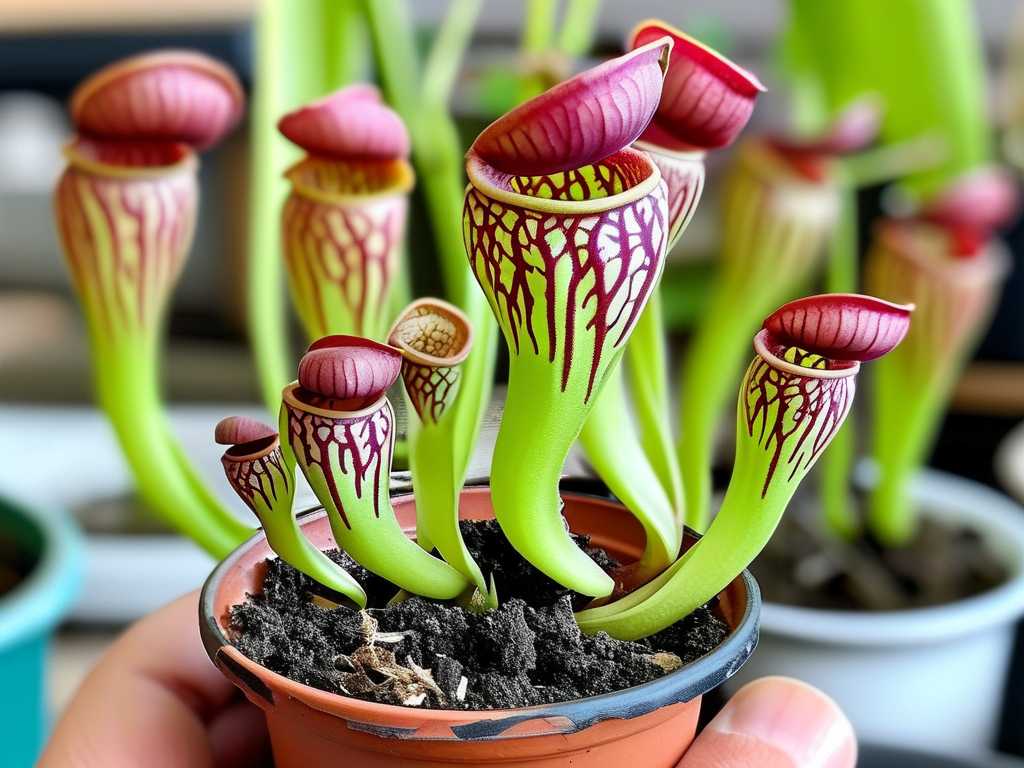
The Fix: Think “Bog, Not Forest Floor.” I gave it a minimum of 6+ hours of direct, unfiltered outdoor sunlight daily. The results were dramatic. The new pitchers that developed were shorter, sturdier, and displayed intense, beautiful red-purple venation and coloration. The hoods became more pronounced and bulbous. The plant stopped stretching and grew compact and robust. The sunlight fuels not just growth but also the production of pigments and nectar that attract insects. More sun directly equals a more effective, and more beautiful, carnivorous plant.
Tip 3: Soil and Potting – Ditch the Potting Mix, Embrace the Sphagnum
Planting Sarracenia minor in regular potting soil is a death sentence. These mixes are rich in nutrients and fertilizers, which will fatally burn the plant’s sensitive roots. Sarracenia minor thrives in nutrient-poor, acidic, and constantly moist yet airy media.
The “Rich Soil” Catastrophe and Recovery
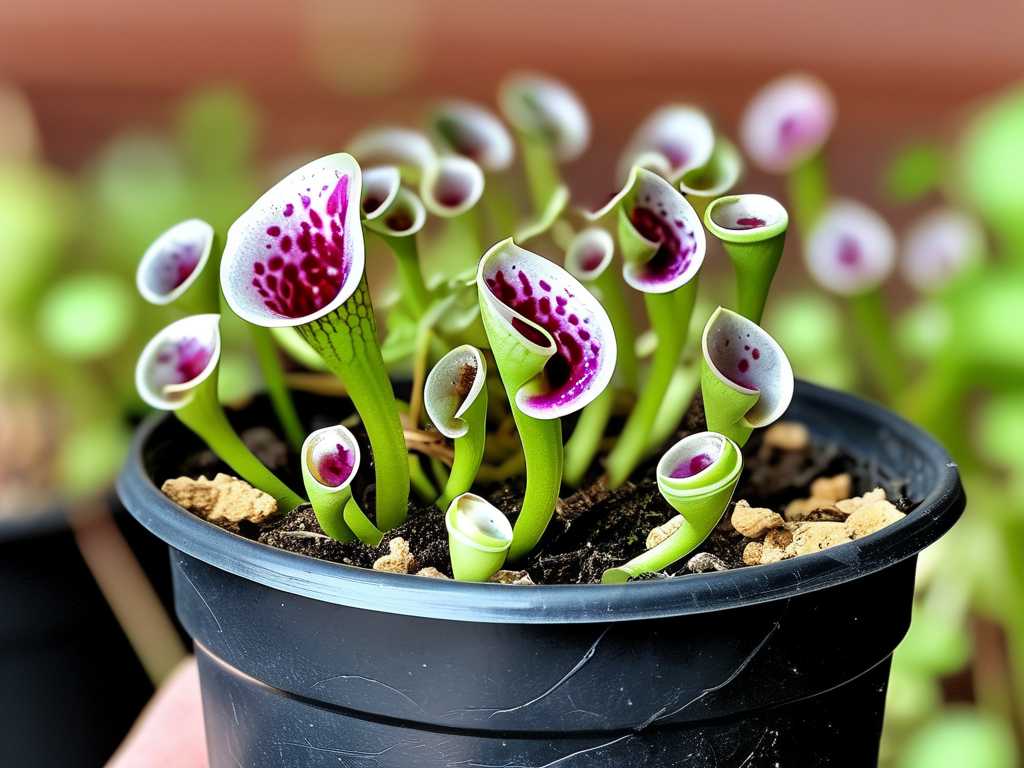
Early on, I made the tragic error of using a “lightly fertilized” peat-based mix for acid-loving plants. Within a week, my plant was collapsing. The pitchers turned black from the base upward. It was a rapid root rot caused by a combination of fertilizer burn and soil that compacted too much when wet, suffocating the roots.
The Fix: The Simple, Foolproof Mix. I repotted the surviving rhizome (the underground stem) using the standard, expert-recommended mix: a 1:1 ratio of unenriched, milled sphagnum peat moss and horticultural perlite. I soaked the peat moss thoroughly with distilled water before mixing to ensure it would absorb moisture properly. Perlite is crucial—it keeps the medium open and aerated, preventing the dreaded soggy, anaerobic conditions that cause rot.
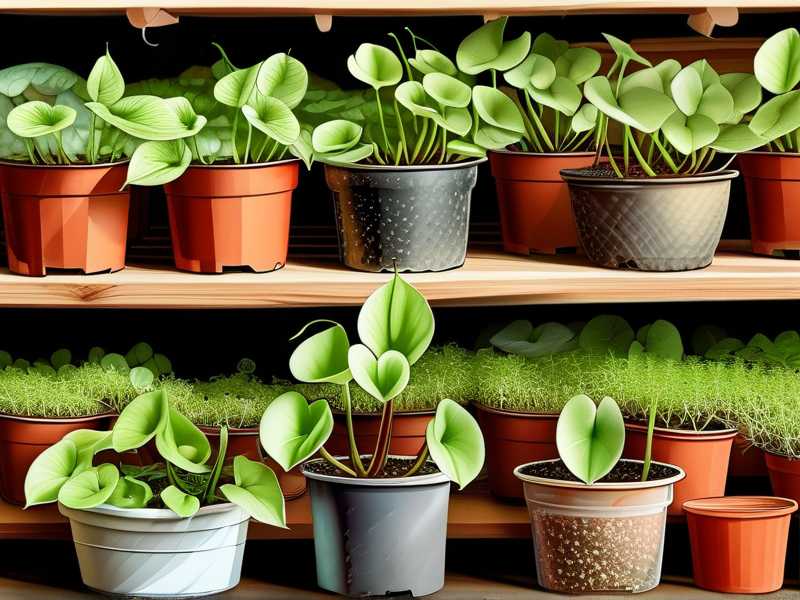
Pot Choice Matters Too. I use a deep, plastic pot (at least 6 inches deep for mature plants) with ample drainage holes. Avoid terra cotta, as it wicks minerals from the water into the soil. The plastic pot sits permanently in its water tray. When I repotted into this inert, airy mix, the plant stabilized. New growth points (called “growth buds”) on the rhizome swelled and eventually produced healthy pitchers, a process I watched unfold over several weeks.
Tip 4: Seasonal Rhythms – Respect the Dormancy Period
This tip is about long-term health and preventing slow, mysterious decline. Sarracenia minor is a temperate perennial. It requires a winter dormancy period to rest and prepare for the next year’s growth. Skipping this is like denying it sleep.
My First Dormancy: Fear and Success
After a fantastic first summer, I brought my plant indoors to a warm windowsill for winter, wanting to “protect” it. It continued to produce a few weak, pale pitchers all winter. Come spring, it was exhausted. The spring growth flush was pathetic, and the plant was significantly smaller than the previous year. I had forced it to run a marathon without a break.
The Fix: Give it a Cold Rest. The next winter, I did it right. In late autumn, as the pitchers naturally began to brown, I trimmed away the dead material. I moved the pot to an unheated garage where temperatures stayed between 32°F (0°C) and 50°F (10°C). It received dim, indirect light. I reduced the water in the tray, only ensuring the soil remained damp but not waterlogged. For 3-4 months, it looked completely dead—just a brown rhizome in soil. This was nerve-wracking but necessary.
In early spring, as temperatures warmed, I brought it back into full sun and resumed the tray watering method. The reward? Multiple, vigorous growth points erupted from the rhizome, producing a flush of strong, colorful pitchers. The plant was rejuvenated and larger than ever. This dormancy cycle is the key to its longevity, which can be decades.
Frequently Asked Questions
Can I feed my Sarracenia minor? You can, but it’s rarely necessary if the plant is outdoors catching its own prey. If grown indoors, you might occasionally drop a small, dead insect into a pitcher or two during the growing season. Never use fertilizer in the soil or water. Overfeeding can rot the pitchers. The plant is adapted to scarce nutrients; more is not better.
Why are my new pitchers turning brown before they open? This is most often caused by a sudden change in humidity (like moving from a humid nursery to dry indoor air) or, more commonly, using mineral-rich water. Ensure your water source is pure and try to acclimate the plant gradually to new environments. Physical damage can also cause this.
Do I need to prune my pitcher plant? Only for aesthetics and plant hygiene. Once a pitcher turns completely brown and dry (often at the end of the season), you can trim it off close to the base with clean scissors. Never cut green, healthy pitchers, as they are still photosynthesizing and catching food. In late winter, before new growth begins, you can do a cleanup of all old, dead material to make way for the new flush.
Growing Sarracenia minor successfully is about understanding its native habitat and replicating those key conditions: pure water, relentless sun, nutrient-free soil, and an annual winter rest. It’s a shift from nurturing to providing the right framework for it to thrive on its own. When you get these four pillars right, you’re rewarded with a resilient, fascinating plant that is a true conversation piece, showcasing the incredible adaptations of the carnivorous plant world. The satisfaction comes not from constant intervention, but from creating the environment where this small marvel can do what it does best.