bluename
How to Grow Sarracenia Alata: 4 Winged Pitcher Care Tips You Can't Ignore
You've brought home that stunning Sarracenia alata, the winged pitcher plant, with its elegant, slender pitchers reaching for the sky. It looks otherworldly, a masterpiece of evolution. But now, a familiar dread creeps in. The leaves are browning at the tips. The new pitchers seem stunted. Is it the water? The light? The soil? You're pouring love into it, yet it seems to be slowly, quietly declining. I've been there, standing over a prized specimen, feeling that mix of frustration and worry. The unique needs of carnivorous plants, especially a specialized beauty like Sarracenia alata, can feel like a secret code. After years of trial, error, and meticulous observation, I've cracked that code. This guide isn't just theory; it's the distilled, practical wisdom from my hands-on experience, including a crucial two-week rescue mission that turned a struggling plant into a vigorous grower.
Understanding Your Winged Pitcher: More Than Just a Pretty Face
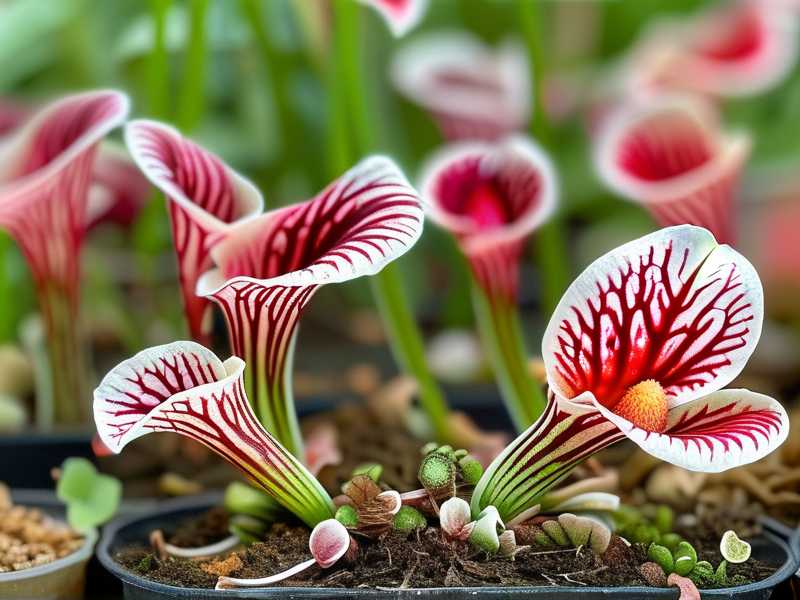
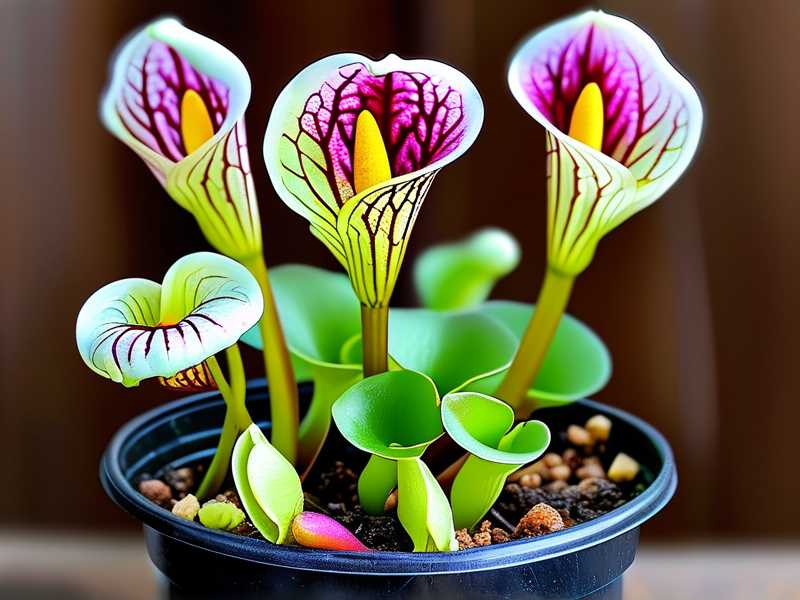
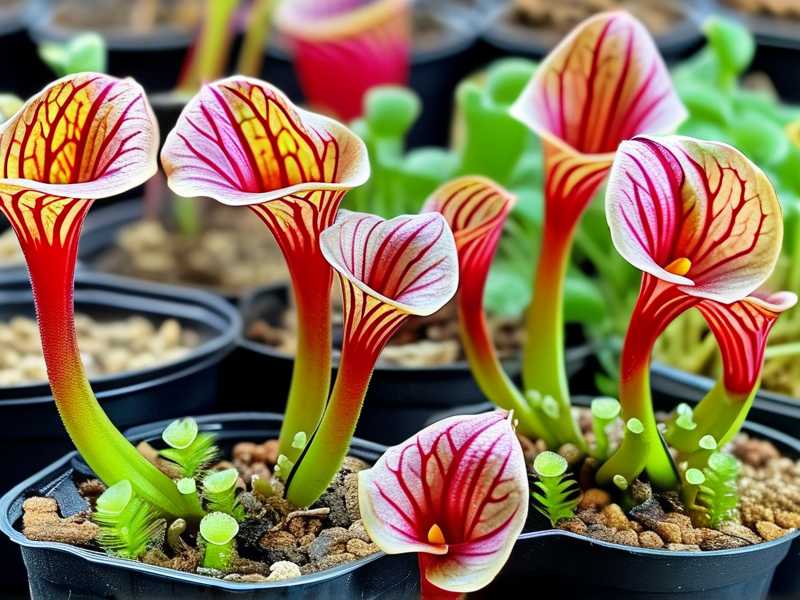
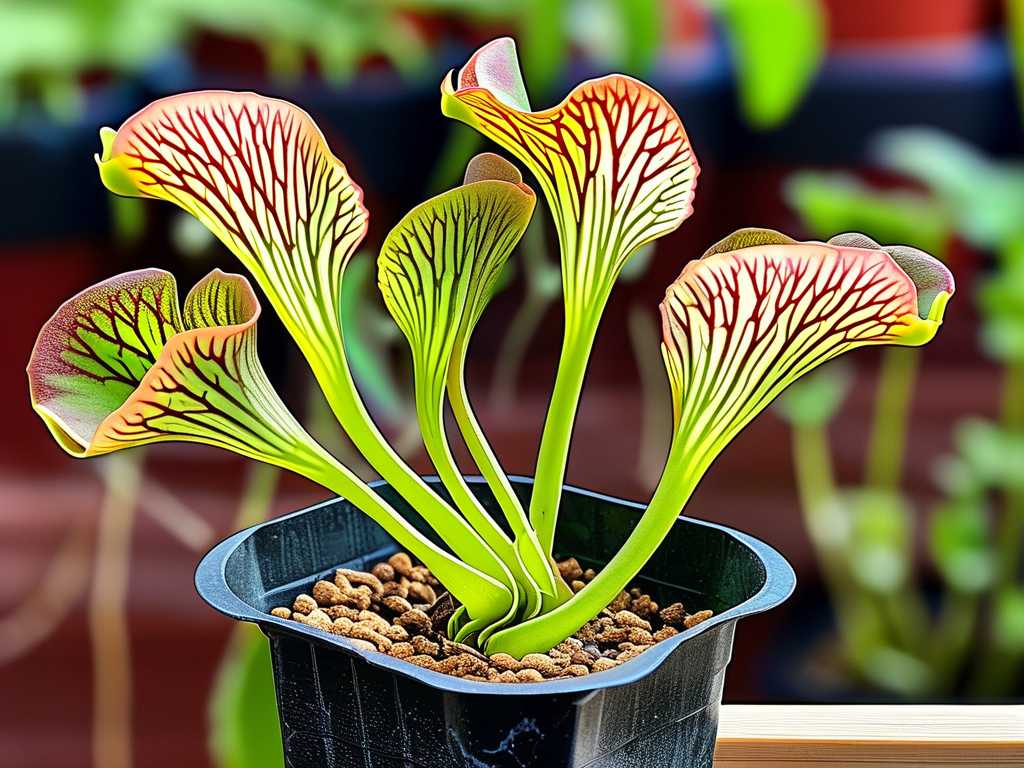
Before we dive into the care steps, let's understand what makes Sarracenia alata special. Native to the southeastern coastal plains of the United States, this plant thrives in perpetually moist, nutrient-poor, acidic bogs. Its "wings" are the vertical structures running down the front of the pitcher. They aren't just for show; they guide insects toward the lethal nectar and slippery rim. According to the International Carnivorous Plant Society, treating these plants like typical houseplants is the number one cause of failure. They don't want potting soil or fertilizer; they've evolved to extract nutrients from prey in some of the planet's most challenging soils.
The Four Pillars of Sarracenia Alata Success
Getting these four elements right is non-negotiable. They work in harmony, and a failure in one can undermine success in the others.
1. Water: The Lifeline You're Probably Getting Wrong
This is the most critical, and most often botched, aspect of care. Sarracenia alata requires mineral-free water. Tap water, even filtered, typically contains dissolved salts and minerals that will accumulate in the soil and slowly poison the roots, leading to tip burn and eventual death.
My Process & Two-Week Observation: I learned this the hard way. I used distilled water for months, but during a busy period, I topped off the tray with tap water "just once." Over the next two weeks, I documented a clear decline. The newest pitcher showed brown spotting within 5 days. By day 14, the vibrant green was fading to a yellowish hue on several older pitchers. I immediately flushed the pot by sitting it in a deep basin of distilled water, letting it soak and drain repeatedly to leach out the minerals. I returned to using only rainwater I collect and store. Within a month, new growth was clean and healthy.
The Fix: Use only rainwater, distilled water, or reverse osmosis water. Keep the plant sitting in a saucer or tray with 0.5 to 1 inch of this water at all times, especially during the growing season. Never let it dry out. The tray method mimics the constant moisture of its natural bog habitat.
2. Light: Fuel for Those Spectacular Pitchers
Sarracenia alata is a full-sun addict. It needs a minimum of 6 hours of direct, unfiltered sunlight daily to produce robust, well-colored pitchers. Insufficient light leads to weak, floppy, pale green pitchers that are prone to disease.
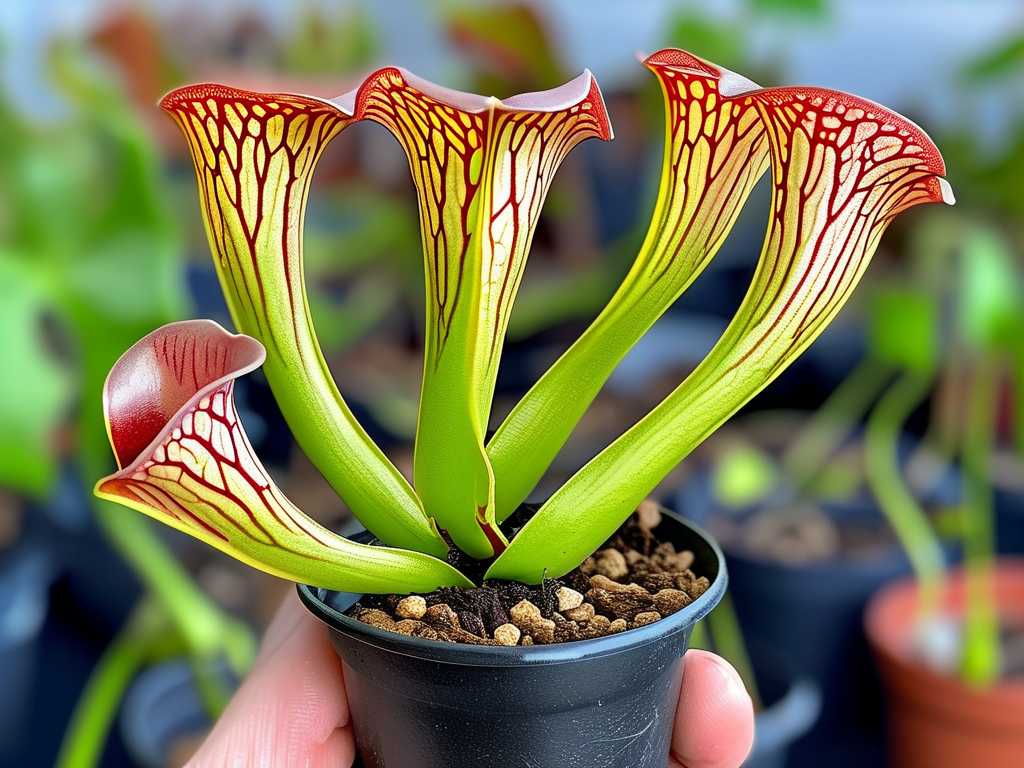
My Process & The Indoor/Outdoor Experiment: I kept one plant on a very bright south-facing windowsill and another outdoors in full sun. The indoor plant, while alive, produced pitchers that were etiolated and leaned heavily toward the light source. Their color was a dull green. The outdoor plant, bathed in direct sun, developed stunning, upright pitchers with deep red venation and a much sturdier structure. The difference was night and day. For indoor growers, a high-quality full-spectrum LED grow light is essential if you cannot provide enough direct sun. Position it 6-12 inches above the plant for 12-14 hours a day.
3. Soil and Potting: Creating the Perfect Bog
Forget everything you know about potting mixes. Sarracenia alata requires an acidic, airy, and nutrient-free medium. A standard mix endorsed by the Carnivorous Plant Society is a 1:1 ratio of sphagnum peat moss and horticultural perlite. Avoid any product with added fertilizers or wetting agents.
My Step-by-Step Repotting Guide (Done in early spring):
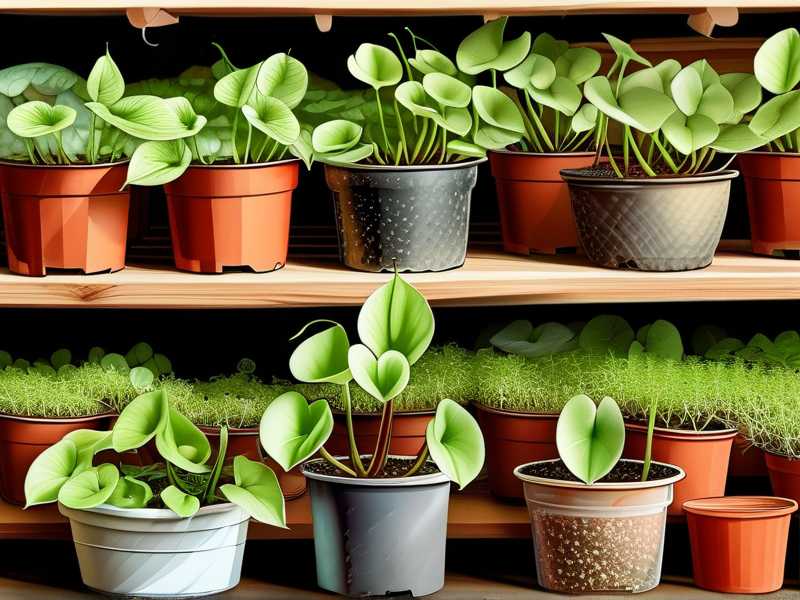
- Materials: I gather a tall, deep pot (their roots grow long), a plastic pot is best as it retains moisture. I use a mix of 50% Canadian sphagnum peat moss and 50% perlite. I moisten the mix with distilled water until it's damp but not soggy.
- The Process: I gently remove the plant, carefully rinsing the old soil from the roots with distilled water. I fill the new pot about one-third, place the plant in, and spread its long, white roots. Then, I fill around it with the fresh mix, firming gently. The crown (where the leaves emerge) should be right at the soil surface.
- The Pitfall I Avoid: I never pack the soil down. Compression kills aeration. The mix should remain loose and fluffy to allow oxygen to reach the roots.
4. Feeding and Dormancy: The Annual Rhythm
Feeding: Let the plant catch its own food! If grown outdoors, it will attract gnats, flies, and other insects. Do not feed it meat, cheese, or fertilizer. These will rot and kill the pitcher. If you're growing indoors and are concerned, you can occasionally drop a small, dead insect into a pitcher or two, but it's rarely necessary.
Dormancy: The Non-Negotiable Winter Rest. This is the step many enthusiasts miss, leading to a weakened plant that dies after a few years. Sarracenia alata requires a cold winter dormancy period of 3-4 months. This is triggered by shorter day lengths and colder temperatures.
My Dormancy Protocol & Observation: In late autumn, as pitchers begin to brown, I move my outdoor plants to an unheated garage or cold frame where temperatures stay between 32°F and 50°F (0°C-10°C). I reduce the water in the tray, only keeping the soil barely moist, not soggy. The plant will look like it's dying—most pitchers turn brown. This is normal. I left one plant in a marginally warmer spot one year, and it attempted weak growth all winter. Come spring, it was exhausted and produced only half the pitchers of its dormant siblings. After a proper 14-week dormancy, when I bring the plant back into warmth and full light in late February, the explosion of new growth from the rhizome is incredibly vigorous and healthy.
Common Questions from Fellow Growers
Can I grow Sarracenia alata purely indoors? Yes, but it is more challenging. You must provide equivalent conditions: full-spectrum grow lights for 12+ hours a day, mineral-free water, and the correct soil. You'll also need to provide a dormancy period by moving the plant to a cooler location (like a basement windowsill) for the winter.
Why are the pitchers on my plant turning brown and dying? A certain amount of die-off, especially of older pitchers, is normal. However, widespread browning is a sign of stress. The most common culprits are: 1) Using the wrong water (mineral buildup), 2) Insufficient light, or 3) Lack of dormancy, which exhausts the plant. Review these three pillars first.
Do I need to prune my winged pitcher plant? Only for aesthetics. Once a pitcher is completely brown and crisp, you can trim it off close to the base with clean scissors. Never cut green, still-functional pitchers, as they are feeding the plant. The only essential pruning is to remove any dead growth before new spring growth emerges to prevent mold.
Growing Sarracenia alata is a deeply rewarding journey. It teaches patience, observation, and respect for a plant's specific natural history. When you see those first new, perfectly formed pitchers of the season unfurl under your care, knowing you've replicated a tiny slice of a distant bog in your own space, the effort becomes part of the joy. Focus on the four pillars—pure water, abundant light, the right soil, and respecting its dormancy—and your winged pitcher plant will not just survive, but thrive for years to come.