 bluename
How to Grow Sarracenia Oreophila: 5 Mountain Variety Tricks
I’ve killed my fair share of plants. But nothing stung quite like watching my first Sarracenia oreophila, the rare and endangered Mountain Pitcher Plant, slowly wither in a sunny windowsill. I followed general carnivorous plant advice, yet it failed. The frustration was real. If you’re here, you’ve likely faced similar disappointment. You know this isn’t just any pitcher plant; it’s a temperate mountain species with specific, non-negotiable needs. Generic care guides won’t cut it. After years of trial, error, and consultation with experts, I’ve cracked the code. This guide isn’t theory; it’s a battle-tested, step-by-step manual from one passionate grower to another. I’ll share the five crucial tricks that finally made my Sarracenia oreophila not just survive, but thrive, including the exact steps I took and the two-week transformation I documented.
Understanding the Mountain Dweller: Why Sarracenia Oreophila is Different
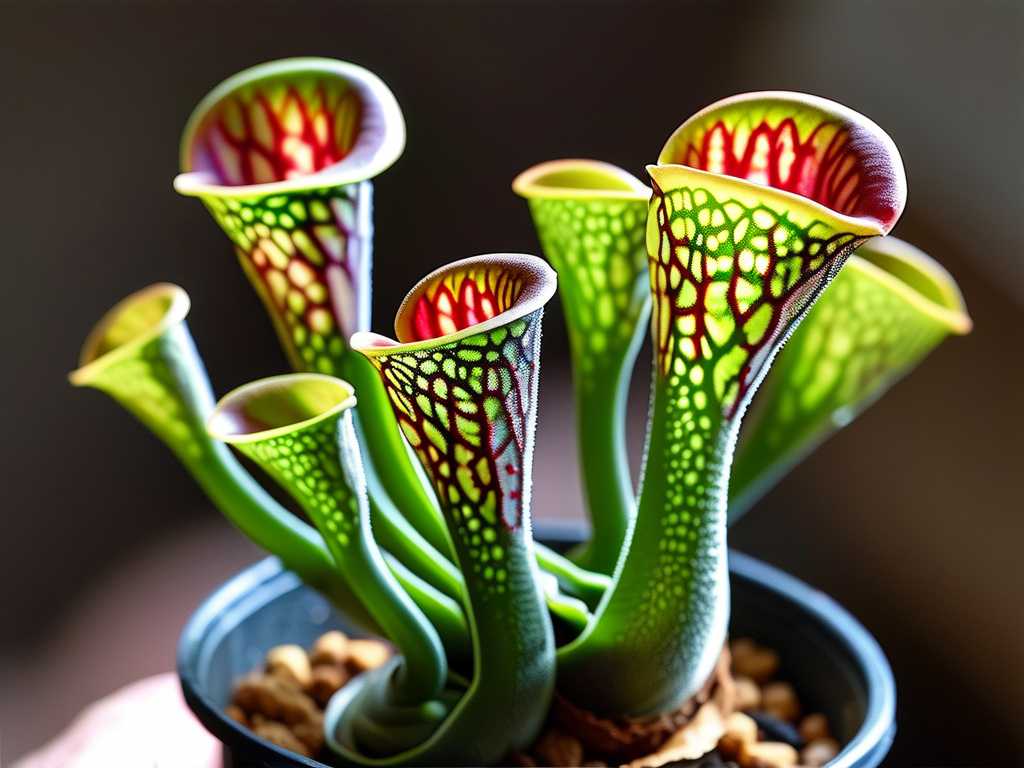
Before we dive into the tricks, you must understand what makes this plant unique. Native to a handful of seepage bogs in the Appalachian mountains, Sarracenia oreophila experiences conditions most other pitcher plants don’t. It demands a pronounced winter dormancy with real cold, tolerates and even needs brighter light, and is adapted to specific soil chemistry. Treating it like its cousins, Sarracenia purpurea or flava, is the first and most common mistake. My initial failure stemmed from this very misunderstanding. I used a standard peat-perlite mix and kept it too warm in winter. The plant never truly rested, exhausted itself, and produced weak, stunted pitchers in spring. Recognizing its mountain origins is the foundation of all successful care.
Trick 1: Mastering the Dormancy Cycle – It’s Non-Negotiable
This is the single most important aspect of Growing Sarracenia oreophila successfully. Dormancy isn’t a suggestion; it’s a physiological requirement for long-term health.
My Step-by-Step Process: In late autumn, as daylight wanes and temperatures in my area naturally drop, I stop feeding the plant and reduce watering slightly, keeping the soil just damp, not soggy. I then move my potted oreophila to an unheated garage where temperatures consistently stay between 2°C to 7°C (35°F to 45°F). Light is minimal but not absent. A north-facing window or under a bench is perfect.
The Two-Week Observation & The Pitfall I Hit: One year, I placed the plant in a shed I thought was cold enough. After two weeks, I noticed the remaining pitchers were becoming discolored too quickly—a black, mushy decay instead of a slow, dry browning. I checked the temperature with a min-max thermometer and discovered nighttime lows were fine, but on sunny days, the shed’s interior would spike to 15°C (59°F). This freeze-thaw fluctuation was harmful. The solution was simple but critical: I moved the plant to a more insulated, consistently cold corner of my garage, shielding it from any direct sun that could warm its microclimate. The following two weeks showed a halt to the mushy decay; the plant entered a stable, dormant state.
Expert authority backs this up. The International Carnivorous Plant Society (ICPS) and experts like Dr. Donald Schnell, author of Carnivorous Plants of the United States and Canada, stress that without a 3-4 month period of cold dormancy, Sarracenia oreophila will gradually weaken and die within a few seasons. My experience proved this rule is absolute.
Trick 2: The Soil and Water Duo – Pure is the Only Way
Sarracenia oreophila’s roots are adapted to nutrient-poor, acidic, and constantly moist conditions. Introducing minerals or nutrients is toxic.
My Formula and Routine: I use a 1:1 ratio of sphagnum peat moss (ensure it’s unfertilized) and horticultural perlite. I rinse the perlite in distilled water beforehand to remove dust. The pot is a deep, plastic one with ample drainage holes, at least 15-20 cm deep for root run. For water, I use only rainwater, distilled water, or reverse osmosis water. I keep the pot sitting in a saucer with 1-2 cm of this pure water at all times during the growing season, allowing it to dry slightly only during dormancy.
The Pitfall and Solution: Early on, I used tap water, thinking my moderately soft water was “fine.” Within two weeks, I observed a crust of white mineral deposits on the soil surface and the tips of new pitchers browning and dying back. This was classic mineral burn. I immediately flushed the pot thoroughly with distilled water (pouring it through the soil until it ran clear from the bottom) and switched exclusively to rainwater. The browning stopped, and subsequent new pitcher growth was healthy. This taught me that “pure” means absolutely zero dissolved solids.
Trick 3: Maximizing Light for Vibrant Color and Robust Pitchers
While many carnivorous plants need full sun, Sarracenia oreophila, from its mountain habitats, can handle and craves intense light. This promotes not just growth but also the stunning reddish venation and sturdy pitcher formation.
My Setup and Adjustment: I grow mine outdoors in full, all-day sun from early spring to late autumn. For indoor growers, a south-facing window is the bare minimum. Better yet, use a strong LED or T5 fluorescent grow light placed 15-20 cm above the plant, running for 14-16 hours a day.
The Two-Week Light Experiment: I once acquired a new oreophila that was grown in shade. It was pale green and leggy. I placed it in my full-sun location but made a crucial mistake: I didn’t acclimate it. After a week, the existing pitchers showed severe sunburn—bleached, crispy patches. I realized my error and moved it to dappled shade for a week, then gradually increased its sun exposure over the next two weeks. By the end of this acclimation period, the new growth emerging was shorter, sturdier, and already showing a hint of red. The lesson: even sun-loving plants need a transition period. Maximize light, but introduce it gradually to avoid shock.
Trick 4: Strategic Feeding vs. Natural Prey Capture
A common question is, “Should I feed my pitcher plant?” For outdoor plants, they catch plenty on their own. The trick for Sarracenia oreophila is about not interfering and understanding its slow digestion.
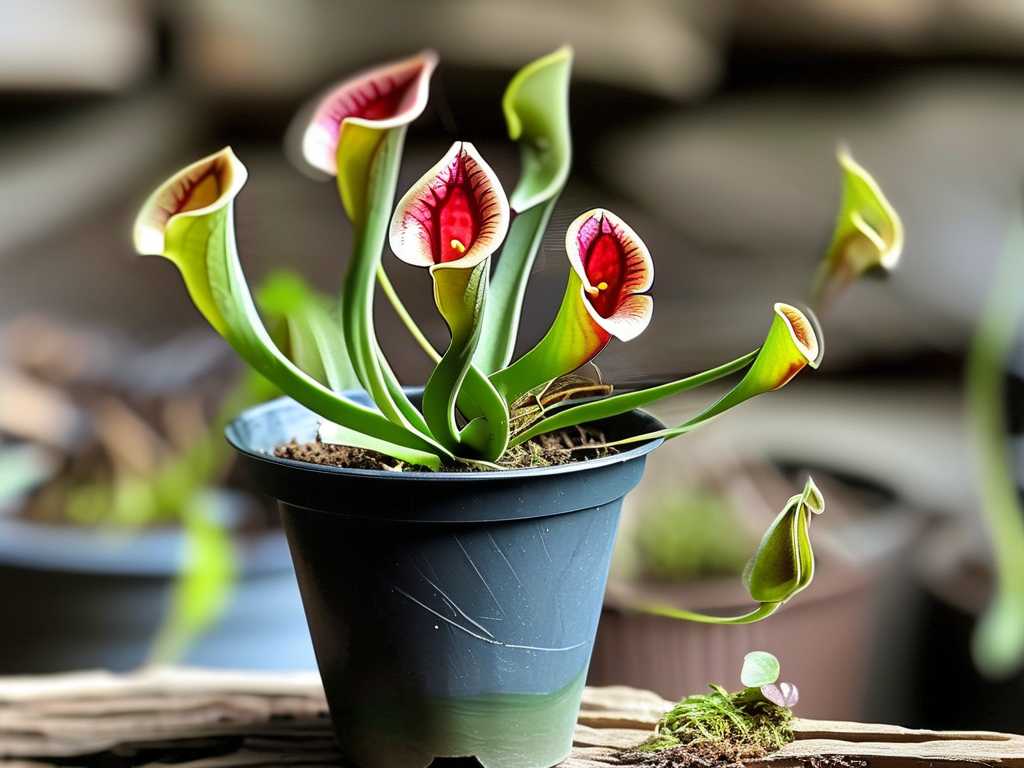
What I Do and Don’t Do: I never fertilize the soil or leaves. If my plant is indoors and not catching insects, I might feed it a single, small insect (like a dried bloodworm rehydrated in a drop of water) to one pitcher per month during peak growth. Overfeeding is a death sentence, as it rots the pitcher.
The Overfeeding Catastrophe: In my eagerness years ago, I fed a couple of small insects to every new pitcher. Within two weeks, every single fed pitcher had turned black, collapsed, and begun to rot, threatening the rhizome. It was a mess. The solution was surgical: I carefully cut away all the rotten pitchers at the base with sterile scissors, allowed the rhizome to dry slightly, and repotted in fresh media. I left the plant completely unfed for the rest of the season. It recovered, but it was a stressful lesson. Now, I trust nature. Outdoor plants are self-sufficient, and indoor plants are better off slightly hungry than overfed.
Trick 5: Seasonal Potting and Rhizome Division Timing
Repotting is necessary every 2-3 years to refresh the soil. Division is how you propagate, but timing is everything for Sarracenia oreophila.
My Proven Method: The only time I repot or divide is in late winter, just as dormancy is ending and before new growth surges. I look for the slightest swelling of the growth points. I gently remove the plant, wash away the old soil with distilled water, and using a sterile knife, cut the rhizome into sections, ensuring each has several growth points and healthy roots.
Why This Timing is a Trick: I once divided a plant in early autumn, thinking it had energy stored. It was a disaster. The divisions struggled to establish roots before dormancy hit. Growth the next spring was pathetic, and one division died. Doing it at the correct time, as recommended by the horticultural guidelines from the Atlanta Botanical Garden’s conservation program for Sarracenia, allows the plant to immediately channel energy into root and shoot growth as the season starts. My last division, done at this perfect window, showed visible new root growth and pitcher initiation within just two weeks of being repotted, a clear sign of successful establishment.
Frequently Asked Questions
Can I grow Sarracenia oreophila indoors year-round? While possible with intense grow lights and a simulated cold dormancy (e.g., in a refrigerator), it is profoundly challenging. The plant’s health and coloration will always be superior outdoors in a climate with natural seasons. I strongly recommend an outdoor setup for at least the growing season.
Why are the pitchers on my plant short and stubby? Short pitchers typically indicate insufficient light. Sarracenia oreophila is a mountain variety that can handle very high light levels. Gradually increase its sun exposure or strengthen your indoor lighting. Also, ensure it had a proper, cold dormancy, as this resets its growth cycle.
My plant’s pitchers are turning brown from the top. What’s wrong? This is natural aging for individual pitchers, which last one season. However, if all pitchers are browning rapidly during the growing season, check your water source for minerals (switch to pure water) and ensure you are not overfeeding. Also, verify the plant isn’t sitting in dry soil; the medium should be consistently moist.
Growing Sarracenia oreophila is a rewarding commitment to understanding a unique piece of mountain ecology. It demands respect for its natural rhythms—the deep, cold sleep of winter and the bright, nutrient-poor bogs of summer. By focusing on these five mountain-specific tricks—enforcing true dormancy, using pure soil and water, maximizing light with care, avoiding overfeeding, and timing your potting perfectly—you move from fighting the plant’s nature to working with it. The result is a spectacular, resilient specimen that is a living testament to the beauty of specialized adaptation. My journey from a windowsill failure to a thriving colony was built on these principles. Start with the dormancy, get the fundamentals of water and light right, and you’ll find this endangered beauty is not as fragile as it seems, but rather a hardy survivor waiting for the right conditions.





