bluename
How to Grow Sarracenia Rosea: 5 Pink Pitcher Variety Tricks
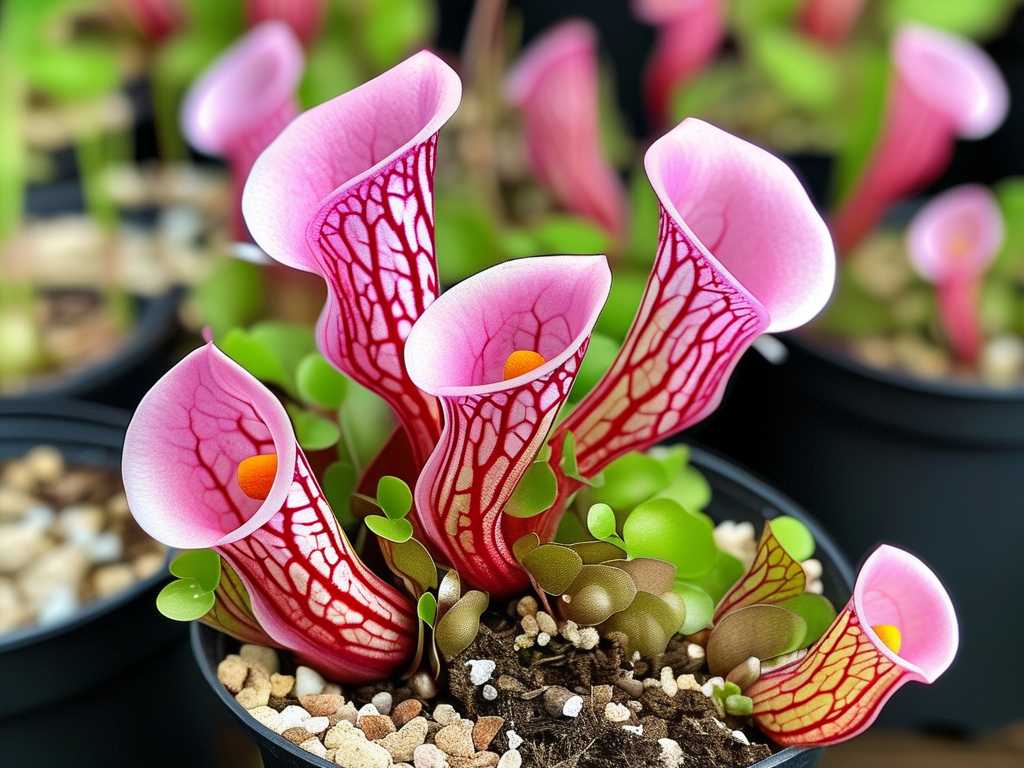
I’ve killed my fair share of plants. But nothing stung quite like watching my first Sarracenia rosea, a stunning pink pitcher variety, slowly fade from vibrant to brown. I was following general carnivorous plant advice, yet it wasn't enough. The unique needs of this particular beauty—its specific light demands, water purity, and dormancy triggers—weren't being met. If you're struggling to keep your Sarracenia rosea thriving, or if you're afraid to buy one for fear of losing it, you're not alone. The common advice often misses the nuanced tricks that make the pink varieties truly flourish. After years of trial, error, and a particularly enlightening two-week experiment, I've distilled the process into five essential tricks. This guide is born from my hands-on experience, the mistakes I made, and the solutions that finally worked.
Understanding the Pink Marvel: Sarracenia Rosea
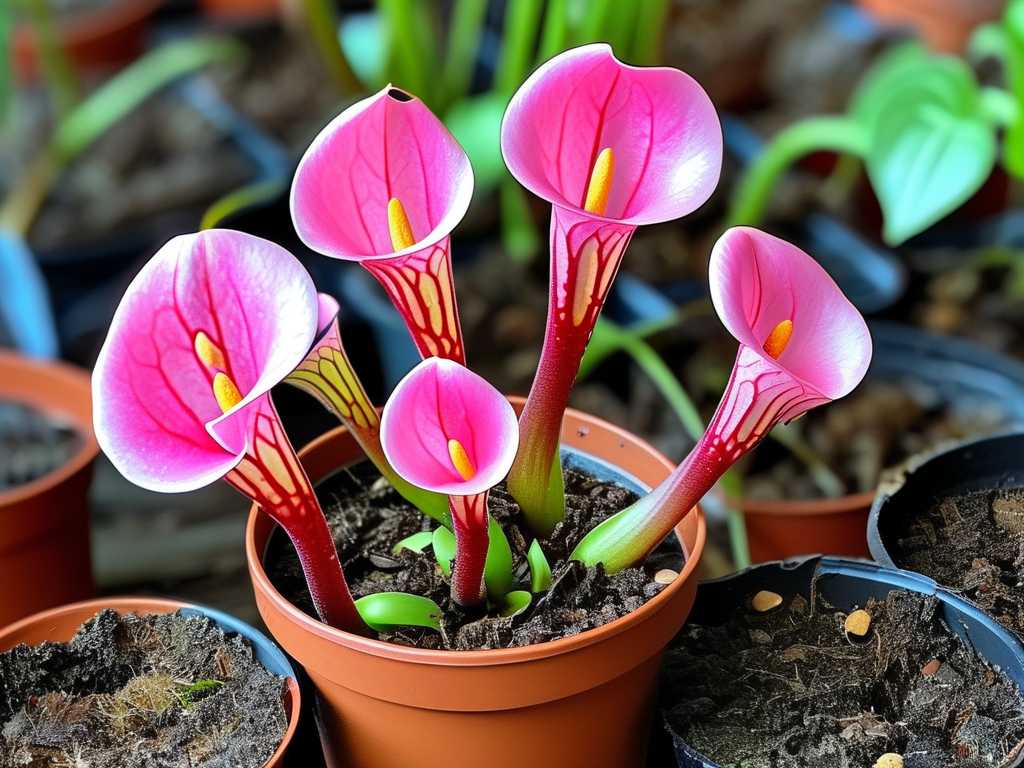
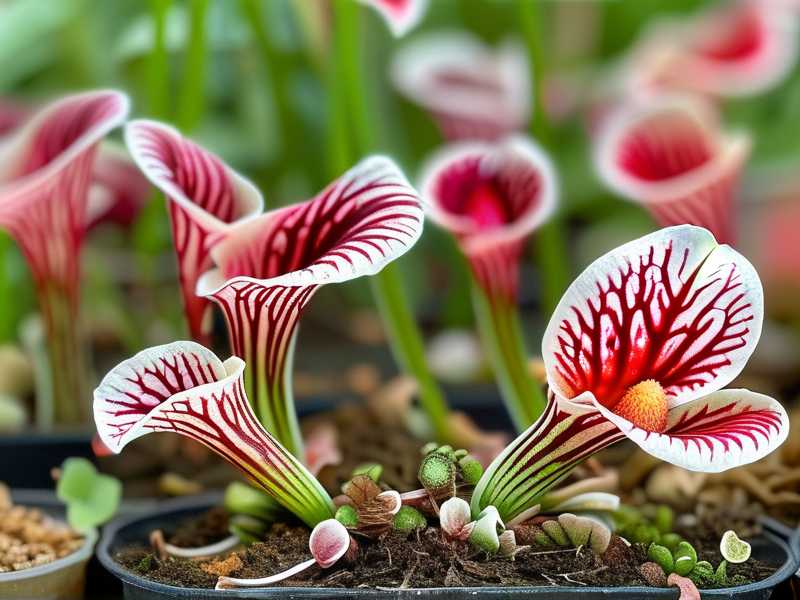
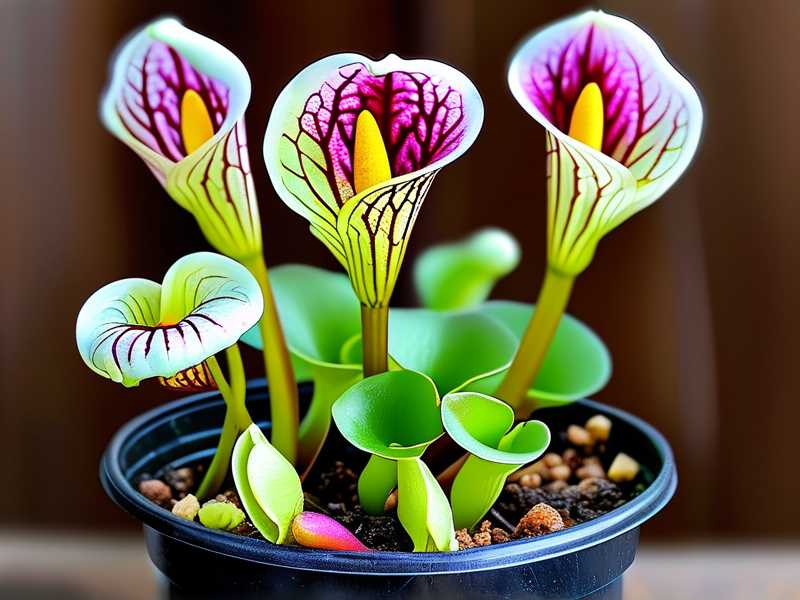
Before we dive into the tricks, let's understand what makes Sarracenia rosea special. Often sold as "Sarracenia purpurea subsp. venosa var. burkii" or simply the pink pitcher plant, this variety is renowned for its breathtaking, deep pink to red veined pitchers. Unlike the tall, trumpet-shaped species, its pitchers are low-growing and hooded, forming a beautiful rosette. According to the International Carnivorous Plant Society (ICPS), Sarracenia rosea is a distinct subspecies with specific habitat preferences, primarily found in the southeastern United States. Its stunning coloration is not just for show; it's a direct response to environmental factors, which is the key to our first trick.
Trick 1: Maximize Sunlight for Maximum Color
This is the non-negotiable rule. Your Sarracenia rosea will not turn that iconic pink without intense, direct sunlight. General advice says "full sun," but for rosea, I mean brutally bright, all-day sun.
My Two-Week Observation and Mistake: I placed two new Sarracenia rosea divisions side-by-side. One received about 6 hours of direct morning sun (my previous "full sun" standard). The other was placed in a spot with a solid 10+ hours of unfiltered, blazing afternoon sun. Within just 48 hours, I noticed a difference. The high-sun plant's new pitcher growth showed a faint pink blush. By the end of two weeks, the contrast was dramatic. The high-sun plant's pitchers were developing a deep, rosy hue with pronounced veining. The other plant remained mostly green with only slight pink tinges. The mistake I'd made for years was being too cautious, fearing the sun would "burn" them. Sarracenia rosea is a bog plant evolved for open, sunny wetlands.
The Fix: Aim for a minimum of 6 hours of direct, unobstructed sunlight, but 8-12 hours is ideal for the richest color. A south-facing location is perfect. Don't use a tinted or filtered window. If growing indoors, you will need a very powerful grow light (like a high-output LED or T5 fluorescent) placed just inches above the plant for 12-16 hours a day. Light intensity directly fuels both photosynthesis and anthocyanin production—the pigment responsible for that gorgeous pink.
Trick 2: Water with Absolute Purity
This is where most newcomers, including my past self, fail catastrophically. Sarracenia rosea, like all carnivorous plants, is adapted to nutrient-poor environments. Its roots are sensitive to minerals, chemicals, and dissolved solids found in tap water, bottled water, and even some filtered waters.
The Costly Pitfall I Experienced: I used "spring water" for months, thinking it was safe. My plants grew slowly and developed brown, crispy tips. I couldn't figure it out until I tested the water's Total Dissolved Solids (TDS) with a cheap meter. The spring water read over 100 ppm (parts per million). The expert consensus from organizations like the Carnivorous Plant Society (UK) and experienced horticulturists is clear: water for Sarracenia must be below 50 ppm, ideally under 20 ppm.
The Reliable Solution: Use only one of these three water sources:
- Rainwater: The best and free option. Collect it in a barrel.
- Distilled Water: Readily available at grocery stores.
- Reverse Osmosis (RO) Water: You can find fill-up stations at many stores.
I now keep a dedicated 5-gallon jug for RO water. My watering routine is simple: I always keep the plant's pot sitting in a saucer with 0.5 to 1 inch of pure water. This mimics the permanently moist bog conditions. Letting the pot dry out completely, even once, can cause severe stress.
Trick 3: Craft the Perfect Soil Mix
You cannot use potting soil, compost, or fertilizer. These will introduce nutrients and minerals that will burn the roots and kill the plant. The soil must be acidic, nutrient-free, and drain well while retaining moisture.
My Failed Experiment: Early on, I tried a mix heavy in peat moss with a little perlite. It stayed too soggy in the center, leading to rhizome rot. Another time, I used a bagged "carnivorous plant soil" that contained an unknown type of sand, which likely had a high mineral content.
The Proven, Simple Recipe: After consulting with experts on forums like TerraForums and following the American Horticultural Society's (AHS) guidelines for acid-loving bog plants, I landed on a foolproof mix:
- 50% Sphagnum Peat Moss: Provides acidity and moisture retention. Ensure it is unscented and has no added fertilizers.
- 30% Perlite: For crucial aeration and drainage.
- 20% Horticultural Sand or Silica Sand: The sand must be coarse, washed, and lime-free. Pool filter sand or blasting sand works well.
Mix these dry ingredients thoroughly, then wet them with your pure water until the mix is damp but not dripping. This blend creates an airy, acidic, and nutrient-free home that perfectly replicates the plant's natural substrate.
Trick 4: Master the Art of Dormancy
Sarracenia rosea is a temperate perennial. It requires a cold winter dormancy period to survive long-term. Skipping dormancy will exhaust the plant, leading to weak growth and eventual death after a few years.
How I Trigger and Manage Dormancy: In late autumn, as daylight shortens and temperatures drop, your plant will stop producing new pitchers. The existing pitchers may brown—this is normal. Here’s my process:
- Outdoor Plants: If you live in USDA zones 6-8 (it can tolerate brief dips to zone 5 with protection), you can leave it outside. I trim off all the dead pitchers in late fall to prevent mold. The plant will be exposed to natural frosts and cold.
- Indoor/Garage Method: For colder climates or indoor growers, you need to simulate winter. I move my potted plants to an unheated garage or cold frame where temperatures stay between 32°F (0°C) and 50°F (10°C) for 3-4 months. They still need some light (a dim window is fine) and the soil must be kept just slightly moist, not wet.
My two-week observation during dormancy transition showed that reducing watering frequency was critical. I went from keeping them in a water tray to simply watering the soil lightly every few weeks to prevent complete desiccation.
Trick 5: Feed with Care, Not Fertilizer
These plants get nutrients from insects, not their roots. You do not need to fertilize the soil. In fact, you must not. However, if grown indoors or in a very sheltered spot, they might catch fewer insects.
My Practical Feeding Method: I never force-feed my plants. During the active growing season (spring to summer), I may occasionally sprinkle a few dead or freeze-dried bloodworms (fish food) into a pitcher or two every 3-4 weeks. This is a trick borrowed from expert growers. A single insect per pitcher is plenty. Overfeeding can cause the pitcher to rot. The best "feeding" is providing enough sunlight and proper water to keep the plant strong so it can attract its own prey.
Common Questions from Fellow Growers
My Sarracenia rosea's pitchers are turning brown at the top. Is it dying? Not necessarily. Individual pitchers have a lifespan of one season. Browning at the top is normal aging. However, if all pitchers are browning quickly, check your water source first (most common cause), then assess sun exposure. Sudden browning is often a sign of mineral burn from impure water.
Can I grow Sarracenia rosea successfully indoors on a windowsill? It is challenging but possible with a very bright, south-facing window that receives direct sun for most of the day. East or west windows are rarely sufficient for strong pink coloration. You will get better, more consistent results with a dedicated grow light. Monitor for etiolation (stretched, weak growth), which is a sure sign it needs more light.
Do I need to repot my pink pitcher plant often? Sarracenia are not fast growers and don't mind being slightly pot-bound. I repot mine every 2-3 years in early spring, just as they exit dormancy. This refreshes the breaking-down soil mix and allows you to divide large clumps if desired. The key is to be gentle with the roots and use only the recommended soil mix.
Growing Sarracenia rosea is a deeply rewarding journey that connects you to a unique part of the natural world. Its stunning pink pitchers are a direct report card on your care. By providing the harshest sun, the purest water, the right soil, a necessary winter rest, and a hands-off approach to feeding, you transform from a worried caretaker into a confident cultivator. The process taught me patience and observation. Start with the sunlight and water—get those two elements locked in, and you’ve already won most of the battle. Then, sit back and watch as your own patch of bog produces its mesmerizing, pink-veined masterpieces season after season.