bluename
How to Care for Sarracenia in Apartments: 6 Indoor Gardening Tricks
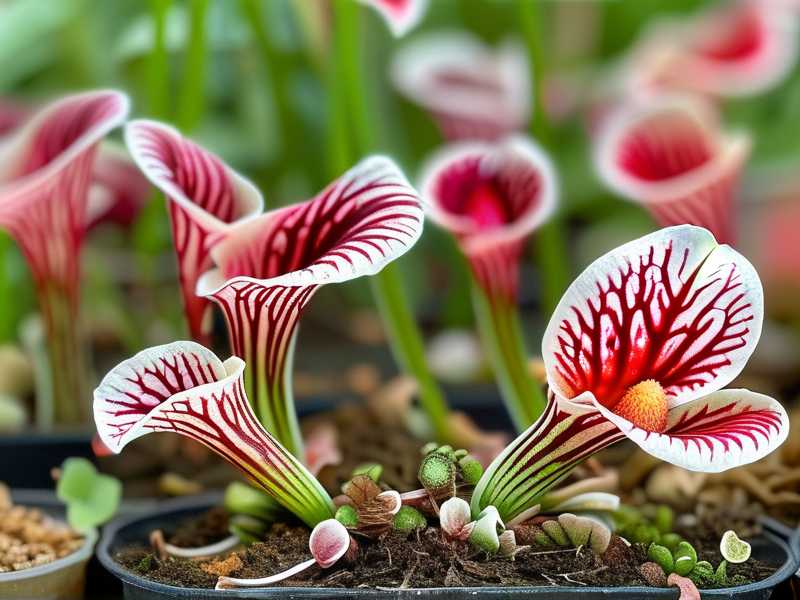
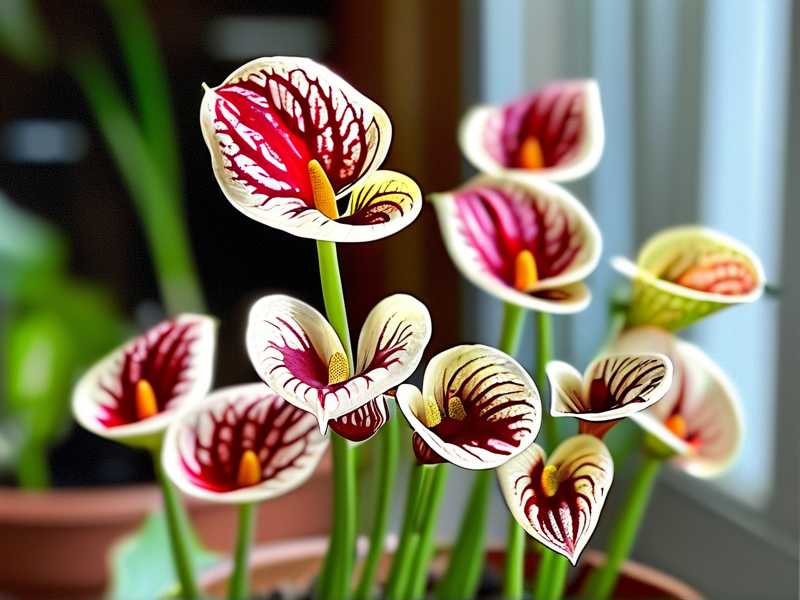
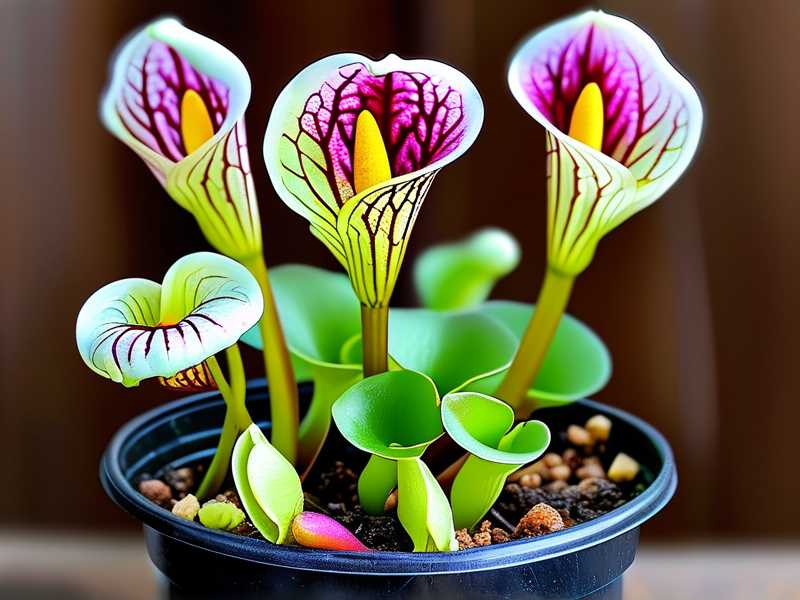
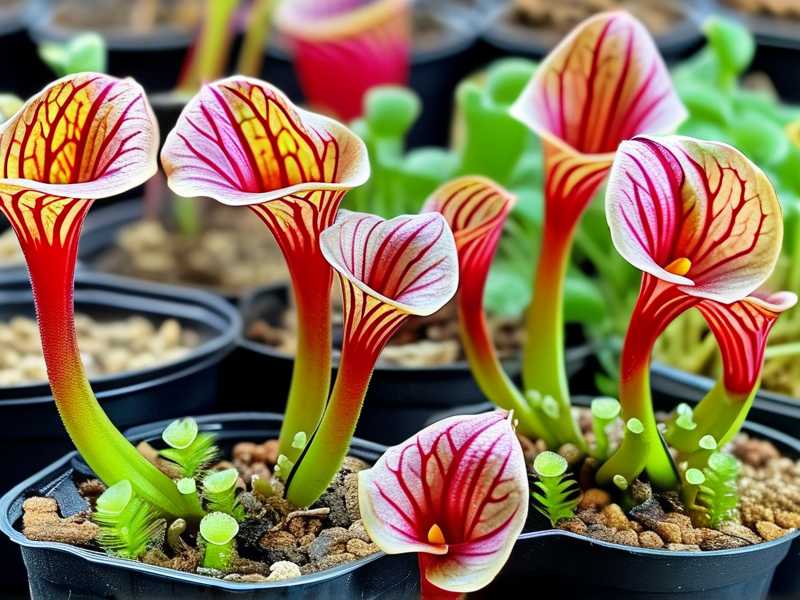
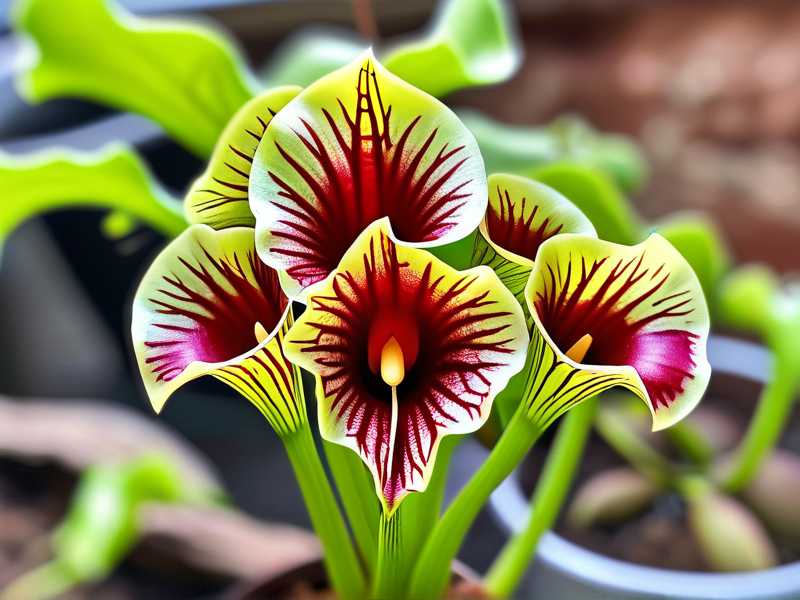
You love the idea of owning a carnivorous plant, something truly unique and fascinating. But you live in an apartment. You’ve heard Sarracenia, those elegant North American pitcher plants, need “full sun” and “dormancy,” requirements that seem impossible to meet indoors. I was in your exact shoes, convinced my urban dwelling doomed my dream. Spoiler alert: I was wrong. After two years of trial, error, and a particularly enlightening two-week experiment, I’ve successfully kept a Sarracenia purpurea and a Sarracenia flava thriving on my south-facing windowsill. It’s not just possible; it’s incredibly rewarding. Let me share the six indoor gardening tricks that made all the difference, born from my own hands-on experience.
The Core Challenge: Light is Everything
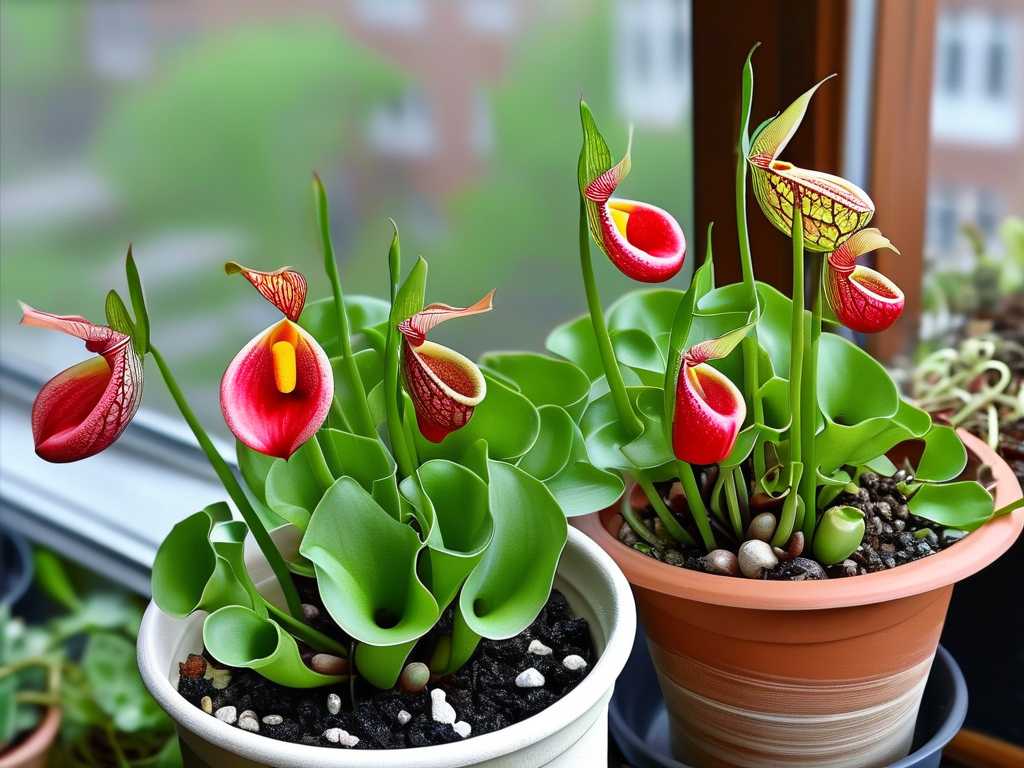
The single biggest mistake apartment gardeners make with Sarracenia is underestimating their light needs. “Bright indirect light” won’t cut it. These are bog plants that evolved in open, sunny wetlands. In my first attempt, I placed my new Sarracenia in a bright east-facing window. It survived but grew weak, elongated, and produced few, small pitchers. It was languishing.
The transformation began when I moved it to my only south-facing window. But even that wasn’t enough. I decided to conduct a controlled two-week observation. I used a simple light meter app (Lux Light Meter) to track the intensity. My south window received about 20,000 lux for 4-5 hours at midday—good, but not ideal. I introduced a supplemental full-spectrum LED grow light, positioning it 12 inches above the plant for 14 hours a day. The goal was to simulate a long, sunny day.
The change within those two weeks was startling. The existing pitchers developed richer, deeper red venation. A new pitcher that was just emerging at the start of the experiment grew noticeably faster and larger than its predecessors, with a sturdier structure. The plant’s overall color shifted from a pale green to a vigorous, healthy hue. This wasn’t just growth; it was the plant finally thriving. The Royal Horticultural Society (RHS) emphasizes that “maximum light is essential for good colour and pitcher development,” and my experiment proved it. The trick isn’t just a window; it’s often a window plus a strategic boost.
Trick 1: Mastering the Artificial Sun – Your Grow Light Setup
Based on my observation, I solidified my lighting strategy, which is now my non-negotiable rule #1.
- Choose the Right Light: A full-spectrum LED panel is perfect for apartments. It’s cool, energy-efficient, and provides the complete light spectrum. I use a relatively inexpensive 20W panel.
- Positioning is Key: Hang or mount the light 10-12 inches above the top of the tallest pitcher. Too close can cause bleaching or burn; too far is ineffective.
- Timing is Crucial: I use a smart plug to automate the schedule. My lights turn on at 6 AM and off at 8 PM, providing a 14-hour photoperiod. This consistent, long “day” tells the plant it’s in its prime growing season.
This setup solved my low-light apartment problem completely. It’s the foundation upon which every other trick depends.
Trick 2: The Watering Ritual – Forget the Watering Can
Sarracenia are bog plants. Their roots are adapted to constant moisture but in oxygen-rich, mineral-free water. Tap water, with its dissolved salts and minerals, is a slow poison. I learned this the hard way when the tips of my first plant’s pitchers began browning rapidly. I was using filtered tap water, assuming it was safe. It wasn’t.
The solution is simple but absolute: use only rainwater, distilled water, or reverse osmosis water. I now keep a dedicated jug of distilled water from the grocery store. My watering method is the “tray method.”
- I place the pot (always with drainage holes) in a deep saucer or tray.
- I fill the tray with about 1 inch of distilled water.
- I let the plant drink it up over a few days. The key is to never let the tray go completely dry for more than a day, and never let the pot sit in soggy, waterlogged soil for weeks. I refill the tray when it’s nearly empty. This mimics the natural seepage of a bog and keeps the root zone perfectly humid. The American Sarracenia Conservancy (ASC) strongly advocates for this method, stating it “most closely replicates natural conditions.”
Trick 3: Soil and Potting – Creating a Miniature Bog
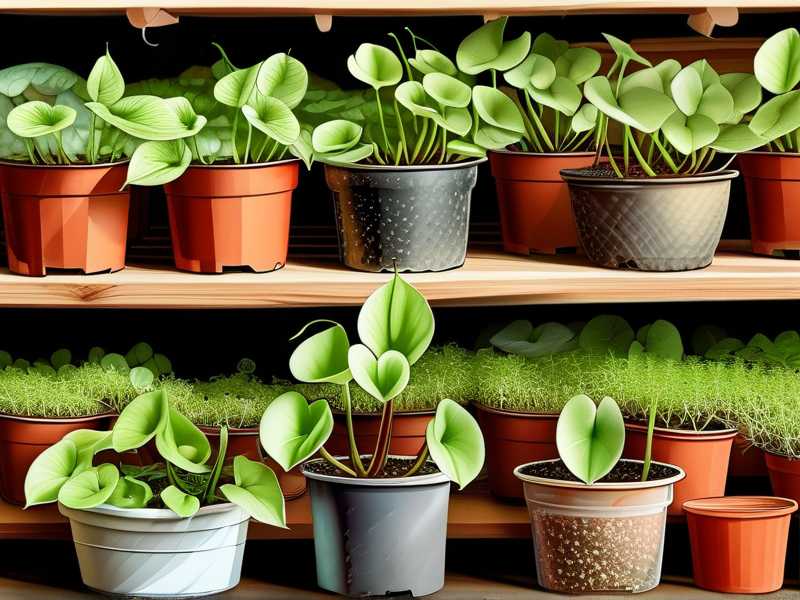
Regular potting soil will kill your Sarracenia. It’s too rich and retains too many harmful minerals. They require a sterile, low-nutrient, acidic medium. My mix, which has never failed me, is a simple 50/50 blend of sphagnum peat moss and horticultural perlite.
- The Mix: I moisten the peat moss with distilled water before mixing to make it workable. The perlite ensures crucial aeration and drainage, preventing root rot.
- The Pot: Plastic or glazed ceramic pots are best, as they retain moisture. Terracotta dries out too quickly and can leach minerals. Ensure it has ample drainage holes.
- Repotting: I repot in early spring, just as new growth emerges, typically every 2-3 years. Gently rinse the old medium from the roots with distilled water before placing it in the new pot.
This inert medium forces the plant to rely on its pitchers for nutrition, which is exactly what we want.
Trick 4: Feeding Your Carnivore – No, You Don’t Need to Feed It Steak
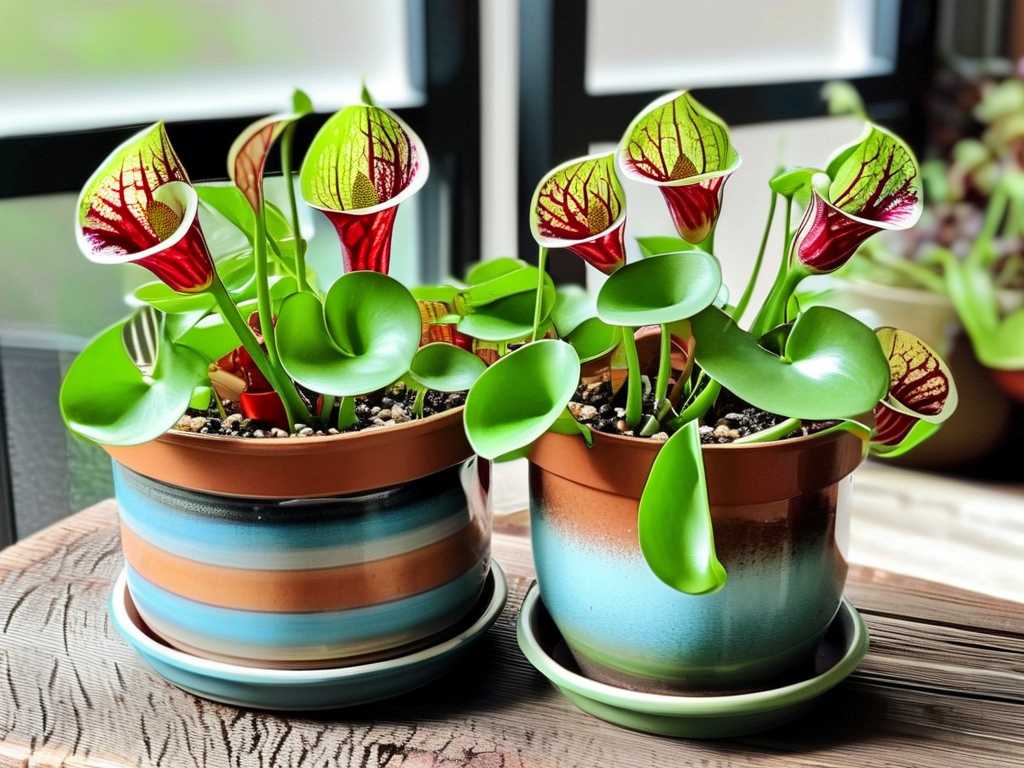
A major “aha!” moment for me was realizing that a healthy indoor Sarracenia largely feeds itself. If you provide sufficient light, it will produce nectar and scent to attract its own prey—primarily fungus gnats, which are common in indoor plant settings. My plant became a natural pest control agent!
However, if your apartment is exceptionally sealed and bug-free, you can offer an occasional supplement. Do not use fertilizer or chunks of meat. This will rot and kill the pitcher.
- The Safe Method: Once every 3-4 weeks during active growth, I might drop 1-2 dried bloodworms (sold as fish food) or a single small live fly into one or two of its largest pitchers. That’s it. The plant’s digestive enzymes do the rest. Overfeeding is a common pitfall; these plants are adapted to scarce nutrients.
Trick 5: Conquering the Dormancy Dilemma
This is the step that frightens most apartment dwellers. Sarracenia require a winter dormancy period (3-4 months of cold rest) to survive long-term. Without it, they exhaust themselves and die. I tried the “cool windowsill” method one year, but my apartment stayed too warm (above 60°F/15°C).
My successful solution is the “cool dormancy” method:
- In late autumn, when growth slows, I stop feeding the plant and reduce its photoperiod from 14 to 8-10 hours of light.
- I then move the entire pot to a spare refrigerator dedicated to this purpose (not the one with food!). I place the pot in a sealed plastic bag with a few air holes to retain humidity but prevent it from drying out completely.
- The temperature stays a consistent 35-45°F (2-7°C). It’s dark and cold—perfect dormancy conditions.
- I check the moisture level of the medium once a month, adding a tiny bit of distilled water if it feels bone-dry.
- After 3-4 months (around late February), I bring it back to the warm windowsill, resume the long light cycle, and watch as it explodes with vibrant new growth. This period of rest is non-optional for sustained health, a point heavily stressed by both the RHS and ASC.
Trick 6: Humidity and Airflow – Finding the Balance
While Sarracenia appreciate humidity, good airflow is more critical indoors to prevent fungal issues like mold. My apartment air is dry, especially in winter. I initially used a humidifier, but it caused condensation on nearby surfaces.
My balanced approach:
- I group my Sarracenia with a few other humidity-loving plants. This creates a beneficial microclimate.
- I run a small, oscillating fan in the room on a low setting for a few hours a day. This simulates a gentle breeze, strengthens the pitchers, and drastically reduces the risk of pests and mildew.
- I avoid misting the pitchers directly, as standing water droplets can sometimes cause spotting in intense light.
I live in a basement apartment with very little natural light. Can I still grow Sarracenia? Absolutely, but you will be entirely reliant on artificial light. A high-quality full-spectrum LED grow light will need to serve as the plant’s primary sun source. Follow the 14-hour photoperiod guideline strictly, and ensure the light is strong enough (a stronger panel than mine may be necessary). The plant can thrive under lights alone.
My Sarracenia’s pitchers are turning brown at the top. What am I doing wrong? Don’t panic! Individual pitchers have a lifespan of about a year before they naturally die back from the top down. However, if multiple new pitchers are browning quickly, it’s a sign of stress. The top three culprits are: 1) Using mineral-rich water (switch to distilled/rainwater immediately), 2) Humidity is too low combined with intense heat (improve airflow and microclimate), or 3) A sudden change in conditions (try to keep its environment stable).
Is it safe to have a carnivorous plant around pets or children? Sarracenia are completely non-toxic. Their enzymes are only harmful to insects. However, the pitchers are delicate and can be damaged, so it’s best to place your plant in a spot where curious pets or little hands can’t easily reach it. The plant is far more in danger from them than they are from it.
Growing Sarracenia in an apartment is a delightful exercise in precision and observation. It teaches you to pay attention to the fundamentals of light, water, and seasonal rhythm. By leveraging modern grow lights, respecting their need for pure water and a winter chill, and learning from their responses, you can turn a sun-drenched bog fantasy into a thriving reality on your windowsill. The journey, complete with its initial stumbles and subsequent triumphs, is what makes the sight of a robust, insect-trapping pitcher unfurling in your living room all the more satisfying. Start with the light, and the rest will follow.