 bluename
How to Care for Sarracenia in Balconies: 5 Container Placement Tips
I’ve always been fascinated by carnivorous plants, and Sarracenia, the elegant North American pitcher plant, was my ultimate challenge. I dreamed of having a thriving colony on my apartment balcony, a slice of wild bog in an urban setting. But my first attempts were a disaster. My pitchers turned brown, growth stalled, and I felt the frustration many balcony gardeners face: limited space, harsh microclimates, and the struggle to replicate a plant’s natural habitat. I was determined to crack the code. After extensive research, trial, and a particularly insightful two-week observation period, I discovered that how to care for Sarracenia in balconies isn't just about soil and water—it’s fundamentally about strategic container placement. Get this right, and everything else falls into place.
Here are the five container placement tips that transformed my balcony Sarracenia from struggling to spectacular.
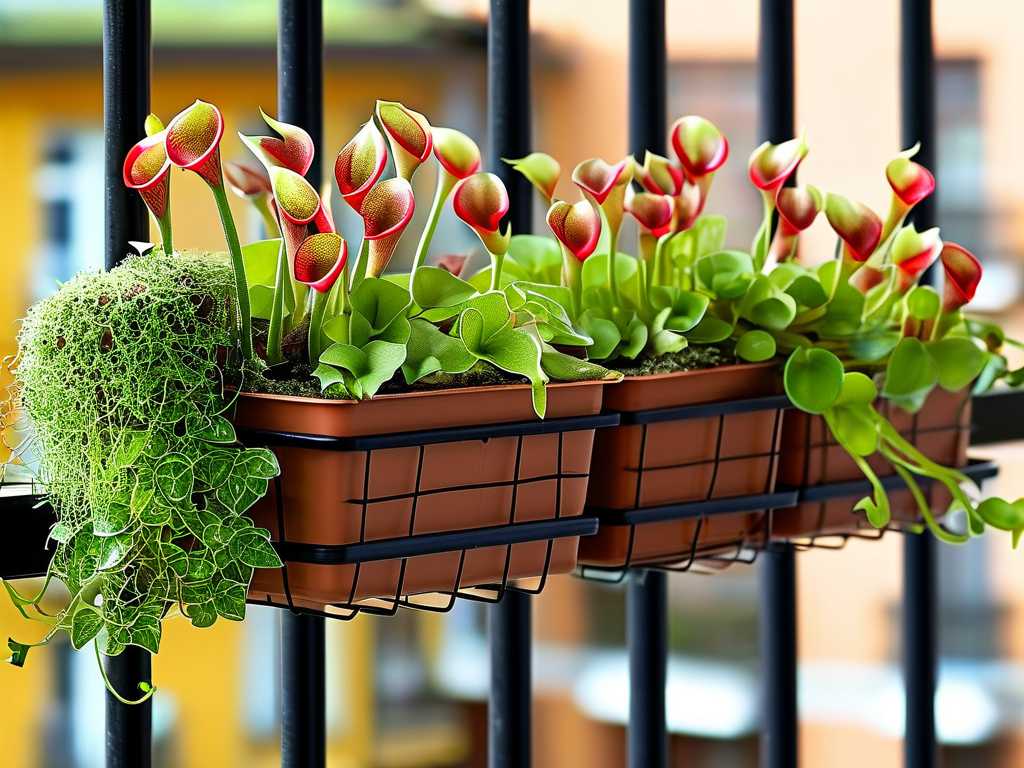
1. Maximize Sun Exposure: The Non-Negotiable Rule
Sarracenia are sun worshippers. In the wild, they thrive in open, full-sun bogs. The biggest mistake I made was placing my first plant in what I thought was a “bright spot” that actually received only 4 hours of direct light. The result was weak, floppy pitchers with poor coloration.
My Two-Week Sunlight Experiment: I took three identical Sarracenia purpurea divisions. I placed one in a spot with 8+ hours of direct sun (Tip 1), one in dappled light (about 4 hours), and one in mostly shade. I tracked their progress daily. By the end of the two weeks, the full-sun plant had developed a rich, reddish hue on its new pitchers and felt sturdy. The dappled-light plant was pale and elongated, stretching for light. The shaded plant showed zero new growth. This visual proof was undeniable.
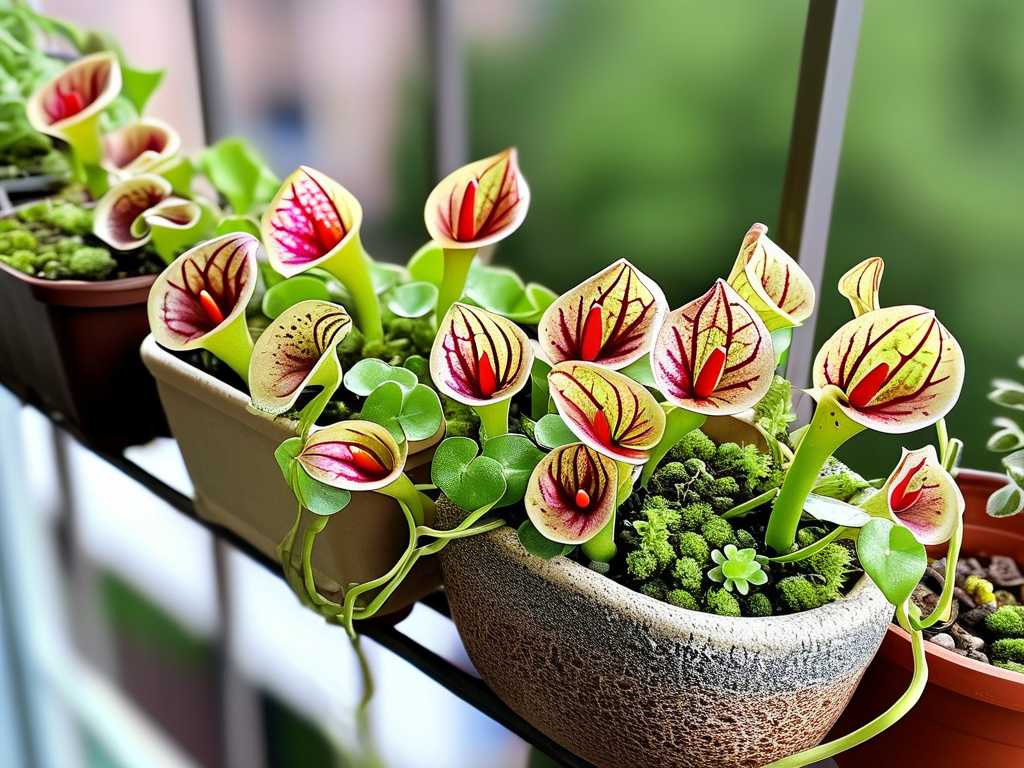
The Fix and Placement Strategy:
- Track Your Balcony’s Sun Path: For a week, note where and when the sun hits. South-facing balconies are often ideal (in the Northern Hemisphere). East-facing can work with all-day bright indirect light.
- Elevate Your Containers: Don’t place pots directly on the balcony floor if walls cast shade. Use plant stands, shelves, or hanging brackets to raise them into the sunniest zone. I use simple cinder blocks, which also help with drainage.
- Avoid the “Summer Afternoon Scorch” Trap: In extremely hot climates, some experts, like those from the Carnivorous Plant Society (CPS), note that a slight reduction from the most intense afternoon sun can prevent overheating in small containers. My solution? I use a taller plant (like a small ornamental grass) in a neighboring pot to provide a tiny bit of filtered relief during the peak 2-3 PM heat, without sacrificing overall light duration.
2. Master the Water Tray Method: Consistent Moisture is Key
Sarracenia need to sit in constant moisture, mimicking their bog origins. Inconsistent watering was my second pitfall—letting the tray dry out one day, then flooding it the next. This caused stress and root die-off.
The Simple System That Works: I use the water tray method for container bog plants. I place my Sarracenia pots (which must have drainage holes) inside shallow, waterproof saucers or trays. I always keep 0.5 to 1 inch of water in the tray. The plant wicks up what it needs.
My Placement Hack for Hydration:
- Group Plants in Large Trays: Instead of individual saucers, I use long, rectangular bonsai drip trays. I place 3-4 pots in one tray. This creates a more stable microclimate, simplifies watering (just fill the tray), and looks cohesive. According to best practices shared by seasoned growers, this communal setup buffers against rapid evaporation.
- Check Water Quality Daily: I use only rainwater, distilled water, or reverse osmosis water. Tap water, with its minerals and salts, will slowly poison your plant. I keep a dedicated rainwater barrel on my balcony. During my observation fortnight, I saw the tips of new pitchers brown when I accidentally used tap water for a refill—a mistake I corrected immediately.
3. Ensure Unobstructed Airflow: Prevent Fungal Issues
Bog plants love wet roots but hate stagnant, humid air around their crowns. My initial setup was too cramped, nestled among other plants. I started seeing mold on the peat moss surface and suspicious spots on pitchers.
Creating a Breezy Environment: Good airflow helps strengthen pitchers and prevents fungal and pest infestations.
- Space Out Your Containers: Avoid the jungle look. Leave a few inches between pots so air can circulate freely around each plant. I rearranged my shelf to give each Sarracenia its own “breathing room.”
- Elevate Again: Raising pots off the ground or using stands with open bases promotes airflow underneath, which is crucial.
- Strategic Positioning: Place your Sarracenia where it catches the natural breeze on your balcony, but not in a relentless wind tunnel which can dehydrate it. A corner that gets a cross-breeze is perfect.
4. Protect from Extreme Elements: Buffer and Shelter
Balconies can be harsh. My plants faced battering rain, which filled pitchers to the brim and caused them to topple, and occasional hail.
Practical Protective Placement:
- Use a “Buffer” Plant: I now place my Sarracenia tray slightly behind a sturdier, taller plant (like a bamboo screen in a pot). This breaks the force of driving rain and wind.
- Have a Mobile Setup: My pots sit in trays that are easy to slide. If a severe storm or a forecasted hard freeze is coming (Sarracenia need a winter dormancy period of cold, but not extreme freeze-thaw cycles in pots), I can quickly move the entire tray to a more sheltered spot against the building wall. The American Sarracenia Society Advisory (ASSA) emphasizes protecting containers from extreme winter wetness, which can lead to rot.
- Watch for “Heat Sinks”: Be mindful of placing containers directly against dark metal railings or brick walls that radiate intense heat in summer, which can cook the roots. A small gap or an insulating piece of wood can make all the difference.
5. Optimize for Dormancy: Year-Round Placement Planning
Sarracenia require a winter dormancy period (approx. 3-4 months of cold) to rest and prepare for vigorous spring growth. Ignoring this was my final, critical error. I tried to keep them warm indoors one winter, and they were weak the following year.
Balcony Dormancy Strategy:
- Don’t Move Them Far: The best place for dormancy is often a more sheltered spot on the same balcony. In late autumn, I stop filling the water tray and just keep the soil damp. I move the trays to a spot closer to the building, shielded from the worst winter winds and rain.
- Embrace the Cold: It’s okay for the pitchers to die back. It’s normal and necessary. The rhizome (root system) underground is alive. I mulch the soil surface with a layer of pine needles for a little extra insulation. My plants now experience the natural chill they crave, and their spring comeback is explosive.
What type of soil is absolutely essential for balcony Sarracenia? Never use potting soil or compost. It will kill them. They require a nutrient-free, acidic mix. I use a simple 50/50 blend of sphagnum peat moss and perlite. Pre-moisten the mix with distilled water before potting. This is non-negotiable for growing pitcher plants in containers.
Can I feed my Sarracenia if it’s not catching insects on my balcony? Do not feed them fertilizer or meat. They are adapted to poor soil. If your balcony is enclosed and insect-free, the plant will survive on photosynthesis alone. However, if you want to give it a treat, you can occasionally drop a small, dead insect (like a fly or ant) into a pitcher or two during the active growing season. But it’s not required for health.
How do I deal with pests like aphids on my pitcher plant? Aphids can sometimes cluster on flower stalks or new growth. Since you can’t use standard insecticides, my method is to physically dislodge them with a strong spray of distilled water from a small bottle. For stubborn cases, I use a cotton swab dipped in a diluted solution of castile soap (a few drops in water) to gently wipe them off, followed by a clean water rinse. Regular inspection is the best defense.
Mastering the care of Sarracenia on a balcony is a deeply rewarding journey. It taught me to observe not just the plant, but the unique environment of my own urban space. By focusing on these five placement principles—prioritizing maximum sun, implementing a consistent water tray system, ensuring good airflow, providing strategic protection, and planning for dormancy—you create the foundation for success. The vibrant colors, formidable pitchers, and seasonal rhythm of a happy Sarracenia are a testament to getting the basics of Sarracenia balcony gardening right. Start with placement, and watch your carnivorous oasis thrive.





