 bluename
How to Care for Common Sarracenia varieties: 4 Popular Plant Tricks That Actually Work
I remember the day my first Sarracenia pitcher plant arrived. It was a stunning Sarracenia purpurea, its burgundy pitchers looking full of promise. Within two weeks, those vibrant pitchers were browning at the tips, and a sense of failure settled in. I was making the classic mistake: treating it like my other houseplants. If you’ve ever felt the frustration of watching a carnivorous plant decline despite your best efforts, you’re not alone. The secret isn’t just love; it’s understanding their unique, bog-born language. After years of trial, error, and dedicated observation, I’ve distilled my experience into four fundamental tricks that transformed my collection from struggling survivors into thriving spectacles. Let’s dive into the real-world, practical care for common Sarracenia varieties.
Understanding Your Sarracenia’s Non-Negotiables
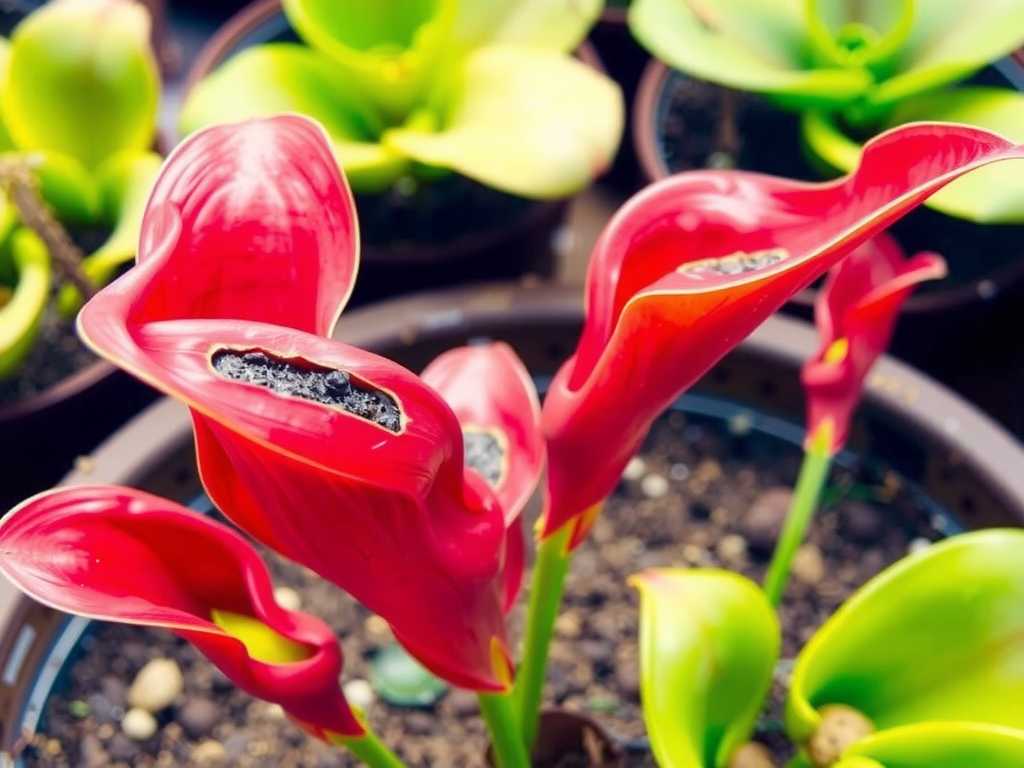
Before we get to the tricks, you must grasp what makes these plants tick. Sarracenia are not just plants with an odd diet; they are ecological specialists. In the wild, they grow in nutrient-poor, waterlogged, and sunny bogs. Replicating these conditions is not a suggestion—it’s a requirement for long-term health. The American Sarracenia Society (ASS) and experts like those at the Royal Horticultural Society (RHS) consistently stress these three pillars: pure water, maximum light, and a proper dormancy period. Ignoring any one of these is the fastest route to a failing plant.
Trick #1: The Watering Ritual – It’s Not Just H2O
My biggest initial error was using tap water. I didn’t see immediate drama, but over two weeks, I observed a slow, general decline—luster fading, new growth stunted. The dissolved minerals (salts) in tap water were slowly poisoning the roots. The fix was immediate and non-negotiable.
- The Right Water: You must use water with less than 50 parts per million (ppm) of dissolved solids. This means rainwater, distilled water, or reverse osmosis (RO) water. I invested in a simple under-sink RO system, and it’s been a game-changer.
- The Right Method – The Tray System: Here’s the popular plant trick that seems counterintuitive but is essential: always stand your pot in a saucer or tray of this pure water. I maintain a consistent 1-2 inches of water in the tray during the growing season (spring to fall). The pot soaks it up from the bottom, mimicking the permanently moist bog soil.
- My 2-Week Observation & The Pitfall: After switching to RO water and implementing the tray system, I monitored a recovering Sarracenia flava for two weeks. The existing pitchers stopped browning further. While no dramatic new growth appeared in this short time (these aren’t fast-growing plants!), the plant’s overall posture improved. It looked less stressed. The pitfall? In hotter weather, the tray can evaporate quickly. I learned to check the water level every other day, not just weekly. Letting the tray dry out completely, even for a day, causes significant root stress.
Trick #2: Sun Worship – Maximizing Light for Maximum Color
I used to think my south-facing window was enough. It wasn’t. Sarracenia are full-sun, outdoor plants in most climates. The difference between “bright light” and “direct sun” is the difference between survival and spectacular coloration.
- The Goal: A minimum of 6 hours of direct sunlight. More is better. For vibrant, deeply colored pitchers in varieties like Sarracenia ‘Judith Hindle’ or Sarracenia leucophylla, you need that intense light.
- My Experiment: I moved a greenish Sarracenia purpurea from a bright indoor spot to a full-sun patio location. The change was monitored over a critical two-week period. By day 10, a noticeable red blush began to develop on the new pitcher forming. The existing pitchers felt tougher, more robust. This wasn’t just about color; it was about the plant synthesizing the energy it needed to produce its complex digestive enzymes and grow.
- The Pitfall & Solution: The pitfall is sunburn. If your plant has been indoors or in a greenhouse, don’t throw it into all-day summer sun immediately. I learned this the hard way, resulting in bleached, scorched patches. The solution is acclimation. Start with 2-3 hours of morning sun for a week, then gradually increase exposure over the next 7-10 days. This patience prevents shock and allows the plant to build up protective pigments.
Trick #3: The Dormancy Deception – Why Your Plant Needs a Winter Nap
This is the trick most overlooked by new growers. Sarracenia are temperate perennials. They require a cold, dormant period to rest and reset their biological clock. Skipping dormancy will exhaust and eventually kill the plant.
- The Process: In late autumn, as daylight shortens and temperatures drop, your plant will stop producing new pitchers. Some may brown. This is normal. It’s preparing for sleep.
- My Method & 2-Week Winter Check: I provide dormancy by moving my potted plants to an unheated garage where temperatures stay between 32°F (0°C) and 50°F (10°C). Light is not important during this phase. The key is cold but not freezing solid. During a two-week check in mid-January, the plants looked dead—all pitchers were brown and crispy. But I knew to look at the rhizome (the underground stem). It was still firm and healthy. This “dead” appearance is the ultimate deception; inside, the plant is gathering strength for spring.
- The Pitfall: The main danger is rot from being too wet and cold. My solution is to reduce, but not eliminate, the water in the tray. I keep the soil just barely moist, not soggy. I also clear away all dead pitcher material in late winter to prevent mold.
Trick #4: Feeding vs. Fertilizing – The Carnivorous Balance
You don’t “feed” a Sarracenia like you feed a pet. Its pitchers are the trap. The biggest mistake is applying traditional fertilizer to the soil, which will burn the roots and kill the plant.
- The Natural Way: If your plant is outdoors, it will catch its own prey—flies, gnats, ants. A healthy, sun-drenched pitcher is a deadly efficient trap. Each pitcher can only digest a few insects before it naturally senesces.
- The Indoor/Supplemental Feeding Trick: For indoor plants or to boost growth, you can feed your pitcher plant carefully. I use freeze-dried bloodworms (sold for fish food) rehydrated with a drop of water. Once every 3-4 weeks during active growth, I drop a tiny pinch (about 1/4 the size of a pea) into one or two open, healthy pitchers.
- Observation & The “Overfeeding” Pitfall: I tried this on a vigorous Sarracenia and watched for two weeks. The fed pitcher remained plump and stayed vibrant longer than its unfed neighbors. However, the pitfall is overfeeding. I once put too large a piece of insect into a pitcher. It rotted, turning the pitcher black and mushy, and I had to cut it off to prevent mold. The lesson: tiny amounts, infrequently. Think “supplement,” not “meal.”
Bringing It All Together: A Seasonal Care Schedule
- Spring (Awakening): As temperatures rise above 50°F (10°C) consistently, bring plants back into full sun. Resume the constant tray watering method with pure water. Watch for stunning flower blooms first, followed by new pitchers.
- Summer (Peak Growth): This is their time. Ensure water trays are always full. Enjoy the insect-catching spectacle. You may feed sparingly if desired.
- Fall (Slow Down): Growth slows. Reduce watering slightly as temperatures drop. Let the plant experience the cooler nights to trigger dormancy.
- Winter (Dormancy): Provide the cold period (3-4 months). Reduce water, remove dead growth, and leave them to rest.
Common Questions from Fellow Growers
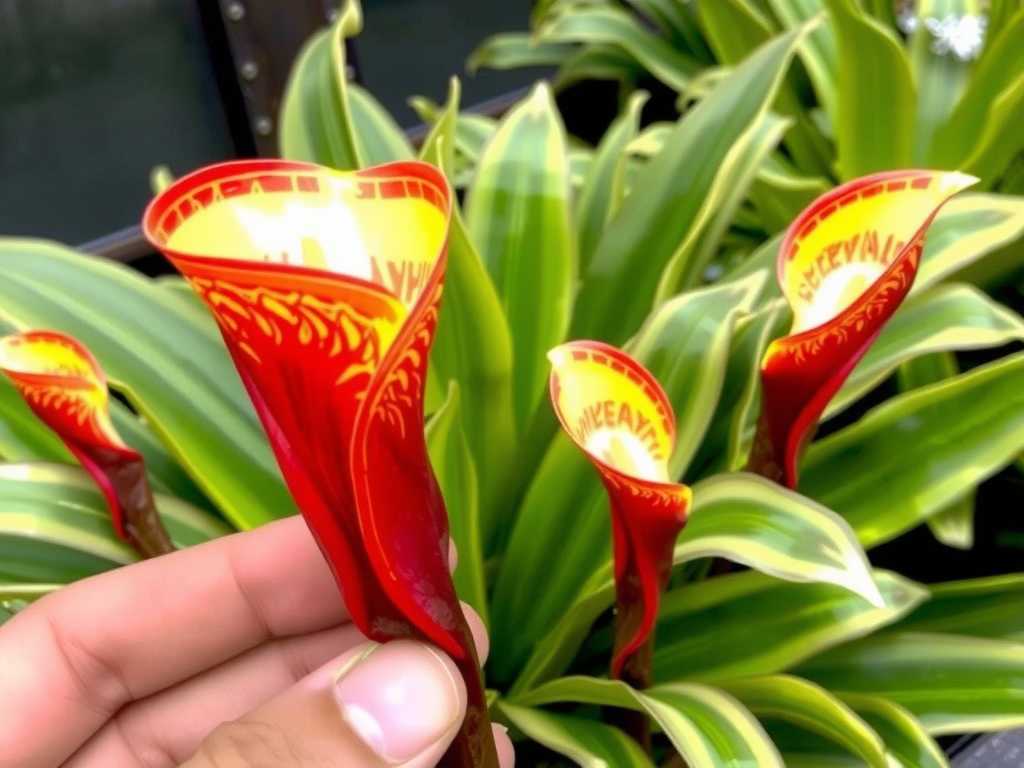
Can I grow Sarracenia indoors successfully? Yes, but it is challenging and requires exceptional light. A very bright, unobstructed south-facing window might suffice for some varieties like S. purpurea, but most will not achieve their full color or size. Strong, full-spectrum LED grow lights for 12-14 hours a day can work, but outdoors is always best for these sun-loving plants.
Why are the pitchers on my Sarracenia turning brown and dying? A single pitcher browning from the top down over several weeks is a normal part of its life cycle. However, if many pitchers are browning quickly, it’s a stress signal. Diagnose the issue: Are you using pure water? Is the tray drying out? Is it getting enough direct sun? Did you recently change its location? Address the core needs first.
Do I need to repot my Sarracenia, and what soil do I use? Repot every 2-3 years in early spring as the rhizome grows. Never use potting soil or compost. Use a mix specifically for carnivorous plants: a 1:1 ratio of sphagnum peat moss and perlite or horticultural sand. Rinse the media with pure water before use. Ensure the pot has drainage holes and is non-terracotta (which can leach minerals).
Caring for common Sarracenia varieties is a deeply rewarding practice that connects you to a unique part of the natural world. It’s a shift from a nurturing, fertilizer-driven mindset to one of providing a specific, pristine habitat. By mastering these four tricks—pure water in a tray, fearless sun exposure, respecting dormancy, and understanding their unique “diet”—you move from a worried plant owner to a confident habitat curator. The results are not just surviving plants, but a breathtaking display of natural engineering and beauty right in your own space. Start with the water, commit to the light, and enjoy the journey.





