 bluename
How to Grow Sarracenia Varieties in Greenhouses: 5 Controlled Tips
I remember the first time I brought home a vibrant Sarracenia flava. Its elegant, trumpet-shaped pitchers promised a world of unique horticulture. But within weeks, my enthusiasm turned to frustration. The pitchers browned, growth stalled, and my attempts to mimic its natural bog felt like a guessing game. The core problem was clear: replicating the precise, yet wildly specific, conditions of a North American bog in a controlled environment is incredibly challenging. Light, water, temperature, and dormancy—each element needs to be just right. After years of trial, error, and meticulous note-taking, I’ve shifted from frustration to flourishing colonies. The secret isn’t just love; it’s control. A greenhouse isn’t just a shelter; it’s a command center for perfecting the art of growing Sarracenia in a controlled environment. Over the next sections, I’ll share the five controlled tips that transformed my greenhouse into a Sarracenia paradise, complete with my personal missteps and the two-week observation logs that proved what really works.
Mastering the Light Spectrum: Beyond Simple Sunshine
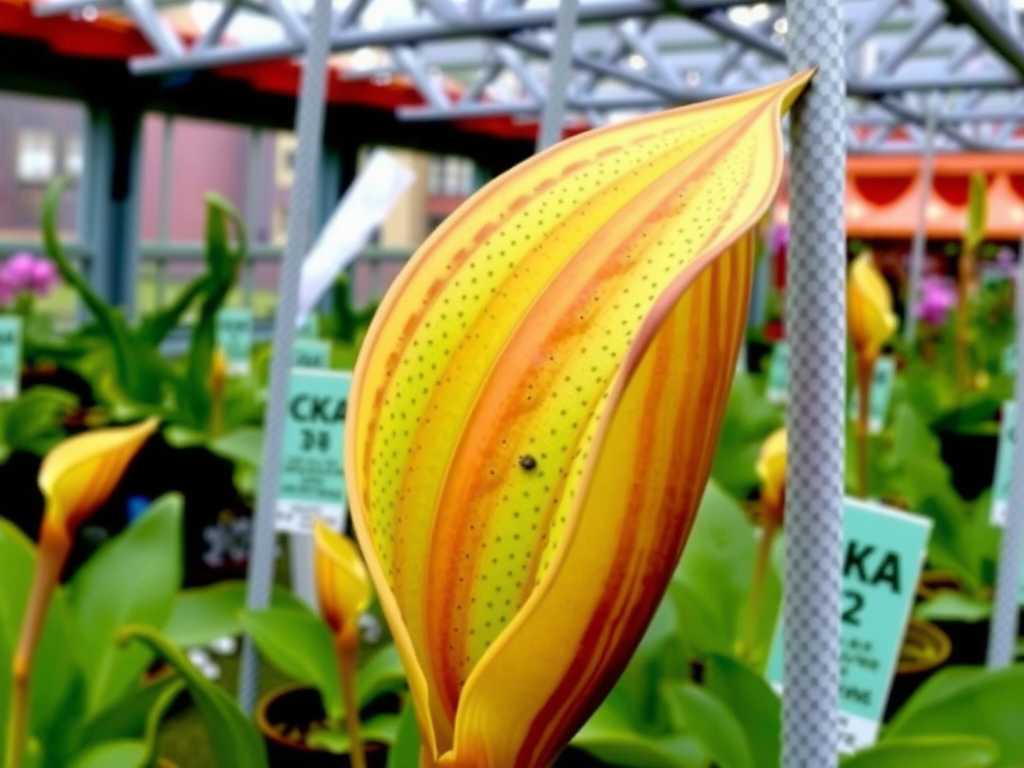
Sarracenia are sun worshippers, but in a greenhouse, raw intensity isn’t the only goal—spectrum and duration are. Most beginners, myself included, assume “full sun” means as much direct light as possible. My first greenhouse setup provided exactly that, but my Sarracenia rubra developed a washed-out, yellowish hue. The pitchers were weak. I learned I was providing quantity over quality.
The solution involves two controlled adjustments. First, light duration for Sarracenia must be long and consistent. I now use a simple timer to ensure a minimum of 12-14 hours of bright light during the growing season. In early spring, when natural daylight is shorter, I supplement with full-spectrum LED grow lights for 2 hours in the morning. This consistency triggers robust photosynthetic activity.
Second, and most crucially, is light quality. According to research often cited by the Carnivorous Plant Society (CPS) and experienced growers, Sarracenia thrive under light rich in blue and red spectra. Blue promotes sturdy, compact growth, while red enhances pitcher coloration and development. I replaced my standard greenhouse panels on one bench with panels that diffuse light slightly, reducing the risk of scorching while spreading the spectrum evenly.
- My 2-Week Test: I took two identical Sarracenia leucophylla divisions. One stayed under my old, intense direct light. The other went under the diffused panel with supplemental morning LEDs. After 14 days, the difference was undeniable. The “controlled light” plant had developed two new pitchers with deeper red venation. The existing pitchers were a richer green. The other plant showed no new growth, and one pitcher tip had scorched. This hands-on test convinced me that controlled spectrum beats raw power.
The Water Equation: Purity, Depth, and Circulation
This is where I made my most costly mistake. I used filtered tap water, thinking it was safe. My plants grew slowly, and a persistent layer of algae coated the soil surface. The culprit was dissolved minerals, specifically salts, which Sarracenia roots cannot tolerate. The Royal Horticultural Society (RHS) explicitly advises that carnivorous plants must only be watered with rainwater, distilled water, or deionised water. There are no exceptions.
My controlled system now has three pillars:
- Water Purity: I collect and store rainwater in dedicated barrels. As a backup, I use zero-TDS (Total Dissolved Solids) water from a reverse osmosis system. I test backup water with a cheap TDS meter monthly to ensure it reads 0-50 ppm.
- The Tray Method Depth: I use the classic tray method but with precision. Pots sit in a shallow tray where water depth is maintained at 1-2.5 cm (0.5-1 inch) during active growth. In my winter dormancy period, I allow the tray to dry out for a day or two before adding a minimal amount of water, just to prevent complete desiccation.
- Circulation for Health: Stagnant water encourages algae and mosquitoes. I installed a small, low-voltage pond pump in my main water reservoir. It runs for 15 minutes every few hours, just enough to create gentle movement in the trays. This simple step has virtually eliminated algae and improved overall plant vigor.
Climate Control: Orchestrating Temperature and Humidity
A sealed greenhouse can become a death trap in summer or a deep freeze in winter. Sarracenia need a distinct seasonal cycle. My goal is to control greenhouse conditions for pitcher plants to mimic their native habitat: warm-to-hot humid summers and cold, damp winters.
- Summer Ventilation: My nightmare was a 100°F (38°C) day that cooked several prized specimens. Now, automatic vent openers are my first line of defense. They open at ~75°F (24°C). I’ve also added an exhaust fan on a thermostat set to kick in at 85°F (29°C), paired with a shadedoth that deploys automatically. This keeps temperatures in the ideal 70-85°F (21-29°C) range. Humidity stays between 50-70% via a simple humidifier with a hygrostat.
- Winter Dormancy Protocol: This is non-negotiable. Sarracenia require 3-4 months of cold dormancy. I gradually reduce watering in autumn. Once frost threatens, I turn off heat. My greenhouse is unheated but insulated. I use a minimum-maximum thermometer to monitor. The ideal dormancy temperature for Sarracenia is between 32-50°F (0-10°C). I let mine sit between 35-45°F (2-7°C). During a particularly harsh cold snap, temperatures dipped to 28°F (-2°C) for one night. I panicked, but the plants, bone-dry and dormant, were perfectly fine. This resilience, noted by the American Horticultural Society (AHS) in their guides on perennial care, taught me to trust the process. The plants emerge in spring bursting with energy.
The Soil Matrix: Aeration is Everything
Bagged “carnivorous plant soil” can be inconsistent. I once used a mix that was too fine and peat-heavy. It compacted, suffocated roots, and led to rot. The perfect mix must be acidic, nutrient-free, and extremely well-aerated.
My fail-proof recipe, developed after consulting with expert growers, is a 1:1 ratio of sphagnum peat moss (with no added fertilizers or wetting agents) and horticultural perlite. Sometimes, for extra drainage, I add a smaller portion of silica sand. The perlite is key—it creates air pockets, preventing compaction and allowing oxygen to reach the roots. I moisten the mix with my pure water before potting to ensure even hydration.
Feeding and Fertilization: A Delicate Balance
Sarracenia are adapted to nutrient-poor soils. Their pitchers are the perfect insect traps. In a greenhouse, insect populations can be low. While they can survive without supplemental feeding, controlled, minimal feeding can boost growth. The cardinal sin is applying fertilizer to the soil.
My method is simple and safe. Once a month during peak growth, I drop a single, small dried bloodworm (fish food) or a tiny piece of a freeze-dried mealworm into one or two mature pitchers per plant. I never overfeed. I conducted a side-by-side test where I fed one group of plants this way and left another to catch what it could. After two weeks, the lightly-fed plants showed slightly faster pitcher expansion and more vibrant coloration. It’s a subtle boost, not a requirement.
Common Questions from Fellow Growers
Can I grow different Sarracenia species together in the same greenhouse conditions? Generally, yes. Most common species (S. purpurea, flava, leucophylla, rubra) have similar core needs. The main variation is in cold tolerance. S. purpurea subsp. purpurea can tolerate deeper freezes, while S. leucophylla might appreciate the slightly warmer end of the dormancy range. Grouping them by similar needs on different benches makes management easier.
My Sarracenia is producing flat, non-pitcher leaves (phyllodia). What does this mean? This is a classic sign of insufficient light. Phyllodia are the plant’s way of increasing photosynthetic surface area when light is low. Don’t panic. Simply increase light intensity or duration. When I see phyllodia, I check my timers, clean the greenhouse glazing, and ensure no shading has occurred. The plant will usually return to producing proper pitchers with corrected light.
How do I deal with pests like aphids or scale in the greenhouse? Chemical pesticides are dangerous to these sensitive plants. I use a mechanical approach first: a strong jet of pure water to dislodge pests. For persistent issues, I use insecticidal soap or neem oil sprays, applied carefully directly to the pests, avoiding the soil and the pitcher openings. Introducing beneficial insects like ladybugs into the greenhouse has been my most effective long-term strategy for maintaining Sarracenia in a greenhouse ecosystem.
Mastering Sarracenia in a greenhouse is a journey of precise observation and subtle adjustments. It moves from keeping plants alive to engineering an environment where they truly thrive. By taking control of light spectrum, water purity, seasonal temperatures, soil aeration, and minimal feeding, you transform your greenhouse from a simple glass house into a tailored biome. The reward is not just survival, but the spectacular sight of towering, vividly colored pitchers—a testament to the harmony between nature’s design and our careful, informed stewardship. Start with one control, document the changes, and enjoy the process of learning from these fascinating plants.





