 bluename
How to Identify Sarracenia Flava Varieties: 4 Subspecies Tricks
For years, I stared at photos of beautiful, towering yellow pitcher plants, utterly confused. I’d see one labeled Sarracenia flava, then another with the same name that looked completely different. Some had veined lids, others were solid. Some pitchers were slender, others robust. It felt like a botanical puzzle where all the pieces were named “yellow pitcher plant.” My own attempts to identify the varieties in my collection were pure guesswork, leading to mislabeled plants and a nagging feeling I was missing the deeper beauty of these carnivorous wonders. If you’ve ever felt that frustration—staring at your flava and wondering, “Which one are you really?”—you’re not alone. The good news is, with a focused eye and a few insider tricks, you can learn to distinguish the stunning subspecies of Sarracenia flava confidently.
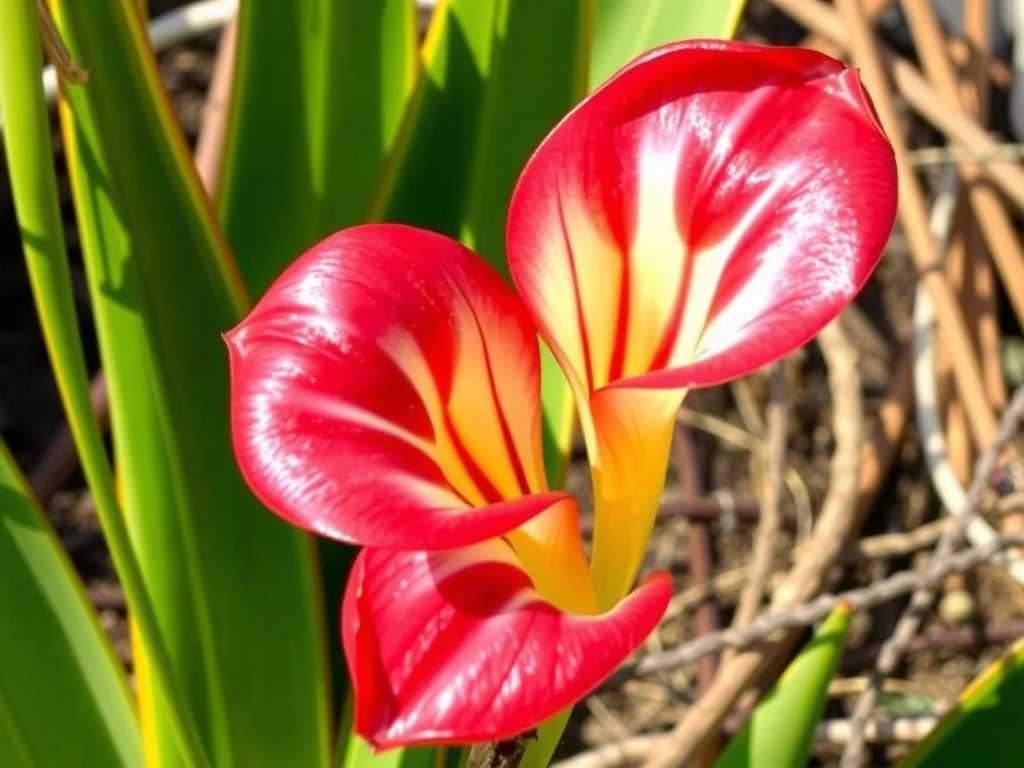
In this guide, I’ll walk you through the four most reliable identification tricks I’ve learned through hands-on cultivation and meticulous, sometimes frustrating, observation. We’ll move beyond vague descriptions and focus on the tangible, visual cues that matter. I spent over two weeks specifically documenting and comparing my plants, and I’ll share not just the successes but the pitfalls I encountered along the way. Let’s demystify these magnificent plants together.
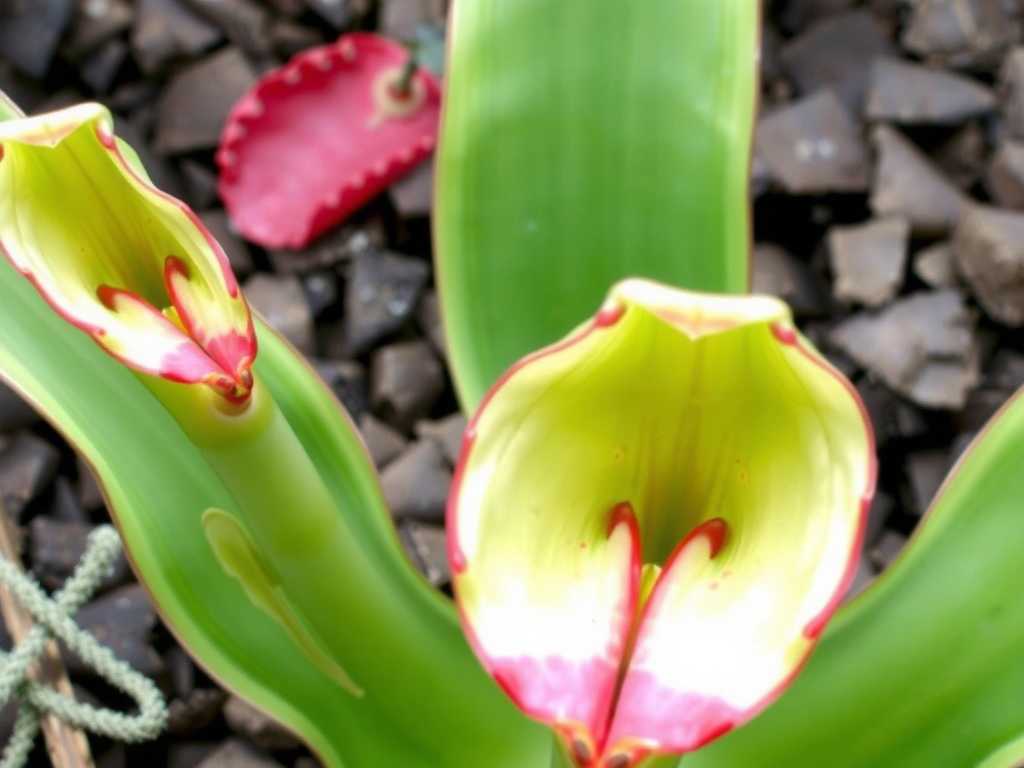
Understanding the Sarracenia Flava Complex: More Than Just Yellow
First, a quick primer. Sarracenia flava, the Yellow Pitcher Plant, isn’t a single, uniform species. It’s a species with several recognized subspecies or varieties (taxonomic rank can vary by authority). For us growers, the subspecies are what give the flava its incredible range. According to the International Carnivorous Plant Society (ICPS) and experts like Dr. Donald Schnell, whose work is foundational, key identifying features are stable in cultivation when plants are grown in proper, full-sun conditions. This is crucial: a sun-starved flava will not show its true colors or form, making ID nearly impossible.
The main players we’ll focus on are:
- Sarracenia flava var. flava: The “typical” form.
- Sarracenia flava var. rugelii: Known for its red or purple throat patch.
- Sarracenia flava var. ornata: Heavily veined all over the pitcher and lid.
- Sarracenia flava var. cuprea: Noted for its coppery-red lid.
Trick #1: The Lid Tells the Tale – Shape, Color, and Posture
Your most important clue is right at the top. The lid (or operculum) of a Sarracenia flava is highly diagnostic. I used to glance at it briefly, but now I study it like a map.
- Posture and Shape: Does the lid stand upright, almost hugging the pitcher mouth, or does it flare outwards like a wide, wavy umbrella? Var. flava and var. rugelii typically have lids that are more upright and somewhat flared. In contrast, var. cuprea is famous for its broad, wavy, and often dramatically reflexed lid—it looks like a crumpled copper canopy. Var. ornata can have a lid that ranges from upright to slightly flared, but its defining feature is the heavy venation.
- Color and Pattern: This is where you need good light. I made the mistake of checking my plants in the evening shade; the colors were muted and details lost. I started inspecting them at midday.
- A mostly green lid with light veins? You’re likely looking at var. flava.
- A solid, stunning coppery-red to deep burgundy lid? That’s the hallmark of var. cuprea. My cuprea’s lid develops its color early in the pitcher’s development.
- A lid densely covered in dark red veins, often so thick they create a netted pattern? That’s var. ornata. The veins extend from the lid’s base to its edges.
- The Pitfall I Hit: I have a plant I bought as ornata, but the lid veins were only at the base. After two weeks of daily photos under consistent light, I realized it was actually a heavily veined var. rugelii. True ornata veining is extensive and covers most of the lid surface.
Trick #2: Decoding the Throat and Tube – The Signature Spot
Look directly into the pitcher’s mouth. The area just inside the opening—the throat or peristome—holds a major secret.
- The Rugelii Signature: Var. rugelii is distinguished by a prominent, dark red to purple blotch or patch on the inner surface of the throat, directly opposite the lid’s attachment point. It’s not subtle. When you find it, identification becomes straightforward. My rugelii shows this patch from the moment the pitcher unfurls.
- Tube Coloration: Var. flava generally has a clean, yellow-green tube with little to no external red veining. Var. ornata turns this on its head: its tube is a canvas for intense, dark red venation from top to bottom, often against a lighter background. Var. cuprea may have some veining, but the primary show is the lid. Var. rugelii can have a lightly to moderately veined tube, but remember, the throat patch is its key.
- My Observation Method: I used a small, bright LED flashlight to peer into the throats without damaging the pitchers. I logged my findings for each plant on a simple spreadsheet, noting the presence/absence of the patch and the vein density on the tube. This side-by-side comparison over 14 days eliminated my initial confusion.
Trick #3: Overall Pitcher Morphology – Height, Girth, and Curve
Step back and look at the pitcher’s overall architecture. While influenced by growing conditions, general tendencies exist.
- Var. flava often produces tall, stately, and relatively slender pitchers that can reach impressive heights.
- Var. cuprea pitchers can be somewhat shorter and stockier, with a pronounced, robust look that supports its large lid.
- Var. rugelii and var. ornata can vary in height but are often identified more by their coloration than by a unique pitcher shape.
- The “Gotcha” Moment: One of my plants in partial sun produced stunted, poorly colored pitchers. I almost mislabeled it as a weak flava. After moving it to full, blazing sun and observing for two weeks, the new pitcher was taller, firmer, and displayed the clear, thick venation of var. ornata. Light is non-negotiable for proper identification.
Trick #4: The Flower Check – A Confirmatory Clue
If you’re lucky enough to have a blooming plant, the flower can offer supporting evidence. Sarracenia flava has beautiful, yellow, pendulous flowers. The style disk (the structure at the flower’s center) can vary.
- Var. flava typically has a green style disk.
- Var. rugelii is reported to often have a darker, redder style disk.
- Important Caveat: Relying solely on the flower is risky, as there can be overlap and variation. Use it to confirm what you’ve already deduced from the pitcher characteristics. The American Sarracenia Conservancy (ASC) emphasizes pitcher traits as the primary diagnostic tool for growers, as flowers are seasonal and not always present.
Bringing It All Together: My Two-Week Identification Journal
I selected four unlabeled flava plants from my collection. For 14 days, I tracked new pitcher development under optimal sun exposure.
- Plant A: Developed a broad, wavy, copper-red lid. Tube had moderate veins. No throat patch. Conclusion: Var. cuprea.
- Plant B: Tall, slender pitcher with a green, upright lid. Clean tube. A distinct dark purple blotch inside the throat. Conclusion: Var. rugelii. (This was my “aha!” moment with the throat patch).
- Plant C: Upright lid and tube absolutely covered in dense, dark red veining, creating a netted effect. No concentrated throat patch. Conclusion: Var. ornata.
- Plant D: Tall, yellow-green pitcher with a flared green lid showing only light veins. Clean tube, no throat patch. Conclusion: Var. flava.
This practical exercise cemented these tricks in my mind far more than any book or photo alone could have.
Frequently Asked Questions
I have a Sarracenia flava with a red lid but no copper tones and heavy veins. What is it? You might have var. atrorubra, a less common but recognized variety where the entire pitcher, including the lid, develops a deep red-purple coloration in full sun. It differs from cuprea, where the intense color is primarily focused on the lid. Cross-reference with throat and tube patterns.
Can two different varieties grow from the same rhizome? No, a single rhizome is one genetic individual. However, a mature clump can produce pitchers that vary slightly in size or color intensity based on light, season, and nutrient availability. The fundamental traits (lid shape, throat patch, vein pattern) will remain consistent across all its pitchers if grown in identical conditions.
My plant’s traits seem mixed. Is it a hybrid? This is very possible. Many plants in cultivation are complex hybrids. If your plant shows a confusing blend of features—like a rugelii-style throat patch but ornata-level veining—it may well be a hybrid between subspecies or with another Sarracenia species entirely. Label it as such to avoid confusion.
Learning to identify Sarracenia flava subspecies transforms how you see these plants. It moves you from a casual admirer to an informed cultivator, appreciating the subtle genius of natural variation. The process requires patience and a keen eye for detail—check the lid in full sun, dare to peek into the throat, and observe the vein patterns like a detective. Remember, consistent, bright light is the essential key that unlocks their true identity. Start with these four tricks, apply them to your own plants, and you’ll never look at a yellow pitcher plant the same way again. The satisfaction of correctly naming a beautiful, complex organism is a joy that deepens this fascinating hobby.





