 bluename
How to Avoid Disturbing Developing Sarracenia Flower Buds During Seasonal Repotting
If you want to avoid disturbing developing Sarracenia flower buds during seasonal repotting, the short answer is this: repot in late winter or very early spring, keep the root ball intact, and never bury the crown. I learned this the hard way after snapping off three promising buds on a beautiful Sarracenia leucophylla one February. That single mistake set that plant back an entire growing season. So in this guide, I'm sharing exactly how I repot my pitcher plants now, plus the timing, tools, and small habits that protect those fragile buds.
I've been growing carnivorous plants for over a decade, and Sarracenia season is my favorite time of year. But it's also the most delicate. Flower buds start swelling right around the same window when roots begin waking up. If you repot at the wrong moment, or you're too rough, those buds abort. You get leaves, sure, but no flowers. And for me, the flowers are half the reason I grow these plants.
What Makes Sarracenia Flower Buds So Vulnerable
Let me explain what's actually happening underground and above it.
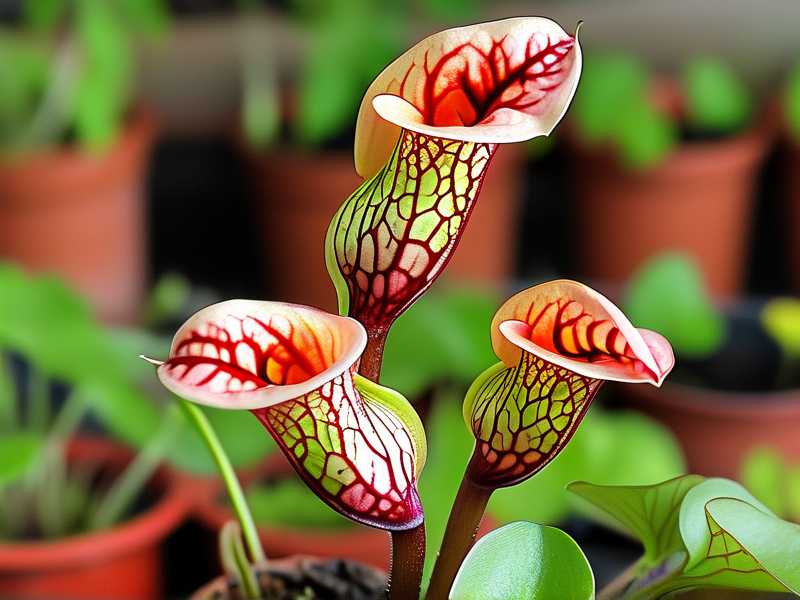
Sarracenia flower buds form deep inside the rhizome, usually in late fall. By late winter, they've pushed up just enough to be visible as a small nub near the crown. At this stage, the bud is tightly packed and incredibly brittle. It's basically a tiny, tender shoot with no room for error.
The rhizome itself is thick and fleshy. Roots grow from the bottom and sides, but the growing points—leaves and flowers—emerge from the top. When you lift the plant out of its pot, the bud is sitting right there, exposed. One wrong twist, and it snaps.
I've also noticed that buds seem to stall if the roots get too disturbed. Even if you don't break the bud, shock can cause the plant to redirect energy into root repair instead of flowering. So the goal isn't just "don't snap it." It's "don't stress the plant at all."
The Right Time to Repot Without Sacrificing Buds
Timing is everything. I used to repot whenever I had a free afternoon. Big mistake.
Now I wait until the plant is just breaking dormancy but before the flower bud has stretched more than half an inch. For most growers in USDA zones 5–9, that's late February to mid-March. If you're in a colder area, early March. Warmer areas, late January to early February.
Here's the thing: if you repot too early, the plant is still dormant. Roots are inactive. The rhizome just sits there, and you risk rot. If you repot too late, the bud is already elongating. It's soft, turgid, and snaps if you look at it wrong.
I check my plants every few days starting in late January. I look for two signs: the flower bud nub becoming clearly visible, and a tiny bit of new root growth at the drainage holes. When both appear, I repot that week.
The 2-Week Observation Window
I started doing something a few years ago that changed everything. After repotting, I don't just walk away. I watch closely for two weeks.
Week one: I keep the plant in bright, indirect light. No direct sun. I water from the bottom only, just enough to keep the medium damp, never soggy. I check the bud daily. If it stays green and firm, good. If it yellows or shrivels, I know I damaged the roots too much.
Week two: I slowly introduce more light. If the bud has grown even a quarter inch, I know it's viable. That's my signal to move the plant back to its normal spot.
During my last repot, I had a Sarracenia flava with two buds. One stayed perfectly green through both weeks. The other stalled for five days, then started growing again. That stall was a warning. I had nicked a root. The plant recovered, but it taught me to be even gentler.
Three Deadly Mistakes New Growers Make
I've made all three. You probably will too if you don't know them.
Mistake 1: Overwatering After Repotting
This is the big one. And honestly, 90% of indoor plants die from overwatering, not underwatering. Sarracenia are no exception, especially after repotting.
When roots are disturbed, they can't take up water efficiently. New roots haven't formed yet. So the medium stays wet. The rhizome sits in stagnant, oxygen-poor soil. Rot sets in. The flower bud is the first thing to go because it's the most energy-expensive structure.
I killed a beautiful Sarracenia rubra this way. I repotted it, then watered it like I normally would. Two weeks later, the bud was black. The rhizome was mushy. Lesson learned.
Now I water very lightly for the first ten days. I use a spray bottle to moisten the top inch of medium. I don't soak it. Once I see new root tips at the drainage holes, I go back to normal watering.
Mistake 2: Light Misplacement
Sarracenia need full sun. But right after repotting, full sun can cook a stressed plant.
I tried putting a freshly repotted plant straight into my sunniest window. The bud shriveled in three days. The leaves turned red and crispy. The plant survived, but it skipped flowering that year.
The fix is simple. Give bright, indirect light for the first week. A north-facing window or a spot two feet back from a south window works. Then gradually move it closer. By day ten, it can handle full sun again.
Mistake 3: Using the Wrong Pot
I've seen people repot Sarracenia into tiny terracotta pots, glazed ceramic pots, or pots without drainage. All wrong.
Sarracenia have deep, thick roots. They need tall pots. I use plastic nursery pots that are at least 6 inches deep for small plants and 10 inches for larger ones. Terracotta dries out too fast and can wick moisture away from the roots. Glazed ceramic traps moisture and causes rot. No drainage? Forget it.
Also, don't oversize the pot. A pot that's too big holds too much wet medium. The roots can't colonize it fast enough. That leads to the same rot problem.
I now use tall, narrow plastic pots. They fit on my shelves, they drain well, and they're cheap. I've had zero rot issues since switching.
My Step-by-Step Repotting Method for Bud Safety
Here's exactly what I do. No fluff.
First, I gather everything before I touch the plant. New pot, fresh medium (I use a mix of peat moss, perlite, and a little sand), scissors, and a spray bottle. I work on a tray to catch mess.
Second, I unpot gently. I turn the pot sideways and squeeze the sides. I do not pull the plant by the leaves or the bud. I let it slide out. If it sticks, I run a knife around the inside edge. I never tug.
Third, I loosen the root ball with my fingers. I don't rinse it. I don't pick at it. I just gently tease out the outer roots. The inner root ball stays intact. This is key. A intact root ball means less shock.
Fourth, I position the plant in the new pot. The crown—where the bud emerges—must sit right at the soil line. Not below. Not above. If you bury the crown, the bud rots. If you leave it too high, roots dry out.
Fifth, I backfill with medium. I tamp it lightly. I don't press hard. I want air pockets gone but roots not crushed.
Sixth, I water from the top once, lightly. Just to settle the medium. Then I wait ten days before watering again.
What the Experts Say
The Royal Horticultural Society (RHS) recommends repotting carnivorous plants in early spring before active growth begins. They specifically warn against disturbing the root ball too much. I'll link to their general guide here: RHS.
The American Horticultural Society (AHS) also notes that Sarracenia are sensitive to root disturbance during bud formation. Their advice aligns with mine: timing and gentleness matter more than anything else. You can check their resources here: AHS.
I'm not a scientist. I'm a hobbyist who's killed more pitcher plants than I'd like to admit. But when my experience matches what the big horticultural societies say, I feel pretty good about it.
Frequently Asked Questions
Can I repot Sarracenia while the flower bud is already tall?
You can, but you risk breaking it. If the bud is more than two inches tall, I'd wait until after flowering. Repot in late spring instead. You'll lose a few weeks of growth, but you'll save the flower.
What if I accidentally break the flower bud?
It happens. The plant will survive. It just won't flower that year. Keep the conditions stable, don't overwater, and let it focus on leaves. Next season, the bud will come back. I've had plants skip a year and then produce two buds the following spring.
How do I know if the bud is still alive after repotting?
Green and firm means alive. Yellow, brown, or mushy means dead. Give it two weeks. If it hasn't grown but is still green, it might just be slow. Don't give up until it turns color.
Final Thoughts
Repotting Sarracenia doesn't have to be a bud massacre. It just takes patience. Wait for the right window. Keep the root ball intact. Don't bury the crown. Water lightly. Watch for two weeks.
And please, don't make my mistakes. Don't overwater. Don't blast it with sun. Don't use a tiny terracotta pot. Your pitcher plant will thank you with flowers that last for weeks.





