 bluename
Why Sarracenia Pitchers Turn Brown: 4 Quick Fix Solutions
If your Sarracenia pitchers are turning brown, the answer is almost always one of four things: water quality, light, dormancy, or root rot from sitting in the wrong setup. I've killed more pitcher plants than I care to admit, and every single time it came down to one of those four. The good news? Most brown pitchers can be fixed fast, and I'll show you exactly how I did it over a two-week stretch with my own plants.
Let me start with the hard truth I learned the expensive way: Sarracenia are not houseplants. They're bog plants. Treat them like a fern on a windowsill and they'll brown up and die on you. Treat them like the swamp-loving creatures they are, and they'll reward you with tall, colorful pitchers year after year.
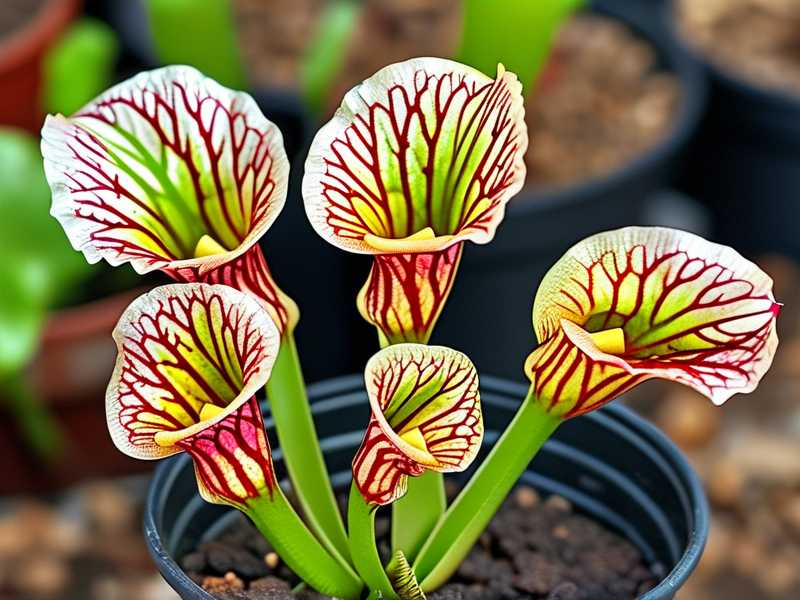
The Four Culprits Behind Brown Pitchers
Brown pitcher syndrome doesn't happen overnight. It creeps in. One trap tips over, then another, and pretty soon the whole plant looks like it lost a fight. Here's what's actually going on.
Water: The Number One Killer
I'll say it plainly: 90% of indoor plants die from overwatering. That stat gets thrown around a lot, but with Sarracenia the issue flips. These plants want to be wet, but they want the right water, and they don't want stagnant, mineral-heavy tap water rotting their roots from below.
I used to fill my first pitcher plant's tray with tap water because, hey, it's just water, right? Wrong. Within ten days the lower pitchers went soft and brown at the base. The rhizome started smelling sour. That plant was gone. Since then I only use rainwater or distilled water, and I've never had that problem again.
The fix is simple. Collect rainwater in a bucket, or buy distilled water by the gallon. Keep the pot sitting in about an inch of water during the growing season. Change it every few days so it doesn't go stagnant. If you're on a well with soft water, test it first. Hard water with dissolved minerals will brown your pitchers faster than almost anything else.
Light: More Than You Think
A lot of people park their Sarracenia on a north-facing windowsill and wonder why the pitchers look pale, floppy, and eventually brown. These plants are sun worshippers. In the wild they grow in open bogs across the southeastern United States, baking in full sun for hours a day.
I tried growing one under a cheap desk lamp once. Bad idea. The pitchers stretched out thin and weak, then crisped up brown from the tips down. That's light starvation.
Give them at least six hours of direct sun. A south-facing window works in most homes. If you don't have that, a strong full-spectrum grow light positioned about eight inches above the plant will do the job. I run mine for fourteen hours a day during summer and the color difference is night and day.
Dormancy: The Part Everyone Forgets
Here's where I lost my second pitcher plant. It looked great all summer, then in November the pitchers started browning and I panicked. I thought it was dying. I brought it inside, cranked up the heat, and kept watering it like crazy. By January it was a mush pile.
Sarracenia need a winter dormancy. That's non-negotiable. They're native to regions with cool winters, and without that rest period they burn out.
The fix depends on your climate. In USDA zones 7 and up, you can leave them outside year-round. In colder areas, move them to an unheated garage, shed, or cool basement where temps stay between 35 and 50°F. Cut back watering but don't let the soil go bone dry. I now keep mine in a sheltered spot on the porch from November through February and they come back stronger every spring.
The Pot and Soil Mistake
This one catches beginners constantly. Sarracenia need acidic, nutrient-poor soil and a pot that drains but holds moisture. Regular potting mix will kill them. So will a pot with no drainage that turns into a swamp of rotting roots.
I made this mistake with a glazed ceramic pot I thought looked nice. The soil stayed soggy, the rhizome rotted, and the pitchers browned from the bottom up. Switched to a tall plastic pot with drainage holes, filled it with a mix of sphagnum peat moss and perlite at about a 3:1 ratio, and the plant recovered in three weeks.
The Three Beginner Mistakes That Brown Your Pitchers
These are the ones I see over and over, and honestly, I made all three.
Mistake one: watering too much with the wrong water. It's not about quantity, it's about quality. Tap water, softened water, and water with fertilizer in it will brown your pitchers and rot your rhizome. Rainwater or distilled, always.
Mistake two: putting the plant in the wrong light. Too little sun means weak, pale growth that browns early. Too much reflected heat through a closed window can scorch the pitchers. Aim for direct sun with good airflow.
Mistake three: using the wrong pot. A pot that's too shallow dries out too fast. A pot with no drainage holds stagnant water against the roots. Go tall, go plastic, go with drainage.
My Two-Week Recovery Plan
When I rescued my last browning Sarracenia, here's exactly what I did and what I saw.
Day 1: I pulled the plant out, rinsed the roots, and cut away every brown, mushy pitcher with sterilized scissors. I repotted it in fresh peat and perlite in a tall plastic pot with drainage holes.
Day 2 through day 7: I set it in a south-facing window with a grow light backup and kept it sitting in an inch of rainwater. I changed the water every other day. No fertilizer, no tap water, no fussing.
Day 8 through day 14: New growth started pushing up from the rhizome. Small green nubs at first, then real pitchers forming. The remaining healthy pitchers stayed firm and colorful. By the end of week two, the plant looked alive again instead of like it was on life support.
That's the thing about Sarracenia. They're tough when you give them what they actually need.
What the Experts Say
The Royal Horticultural Society recommends growing Sarracenia in full sun with consistently moist, lime-free soil, and it stresses the importance of winter dormancy for long-term health. The American Horticultural Society backs this up, noting that bog plants like Sarracenia thrive in poor, acidic conditions and suffer in rich, alkaline mixes. I've followed both sets of guidance for years now, and it's never steered me wrong.
If you want the deep dive on cultivation, check the RHS guidance directly. For broader gardening wisdom on bog plants, the AHS is a solid resource.
When Brown Isn't Actually Bad
Here's something I wish someone had told me earlier. Not every brown pitcher is a crisis. Sarracenia naturally brown off older pitchers as the season progresses. If the browning starts at the top of the oldest traps and the new growth looks healthy and green, that's just normal aging.
The alarm bells should ring when brown starts at the base, spreads fast, or comes with a soft, smelly rhizome. That's rot, not aging.
So look at the pattern before you panic. I wasted a lot of energy worrying about normal dieback before I understood the difference.
A Few Practical Tips I've Picked Up
Keep a jug of rainwater by the back door. It sounds silly, but having it ready means you won't reach for the tap when you're in a hurry.
Label your pots. I once mixed up a Sarracenia with a tropical pitcher plant and watered them the same way. That tropical one hated the bog treatment.
Check the rhizome every few weeks during the growing season. Give it a gentle squeeze. Firm is good. Squishy means trouble, and you want to catch it early.
Don't fertilize. Seriously. These plants catch their own food. Fertilizer burns the roots and browns the pitchers faster than almost anything else.
Common Questions About Brown Sarracenia Pitchers
Can brown pitchers turn green again?
No. Once a pitcher browns, that tissue is dead. You can't reverse it. But the plant itself can recover. Cut off the brown traps and focus on fixing the cause, and new green pitchers will grow.
Should I cut off all the brown pitchers?
Yes, but only the fully brown, mushy ones. Cut them at the base with clean scissors. Leave any pitcher that's still partly green, even if the top is crispy. The plant is still using it for photosynthesis.
Why do my pitchers turn brown in winter?
That's usually dormancy, not death. Sarracenia naturally die back in cold weather and regrow in spring. As long as the rhizome stays firm and the soil doesn't dry out completely, your plant is fine. Just let it rest.
Brown pitchers on a Sarracenia aren't a death sentence. Nine times out of ten it's water, light, dormancy, or the pot, and every one of those is fixable. Fix the cause, clean up the dead growth, and give it two weeks. You'll be surprised how fast these plants bounce back when you stop treating them like ordinary houseplants and start treating them like the bog dwellers they are.





