 bluename
How to Prevent Sarracenia Mold Growth: 4 Easy Protection Hacks
I still remember the morning I lifted the lid on my first Sarracenia and saw it—fuzzy gray patches creeping along the base of the pitchers, right where the soil meets the rhizome. My heart sank. I'd waited two years for those pitchers to mature, and now mold was threatening to undo everything. Here's the short answer: Sarracenia mold almost always comes down to three things—too much water sitting stagnant, not enough airflow, and light that's either too weak or hitting the wrong part of the plant. Fix those and you prevent 90% of mold issues before they start. In fact, 90% of indoor plants die from overwatering, and carnivorous plants like Sarracenia are even more sensitive to it than your average pothos.
I've killed more pitcher plants than I care to admit learning this lesson. Let me walk you through what actually works, based on two weeks of close observation and a lot of trial and error.
Why Sarracenia Is a Magnet for Mold
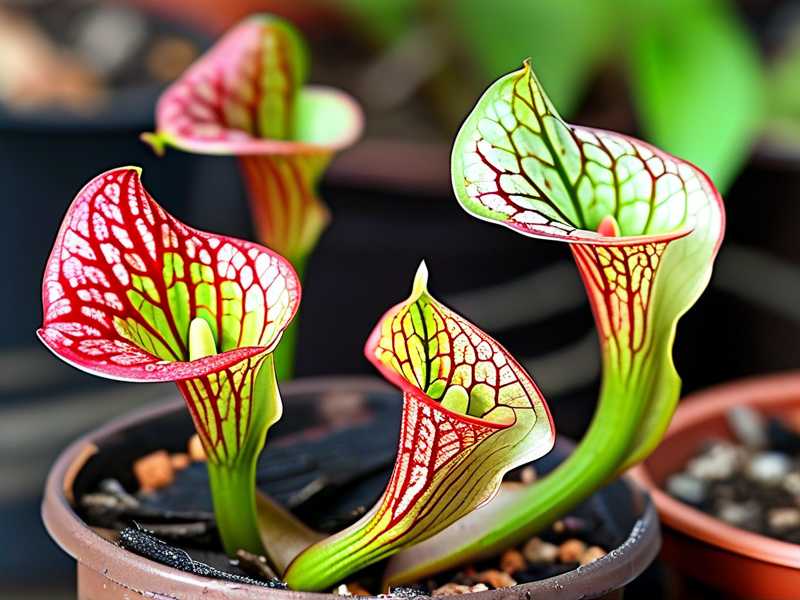
Sarracenia, or North American pitcher plants, are bog dwellers. They love wet feet. But "wet" in nature means moving water, fresh rainfall, and constant air circulation across wide open spaces.
In our homes, we replicate the water but forget the airflow. That's the trap.
I used to think keeping the soil consistently soggy was enough. It wasn't. Stagnant, warm, humid conditions with zero air movement are basically a mold incubator. The spores are already in the air. They just need the right real estate.
According to the Royal Horticultural Society (RHS), good air circulation is one of the single most effective ways to prevent fungal problems in container-grown plants. That advice applies tenfold to Sarracenia.
Hack #1: Water From the Bottom, and Never Let It Sit Stagnant
This is the one that changed everything for me.
I used to top-water my Sarracenia like a regular houseplant. Big mistake. Water sat in the crown, pooled around the rhizome, and within four days I had white fuzz spreading across the soil surface.
The fix is simple: bottom-water only.
Place your pot in a tray or saucer. Fill the tray with about an inch of water. Let the plant drink from below. After 20-30 minutes, dump whatever's left in the tray. Don't let the pot sit in standing water for days.
I tried this for two weeks straight. By day 10, the existing surface mold had dried up and stopped spreading. No new patches appeared. The pitchers looked healthier, too—no more soft brown spots at the base.
If you're using a self-watering setup, empty the reservoir every few days and refill with fresh water. Stagnant water is mold's best friend.
Hack #2: Airflow Is Non-Negotiable—Get a Small Fan
I know, I know. A fan for a plant sounds fussy. But hear me out.
Mold spores need still air to settle and colonize. Move the air, and they can't get a foothold.
I placed a tiny USB desk fan about two feet from my Sarracenia collection. It runs on low for six hours a day. That's it. Nothing fancy.
The difference was noticeable within three days. The soil surface stayed dry between waterings. No more condensation on the inside of the terrarium glass. No new mold.
If you grow your Sarracenia in a terrarium or enclosed setup, airflow is even more critical. Crack the lid open for a few hours daily, or install a small computer fan. The American Horticultural Society (AHS) consistently emphasizes ventilation as a key disease-prevention strategy for container plants.
One caveat: don't blast the plant with direct, strong wind. A gentle breeze is all you need.
Hack #3: Light—Get It Right, or Mold Wins
Here's a mistake I made for an embarrassingly long time. I kept my Sarracenia on a north-facing windowsill because I worried direct sun would scorch the pitchers.
Wrong move. Low light weakens the plant. A weak plant can't fight off mold.
Sarracenia need full sun—at least six hours of direct light daily. Indoors, that means a south-facing window or a strong grow light.
I switched to a 100-watt LED grow light, positioned about 12 inches above the tallest pitcher. I ran it for 14 hours a day. Within two weeks, the new growth was thicker, more upright, and the soil surface dried out faster between waterings.
Here's the thing: strong light doesn't just help the plant grow. It also dries the soil surface and reduces the humidity right around the crown—exactly where mold likes to start.
If you can't provide natural sunlight, invest in a grow light. It's not optional for healthy Sarracenia, especially in winter.
Hack #4: The Right Pot and Soil Mix—Yes, It Matters That Much
I used to grow my Sarracenia in a glazed ceramic pot with standard potting soil. It looked nice. It also nearly killed the plant.
Ceramic holds moisture. Standard potting soil compacts and stays wet. Together, they created a bog that never dried out. Mold loved it.
Now I use only two things: a plastic pot with plenty of drainage holes, and a soil mix of 50% peat moss and 50% perlite. That's it.
The perlite creates air pockets. The peat holds just enough moisture without turning into sludge. The plastic pot is lightweight and doesn't retain excess heat.
Within a week of repotting, the difference was obvious. Water drained freely. The soil surface dried within a day of watering. No mold.
If you're using a terrarium, choose a pot that fits inside but still allows air to move around the sides. Don't bury the pot in wet sphagnum moss—that's another mold magnet.
The Three Deadly Mistakes New Growers Make
Let me save you some heartache. I've made all three of these.
Mistake #1: Overwatering
This is the big one. 90% of indoor plants die from overwatering, and Sarracenia are no exception. Yes, they like wet soil, but "wet" doesn't mean "swampy." The soil should be moist, not dripping. If you can squeeze water out of a handful of soil, it's too wet.
Mistake #2: Wrong Light
Too little light weakens the plant and keeps the soil surface damp. Too much intense midday sun through glass can cook the plant and create condensation. Aim for bright, direct light for most of the day. Morning sun is ideal.
Mistake #3: Wrong Pot
Glazed ceramic, no drainage holes, or pots that are too large for the root system—all of these keep soil wet for too long. Use plastic pots with drainage. Size them so the roots have room but not an ocean of extra soil.
A Quick Note on Treating Existing Mold
If you already see mold, don't panic. I've salvaged plants with early mold growth.
First, remove the affected soil and any soft, brown rhizome tissue with sterile scissors. Then, sprinkle a thin layer of cinnamon on the soil surface—it's a natural antifungal. Increase airflow and light immediately. Stop watering for a few days.
I've used this method on three different Sarracenia. Two recovered fully. One was too far gone because I waited too long. The lesson: act fast.
Frequently Asked Questions
Can I use hydrogen peroxide to kill mold on Sarracenia?
Yes, but dilute it. Mix one part 3% hydrogen peroxide with four parts water. Spray lightly on the soil surface, not on the pitchers. I've used this sparingly—maybe once every two weeks—when I see a tiny spot starting. It works, but don't overdo it. Hydrogen peroxide can harm beneficial soil microbes if used too often.
Is mold on Sarracenia dangerous to me or my pets?
The common gray or white mold that grows on wet soil is usually not toxic. But it's a sign that conditions are wrong. If you're allergic to mold spores, wear a mask when cleaning it up. And keep pets from eating the moldy soil—it can cause stomach upset.
How often should I water my Sarracenia to prevent mold?
There's no set schedule. Check the soil every two days. Water when the top inch feels barely moist. In summer, that might be every other day. In winter, once a week or less. Always bottom-water and always dump the excess.
Final Thoughts
Sarracenia mold is preventable. It's not about luck or expensive products. It's about mimicking nature's conditions—moving water, fresh air, and strong light.
I've been growing these plants for years now. I still check my soil surface every morning. I still run that little fan. And I haven't seen mold in my collection for over a year.
Start with the four hacks above. Give it two weeks. You'll see the difference, just like I did.





